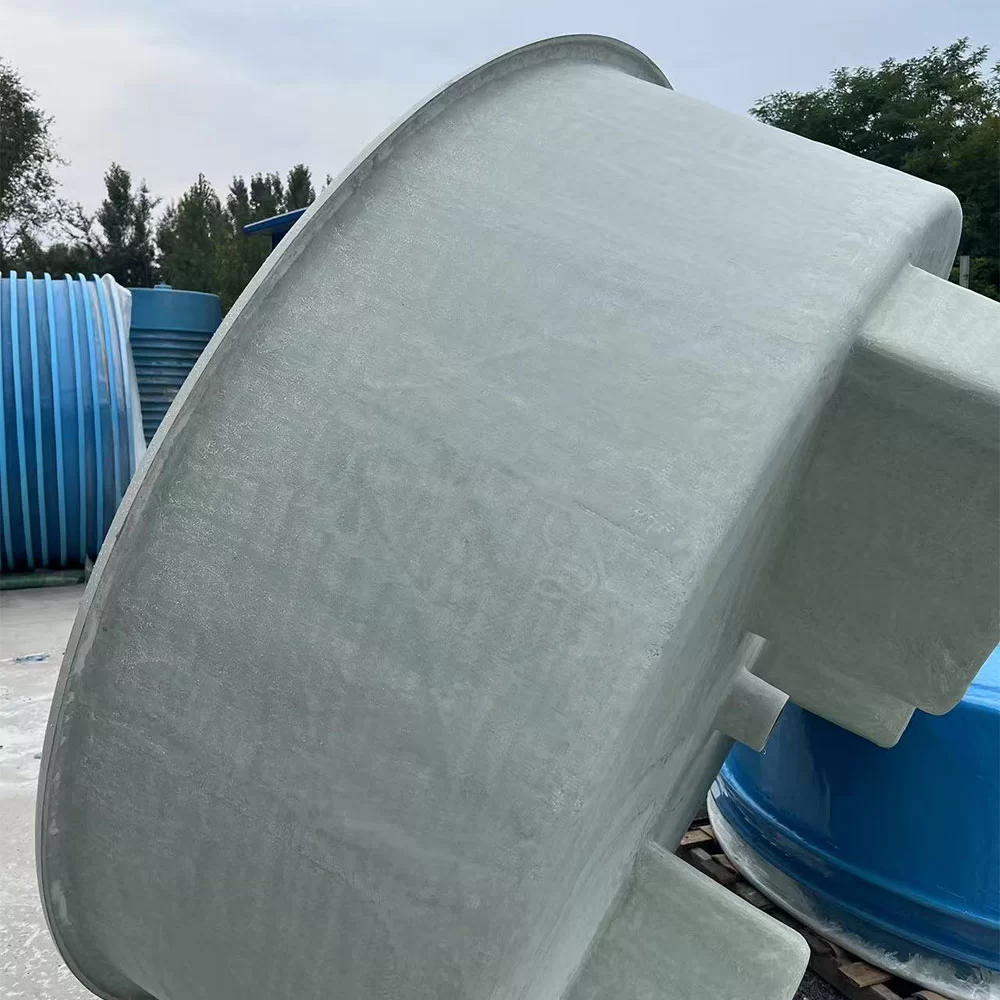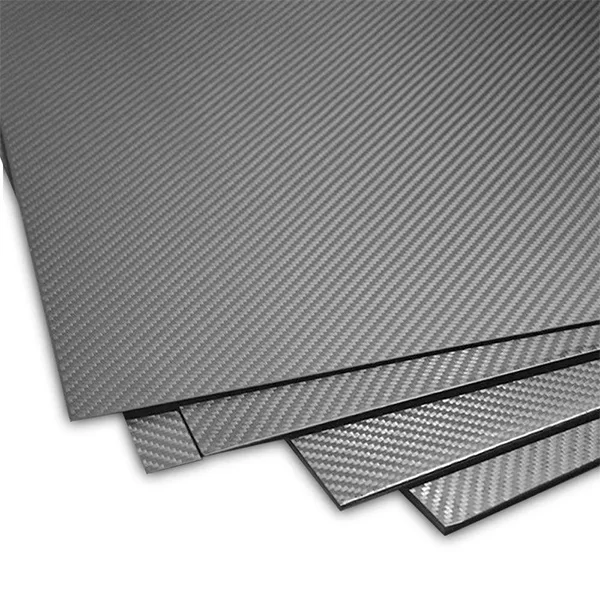
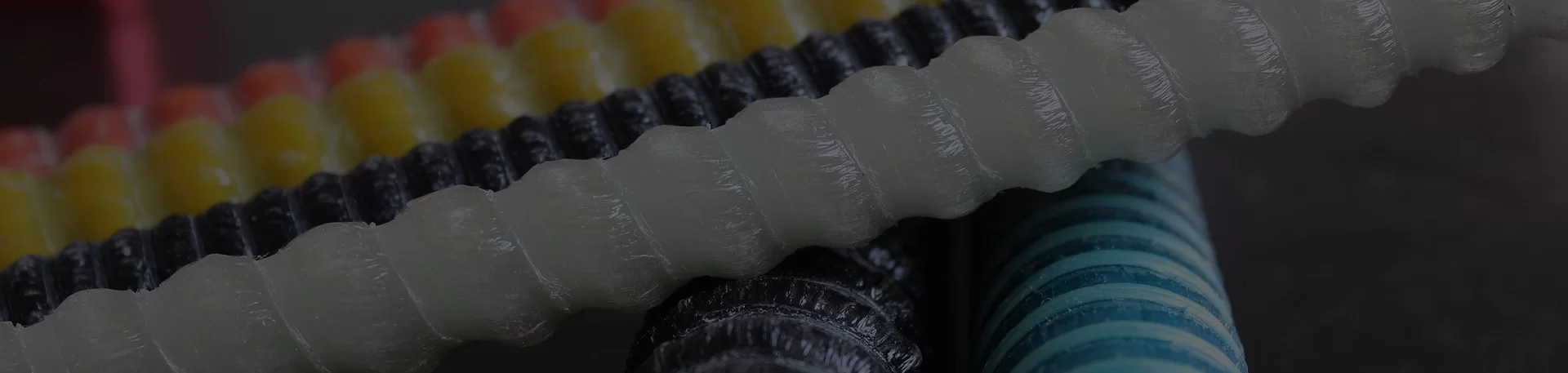
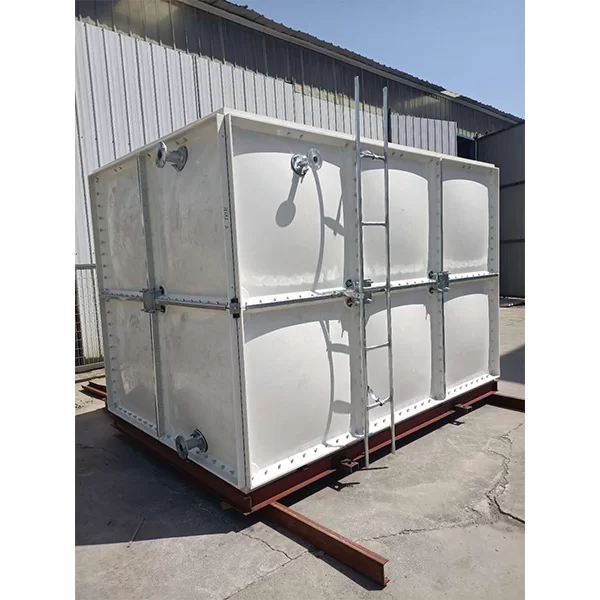
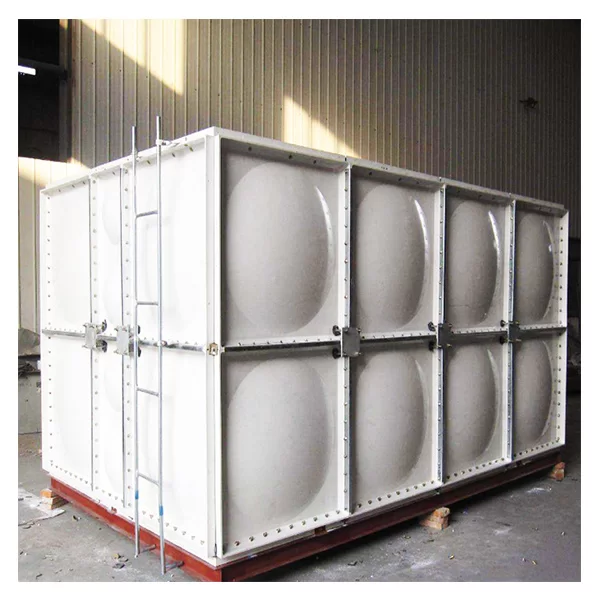
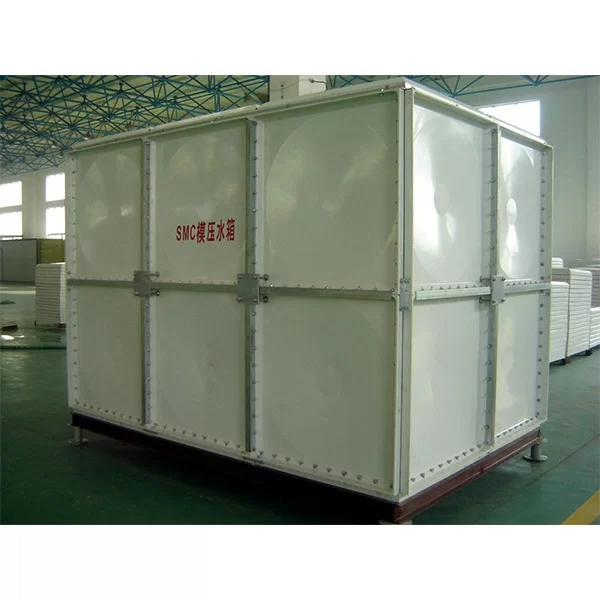
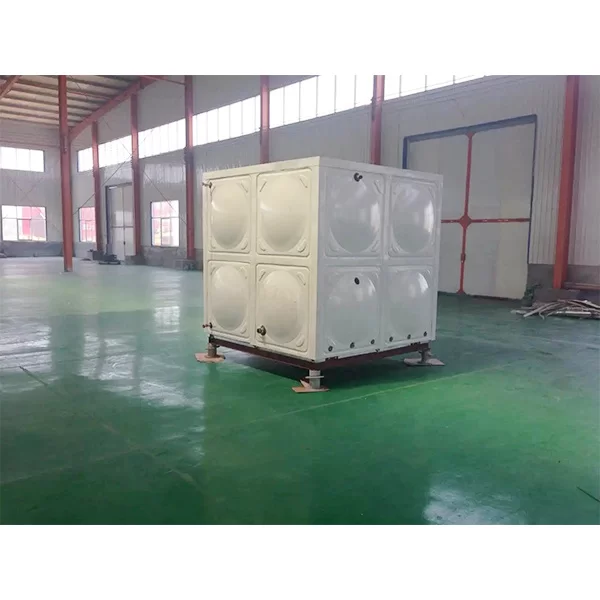
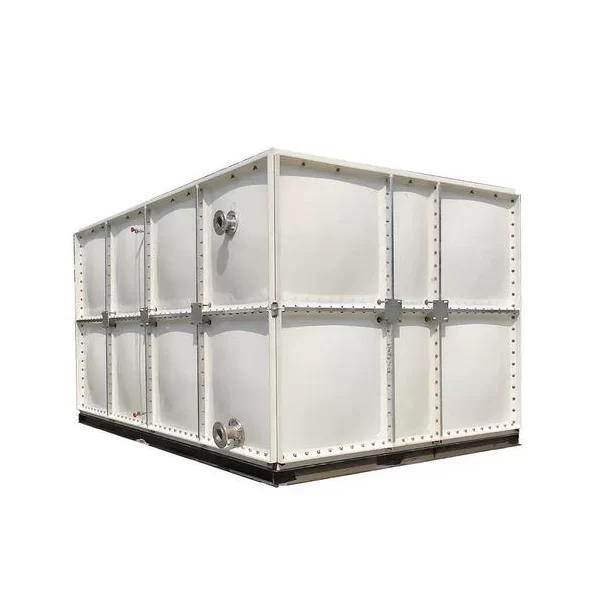
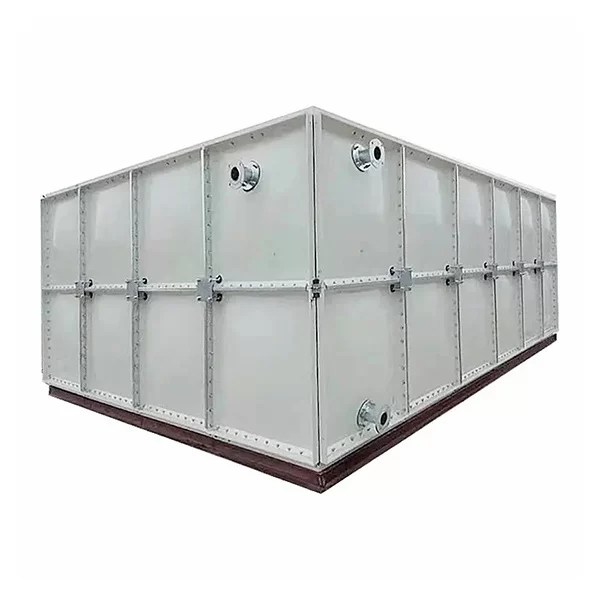
The FRP Water Tank, also known as a fiberglass water storage tank or GRP water tank, is a high-performance water storage system manufactured from fiberglass reinforced plastic (FRP) composite materials. Designed to provide long-term durability, structural strength, and corrosion resistance, FRP water tanks are widely used in municipal, industrial, agricultural, and commercial water storage applications.
Unlike traditional steel or concrete tanks, FRP water tanks offer superior resistance to corrosion, chemical exposure, and environmental degradation. They are lightweight yet structurally robust, making them easier to transport, assemble, and maintain. The modular design of sectional FRP water tanks allows for flexible capacity expansion and efficient on-site installation.
Manufactured using advanced molding technology and premium resin systems, fiberglass water tanks are engineered to meet modern water storage requirements, including potable water storage, fire protection systems, irrigation, and industrial process water management.
With a service life that can exceed 20–30 years under proper operating conditions, FRP water tanks provide a cost-effective and reliable solution for long-term water storage needs.
1. Excellent Corrosion Resistance
FRP water tanks are manufactured from corrosion-resistant resin matrices combined with high-strength glass fiber reinforcement. This composite structure ensures resistance to rust, oxidation, and chemical degradation. Unlike steel tanks, fiberglass tanks do not require internal coatings or regular anti-corrosion treatments.
They are particularly suitable for environments exposed to moisture, saline air, industrial chemicals, or fluctuating temperatures.
2. High Strength-to-Weight Ratio
The fiberglass composite material provides outstanding mechanical strength while maintaining a lightweight structure. This high strength-to-weight ratio reduces structural load requirements and simplifies transportation and installation.
FRP water tanks can withstand internal hydrostatic pressure and external environmental forces without deformation or cracking.
3. Hygienic and Safe for Water Storage
For potable water applications, food-grade resin systems can be used to ensure safe and hygienic water storage. The smooth internal surface prevents bacterial growth and sediment accumulation, maintaining water quality over time.
4. Leak-Proof Performance
The modular panel design incorporates precision sealing gaskets and bolted connections to ensure watertight performance. Proper installation prevents leakage and protects surrounding structures.
5. UV and Weather Resistance
Fiberglass water tanks can be manufactured with UV-resistant gel coats to withstand long-term outdoor exposure. The material maintains structural stability and surface integrity under sunlight, rain, and temperature changes.
6. Thermal Insulation Capability
FRP composite materials offer natural thermal insulation properties. Insulated panel options are available for applications where temperature control is required, such as rooftop installations or cold climates.
7. Long Service Life
Due to their corrosion resistance and structural durability, FRP water tanks provide a long operational lifespan with minimal maintenance requirements, reducing overall life-cycle costs.
FRP water tanks are typically designed using modular sectional panels or molded one-piece tank bodies depending on project requirements.
1. Panel Structure (Sectional Water Tank)
Sectional FRP water tanks consist of prefabricated panels that are bolted together on-site. Key structural components include:
Molded FRP side panels
Bottom panels and top cover panels
Internal tie rods and reinforcement supports
Sealing gaskets
Manholes and access openings
Inlet, outlet, overflow, and drain connections
This modular structure allows flexible tank capacity ranging from small-scale storage units to large industrial water reservoirs.
2. Reinforcement System
Internal bracing and tie-rod systems are designed to distribute hydrostatic pressure evenly across the tank walls. The structural framework ensures dimensional stability and prevents panel deformation.
3. Base and Foundation
FRP water tanks are typically installed on concrete foundations or steel support frames. Proper base preparation ensures uniform load distribution and long-term stability.
4. Cover and Access Design
The top cover can be designed as a sealed or ventilated structure depending on application requirements. Access manholes allow easy inspection and maintenance.
5. Custom Configurations
Tank dimensions, panel thickness, reinforcement levels, and connection ports can be customized according to:
Required storage capacity
Installation location
Environmental conditions
Applicable design standards
FRP water tanks are widely used across multiple industries due to their durability and flexibility.
1. Municipal Water Supply Systems
Fiberglass water tanks are used for storing potable water in residential areas, urban developments, and rural communities. Their hygienic surface and corrosion resistance ensure safe long-term storage.
2. Fire Protection Systems
FRP water tanks serve as dedicated fire protection reservoirs in commercial buildings, industrial plants, and public infrastructure projects. Their reliability ensures immediate water availability during emergencies.
3. Industrial Water Storage
Manufacturing facilities, chemical plants, and power stations require process water storage systems that can withstand aggressive environments. Composite water tanks provide a durable and corrosion-resistant solution.
4. Agricultural Irrigation
FRP water storage tanks are used in irrigation systems to store water for farming and greenhouse operations. Their lightweight structure allows easy installation in rural areas.
5. Rooftop Water Storage
In commercial and residential buildings, sectional GRP water tanks are commonly installed on rooftops due to their lightweight design and structural adaptability.
6. Rainwater Harvesting Systems
Fiberglass water tanks are ideal for rainwater collection and storage systems, supporting sustainable water management initiatives.
7. Seawater and Desalination Projects
In coastal areas, FRP tanks can be used for storing desalinated water or seawater due to their resistance to salt corrosion.
Customization and Engineering Support
To meet specific project requirements, FRP water tanks can be customized with:
Insulated panels
Internal anti-bacterial coatings
Ladder and platform systems
Level monitoring devices
Overflow alarms
Anti-seismic design features
Engineering calculations can be provided based on tank capacity, wind load, seismic load, and installation height to ensure structural safety and compliance with local standards.
Apr. 27, 2026
Benefits of Durable Concrete Fiberglass Rebar for Infrastructure

Apr. 24, 2026
High Strength and Corrosion Resistant glass fibre reinforcement bars

Apr. 23, 2026
Reliable frp walkway manufacturer for Industrial Flooring Solutions
Apr. 22, 2026
Sustainable Construction with High Strength gfrp rebars Guide

Apr. 17, 2026
Advantages and Applications of High Strength Glass Rebar
Apr. 16, 2026
The Ultimate Guide to GFRP Rebars for Modern Construction
Looking for Reliable Frp Solutions?