Mar. 07, 2026
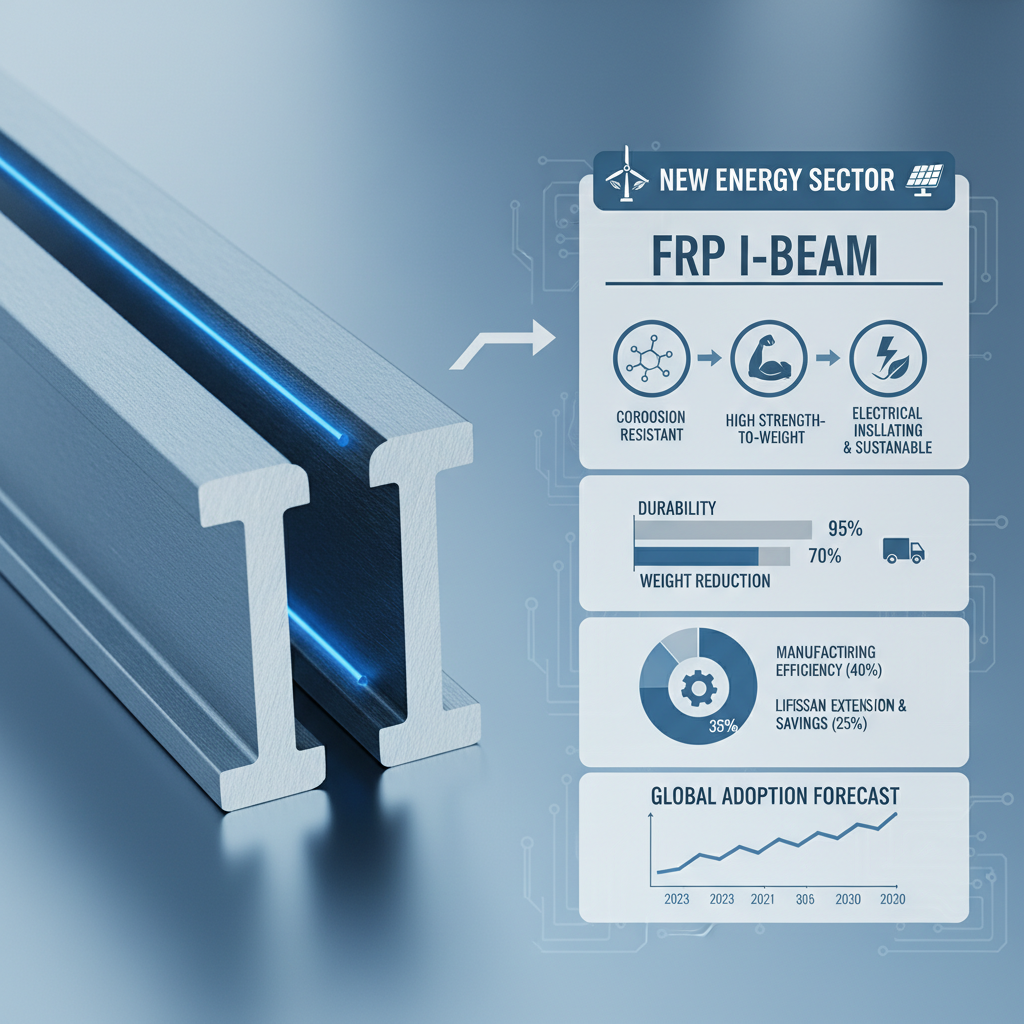
Fiber Reinforced Polymer (FRP) I beams are revolutionizing the construction and manufacturing industries due to their unique combination of strength, lightweight properties, and corrosion resistance. Unlike traditional steel I beams, FRP I beams offer significant advantages in various applications, from bridges and infrastructure projects to chemical processing plants and marine environments. This article provides an in-depth look at FRP I beams, their benefits, applications, and how HBZT Composite delivers high-quality, custom-engineered solutions. Choosing the right material for your project is crucial, and FRP I beams represent a forward-thinking option for lasting performance.
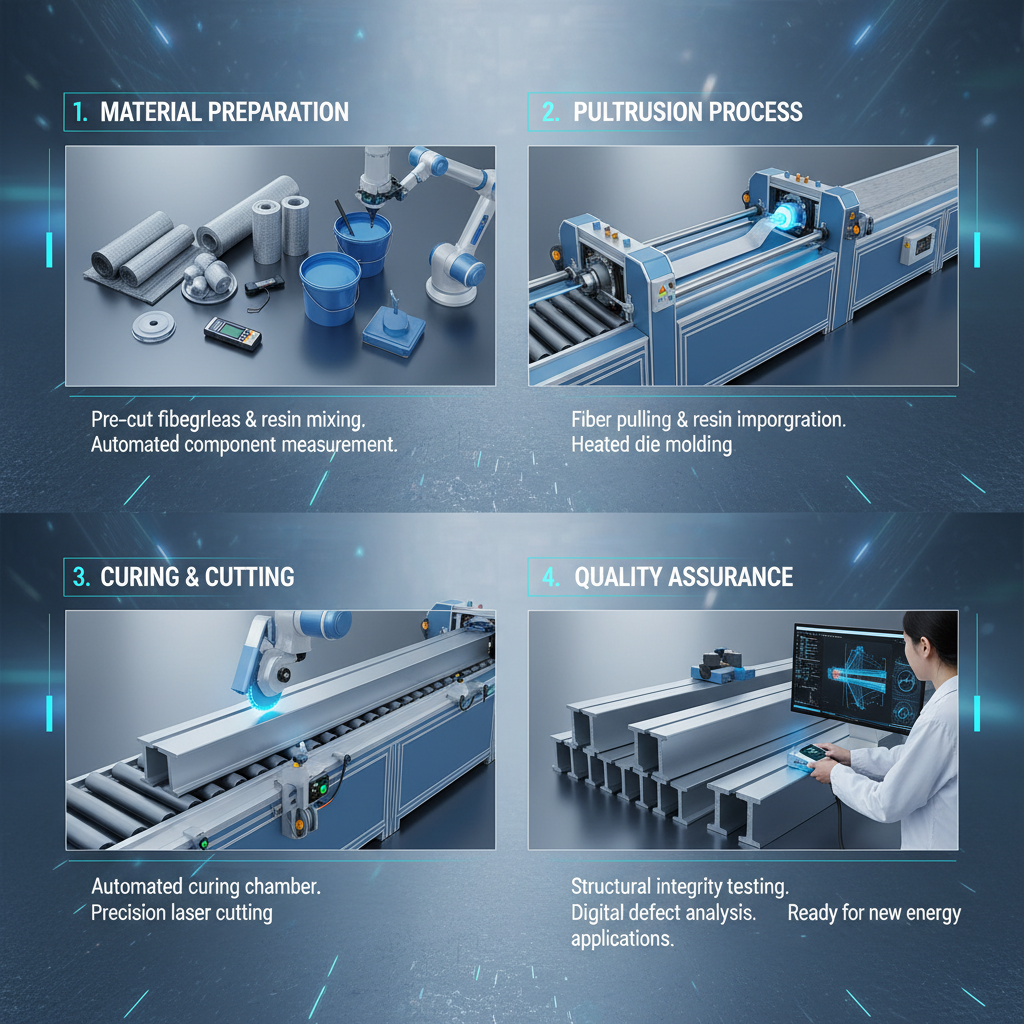
FRP I beams are structural components manufactured using a combination of reinforcing fibers (like fiberglass, carbon fiber, or basalt fiber) embedded in a polymer matrix (typically polyester, vinyl ester, or epoxy resin). This composite construction results in a beam with a high strength-to-weight ratio, making them significantly lighter than steel while maintaining comparable or even superior structural performance. The "I" shape, similar to traditional steel beams, provides excellent bending resistance. The properties of the FRP I beam can be tailored by adjusting the type and orientation of the reinforcing fibers, and the specific polymer matrix used. HBZT Composite specializes in customizing these properties to meet unique project requirements.
Key Benefits: Lightweight, Corrosion Resistant, High Strength-to-Weight Ratio, Design Flexibility, Long Service Life.
While steel I beams have been the industry standard for decades, FRP I beams offer compelling advantages in specific applications. The primary difference lies in their material composition and resulting properties. Steel is susceptible to corrosion, requiring regular maintenance and potentially leading to structural failures over time. FRP, on the other hand, is inherently corrosion-resistant, making it ideal for harsh environments. Furthermore, FRP's lighter weight simplifies installation, reduces transportation costs, and can decrease the load on supporting structures. However, steel typically has a lower initial cost, although considering life-cycle costs (including maintenance and replacement) often makes FRP a more economical choice in the long run.
Key Differences:
• Corrosion Resistance: FRP is highly resistant; Steel is susceptible.
• Weight: FRP is significantly lighter.
• Strength-to-Weight Ratio: FRP is generally higher.
• Initial Cost: Steel is typically lower, but FRP offers superior life-cycle costs.
The versatile nature of FRP I beams allows for a wide range of applications. Common uses include: structural support in bridges and walkways, marine pilings and docks (due to their saltwater resistance), chemical processing plants (where corrosion is a significant concern), wastewater treatment facilities, construction of lightweight structures, and reinforcing existing structures. HBZT Composite provides tailored FRP I beam solutions for diverse industry needs, ensuring optimal performance and longevity.
At HBZT Composite, we specialize in the design and manufacturing of custom FRP I beams tailored to your specific project requirements. We offer a wide range of fiber and resin options, allowing us to optimize the beam's properties for maximum performance. Our experienced engineers work closely with clients to understand their needs and develop solutions that meet or exceed industry standards. We utilize advanced manufacturing techniques to ensure consistent quality and dimensional accuracy. We are committed to providing innovative and reliable FRP solutions.
When specifying FRP I beams, consider the following factors: load requirements, environmental conditions (temperature, humidity, chemical exposure), desired lifespan, and cost constraints. HBZT Composite can assist with structural analysis and material selection to ensure optimal performance. Here’s a basic specification range (customization available):
FRP I beams offer a compelling alternative to traditional steel, providing superior corrosion resistance, lighter weight, and design flexibility. HBZT Composite is a leading provider of custom FRP solutions, dedicated to delivering high-quality products and expert engineering support. Invest in FRP I beams for a sustainable, durable, and cost-effective structural solution.
The key advantages of FRP I beams include superior corrosion resistance, a significantly higher strength-to-weight ratio (leading to easier installation and reduced support requirements), and design flexibility. Unlike steel, FRP doesn’t require extensive maintenance to prevent rust or corrosion, making it ideal for harsh environments like marine or chemical processing facilities. While the initial cost might be slightly higher, the long-term savings from reduced maintenance and increased lifespan often make FRP a more economical choice. HBZT Composite can help you assess the lifecycle costs for your specific application.
The temperature resistance of FRP I beams depends on the specific resin used in the composite. While standard polyester resins have a temperature limit of around 80°C, vinyl ester and epoxy resins can withstand higher temperatures. HBZT Composite offers FRP I beams engineered with high-temperature resins for applications requiring elevated thermal performance. It's crucial to specify the operating temperature range during the design phase.
Lead times for custom FRP I beam fabrication vary depending on the complexity of the design, the quantity ordered, and current production schedules. Generally, lead times range from 4 to 8 weeks. HBZT Composite provides detailed project timelines and strives to deliver products on schedule. We recommend contacting our sales team for a specific quote and estimated delivery date.
Yes, FRP I beams are exceptionally well-suited for load-bearing applications. Their high strength-to-weight ratio and excellent structural properties allow them to support significant loads while remaining lightweight. They are commonly used in bridge construction, building supports, and other demanding applications. HBZT Composite offers engineering services to ensure the FRP I beams are appropriately designed to meet the specific load requirements of your project.
Apr. 27, 2026
Benefits of Durable Concrete Fiberglass Rebar for Infrastructure
Apr. 24, 2026
High Strength and Corrosion Resistant glass fibre reinforcement bars
Apr. 23, 2026
Reliable frp walkway manufacturer for Industrial Flooring Solutions
Apr. 22, 2026
Sustainable Construction with High Strength gfrp rebars Guide

Apr. 17, 2026
Advantages and Applications of High Strength Glass Rebar
Apr. 16, 2026
The Ultimate Guide to GFRP Rebars for Modern Construction
Looking for Reliable Frp Solutions?