Mar. 26, 2026
When designing safe and durable walkways, particularly in industrial or corrosive environments, selecting the right materials is crucial. Walkway FRP grating offers a compelling solution, combining strength, corrosion resistance, and low maintenance. This article delves into the benefits, applications, and considerations for choosing FRP grating for your walkway projects. Ensuring a safe and reliable walkway system is paramount for operational efficiency and employee safety.

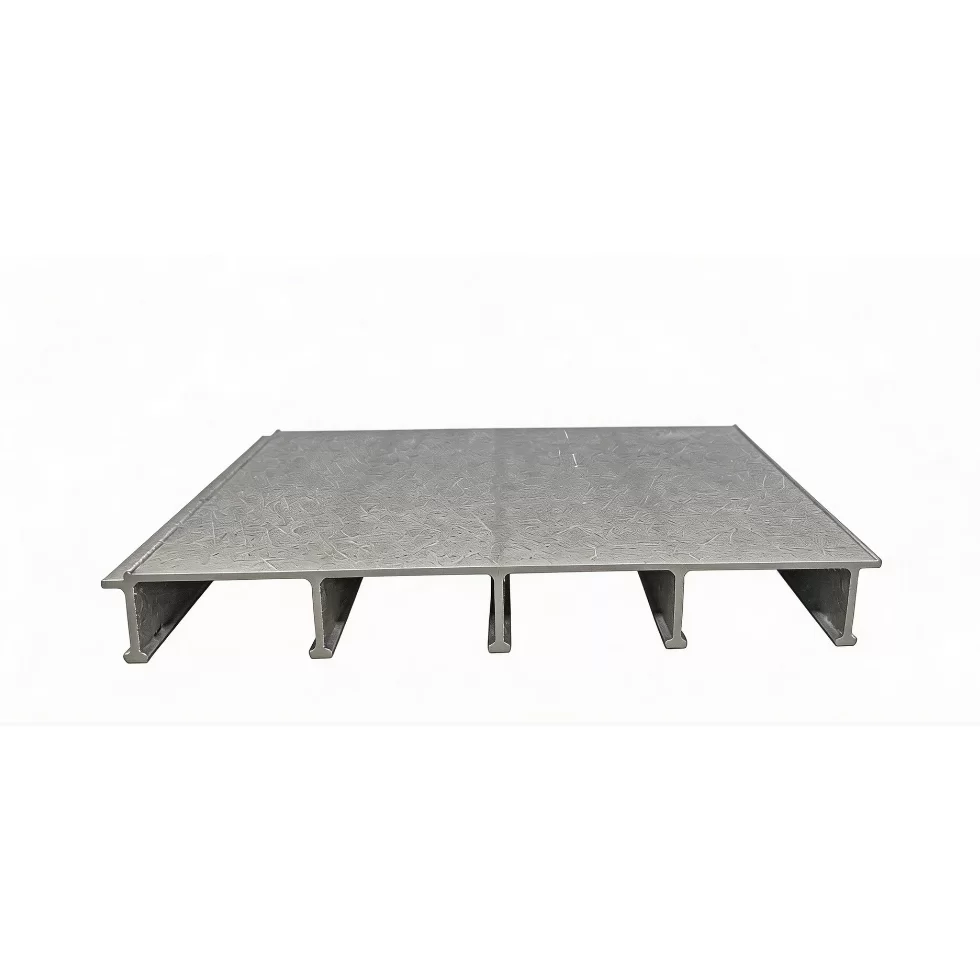
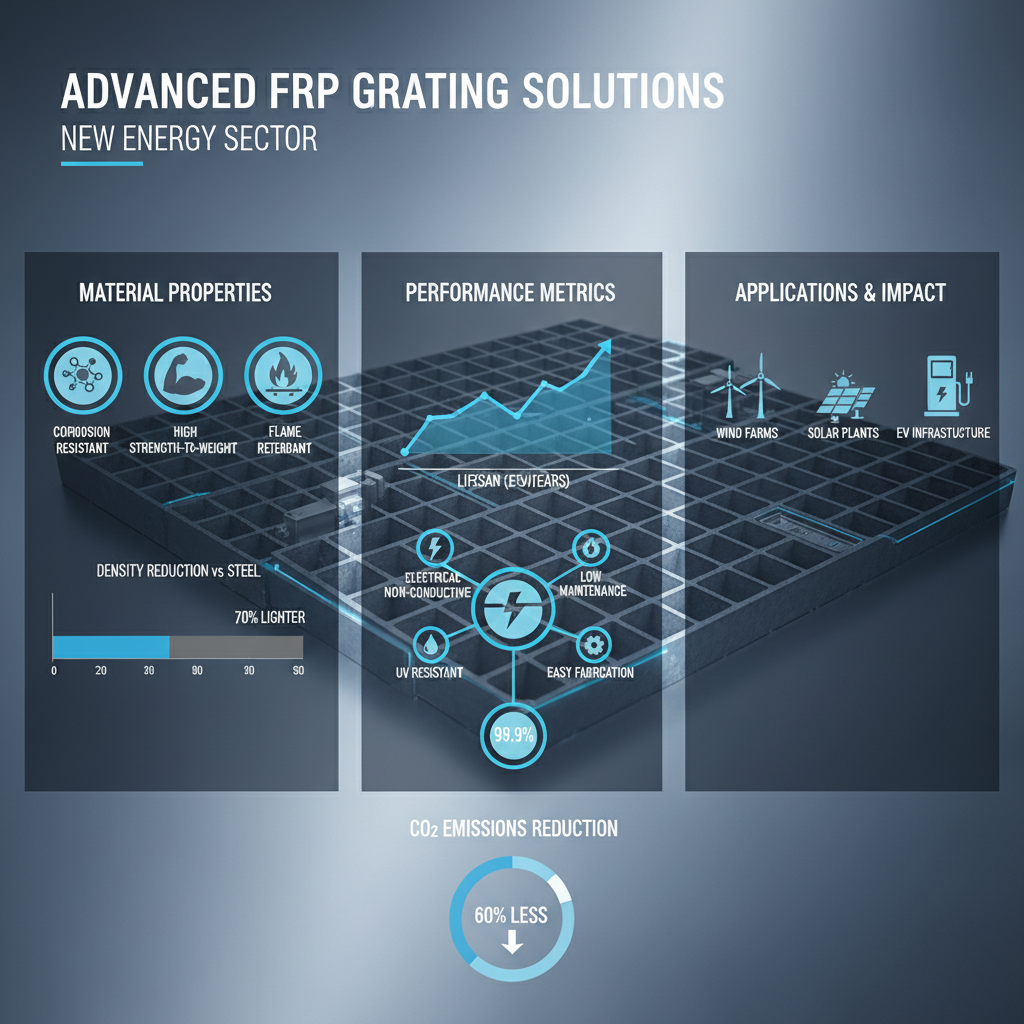
FRP (Fiber Reinforced Polymer) grating is a composite material made by combining a reinforcing fiber, such as fiberglass, with a resin matrix, typically polyester, vinyl ester, or epoxy. This combination creates a lightweight yet incredibly strong material. For walkways, FRP grating offers significant advantages over traditional materials like steel and aluminum. It's non-conductive, meaning it doesn't pose an electrical hazard, and it’s incredibly resistant to corrosion from harsh chemicals, saltwater, and other damaging substances. Choosing the right resin type is crucial depending on the specific environment – vinyl ester is often preferred for highly corrosive applications.
Key Highlights: Non-conductive, corrosion-resistant, lightweight, and requires minimal maintenance. Offers a safer and more durable solution compared to traditional materials.
The advantages of using FRP grating for walkways extend beyond its inherent strength and corrosion resistance. Installation is typically faster and easier than with steel grating, reducing labor costs. Its lightweight nature also simplifies handling and transportation. Crucially, FRP grating often requires little to no maintenance, eliminating the need for painting or rust treatment. This results in significant long-term cost savings. Furthermore, the non-slip surface of many FRP grating designs enhances safety, even in wet or oily conditions.
Key Benefits:
• Faster & Easier Installation
• Reduced Maintenance Costs
• Enhanced Safety (Non-Slip Surface)
• Lightweight for Easier Handling
While steel grating has been a traditional choice for walkways, FRP offers compelling advantages in many applications. The primary difference lies in corrosion resistance. Steel, even when galvanized or coated, is susceptible to rust and corrosion, especially in harsh environments. FRP is inherently corrosion-resistant, eliminating this concern. Steel is also significantly heavier than FRP, making installation more challenging. Furthermore, steel is electrically conductive, posing a safety risk in certain environments. The initial cost of steel may be lower, but the long-term cost of ownership, considering maintenance and replacement, often favors FRP.
The versatility of walkway FRP grating makes it ideal for a wide range of industries and applications. Common uses include: Wastewater treatment plants, chemical processing facilities, oil and gas platforms, pulp and paper mills, food and beverage processing plants, and marine environments. Anywhere exposure to corrosive substances or a need for non-conductivity exists, FRP grating offers a superior solution.
Choosing the appropriate FRP grating requires careful consideration of several factors. Load capacity is paramount – ensure the grating can safely support the expected weight. The corrosive environment should also dictate the resin type selected. Mesh size and panel thickness are other key parameters that affect strength and durability. Finally, consider the installation method and whether custom sizing or fabrication is required. HBZT Composite offers expert guidance in selecting the best FRP grating solution for your specific needs.
Investing in walkway FRP grating provides a long-term, cost-effective, and safe solution for various industrial and commercial applications. Its superior corrosion resistance, lightweight properties, and minimal maintenance requirements make it an ideal alternative to traditional materials. By choosing FRP grating, you’re not just building a walkway; you’re investing in the safety and efficiency of your operations.
The lifespan of FRP grating is significantly longer than traditional materials, often exceeding 20-30 years, depending on the environment and usage. Unlike steel, it doesn't corrode, eliminating the need for costly replacements due to rust. Factors like UV exposure and heavy loading can affect longevity, but proper resin selection and regular inspection contribute to a long service life. We recommend a periodic visual inspection to identify any potential damage or wear.
FRP grating is available in a wide range of load capacities to suit various applications. These capacities depend on the resin type, grating thickness, and mesh size. Standard load capacities can accommodate pedestrian traffic, forklifts, and other heavy equipment. HBZT Composite provides detailed load capacity specifications for all our grating products and can assist in selecting the appropriate grating for your specific load requirements.
Yes, FRP grating can be cut to size on-site using standard power tools like circular saws with appropriate blades designed for composite materials. However, it's essential to follow safety precautions, including wearing appropriate personal protective equipment, such as safety glasses and a dust mask, as cutting FRP can create fiberglass particles. It’s also important to seal the cut edges with resin to maintain the grating's structural integrity and corrosion resistance.
While FRP is not inherently fireproof, it can be formulated with fire-retardant additives to enhance its fire resistance. The flame spread and smoke development characteristics of FRP grating will vary depending on the resin type and the presence of these additives. For applications where fire safety is a critical concern, it’s essential to select FRP grating that meets relevant fire safety standards and regulations.
Apr. 27, 2026
Benefits of Durable Concrete Fiberglass Rebar for Infrastructure

Apr. 24, 2026
High Strength and Corrosion Resistant glass fibre reinforcement bars
Apr. 23, 2026
Reliable frp walkway manufacturer for Industrial Flooring Solutions
Apr. 22, 2026
Sustainable Construction with High Strength gfrp rebars Guide

Apr. 17, 2026
Advantages and Applications of High Strength Glass Rebar
Apr. 16, 2026
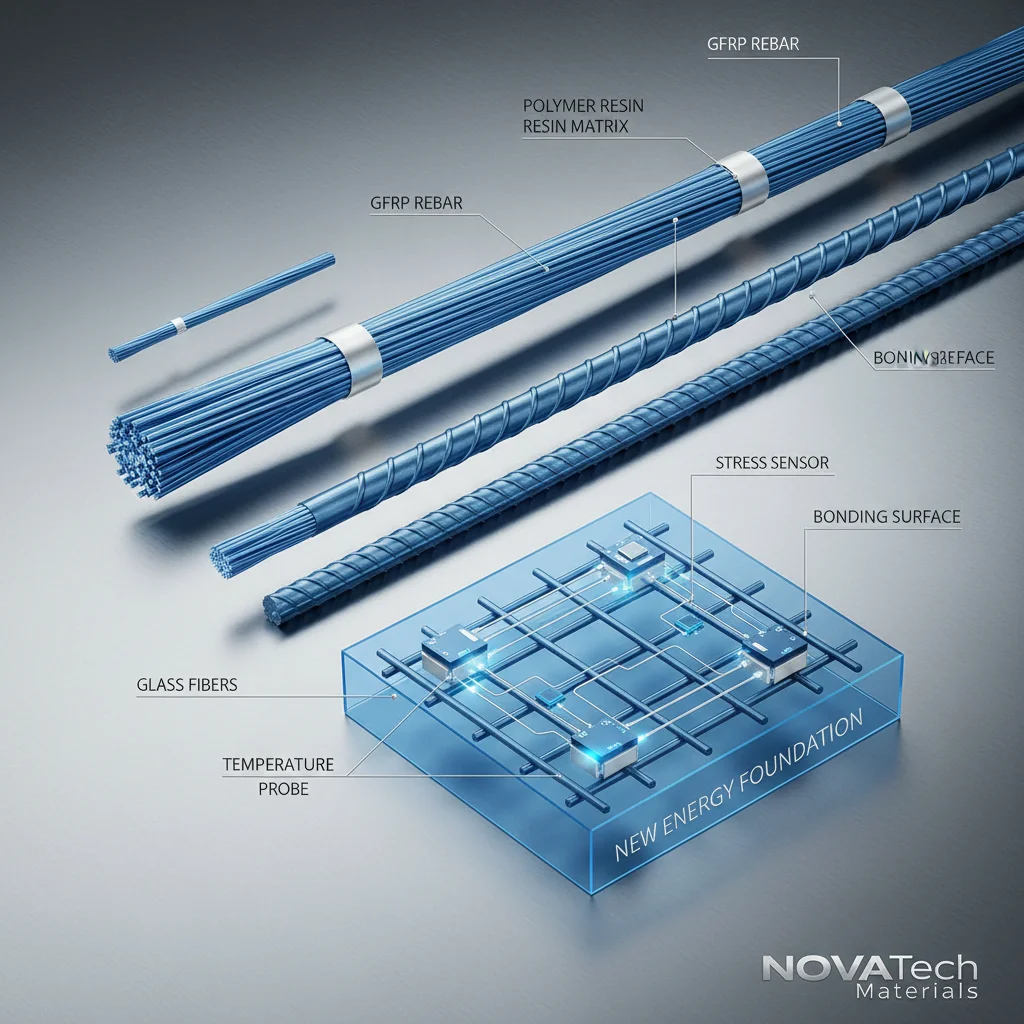
The Ultimate Guide to GFRP Rebars for Modern Construction
Looking for Reliable Frp Solutions?