Fiberglass Septic Tank Solutions for Egypt

Fiberglass Septic Tank Solutions for Egypt

Providing durable and cost-effective fiberglass solutions for infrastructure and construction in Egypt.

Fiberglass Septic Tank Solutions for Egypt

Offering a comprehensive range of fiberglass products designed to meet the unique infrastructure needs of the Egyptian market.

Current State of Fiberglass Products in Egypt

Understanding the market dynamics and challenges for fiberglass manufacturing in Egypt.

The Egyptian market for fiberglass products is experiencing growth driven by increasing infrastructure development and a need for durable, corrosion-resistant materials. Egypt's arid climate and often saline groundwater present significant challenges for traditional building materials like concrete and steel, creating a strong demand for fiberglass alternatives.

However, the industry faces challenges including the availability of raw materials, reliance on imports for specialized resins, and the need for skilled labor. Local manufacturing capacity is expanding, but competition from lower-cost imports remains a factor. The demand for fiberglass septic tank systems is particularly high due to the increasing population and the need for improved sanitation solutions in both urban and rural areas.

Government initiatives focused on sustainable development and infrastructure projects are expected to further boost the demand for fiber glass rebar and other fiberglass reinforced polymers (FRP) in construction, water management, and transportation sectors.
Evolution of Fiberglass Manufacturing in Egypt

Tracing the development of fiberglass technology and its adoption in Egypt.

Market Development History

Initially, the use of fiberglass products in Egypt was limited to niche applications like boat building and automotive components in the 1980s. The technology was largely imported, and local manufacturing capabilities were minimal.

The 1990s saw a gradual increase in awareness of the benefits of FRP materials, particularly in the construction sector. The introduction of more affordable resin systems and improved manufacturing techniques led to the establishment of small-scale fiberglass workshops.

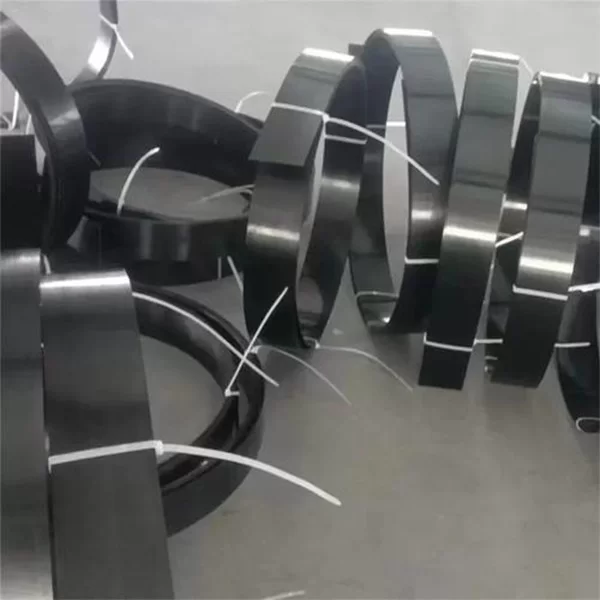
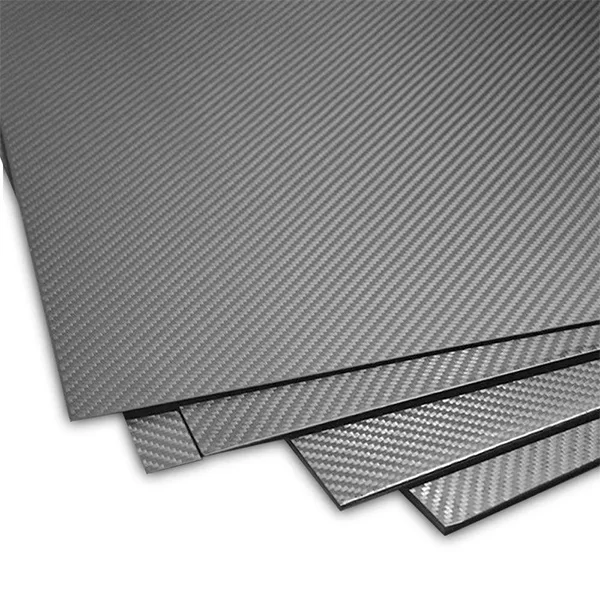
The 2000s witnessed significant growth driven by large-scale infrastructure projects. Demand for carbon fiber reinforcement in construction and the expansion of the oil and gas industry spurred investment in local fiberglass manufacturing facilities.

Future Development Trends

Advanced Resin Systems

The development and adoption of high-performance resin systems, including vinyl ester and epoxy resins, will enable the production of fiberglass products with enhanced mechanical properties and chemical resistance.

Automated Manufacturing Processes

Investment in automated pultrusion, filament winding, and resin transfer molding (RTM) technologies will improve production efficiency, reduce costs, and enhance product quality.

Sustainable Materials & Recycling

Increasing focus on sustainability will drive the development of bio-based resins and the implementation of fiberglass recycling programs. Demand for fiberglass guardrail mesh will be driven by safety regulations

Industry Trends and Future Outlook for Fiberglass in Egypt

Analyzing emerging trends and forecasting the growth potential of the fiberglass market in Egypt.

Growing Infrastructure Demand
Egypt's ongoing infrastructure projects, including new cities, transportation networks, and water treatment facilities, will drive demand for durable and corrosion-resistant fiberglass materials.
Rising Demand for Sanitation Solutions
Increased population and urbanization are driving demand for effective wastewater treatment solutions, including fiberglass septic tanks and drainage systems.
Growing Awareness of FRP Benefits
Engineers and construction professionals are increasingly recognizing the advantages of FRP materials, including high strength-to-weight ratio, corrosion resistance, and design flexibility.
Technological Advancements
Continuous advancements in fiberglass manufacturing technologies are leading to improved product performance and reduced production costs.

Industry Outlook

The Egyptian fiberglass market is projected to grow at a CAGR of 8-10% over the next 3-5 years, driven by infrastructure investments and increasing demand for sustainable building materials. The adoption of advanced FRP technologies will be key to unlocking further growth potential.

Google Trends data indicates a steady increase in search queries related to “fiberglass septic tanks Egypt” and “FRP reinforcement Egypt,” suggesting growing consumer and professional awareness of these products.

Local Application Scenarios for Fiberglass Products in Egypt

Exploring specific use cases for fiberglass materials in the Egyptian context.

1. Wastewater Treatment Systems

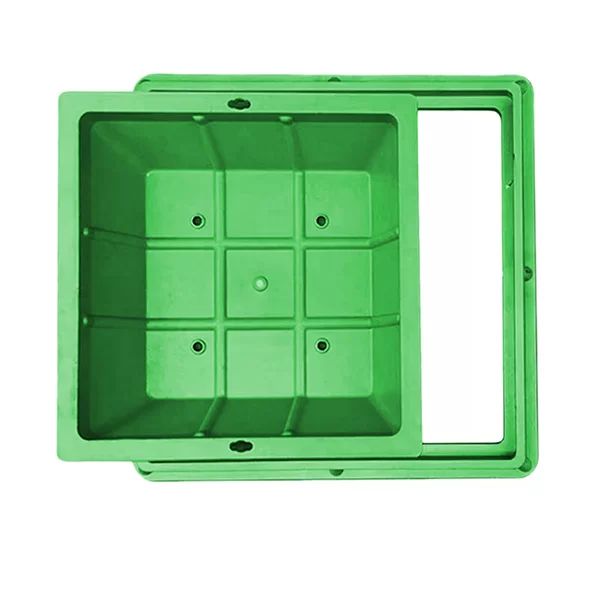
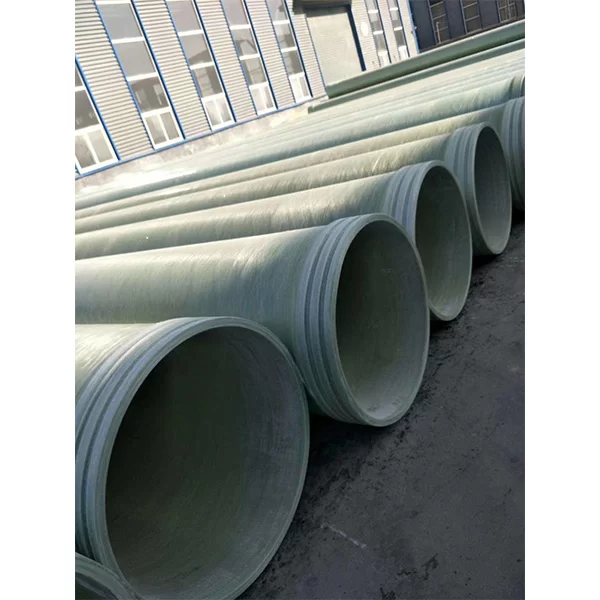
Fiberglass septic tanks are ideal for providing sanitary wastewater solutions in rural areas of Egypt where centralized sewage systems are limited. Their durability, lightweight, and corrosion resistance make them well-suited to the harsh environmental conditions.

2. Coastal Infrastructure Protection

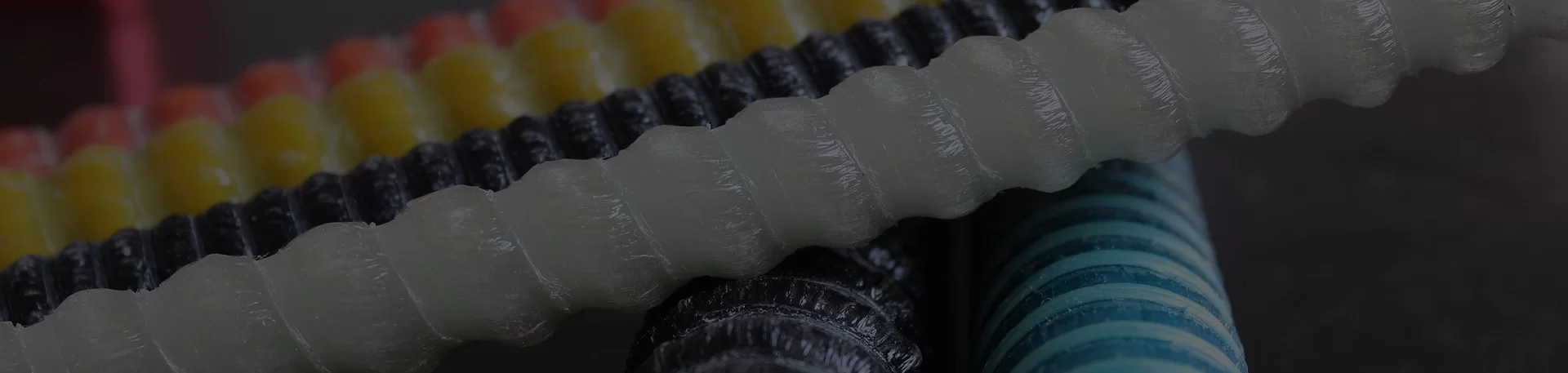
Fiberglass rebar is used to reinforce concrete structures in coastal areas to protect against saltwater corrosion. This is particularly important for ports, jetties, and seawalls.

3. Agricultural Irrigation Systems

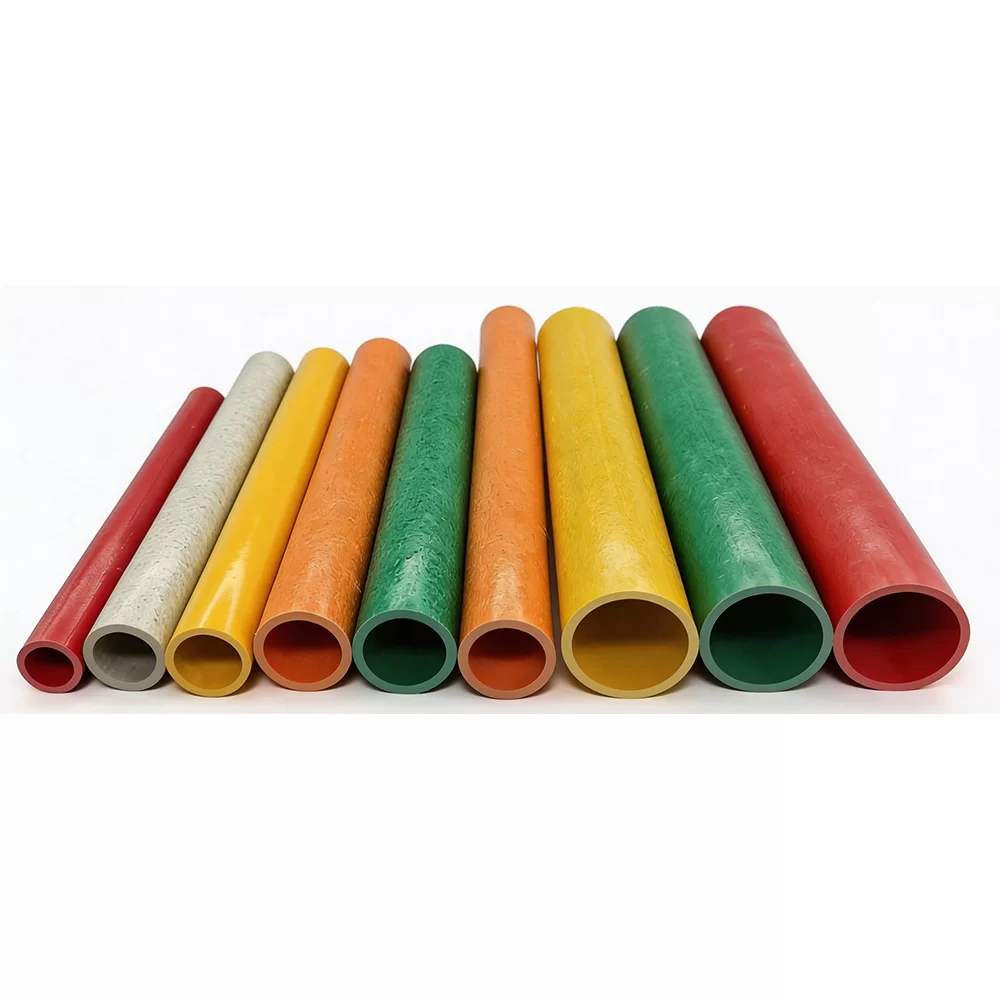
Fiberglass pipes are used in irrigation systems to deliver water efficiently to farms. Their resistance to chemicals and corrosion ensures long-term reliability in agricultural settings.

4. Road and Highway Safety Barriers

Fiberglass guardrail mesh provides a safer and more durable alternative to traditional metal barriers along highways and roads, improving safety for motorists.

Brand Story

Hebei Zhongtian Composite Materials Group Co., Ltd.’s global development journey.

Establishing a Foundation (2005-2010)

Founded in 2005, Hebei Zhongtian Composite Materials Group began as a local manufacturer focused on basic fiberglass profiles for the domestic market.

Expanding Production Capacity (2011-2015)

Investments in advanced pultrusion and filament winding equipment allowed us to significantly increase production capacity and enter new markets.

International Market Entry (2016-2018)

We expanded our reach beyond China, establishing partnerships and distribution networks in Southeast Asia and the Middle East, including Egypt.

Focus on Innovation and Sustainability (2019-Present)

We dedicated resources to research and development, focusing on eco-friendly materials and innovative FRP solutions tailored to specific industry needs.

Our Mission

To provide high-quality, durable, and cost-effective fiberglass solutions that contribute to sustainable infrastructure development and improve the quality of life for communities across the globe.

Complete Product Portfolio for the Region

A wide range of fiberglass products designed to meet the demands of the Egyptian market.

Frequently Asked Questions about Fiberglass in Egypt

Addressing common inquiries regarding fiberglass products and their applications in the Egyptian market.

What are the key benefits of using fiberglass septic tanks compared to concrete tanks in Egypt?

Fiberglass septic tanks are significantly lighter than concrete tanks, making them easier to transport and install. They are also corrosion-resistant, preventing leaks and extending their lifespan, particularly in Egypt's saline environments. Furthermore, they are waterproof and require less maintenance.

How does fiberglass rebar perform in coastal construction projects in Egypt?

Fiberglass rebar offers exceptional corrosion resistance, making it ideal for coastal construction where saltwater exposure is a major concern. It is non-conductive, reducing the risk of electrical corrosion, and has a high tensile strength, providing structural integrity.

What is the lifespan of a fiberglass guardrail mesh compared to a steel guardrail in Egyptian conditions?

Fiberglass guardrail mesh typically has a lifespan of 20-30 years or more, while steel guardrails in Egypt's harsh climate can corrode and require replacement much sooner. Fiberglass doesn't rust, reducing maintenance costs and improving safety.

Is carbon fiber reinforcement more expensive than fiberglass reinforcement, and is it always necessary?

Carbon fiber reinforcement is generally more expensive than fiberglass. It is often used in applications requiring extremely high strength-to-weight ratios or specialized performance characteristics. Fiberglass reinforcement is sufficient for many structural applications in Egypt.

What maintenance is required for fiberglass pipes used in irrigation systems?

Fiberglass pipes require minimal maintenance. Regular inspection for any physical damage is recommended. Their corrosion resistance eliminates the need for painting or coating, reducing long-term maintenance costs.

Are there any environmental concerns associated with fiberglass manufacturing or disposal in Egypt?

Proper handling and disposal of fiberglass waste are essential. Manufacturers are increasingly adopting sustainable practices, including using bio-based resins and developing recycling programs to minimize environmental impact. Regulatory compliance is important for responsible fiberglass manufacturing in Egypt.

Get in Touch with Us in Egypt

We are committed to providing high-quality fiberglass solutions for your projects in Egypt. Contact us today to discuss your needs.

Contact Us Now

If you are interested in our products, you can choose to leave your information here, and we will be in touch with you shortly.