

Providing specialized fiberglass products designed to withstand chemical corrosion and heavy structural loads.


Shifting from traditional steel and concrete to corrosion-resistant composites in municipal projects.
Ethiopia's rapid urbanization and industrial expansion have increased the demand for long-term wastewater management and structural reinforcement. Traditional materials often suffer from premature corrosion due to soil acidity and environmental stressors, leading to high maintenance costs for public utilities.
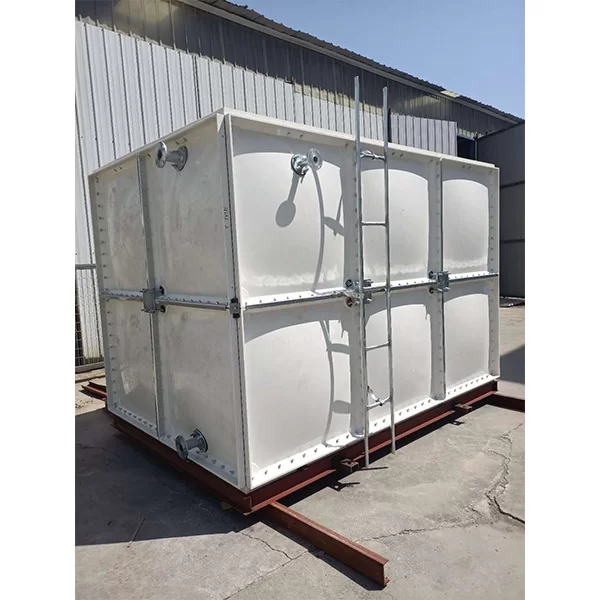
The adoption of a fiberglass septic tank system offers a viable alternative, providing superior leak-proof performance and chemical resistance compared to conventional concrete tanks, which is critical for safeguarding groundwater in developing urban areas.
For project managers and engineers in Ethiopia, this shift means reducing the frequency of structural repairs. By implementing FRP (Fiber Reinforced Polymer) technologies, the life cycle of municipal infrastructure is extended, significantly lowering the total cost of ownership for government-led environmental projects.
Tracing the shift from heavy metals to lightweight, high-strength polymers.
Heavy reliance on steel rebar and concrete, which provided strength but remained susceptible to oxidation and chemical attack.
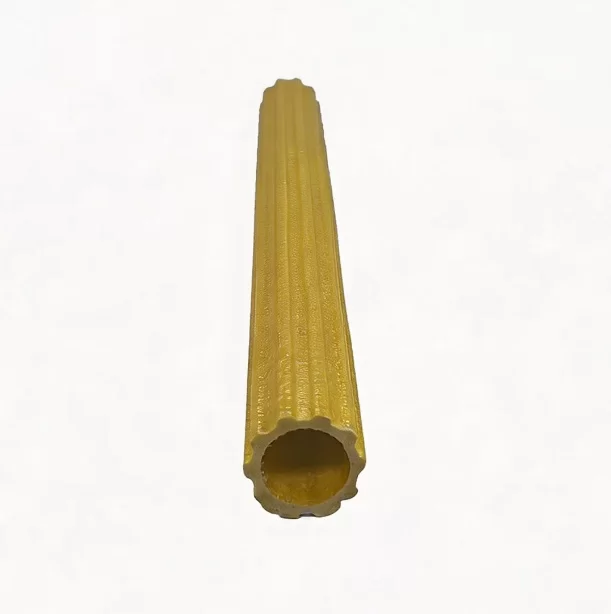
Introduction of fiber glass rebar to eliminate rust and reduce structural weight in coastal or humid environments.
Adoption of high-modulus carbon fiber reinforcement for critical repairs and high-load industrial applications.
Reducing dead load in structures allows for faster installation and lower logistics costs in Ethiopia's diverse terrain.
Increasing demand for non-metallic materials in sewage and chemical processing to prevent environmental leakage.
Preference for prefabricated FRP components that can be quickly shipped and installed on-site.
Integrating smart composites into regional development.
Transitioning toward materials that require zero painting or coating over a 50-year span.
Combining glass and carbon fibers to balance cost-efficiency with extreme load capacity.
Using pultruded profiles to reduce onsite construction time for industrial housing.
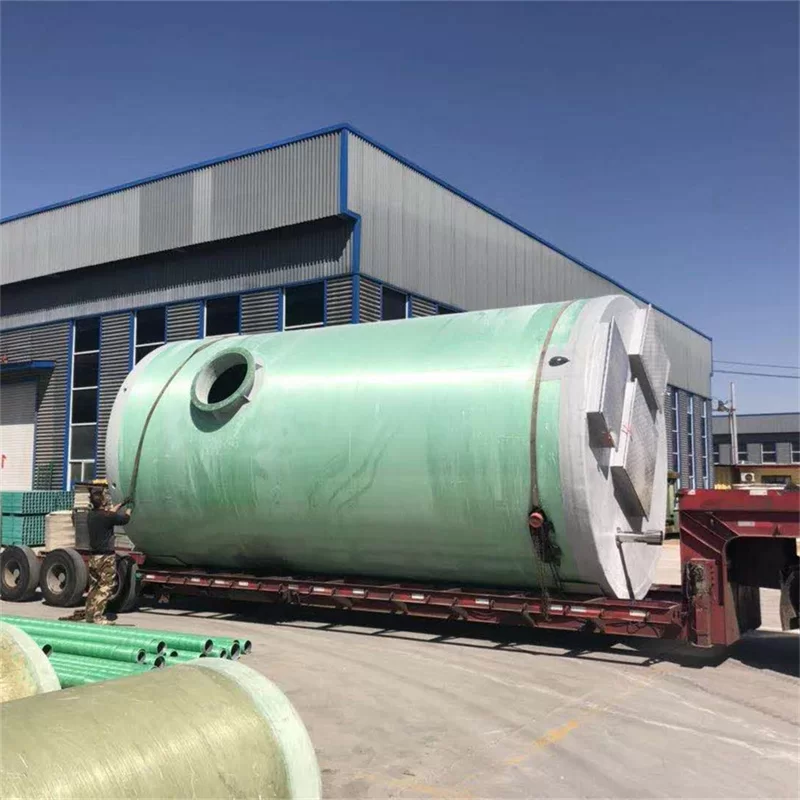
Implementing high-integrity FRP tanks to ensure zero seepage into agricultural lands.
As Ethiopia continues to invest in the South to North Water Diversion and similar large-scale projects, the role of composites becomes pivotal. The ability to resist hydrolysis and chemical attack makes FRP an essential component for ventilation ducts and pressure piping.
Procurement teams should prioritize suppliers who can provide integrated design and installation support, ensuring that composite materials are correctly interfaced with traditional concrete substrates.
Real-world solutions for regional challenges.
Deploying customized FRP deodorization tanks in rural farming hubs to treat livestock waste without risking soil contamination through seepage.
Installing fiberglass guardrail mesh around hazardous zones in manufacturing plants to provide high-visibility, non-conductive safety barriers.
Replacing corroded steel rebar with GFRP rebar in river-crossing bridges to eliminate salt-induced spalling and extend structural lifespan.
Utilizing FRP filament-wound pipes and process piping for transporting corrosive acids in textile and leather tanning industries.
Implementing integrated sewage pumping stations with FRP covers and gratings to resist the corrosive effects of hydrogen sulfide gas in municipal sewers.
Engineering excellence since 2008.
Founded as a large-scale production enterprise integrating design, production, sales, and installation, strategically located in Zaoqiang County.
Investment in FW-4000 microcomputer winding machines and BWFRP power pipe weaving equipment to enhance precision and output.
Successfully passed ISO9001:2000 quality system certification, environmental management system, and occupational health and safety certifications.
From filament-wound pipes to high-strength pultruded profiles, tailored for heavy-duty industrial use.
Expert answers for engineers and procurement teams.
Discuss your specific technical requirements for fiberglass solutions in Africa - Ethiopia with our engineering team today.
Discuss Your Requirements