The demand for durable and corrosion-resistant infrastructure materials is growing in Gambia, driven by increasing urbanization and development projects. Traditionally, concrete and metal have been the primary materials used in construction and sanitation systems. However, the inherent limitations of these materials, such as susceptibility to corrosion in the coastal environment, are driving increased interest in fiberglass products as a viable alternative. The availability of skilled labor for fiberglass manufacturing within Gambia is currently limited, relying heavily on imports.
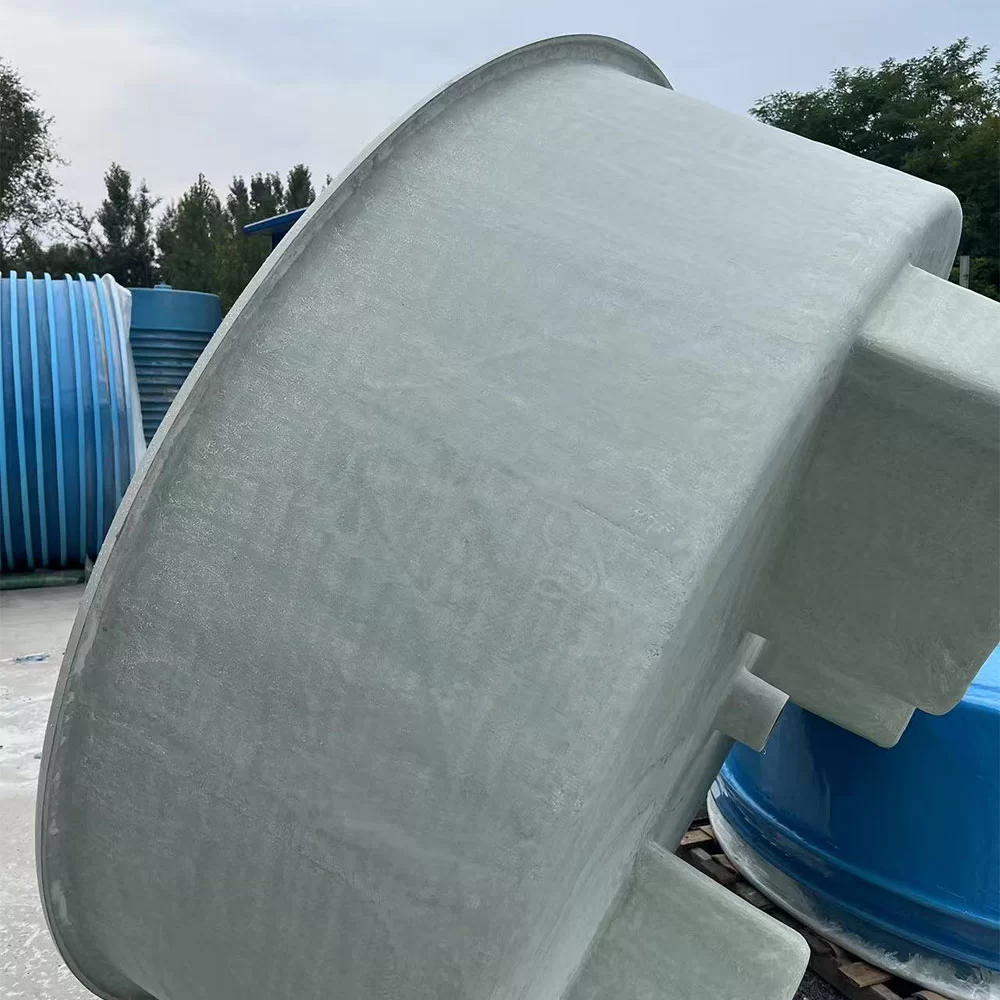
Gambia’s climate, characterized by high humidity and a rainy season, presents specific challenges for infrastructure longevity. Fiberglass septic tank systems offer a significant advantage due to their resistance to corrosion and degradation in wet conditions. However, awareness of the long-term cost savings and benefits of fiberglass products compared to traditional materials is still developing amongst consumers and contractors. Supply chain logistics and import duties also impact the affordability of these products.
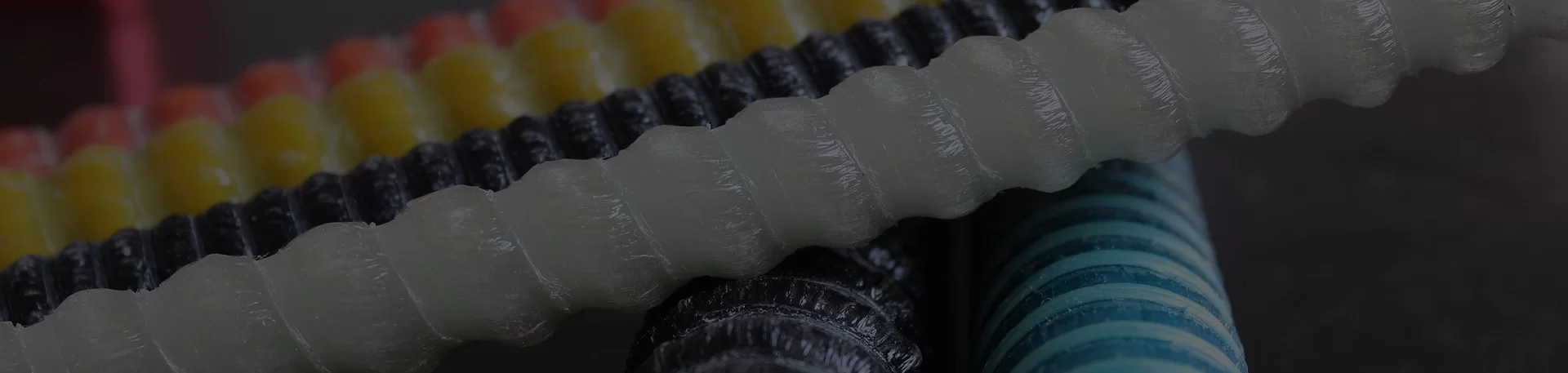
The regulatory landscape in Gambia regarding wastewater management and construction materials is evolving. Greater emphasis is being placed on sustainable and environmentally friendly solutions. Fiber glass rebar and other composite materials are beginning to gain traction as potential solutions for infrastructure projects seeking to reduce their environmental footprint. Government initiatives promoting improved sanitation and infrastructure will play a crucial role in driving the adoption of fiberglass technologies.