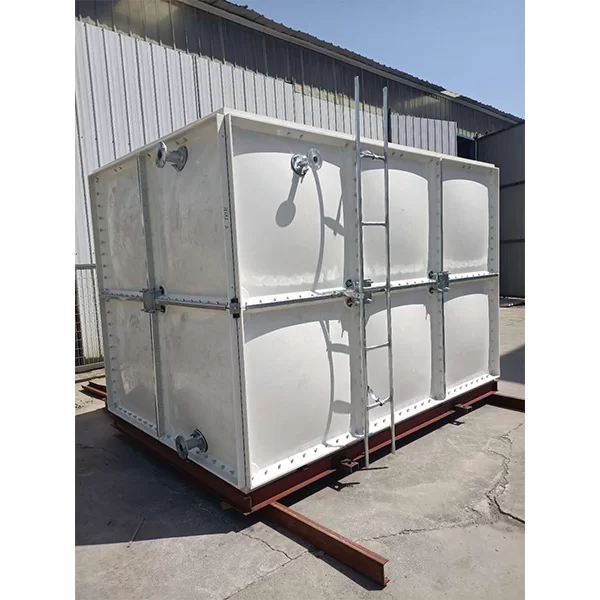
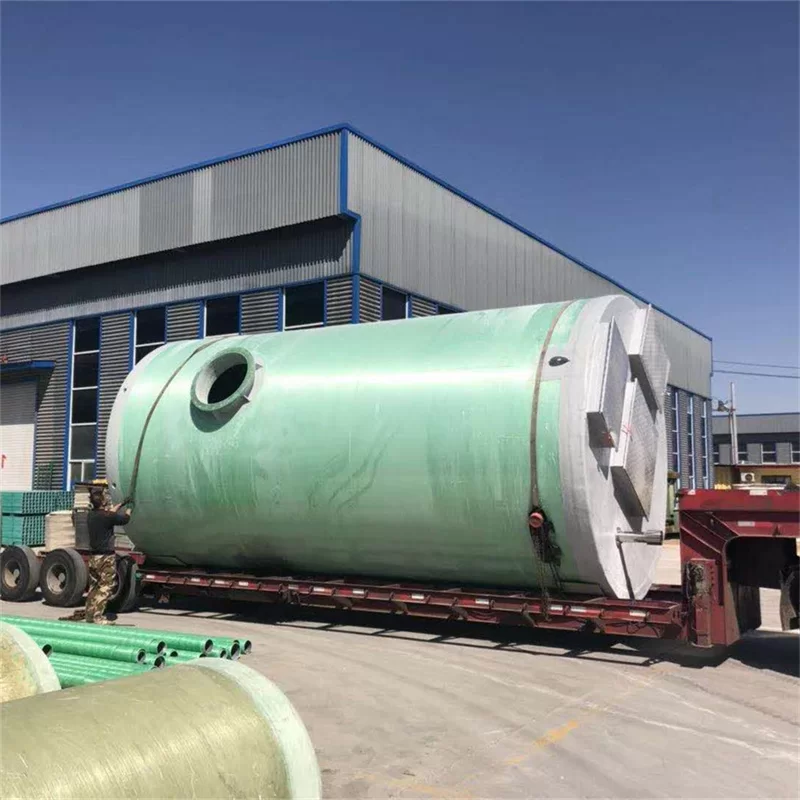
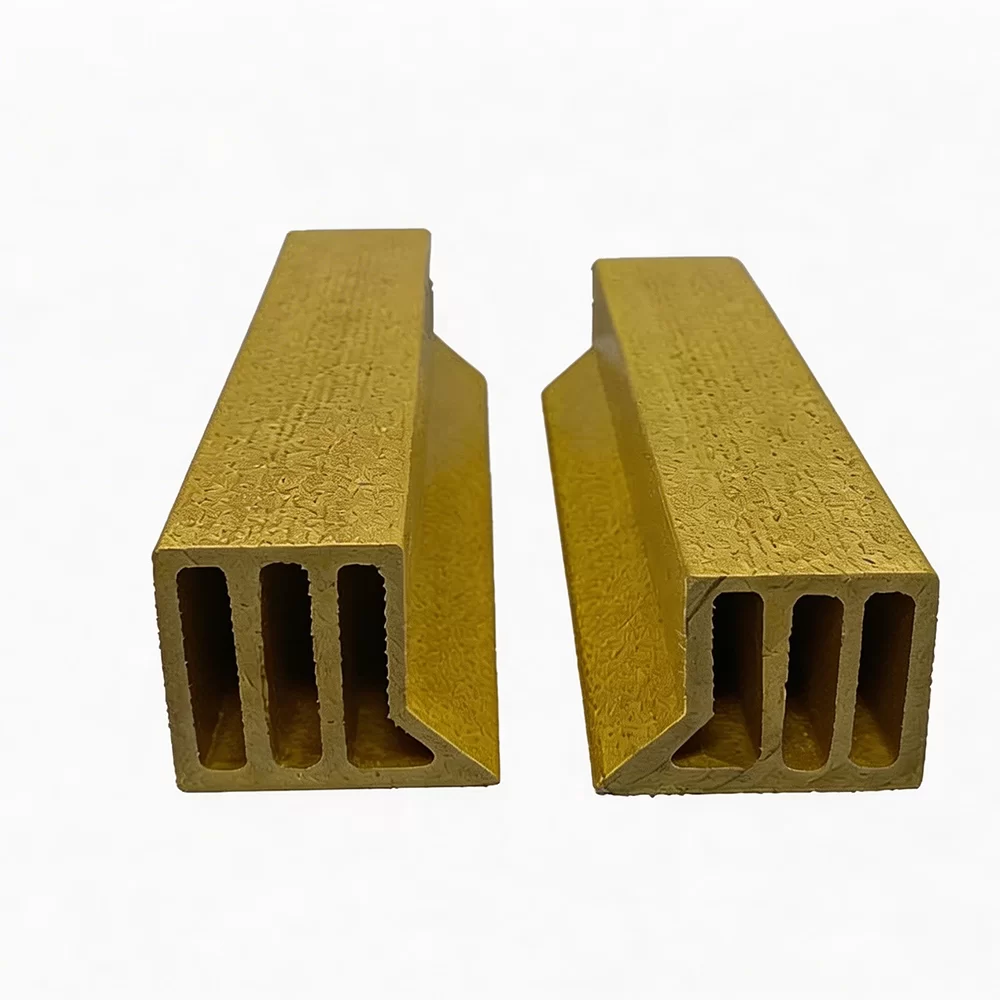
Fiberglass Septic Tank Solutions for Ghana

Fiberglass Septic Tank Solutions for Ghana

Providing durable and cost-effective fiberglass products for infrastructure and construction in Ghana.

Fiberglass Septic Tank Solutions for Ghana

Offering a comprehensive range of fiberglass products designed to meet the unique needs of the Ghanaian market, including robust septic tanks, reliable fiber glass rebar, and innovative solutions for infrastructure development.

Current State of Fiberglass Products in Ghana

Understanding the local market dynamics and challenges for fiberglass manufacturing in Ghana.

Ghana’s infrastructure development is rapidly increasing, driving demand for durable and cost-effective construction materials. Traditional materials like concrete are facing challenges in terms of longevity and resistance to the corrosive coastal environment. This creates a significant opportunity for fiberglass products, which offer superior corrosion resistance and a longer lifespan.

The Ghanaian market is currently experiencing a growing awareness of the benefits of composite materials. However, factors such as initial cost and the availability of skilled labor for installation and maintenance can pose barriers to widespread adoption. Furthermore, the import of cheaper, lower-quality alternatives from Asia presents competition for local manufacturers.

The demand for sanitation solutions, particularly fiberglass septic tank, is high due to limited access to centralized sewage systems in many parts of the country. This presents a key market opportunity for manufacturers offering reliable and affordable sanitation solutions.
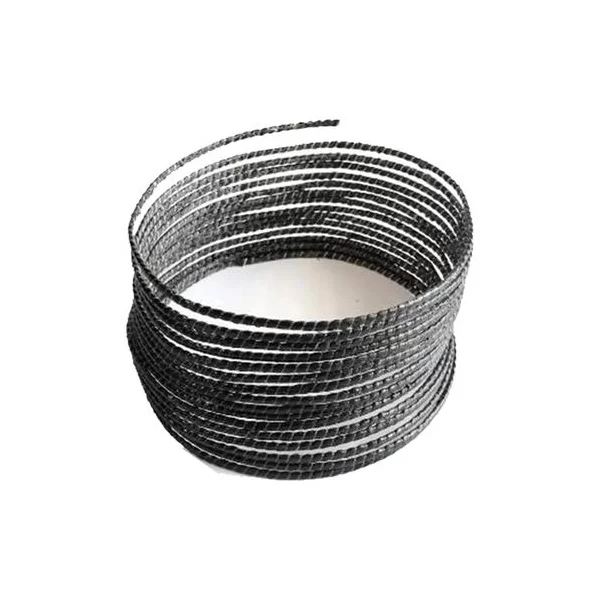
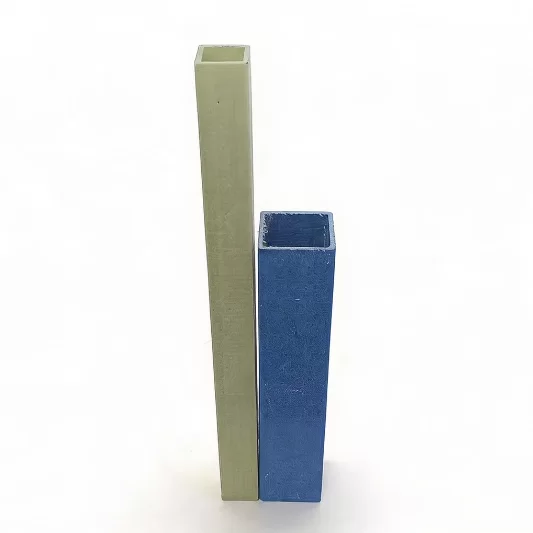
Evolution of Fiberglass Technology and Market in Ghana

Tracing the development of fiberglass technology and its adoption within the Ghanaian construction sector.

Market Development History

The initial introduction of fiberglass products in Ghana during the 1990s was limited to basic applications like boat building and water tanks. The technology was largely imported, with minimal local manufacturing capabilities. The high cost and limited availability hindered widespread adoption.

The 2000s witnessed a gradual increase in the demand for carbon fiber reinforcement and other composite materials driven by infrastructure projects and a growing construction industry. Several local companies began establishing small-scale manufacturing facilities, focusing on specific product lines like septic tanks and roofing sheets.

In recent years (2010-present), the market has seen significant growth in the adoption of fiberglass for a wider range of applications, including structural components, road barriers (using fiberglass guardrail mesh) and architectural elements. This growth is fueled by increasing awareness of the material's benefits and the emergence of more sophisticated manufacturing technologies.

Future Development Trends

Increased Use of Automation

Automation in fiberglass production will become more prevalent, reducing labor costs and improving product consistency. This will make Ghanaian manufacturers more competitive in the regional market.

Focus on Sustainable Materials

Demand for environmentally friendly fiberglass products will rise, prompting manufacturers to explore the use of recycled materials and bio-based resins.

Expansion into Niche Markets

Opportunities will emerge in specialized applications like corrosion-resistant pipelines, agricultural structures, and renewable energy components.

Industry Trends and Future Outlook for Fiberglass in Ghana

Analyzing current trends and forecasting the future of the fiberglass industry in the Ghanaian market.

Growing Demand in Infrastructure
Ghana’s ongoing infrastructure projects will continue to drive demand for durable and corrosion-resistant materials like fiberglass.
Rising Awareness of Benefits
Increasing awareness among engineers and contractors regarding the long-term cost savings and performance advantages of fiberglass.
Government Support for Local Manufacturing
Potential government incentives and policies to promote local manufacturing of composite materials.
Increased Competition
Growing number of local and international players entering the Ghanaian fiberglass market, leading to increased competition and innovation.

Industry Outlook

The fiberglass industry in Ghana is poised for continued growth over the next 3-5 years, driven by infrastructure development and increasing awareness of the material’s benefits. Focus on quality, local content, and sustainable manufacturing practices will be crucial for success.

Google Trends data indicates a rising search interest in terms like "fiberglass tanks Ghana" and “fiberglass rebar price Ghana”, suggesting growing consumer awareness and demand.

Localized Application Scenarios in Ghana

Exploring specific applications of fiberglass products tailored to the Ghanaian environment and needs.

1. Rural Sanitation Solutions

Providing affordable and durable fiberglass septic tank for communities lacking access to centralized sewage systems. These tanks offer a hygienic and environmentally friendly alternative to traditional pit latrines.

2. Coastal Protection Structures

Utilizing fiberglass composites for constructing seawalls and breakwaters to protect coastal communities from erosion and storm surges, leveraging their excellent corrosion resistance.

3. Agricultural Infrastructure

Implementing fiberglass roofing sheets and structural components in agricultural buildings such as poultry farms and storage facilities. The lightweight and durable nature of fiberglass provides a cost-effective and long-lasting solution.

4. Water Distribution Systems

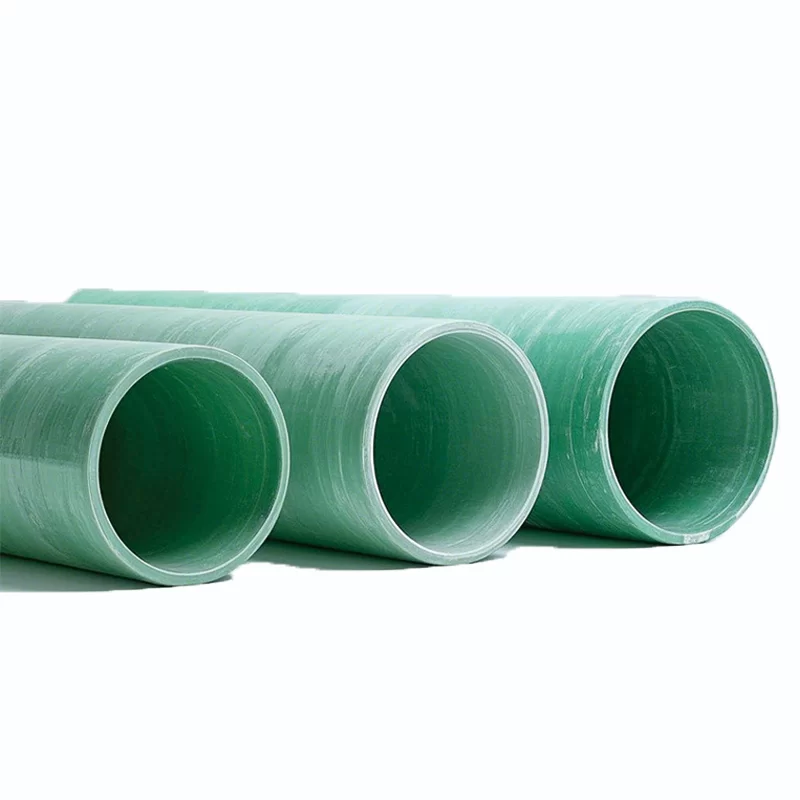
Employing fiberglass pipes for potable water distribution, offering superior resistance to corrosion and leaks compared to traditional materials like steel or concrete. These pipes are well suited for the challenging conditions present in many parts of Ghana.

Brand Story

Hebei Zhongtian Composite Material Group Co., Ltd.'s global development journey

Mission Statement

At Hebei Zhongtian, our mission is to provide durable, sustainable, and cost-effective fiberglass solutions to address the infrastructure and sanitation challenges in Ghana and beyond.

Commitment to Quality

We are dedicated to using the highest quality materials and employing advanced manufacturing techniques to ensure the reliability and longevity of our products.

Local Partnership

We aim to establish strong partnerships with local businesses and communities to support sustainable economic development in Ghana.

Innovation and Research

We are committed to continuous innovation and research to develop new and improved fiberglass solutions that meet the evolving needs of the market.

Environmental Responsibility

We prioritize environmentally responsible manufacturing practices and strive to minimize our impact on the planet.

Complete Product Portfolio for the Region

A diverse range of fiberglass products tailored to meet the specific demands of the Ghanaian market.

Frequently Asked Questions about Fiberglass Products in Ghana

Addressing common concerns and providing valuable information about fiberglass solutions in the Ghanaian context.

What is the lifespan of a fiberglass septic tank compared to a concrete tank in Ghana’s climate?

Fiberglass septic tanks typically have a lifespan of 50+ years, significantly longer than concrete tanks which are susceptible to cracking and corrosion in Ghana’s humid and corrosive environment. Fiberglass is inherently resistant to these factors.

Are fiberglass products more expensive than traditional building materials in Ghana?

While the initial cost of fiberglass might be higher, its longevity, low maintenance requirements, and resistance to corrosion result in significant long-term cost savings. This makes it a cost-effective solution over the product's lifecycle.

How does fiber glass rebar perform in Ghana’s tropical climate compared to steel rebar?

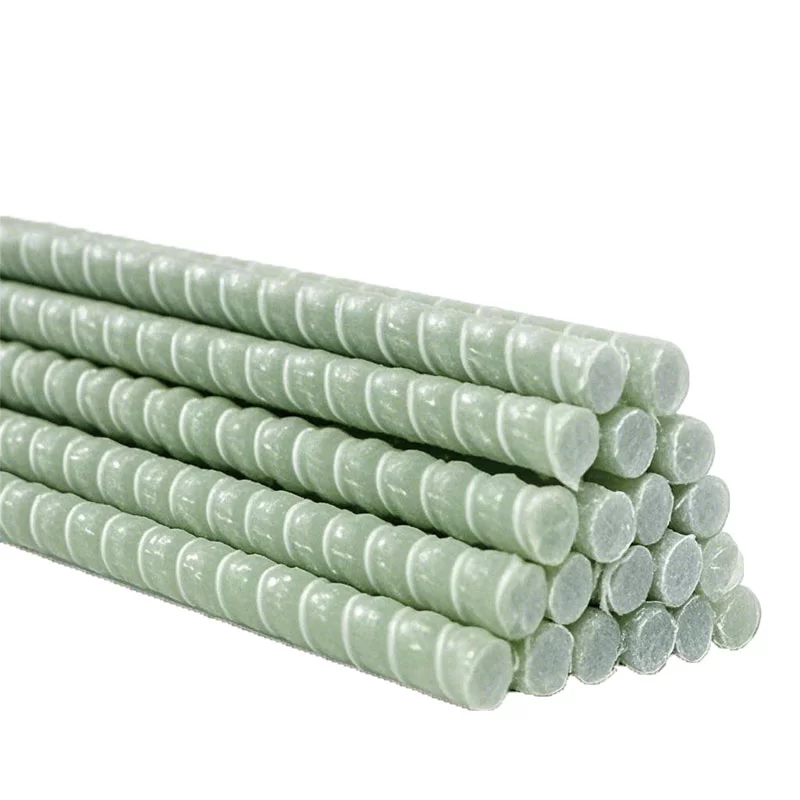
Fiberglass rebar is non-corrosive, making it ideal for Ghana's humid and salty coastal regions where steel rebar quickly rusts. This eliminates the need for costly repairs and replacements.

What are the installation requirements for fiberglass products in Ghana?

Installation procedures are generally similar to those for traditional materials, but require trained personnel who understand the specific properties of fiberglass. We provide installation guidelines and support to ensure proper implementation.

What environmental benefits do fiberglass products offer compared to other construction materials?

Fiberglass products are lightweight, reducing transportation costs and energy consumption. They also have a longer lifespan, reducing the need for frequent replacements and minimizing waste.

Do you offer customized fiberglass solutions for specific project requirements in Ghana?

Yes, we offer customized fiberglass solutions tailored to meet the unique needs of your project. Our team of engineers can work with you to design and manufacture products to your exact specifications.

Get in Touch with Us

We are committed to providing innovative fiberglass solutions for your projects in Ghana. Contact us today to learn more about our products and services.

Contact Us Now

If you are interested in our products, you can choose to leave your information here, and we will be in touch with you shortly.