Fiberglass Septic Tank Solutions for Cameroon

Fiberglass Septic Tank Solutions for Cameroon

Providing durable and cost-effective fiberglass solutions for infrastructure and sanitation in Cameroon.

Fiberglass Septic Tank Solutions for Cameroon

Offering a comprehensive range of fiberglass products tailored for the Cameroonian market, focusing on durability and cost-efficiency.

Current Status of Fiberglass Products in Cameroon

Understanding the market dynamics and challenges for fiberglass materials in Cameroon.

Cameroon, with its developing infrastructure and growing population, faces increasing demands for robust and cost-effective building materials. The country's humid climate and varying soil conditions present unique challenges for traditional construction materials, creating opportunities for fiberglass products. Currently, the adoption rate of fiberglass reinforced plastics (FRP) is relatively low, primarily due to limited awareness, higher initial costs compared to conventional materials, and a lack of specialized installation expertise.

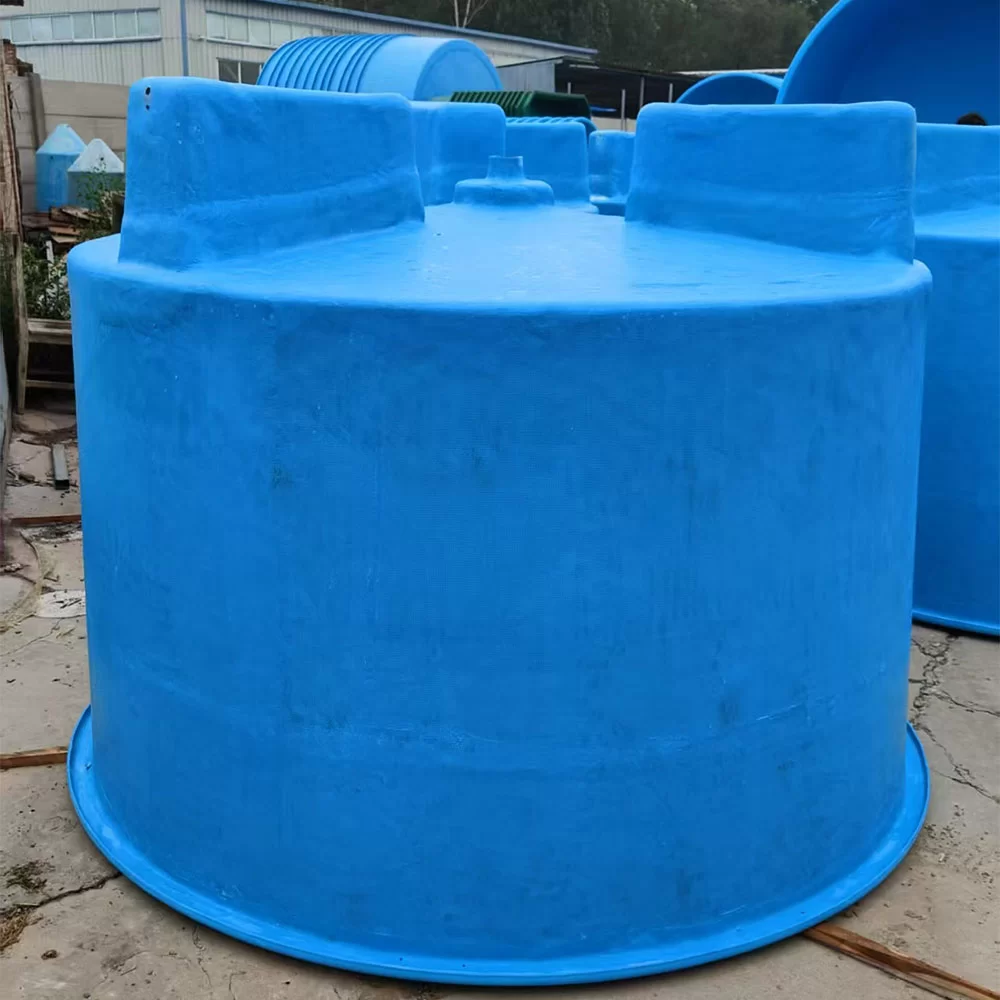
The agricultural sector in Cameroon, a significant contributor to the nation's economy, presents a substantial market for fiberglass septic tank systems, particularly in rural areas where centralized sewage infrastructure is lacking. Similarly, the coastal regions are susceptible to corrosion, making fiber glass rebar a viable alternative to steel reinforcement in concrete structures. Importation dominates the current supply chain, which causes higher costs.

However, increased government investment in infrastructure projects, coupled with a growing emphasis on sustainable construction practices, is gradually driving demand for FRP materials. The need for durable and lightweight solutions in water management, sanitation, and transportation is fueling the exploration of carbon fiber reinforcement and other advanced composite materials. Local production is still in its nascent stages.
Evolution of Fiberglass Technology in Cameroon

Tracing the historical development and future trends of fiberglass applications in the region.

Market Development History

Prior to the 2000s, the use of fiberglass in Cameroon was limited to small-scale applications such as boat building and automotive parts. The introduction of fiberglass guardrail mesh in road safety projects marked a turning point, highlighting the material's durability and cost-effectiveness. However, these projects often relied on imported materials and limited local expertise.

The mid-2000s witnessed a gradual increase in awareness regarding the benefits of FRP in infrastructure development. Pilot projects involving fiberglass septic tank systems in rural communities demonstrated their superior performance compared to traditional concrete solutions. The first small-scale local manufacturing facilities began to emerge, focusing primarily on basic FRP products.

From 2010 onwards, the adoption of fiberglass technology has been spurred by a growing focus on sustainable construction practices and the need for corrosion-resistant materials. Governmental regulations began promoting the use of FRP in specific applications, particularly in water and wastewater management. Increased collaboration between international FRP manufacturers and local businesses has facilitated technology transfer and capacity building.

Future Development Trends

Advanced Resin Systems

The development and adoption of advanced resin systems, such as vinyl ester and epoxy resins, will enhance the mechanical properties and chemical resistance of fiberglass products, making them suitable for more demanding applications.

Automation and Manufacturing Efficiency

Investing in automated manufacturing processes will improve production efficiency, reduce costs, and enhance the quality control of fiberglass products. The transition from manual lay-up techniques to automated pultrusion and resin transfer molding (RTM) will be crucial.

Sustainable Materials and Recycling

The development of bio-based resins and the implementation of effective recycling programs will address environmental concerns associated with fiberglass production and disposal. The use of recycled glass fibers as reinforcement materials will further enhance sustainability.

Industry Trends and Future Outlook for Fiberglass in Cameroon

Predicting the direction of the fiberglass market in Cameroon over the next 3-5 years.

Increasing Demand in Sanitation
Rising urbanization and inadequate sewage systems will drive demand for affordable and reliable fiberglass septic tank solutions, particularly in peri-urban and rural areas.
Infrastructure Development Focus
Government investments in road construction, bridge repairs, and water infrastructure will create opportunities for fiberglass guardrail mesh and FRP composites in corrosion protection.
Growing Agricultural Applications
The agricultural sector will increasingly adopt FRP materials for irrigation systems, storage tanks, and protective structures, benefiting from their lightweight, durability, and corrosion resistance.
Increased Use of Rebar Alternatives
Due to corrosion issues, fiber glass rebar will gain traction as a replacement for steel reinforcement in concrete structures, especially in coastal regions and areas with high salinity.

Industry Outlook

The Cameroonian fiberglass market is poised for significant growth over the next 3-5 years, driven by infrastructure development, rising sanitation needs, and a growing awareness of the benefits of FRP materials. Government support for local manufacturing and the adoption of sustainable construction practices will be crucial for accelerating market expansion. Google Trends data indicates increasing search interest in “fiberglass septic tank” and “FRP materials” in Cameroon, suggesting a growing consumer awareness.

Challenges remain, including the need for skilled labor, access to financing for local manufacturers, and the establishment of quality control standards. Overcoming these hurdles will unlock the full potential of the fiberglass industry in Cameroon and contribute to the country's sustainable development.

Localized Application Scenarios in Cameroon

Illustrating how fiberglass products can address specific needs within the Cameroonian context.

1. Rural Sanitation Solutions

Deploying fiberglass septic tank systems in rural villages lacking access to centralized sewage infrastructure. These systems provide a hygienic and sustainable solution for wastewater management, improving public health and environmental sanitation.

2. Coastal Infrastructure Protection

Utilizing fiber glass rebar in the construction of seawalls, jetties, and other coastal structures to resist corrosion from saltwater exposure. This extends the lifespan of these structures and reduces maintenance costs.

3. Road Safety Enhancements

Installing fiberglass guardrail mesh along highways and rural roads to improve road safety and reduce the risk of accidents. The lightweight and durable nature of fiberglass makes it easy to install and maintain.

4. Agricultural Water Management

Implementing FRP pipes and tanks for irrigation systems in agricultural areas, ensuring efficient water distribution and reducing water loss through leakage. Fiberglass materials offer excellent resistance to chemical corrosion and UV degradation.

5. Affordable Housing Construction

Using fiberglass composite materials in the construction of low-cost housing units, providing durable, lightweight, and cost-effective building solutions for communities with limited resources.

Brand Story

Hebei Zhongtian Composite Material Group Co., Ltd.'s global development journey

Founded on Innovation

Established in 2008, Hebei Zhongtian Composite Material Group Co., Ltd. began with a vision to revolutionize the construction industry through advanced composite materials.

Commitment to Quality

We prioritize rigorous quality control throughout our manufacturing processes, ensuring that our products meet and exceed international standards.

Global Expansion

Expanding our reach to serve diverse markets, including challenging environments like Cameroon, we tailor solutions to local needs.

Sustainable Practices

We are dedicated to environmentally responsible manufacturing, exploring sustainable materials and promoting recycling initiatives.

Partnerships for Progress

Collaborating with local businesses and communities to foster economic growth and deliver innovative solutions.

Comprehensive Product Portfolio for the Region

A range of fiberglass solutions designed to meet the unique requirements of Cameroon.

Frequently Asked Questions - Cameroon

Addressing common inquiries about fiberglass products in the Cameroonian market.

What are the long-term cost benefits of using fiberglass septic tanks compared to concrete alternatives in Cameroon?

Fiberglass septic tanks are lighter, easier to install, and have a longer lifespan than concrete tanks, reducing long-term maintenance and replacement costs. They are also corrosion-resistant, a critical factor in Cameroon’s humid climate.

How does fiberglass rebar perform in coastal construction projects in Cameroon compared to traditional steel rebar?

Fiberglass rebar is non-corrosive, making it ideal for coastal environments where steel rebar is prone to rust and deterioration. This results in significantly reduced maintenance and repair costs.

Are there any specific regulations or standards governing the use of fiberglass products in infrastructure projects in Cameroon?

While specific regulations are evolving, Cameroon is increasingly adopting international standards for construction materials. It’s essential to verify compliance with relevant local building codes and engineering specifications.

What is the typical lifespan of a fiberglass guardrail mesh system installed in a high-traffic area in Cameroon?

A properly installed fiberglass guardrail mesh system can have a lifespan of 20-30 years, significantly longer than traditional steel guardrails, due to its corrosion resistance and impact strength.

How does the weight of fiberglass products compare to traditional materials like concrete and steel, and what are the implications for transportation and installation costs?

Fiberglass is significantly lighter than concrete and steel, reducing transportation costs and simplifying installation. This is particularly beneficial in remote areas of Cameroon with limited infrastructure.

What level of skilled labor is required for the successful installation of fiberglass composite structures in Cameroon?

While fiberglass installation is generally less labor-intensive than traditional methods, some specialized training is recommended to ensure proper handling, cutting, and fastening techniques. We offer training resources to support our customers.

Get in Touch with Us

Ready to discuss your project in Cameroon? Contact us today to explore how our fiberglass solutions can benefit your business.

Contact Us Now

If you are interested in our products, you can choose to leave your information here, and we will be in touch with you shortly.