Fiberglass Septic Tank Solutions for Kenya

Fiberglass Septic Tank Solutions for Kenya

Providing Durable and Cost-Effective Fiberglass Products for Infrastructure and Construction in East Africa

Fiberglass Septic Tank Solutions for Kenya

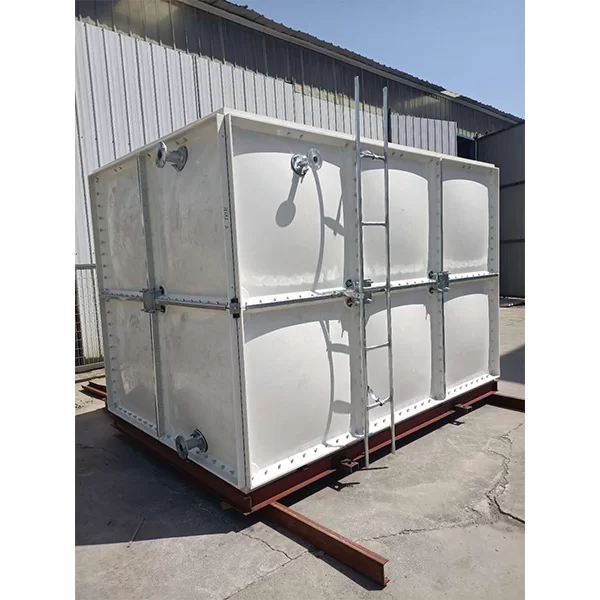
Offering advanced fiberglass septic tank systems designed for the unique environmental and infrastructural needs of Kenya.

Current Market Landscape for Fiberglass Products in Kenya

Analyzing the adoption and demand for fiberglass materials in Kenya's construction and infrastructure sectors.

Kenya's growing population and rapid urbanization are driving increased demand for robust and affordable infrastructure solutions. Traditional materials like concrete are facing challenges related to durability and cost-effectiveness, creating an opportunity for fiberglass products. The country's climate, characterized by distinct wet and dry seasons, necessitates materials resistant to corrosion and weathering.

The Kenyan construction industry is experiencing significant investment in housing, commercial buildings, and public infrastructure projects. This expansion has fueled the need for innovative materials that can expedite construction timelines and reduce lifecycle costs. Fiberglass septic tank systems, in particular, are gaining traction as a sustainable and hygienic sanitation solution.

However, market penetration is influenced by factors such as awareness levels, initial investment costs, and the availability of skilled labor for installation and maintenance. Government initiatives promoting sustainable development and improved sanitation standards are expected to further boost demand for fiber glass rebar and other fiberglass-based materials.
Evolution of Fiberglass Technology and its Adoption in Kenya

Tracing the development of fiberglass materials and their increasing relevance to Kenyan infrastructure projects.

Market Development History

The use of fiberglass reinforced plastics (FRP) began gaining prominence globally in the 1950s as a lightweight and corrosion-resistant alternative to traditional materials. Initial applications focused on marine and automotive industries. In the 1980s and 90s, advancements in resin technology and manufacturing processes led to increased use in construction and infrastructure.

The introduction of carbon fiber reinforcement in the early 2000s further enhanced the strength-to-weight ratio of FRP composites, opening up new applications in high-performance structures. Kenya’s initial exposure to fiberglass materials was primarily through imported products used in niche applications, such as boat building and water tanks.

Over the past decade, local manufacturing of fiberglass products has started to emerge in Kenya, driven by increasing demand and a growing awareness of the benefits of FRP materials. Government support for local industries and skills development initiatives are contributing to the growth of the domestic fiberglass sector.

Future Development Trends

Enhanced Resin Systems

Research and development efforts are focused on developing more durable and environmentally friendly resin systems, including bio-based and recyclable options. This will address sustainability concerns and reduce the environmental footprint of fiberglass products.

Automation and Manufacturing Efficiency

Automation technologies, such as robotic fiber placement and automated pultrusion, are being implemented to improve manufacturing efficiency and reduce production costs, making fiberglass products more competitive.

Smart Composites and Integration with IoT

The integration of sensors and monitoring systems into fiberglass structures is enabling the development of "smart composites" that can provide real-time data on structural health and performance. This will facilitate predictive maintenance and enhance the longevity of infrastructure assets.

Industry Trends and Future Outlook for Fiberglass in Kenya

Exploring the emerging trends and potential growth opportunities for fiberglass products in the Kenyan market.

Growing Demand for Sustainable Solutions
Kenya is increasingly focused on sustainable infrastructure development, creating opportunities for eco-friendly fiberglass products like septic tanks and water storage solutions.
Infrastructure Investment
Ongoing investments in roads, bridges, and water infrastructure will drive demand for durable and corrosion-resistant materials like fiberglass guardrail mesh.
Rising Construction Activity
Kenya’s booming construction sector, particularly in residential and commercial development, will fuel demand for lightweight and easy-to-install fiberglass components.
Cost-Effectiveness and Durability
Fiberglass products offer a compelling combination of cost-effectiveness, durability, and low maintenance, making them an attractive alternative to traditional materials.

Industry Outlook

The Kenyan fiberglass market is poised for substantial growth in the coming years, driven by increasing infrastructure investment, a growing emphasis on sustainability, and the rising demand for cost-effective building materials.

Manufacturers and suppliers who can provide high-quality products, technical expertise, and localized support will be well-positioned to capitalize on these opportunities. Furthermore, partnerships with local construction firms and government agencies will be crucial for expanding market reach and establishing a strong presence in Kenya.

Localized Applications of Fiberglass Products in Kenya

Exploring practical applications of fiberglass materials tailored to the Kenyan context.

1. Rural Sanitation Solutions

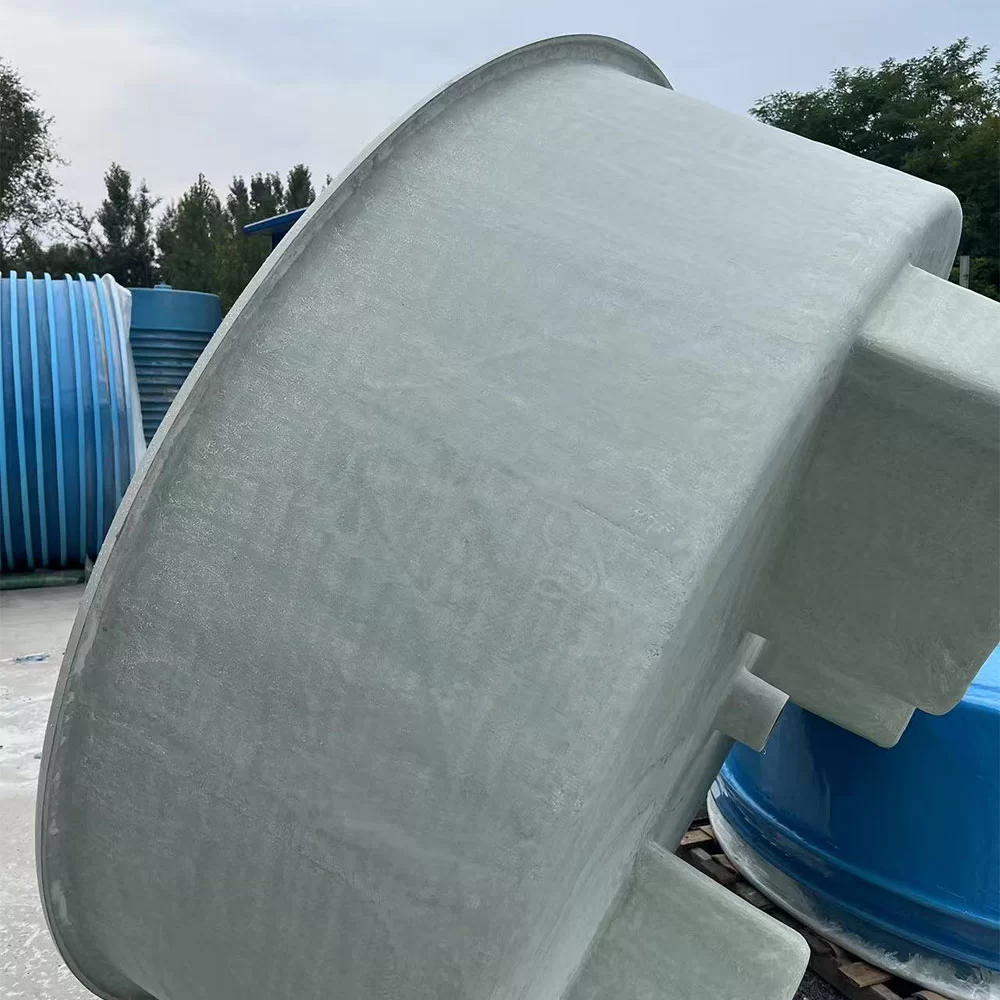
Providing affordable and hygienic fiberglass septic tank systems for rural communities lacking access to centralized sewage infrastructure. These tanks are lightweight, easy to transport and install, and offer superior corrosion resistance compared to concrete alternatives.

2. Agricultural Water Management

Utilizing fiberglass-reinforced plastic (FRP) materials for the construction of water storage tanks, irrigation pipelines, and agricultural reservoirs. These systems provide a reliable and durable solution for water management in Kenya’s diverse agricultural regions.

3. Coastal Infrastructure Protection

Employing fiberglass guardrail mesh and other FRP composites for the protection of coastal infrastructure from saltwater corrosion. This is particularly important in areas exposed to harsh marine environments.

4. Affordable Housing Construction

Incorporating fiber glass rebar and other fiberglass components in the construction of affordable housing units. The lightweight nature of these materials reduces transportation costs and simplifies the building process, making housing more accessible to low-income communities.

5. Road Rehabilitation

Utilizing fiberglass-reinforced polymer (FRP) composites for the repair and rehabilitation of damaged roads and bridges, offering a faster and more cost-effective solution compared to traditional reconstruction methods.

Brand Story

Hebei Zhongtian Composite Material Group Co., Ltd.'s global development journey

Innovation in Composite Materials

Founded in 2005, Hebei Zhongtian Composite Material Group Co., Ltd. began as a pioneer in the research and development of advanced fiberglass composites.

Expanding Production Capacity

In 2012, we significantly expanded our production facilities, incorporating state-of-the-art manufacturing technologies to meet growing demand.

Global Market Entry

2015 marked our entry into international markets, establishing partnerships with distributors and clients across Africa and Asia.

Focus on Sustainable Solutions

We are committed to developing eco-friendly fiberglass products that contribute to sustainable infrastructure development and environmental protection.

Dedicated to Customer Satisfaction

Our mission is to provide exceptional quality, reliable performance, and outstanding customer service to clients worldwide.

Complete Product Portfolio for the Region

Discover our comprehensive range of fiberglass products tailored to meet the specific needs of the African market.

Frequently Asked Questions about Fiberglass Products in Kenya

Addressing common concerns and inquiries regarding the application of fiberglass materials in the Kenyan market.

What are the primary benefits of using fiberglass septic tanks compared to traditional concrete tanks in Kenya?

Fiberglass septic tanks are significantly lighter than concrete tanks, making them easier and more cost-effective to transport and install. They are also highly resistant to corrosion, cracking, and leakage, offering a longer lifespan and reduced maintenance requirements.

How does the use of fiber glass rebar improve the durability of concrete structures in Kenya’s climate?

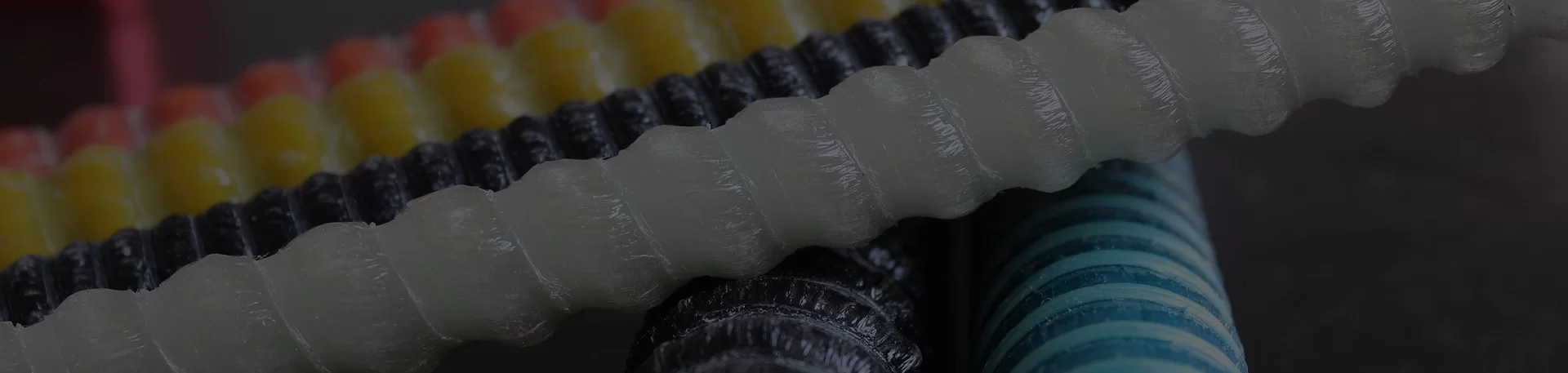
Fiberglass rebar is non-corrosive, unlike steel rebar, which is susceptible to rust in humid and coastal environments. This eliminates the risk of concrete spalling and structural weakening, extending the lifespan of buildings and infrastructure.

What is the expected lifespan of a fiberglass guardrail mesh system installed along Kenyan highways?

Fiberglass guardrail mesh systems typically have a lifespan of 20-30 years, significantly longer than traditional steel systems. They are also less prone to damage from impacts and corrosion, reducing maintenance and replacement costs.

Is carbon fiber reinforcement a cost-effective solution for strengthening existing concrete structures in Kenya?

While carbon fiber reinforcement has a higher upfront cost, it offers superior strength-to-weight ratio and durability compared to traditional strengthening methods. This can result in significant long-term cost savings due to reduced maintenance and extended structural lifespan.

What are the environmental benefits of using fiberglass products over traditional materials in construction?

Fiberglass products are lightweight, reducing transportation costs and fuel consumption. They also require less energy to manufacture and have a longer lifespan, minimizing waste and environmental impact. Additionally, some fiberglass products can be recycled.

Where can I find qualified installers for fiberglass septic tank systems in Kenya?

We maintain a network of certified installers across Kenya who are trained in the proper installation and maintenance of our fiberglass septic tank systems. Please contact us for a list of installers in your region.

Get in Touch with Us

We are here to provide expert advice and support for your fiberglass product needs in Kenya.

Contact Us Now

If you are interested in our products, you can choose to leave your information here, and we will be in touch with you shortly.