


Environmental stressors in North Africa demand materials that move beyond traditional steel and concrete to ensure long-term structural integrity.
Libya's extensive Mediterranean coastline exposes concrete structures to high chloride levels, causing rapid oxidation of steel reinforcement and subsequent structural spalling.
Severe temperature fluctuations between day and night in desert regions cause traditional materials to expand and contract, leading to fatigue cracks in piping and tanks.
High salinity and sulfur content in various regional soil profiles degrade standard sewage systems, necessitating highly inert materials like a fiberglass septic tank.
Transporting heavy steel components to remote oil fields or municipal sites increases project overhead and requires heavy machinery for installation.
Conventional metal pipes and guardrails require frequent painting and anti-corrosion treatments to remain functional, resulting in high operational expenditure.
Traditional reinforcement often fails under the combined stress of heavy industrial loads and environmental degradation, shortening the lifecycle of municipal works.
Replacing vulnerable materials with high-strength Glass Fiber Reinforced Polymer (GFRP) to ensure lifelong performance.
Our fiber glass rebar is inherently immune to chloride attack, eliminating rust and extending the service life of coastal bridges and piers.
Utilizing low-coefficient thermal expansion resins, our FRP products maintain dimensional stability despite the extreme heat of the Libyan desert.
FRP filament-wound storage tanks and sewage systems provide a total barrier against aggressive chemicals, preventing groundwater contamination and soil leaks.
GFRP components offer a high strength-to-weight ratio, significantly reducing shipping costs and enabling faster manual installation in remote areas.
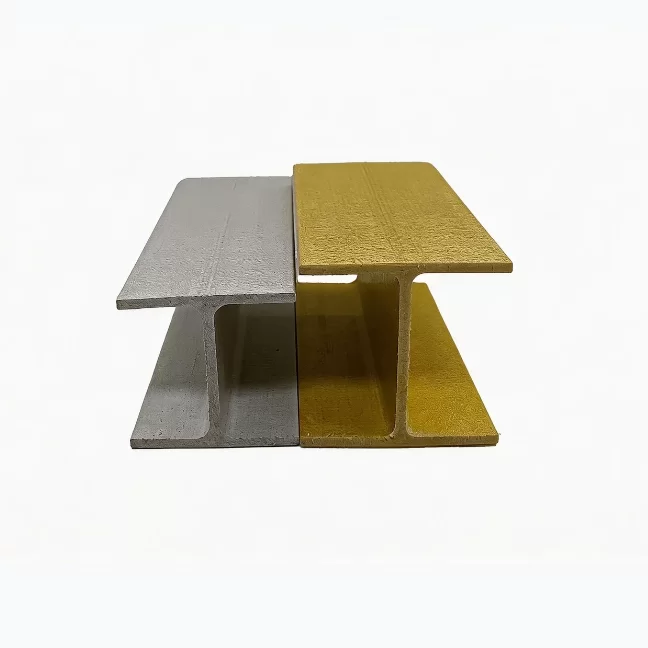
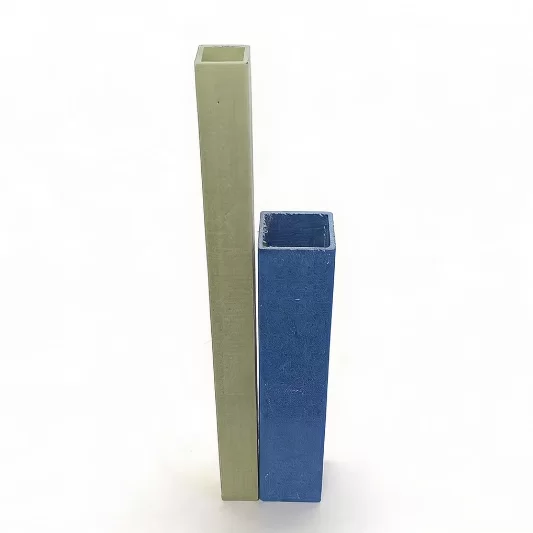
Our fiberglass guardrail mesh and pultruded profiles require no painting or coating, permanently resisting weathering and UV degradation.
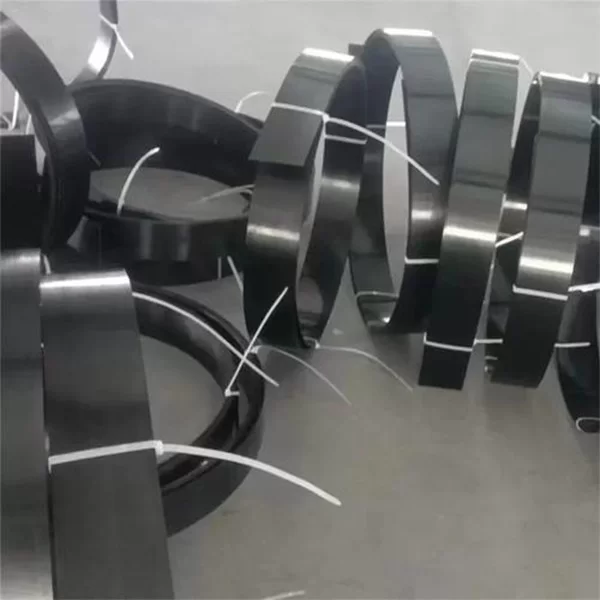
For critical structural upgrades, carbon fiber reinforcement provides unmatched tensile strength for seismic retrofitting and load enhancement.

Our manufacturing excellence is backed by precision equipment and international quality standards.
Evaluating the shift from conventional metallurgy to high-durability polymers in North African infrastructure.
The Libyan industrial landscape is characterized by a critical need for infrastructure rehabilitation and new development in the energy and water sectors. Due to the combination of high humidity in coastal cities like Tripoli and Benghazi, and the alkaline, sandy environments of the interior, traditional steel reinforcement in concrete suffers from accelerated carbonation and chloride penetration. This has led to a growing demand for fiberglass products that provide permanent immunity to these environmental catalysts, ensuring that municipal investments last for decades without systemic failure.
Current market trends indicate a transition toward "Life-Cycle Costing" (LCC) rather than simply focusing on initial procurement costs. Engineers and procurement officers in Libya are increasingly recognizing that while GFRP may have a different initial cost profile, the elimination of painting, cathodic protection, and frequent structural repairs makes it the more economical choice. The adoption of pultrusion and filament-winding technologies allows for the creation of bespoke piping and tank systems that can be shipped in sections and assembled on-site, overcoming the logistical hurdles of the region.
The outlook for the Libyan composite market is closely tied to the modernization of wastewater treatment and desalination plants. As the region seeks to improve water security, the demand for corrosion-resistant process piping and integrated sewage pumping stations is expected to rise. However, the main constraint remains the need for certified materials that meet international standards like ISO9001. By providing certified, high-strength composites, companies can bridge the gap between outdated construction methods and modern, sustainable engineering practices.
Tracing the transition from simple plastics to high-performance engineered composites.
The shift from hand-layup to FW-4000 microcomputer controlled winding has drastically reduced human error, ensuring uniform wall thickness in pressure pipes and tanks, which is critical for safety in high-pressure oil and gas environments.
The industry is moving toward combining glass and carbon fibers to optimize the strength-to-cost ratio, allowing engineers to use carbon fiber for high-stress points while utilizing glass fiber for bulk volume.
Modern composite manufacturing now emphasizes low-VOC resins and recyclable thermoplastic alternatives to meet global environmental management system certifications and reduce the industrial footprint.
How innovation in composite chemistry and manufacturing is redefining infrastructure longevity.
Integration of fiber-optic sensors within GFRP rebar to provide real-time structural health monitoring, alerting operators to stress or deformation before visible cracks appear.
Development of nano-modified resins that increase the interlaminar shear strength of composites, making them more resistant to impact and extreme pressure spikes in industrial piping.
A move toward fully integrated, prefabricated FRP modules (such as complete sewage pumping stations) that reduce on-site construction time and eliminate local labor errors.
Increasing focus on the recyclability of glass fiber products, utilizing new chemical processes to recover fibers from end-of-life tanks and profiles for reuse in non-structural components.
The integration of these trends is fundamentally altering the cost-benefit analysis for Libyan municipal projects. For instance, the shift toward modular FRP units means that a wastewater facility can be deployed in remote desert regions with minimal site preparation, bypassing the need for massive concrete pours that are often prone to cracking in high-heat environments. This modularity, combined with the inherent durability of GFRP, creates a resilient infrastructure network capable of supporting urban expansion.
Furthermore, the adoption of carbon fiber reinforcement is no longer limited to aerospace; it is now a viable solution for upgrading Libya's existing aging bridges and industrial platforms. By applying carbon fiber wraps, engineers can increase the load capacity of a structure without adding significant weight, effectively extending the life of critical assets while avoiding the disruption of complete demolition and rebuilding.
Real-world deployment scenarios where composites solve specific regional engineering problems.
In port areas where salt spray is constant, traditional steel rebar in concrete piers corrodes within years. By deploying GFRP rebar in the splash zone, the structure becomes immune to chloride-induced rust, eliminating the need for expensive epoxy coatings and preventing concrete spalling, which ensures the long-term stability of port logistics.
Oil extraction sites in the Libyan interior require tanks for aggressive process chemicals. Traditional steel tanks require constant monitoring and painting. Filament-wound FRP storage tanks provide a seamless, non-corrosive containment system that withstands high UV exposure and thermal cycling without leaking or degrading.
Urban expansion in areas with high soil salinity often leads to the rapid failure of concrete sewage pipes. Installing a fiberglass septic tank and integrated FRP sewer lines prevents soil chemicals from eating through the pipe walls, reducing the frequency of road collapses caused by leaking underground infrastructure.
Processing plants producing corrosive fumes require ventilation ducts that do not rust. FRP ventilation ducts and pipe fittings provide a lightweight, corrosion-proof alternative to stainless steel, reducing the structural load on the factory roof while maintaining a safe, fume-free environment for workers.
Along long desert highways, metal guardrails often rust at the base due to sand abrasion and occasional moisture. Replacing these with fiberglass guardrail mesh and pultruded FRP profiles ensures the barriers remain structurally sound without requiring periodic anti-corrosion maintenance in remote areas.
How different operators utilize composite materials to solve critical durability issues.
In coastal infrastructure projects, the transition to GFRP rebar has fundamentally changed the maintenance schedule. By eliminating the risk of steel oxidation in high-salinity zones, we can now project a structural lifespan that is significantly longer than traditional reinforced concrete, reducing long-term municipal costs.
Deploying filament-wound FRP tanks in remote oil fields has solved the recurring issue of containment leaks. The ability to transport lightweight, high-strength sections and assemble them on-site has reduced our logistics overhead and eliminated the need for constant anti-corrosive coatings.
For municipal water and sewage upgrades, the use of integrated FRP pumping stations and fiberglass septic tanks has provided a leak-proof solution in aggressive soil conditions. The material's inert nature ensures that groundwater remains protected while providing a maintenance-free operation for the city.
A decade of excellence in the design, production, and installation of industrial fiberglass solutions.
Hebei Zhongtian Composite Materials Group Co., Ltd. was founded as a large-scale production enterprise integrating design, production, sales, and installation in the fiberglass industry hub of Zaoqiang County.
Successfully passed ISO9001:2000 quality system certification, environmental management system certification, and occupational health and safety management system certification, solidifying our commitment to global standards.
Having contributed to major projects like the South to North Water Diversion Project and numerous municipal improvements, the company now provides high-strength GFRP and carbon fiber solutions to international markets.


Technical answers to help you choose the right materials for your Libyan project.
The primary advantage is total immunity to chloride-induced corrosion. Steel rebar oxidizes when exposed to salt air and seawater, expanding and cracking the surrounding concrete (spalling). GFRP rebar is a non-conductive, non-metallic polymer that does not rust. This eliminates the need for expensive corrosion inhibitors or cathodic protection, drastically reducing maintenance costs and extending the structural lifespan of piers, seawalls, and coastal bridges.
Fiberglass septic tanks are engineered using chemically resistant resins that create an inert barrier between the waste and the surrounding soil. Unlike concrete tanks, which can be etched by sulfuric acid produced by bacteria, or metal tanks that corrode in saline soils, FRP is highly stable. This prevents structural breaches and ensures that sewage is contained safely, protecting the local groundwater from contamination in environmentally sensitive desert regions.
Yes, carbon fiber reinforcement is ideal for structural retrofitting. Because it provides extreme tensile strength with negligible thickness, it can be wrapped around existing columns, beams, or slabs to increase load capacity or provide seismic strengthening. This is a non-invasive method that avoids the need for total demolition, making it a cost-effective way to upgrade aging industrial plants or municipal bridges without disrupting critical operations.
We use FW-4000 microcomputer-controlled winding machines. This process precisely controls the angle and tension of the glass fiber strands as they are wound around a mandrel and impregnated with resin. By automating the process, we eliminate the voids and thickness variations common in hand-layup methods. This ensures the pipes can handle high internal pressures and external loads consistently across the entire length of the installation.
Our products are manufactured with UV-stabilized resins and often include a specialized gel coat or surface veil. This layer acts as a sacrificial shield that prevents the ultraviolet rays from breaking down the polymer matrix (a process known as "fiber blooming"). This ensures that products like fiberglass guardrail mesh and outdoor storage tanks retain their mechanical properties and color even under the intense Libyan sun.
The selection process depends on three factors: the chemical environment, the load requirements, and the temperature range. We recommend providing a detailed site analysis, including soil pH and expected pressure loads. Our engineers then determine the optimal fiber-to-resin ratio and resin type (e.g., polyester, vinyl ester, or epoxy) to ensure the material is perfectly suited for the application, balancing performance with budget efficiency.
Whether you are managing a coastal development, an oil field, or municipal sewage works in Libya, our GFRP and carbon fiber solutions provide the durability that steel simply cannot match. Contact our technical team to discuss your project specifications and receive a customized material proposal designed for the North African environment.
Discuss Your Requirements

