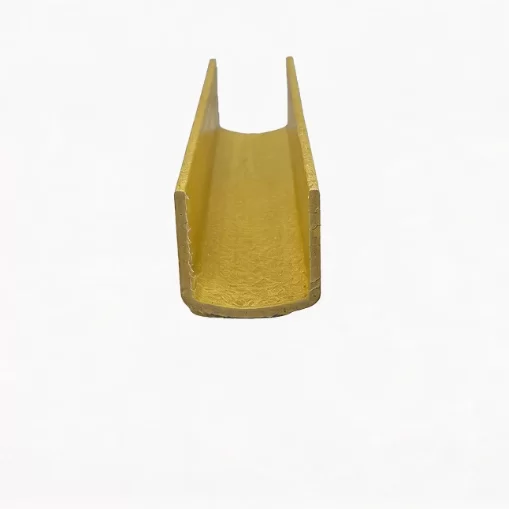
Supplying specialized fiberglass products designed for corrosion resistance and structural longevity.
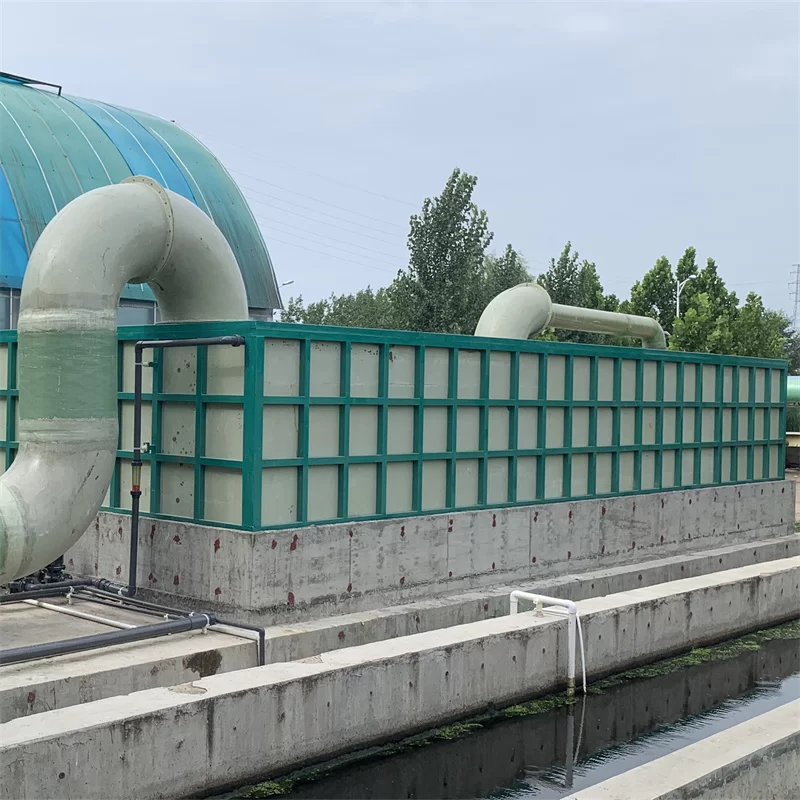
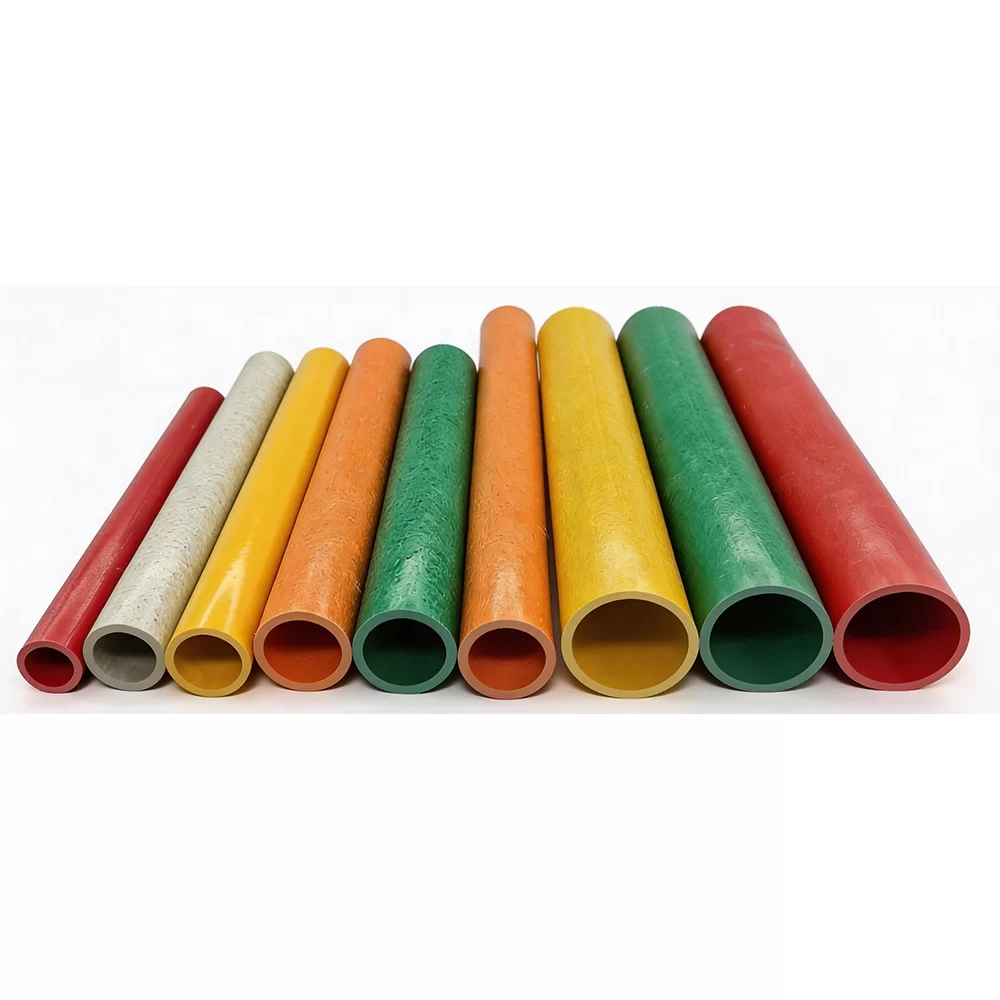

Addressing the challenge of soil acidity and humidity with composite innovation.
Rwanda's rapid urban expansion and investment in sustainable sanitation require materials that can withstand diverse geological conditions. Traditional steel and concrete often suffer from accelerated corrosion in humid tropical climates, leading to high maintenance costs for municipal wastewater systems.
The shift toward fiberglass septic tank installations represents a strategic move toward leak-proof, corrosion-resistant waste management, reducing groundwater contamination risks in densely populated areas.
For project managers in Rwanda, this transition means lower lifecycle costs. By utilizing non-metallic reinforced polymers, infrastructure can remain operational for decades without the structural degradation typically associated with oxidation in humid environments.
From traditional metallurgy to polymer-matrix composites.
Heavy reliance on carbon steel and reinforced concrete for municipal piping and foundations.
Adoption of GFRP for specific corrosive environments to extend asset life.
Full-scale implementation of fiber glass rebar in coastal and high-humidity civil engineering.
Reducing logistical costs by replacing heavy steel with lightweight, high-strength composites during transport to remote sites.
Increasing demand for tanks and pipes that resist sulfuric acid and other industrial effluents.
Shift toward pre-fabricated FRP components to accelerate project delivery timelines in Rwanda.
Anticipating the needs of sustainable urban growth.
Integration of composite tanks with biological treatment systems for zero-leakage targets.
Embedding sensors within FRP profiles to monitor structural health in real-time.
Expanding the use of pultruded profiles for quick-build industrial shelters.
The future of Rwanda's infrastructure lies in the balance between cost-efficiency and longevity. As procurement teams move away from short-term capital expenditure models, the total cost of ownership (TCO) becomes the primary metric for material selection.
Engineers should prioritize materials that eliminate the need for periodic painting or anti-corrosion coatings, as composite materials naturally resist the oxidative stress prevalent in East African climates.
Real-world solutions for diverse environmental challenges.
Implementing durable composite tanks in remote hilly regions where traditional concrete casting is logistically impossible and prone to cracking.
Using FRP filament-wound storage tanks for agriculture-related chemical processing plants to prevent soil seepage and hazardous leaks.
Deploying fiberglass guardrail mesh in landslide-prone areas for reinforced slope stabilization and safety.
Replacing steel rebar with GFRP in concrete slabs for warehouses to eliminate internal rust and spalling in high-humidity zones.
Installing FRP ventilation ducts in public utility tunnels to ensure airflow stability without the risk of atmospheric corrosion.
A legacy of precision in composite engineering.
Founded as a large-scale enterprise integrating design, production, and installation in the fiberglass industrial hub of Zaoqiang County.
Investment in FW-4000 microcomputer winding machines and advanced BWFRP weaving equipment to enhance precision and capacity.
Successfully achieved ISO9001:2000, environmental management, and occupational health and safety system certifications.
From integrated sewage pumping stations to high-strength corrosion-resistant FRP sleeves.
Solving common engineering and supply chain queries.
Discuss how our fiberglass solutions can reduce your infrastructure costs in Africa - Rwanda. Contact our technical team for custom specifications.
Discuss Your Requirements