Fiberglass Septic Tank Solutions for Mali

Fiberglass Septic Tank Solutions for Mali

Providing durable and cost-effective fiberglass solutions to meet the growing infrastructure needs of Mali.

Fiberglass Septic Tank Solutions for Mali

Offering a comprehensive range of fiberglass products specifically tailored for the Malian market, focusing on durability and sustainability.

Current State of Fiberglass Products in Mali

An overview of the fiberglass industry's position within the Malian manufacturing landscape.

Mali’s infrastructure development is steadily growing, creating increasing demand for durable and cost-effective materials. While traditional construction materials like concrete are prevalent, fiberglass products are gaining traction due to their lightweight nature, corrosion resistance, and ease of installation. The current market faces challenges related to import costs and limited local manufacturing capacity.

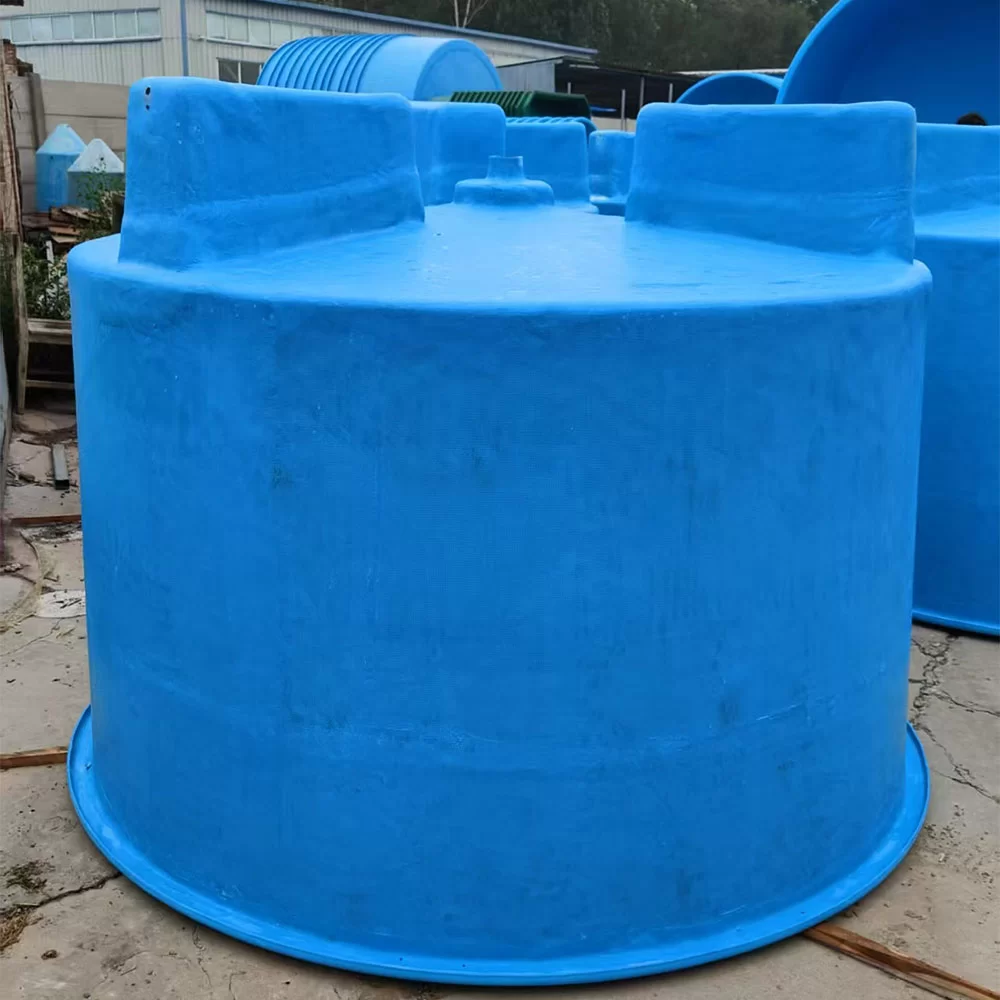
The country’s hot and arid climate presents specific needs for building materials. Fiberglass septic tank solutions are particularly relevant, offering a hygienic and long-lasting alternative to traditional systems, crucial for improving sanitation in both urban and rural areas. Limited access to clean water also drives demand for durable water storage tanks made from fiberglass products.

Government initiatives focused on improving infrastructure, sanitation, and agricultural practices are expected to fuel further growth in the demand for fiberglass products. However, awareness regarding the benefits of fiberglass compared to traditional materials is still developing, creating a need for increased education and market penetration strategies.
Evolution of Fiberglass Manufacturing in Mali

Tracing the development of fiberglass technology and its adoption within the Malian market.

Market Development History

Prior to the 2000s, the use of fiberglass products in Mali was limited, primarily reliant on imports for specific applications. The early applications were concentrated in the automotive and marine sectors, with basic repairs and limited local manufacturing.

Between 2005 and 2015, increased infrastructure investment, spurred by government programs and international aid, led to a gradual rise in demand for more robust construction materials. This period saw a limited emergence of local workshops producing basic fiberglass septic tank and water tanks, primarily using manual lay-up techniques.

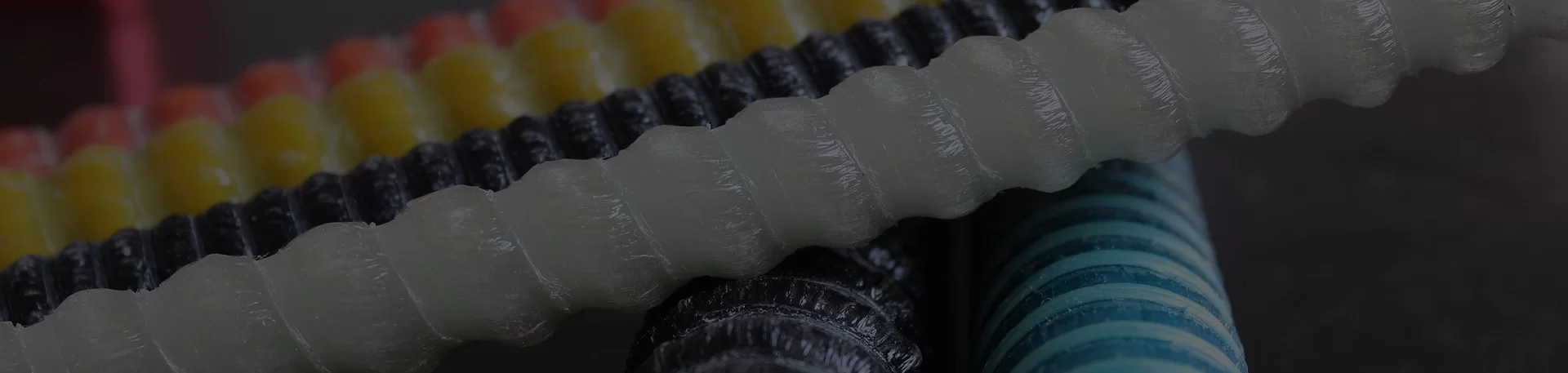
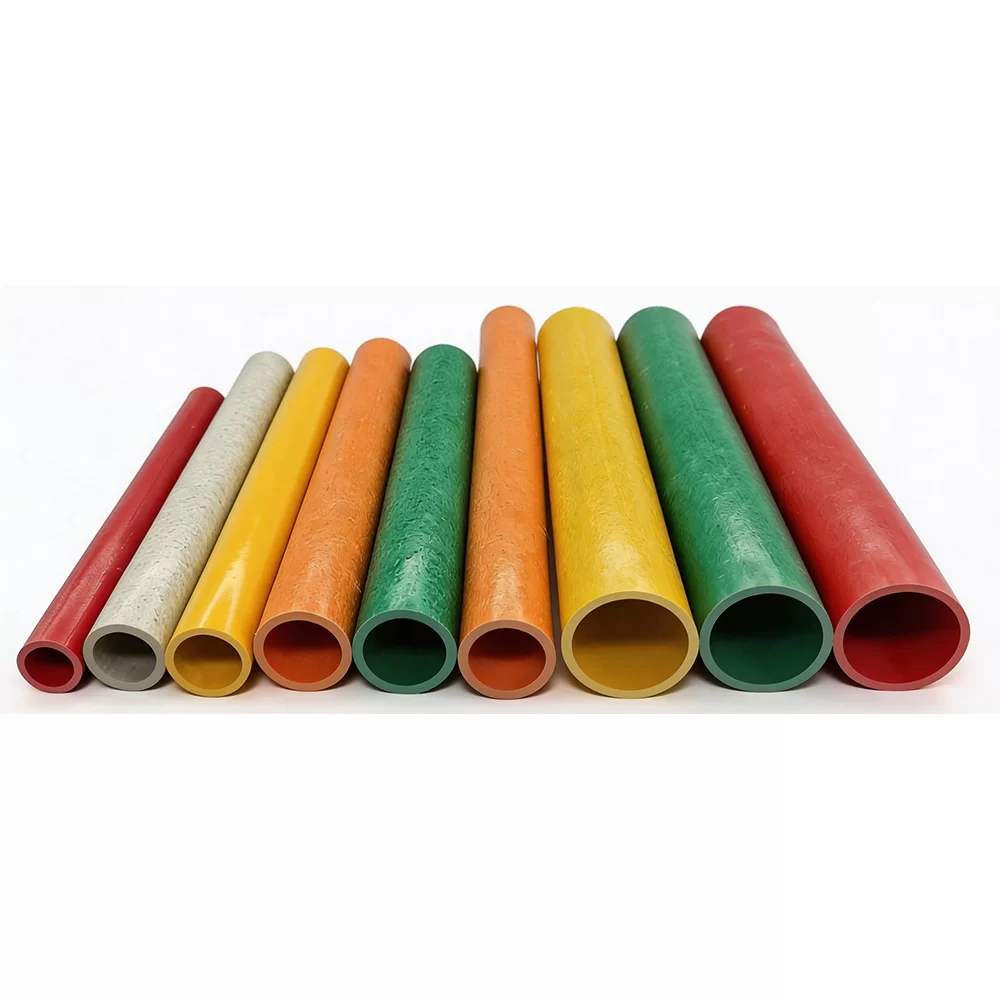
From 2016 onwards, advancements in fiberglass manufacturing technologies, such as resin transfer molding (RTM) and pultrusion, began to be explored. There's been growing focus on producing fiber glass rebar for reinforcement, offering a corrosion-resistant alternative to steel in specific applications.

Future Development Trends

Advanced Resin Systems

The adoption of advanced resin systems, such as vinyl ester and epoxy resins, will improve the mechanical properties and chemical resistance of fiberglass products, expanding their applicability to more demanding environments.

Automated Manufacturing Processes

Investment in automated manufacturing processes, like filament winding and automated pultrusion, will increase production efficiency, reduce labor costs, and improve product consistency. This trend is supported by growing demand for large-scale infrastructure projects.

Sustainable Fiberglass Solutions

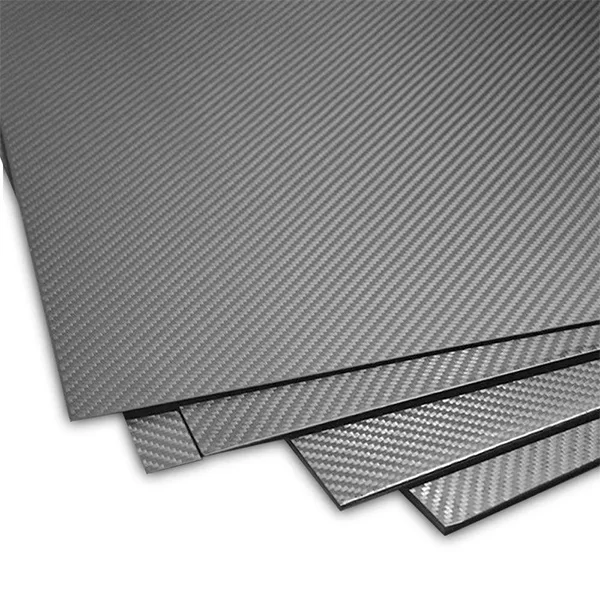
Increasing focus on sustainable materials will drive research into bio-based resins and recycled fiberglass content. Demand for eco-friendly carbon fiber reinforcement options will increase, aligning with global sustainability trends.

Industry Trends and Future Outlook

Analyzing emerging trends and forecasting the future of the fiberglass industry in Mali.

Increased Demand for Sanitation Solutions
Growing population and urbanization in Mali are driving demand for improved sanitation infrastructure. Fiberglass septic tank offer a cost-effective and environmentally friendly solution.
Agricultural Applications Expanding
The agricultural sector in Mali is a key driver for growth. Fiberglass is increasingly used for irrigation systems, storage tanks, and protective structures.
Infrastructure Development Projects
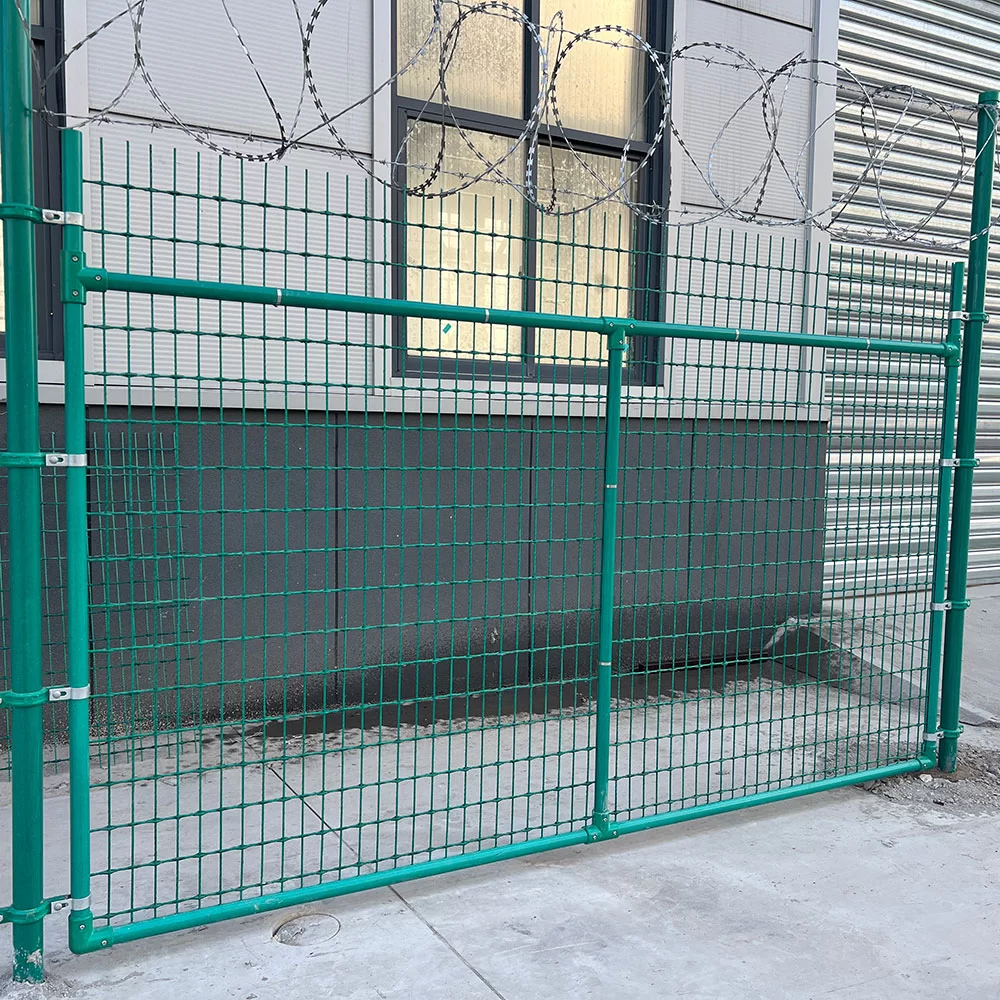
Government investments in road construction, housing, and water management projects will necessitate robust and durable materials, benefiting the fiberglass guardrail mesh and construction sectors.
Demand for Corrosion Resistance
Mali’s climate and environmental conditions necessitate materials resistant to corrosion and degradation. Fiber glass rebar and carbon fiber reinforcement provide excellent solutions.

Industry Outlook

The fiberglass industry in Mali is poised for significant growth over the next 3-5 years, driven by increasing infrastructure development and a growing awareness of the benefits of these materials. Investment in local manufacturing capacity and skilled labor will be critical to capitalize on this opportunity.

Google Trends data shows a consistent upward trend in searches for terms related to “fiberglass tanks Mali” and “septic tanks Mali,” indicating growing consumer interest. This trend highlights the potential for targeted marketing and product development in these areas.

Localized Application Scenarios

Specific applications of fiberglass products tailored to the needs of Mali.

1. Rural Water Storage

Providing durable and hygienic water storage tanks for rural communities facing water scarcity. These fiberglass products can store rainwater or water sourced from boreholes, ensuring access to clean water for drinking and agriculture.

2. Septic Tank Systems for New Housing Developments

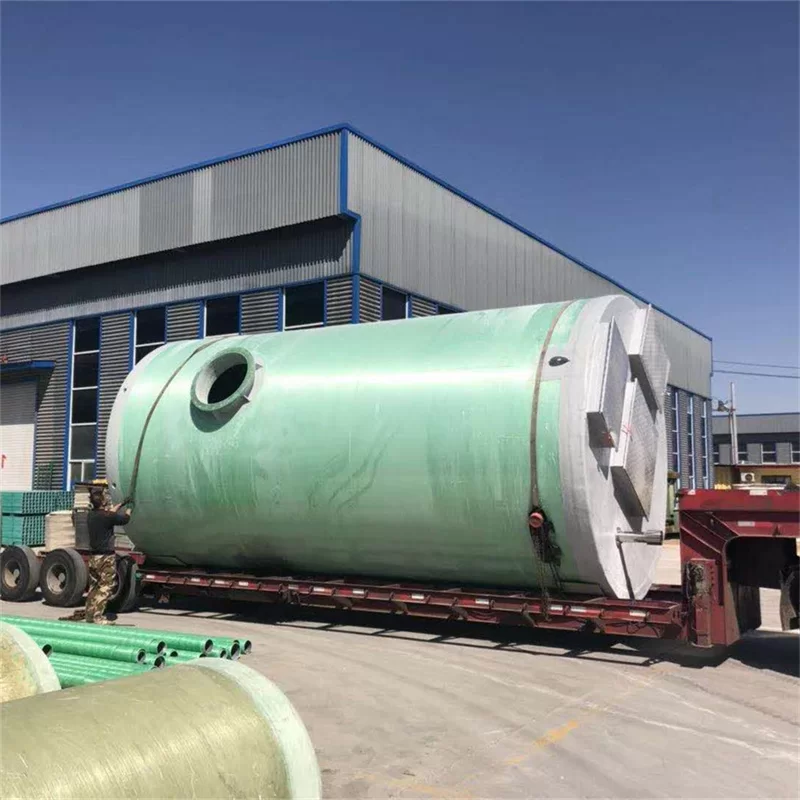
Implementing efficient and sustainable septic tank systems in rapidly growing urban areas. Fiberglass septic tank offer a cost-effective and environmentally friendly alternative to traditional concrete systems.

3. Corrosion-Resistant Reinforcement for Coastal Infrastructure

Utilizing fiber glass rebar and carbon fiber reinforcement in coastal infrastructure projects to protect against the corrosive effects of saltwater and humidity.

4. Protective Barriers and Safety Equipment

Manufacturing fiberglass guardrail mesh and other protective barriers for road construction and industrial sites, enhancing safety and durability.

Brand Story

The Global Development Journey of Hebei Zhongtian Composite Group Co., Ltd.

Commitment to Quality

Since our inception, Hebei Zhongtian Composite Group has been dedicated to providing high-quality fiberglass solutions that meet the evolving needs of our clients.

Innovation and Technology

We continuously invest in research and development to create innovative fiberglass products that offer superior performance and durability.

Sustainable Solutions

We are committed to sustainable manufacturing practices and offer eco-friendly fiberglass solutions that minimize environmental impact.

Customer-Centric Approach

We prioritize customer satisfaction and provide personalized support to ensure that our clients receive the best possible solutions.

Empowering Communities

Our mission is to empower communities in Mali and beyond by providing reliable and affordable fiberglass infrastructure solutions.

Complete Product Range for the Region

A comprehensive selection of fiberglass products specifically designed for applications in Mali.

Local Frequently Asked Questions

Addressing common questions regarding fiberglass products in Mali.

What are the main benefits of using fiberglass septic tanks compared to concrete options in Mali?

Fiberglass septic tanks are lighter, easier to install, and more resistant to corrosion than concrete tanks, making them ideal for Mali’s climate and soil conditions. They also require less maintenance and have a longer lifespan.

How does the heat in Mali affect the longevity of fiberglass water tanks?

High-quality fiberglass resins are designed to withstand high temperatures and UV exposure. Our tanks are manufactured with UV inhibitors to prevent degradation and ensure long-term durability in the Malian climate.

Is fiberglass rebar a viable alternative to steel rebar in road construction projects in Mali?

Yes, fiberglass rebar offers superior corrosion resistance compared to steel, making it an excellent choice for road construction projects in Mali, particularly in areas with high salinity or humidity.

What is the lifespan of a properly installed fiberglass septic tank in Mali?

A properly installed fiberglass septic tank can last for 50 years or more, with minimal maintenance required. This is significantly longer than the lifespan of traditional concrete tanks.

Are there any local regulations or standards regarding the use of fiberglass products in construction in Mali?

While specific regulations are evolving, it’s recommended to consult with local building authorities to ensure compliance with current standards. We provide technical documentation to support project approvals.

How does the cost of fiberglass products compare to traditional materials like concrete in Mali?

While the initial cost of fiberglass may be slightly higher, the long-term benefits, such as reduced maintenance, longer lifespan, and increased durability, often result in lower overall costs.

Get in Touch with Us

We are ready to provide fiberglass solutions for your projects in Mali. Contact us today to learn more.

Contact Us Now

If you are interested in our products, you can choose to leave your information here, and we will be in touch with you shortly.