South Sudan, a young nation facing numerous developmental challenges, presents a unique market for fiberglass products. The country's infrastructure is largely underdeveloped, and traditional building materials often lack the durability and cost-effectiveness required for long-term solutions. The climate, characterized by distinct wet and dry seasons, demands materials resistant to corrosion and environmental degradation.
The demand for fiberglass septic tank systems is particularly strong, driven by the need for improved sanitation and public health. Existing sanitation infrastructure is limited, and traditional concrete systems are often expensive and prone to cracking. Logistical challenges, including limited road networks and seasonal flooding, further complicate the distribution and installation of construction materials.
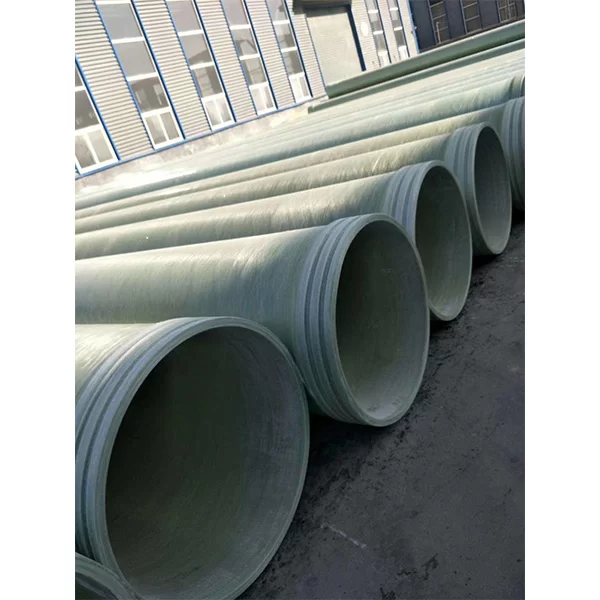
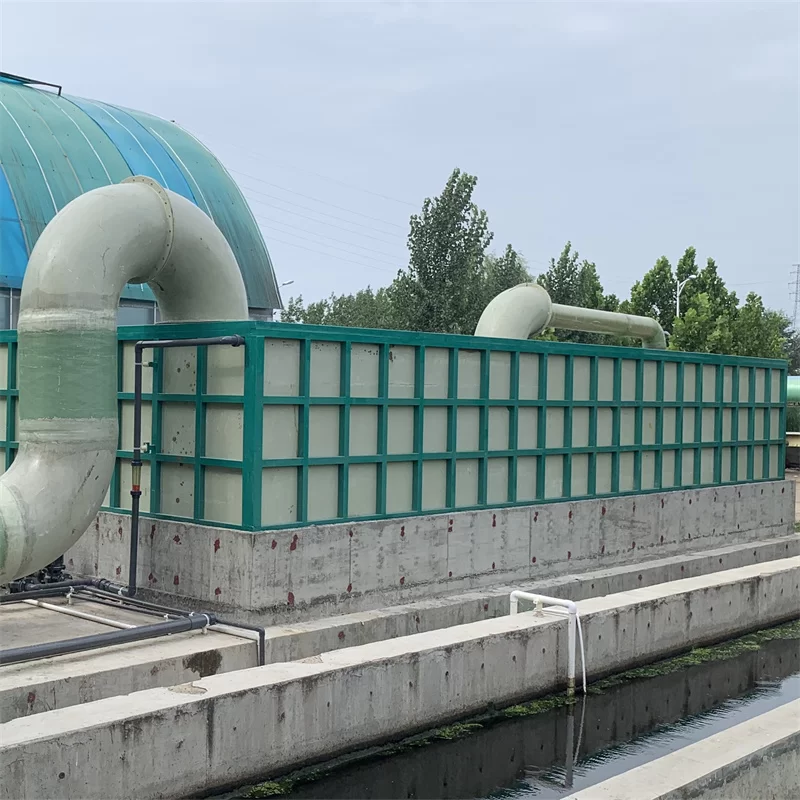
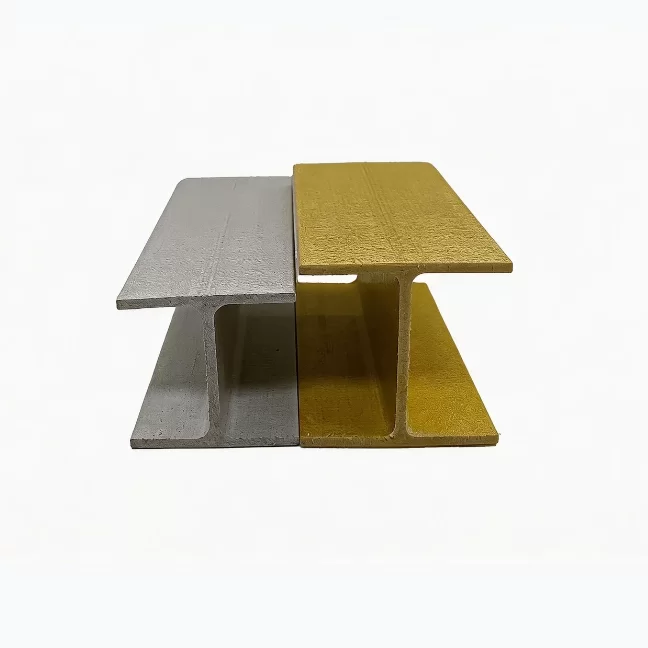
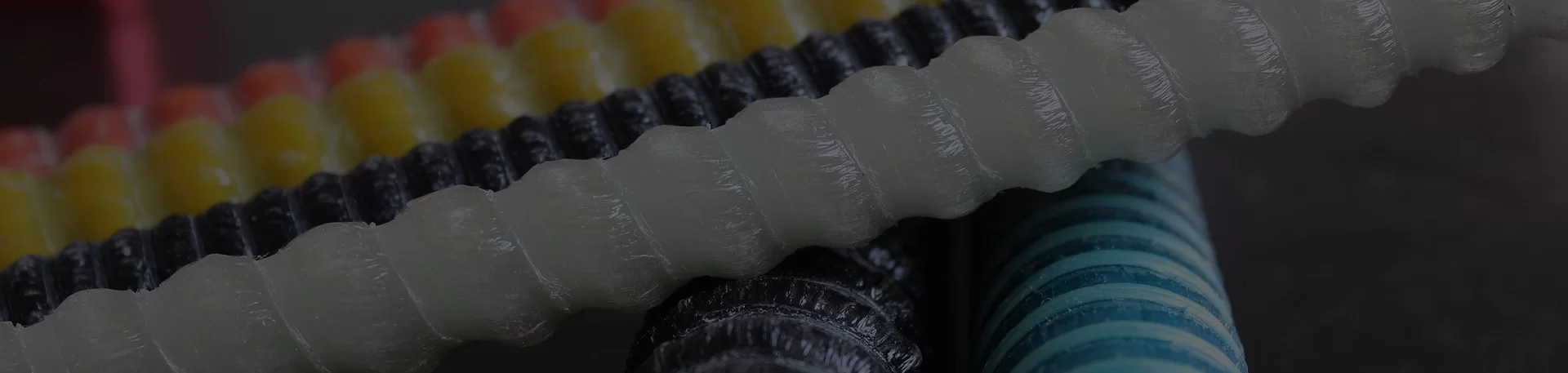
Currently, the fiberglass industry in South Sudan is nascent, relying heavily on imports. However, growing awareness of the benefits of fiberglass – its lightweight nature, high strength-to-weight ratio, and corrosion resistance – is fueling increased demand across various sectors, including water management, construction, and transportation. The use of fiber glass rebar is slowly gaining traction as a more durable and cost-effective alternative to steel in concrete structures.