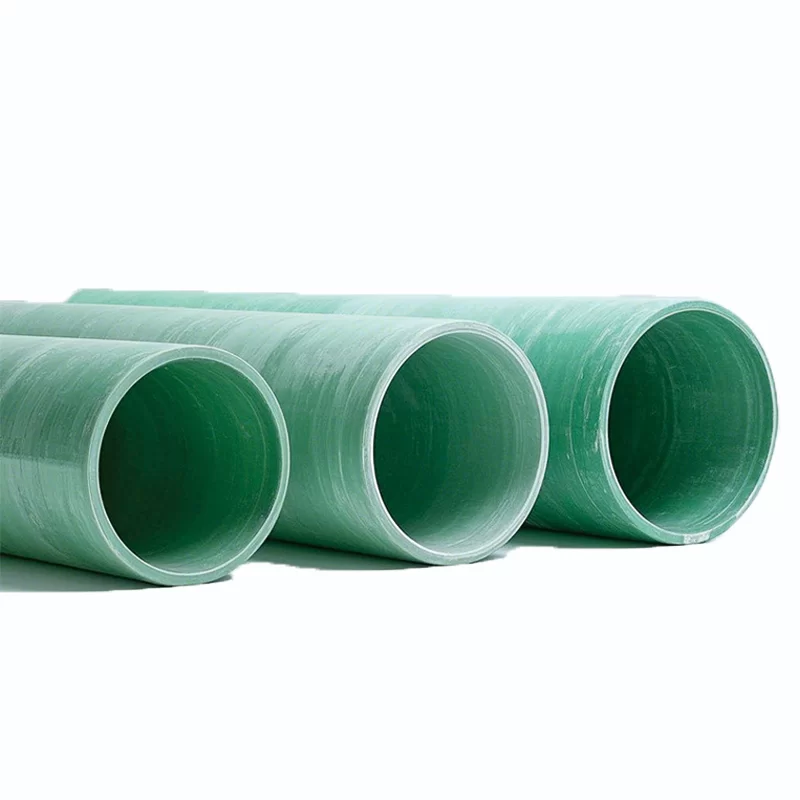
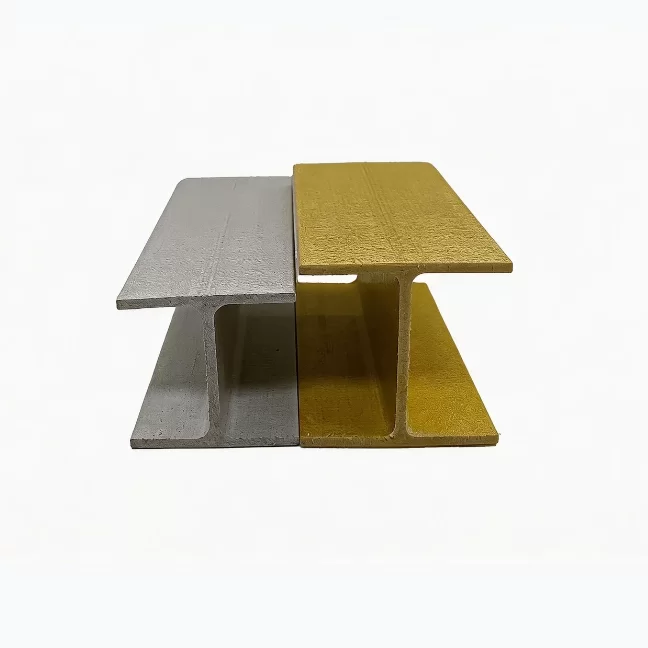
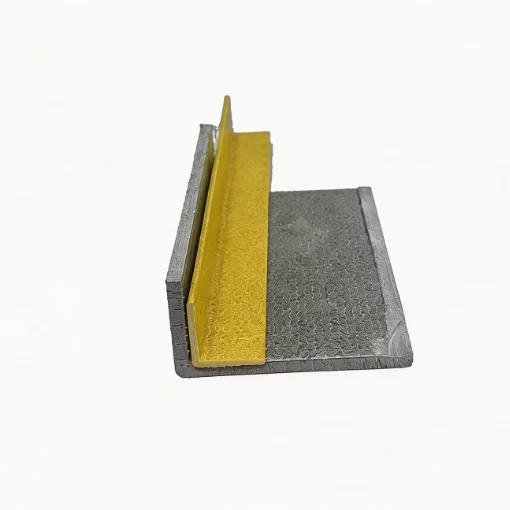
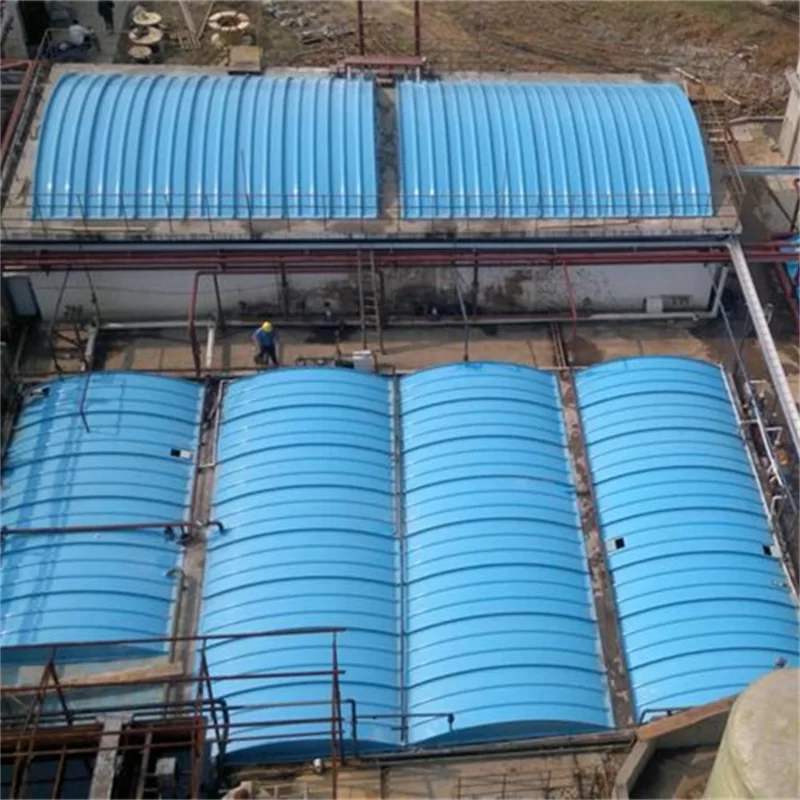
Nigeria's infrastructure development is rapidly increasing, creating a strong demand for durable and corrosion-resistant materials. Fiberglass products are increasingly favored due to their lightweight nature, high strength, and resistance to the harsh Nigerian climate. However, the industry faces challenges such as reliance on imported raw materials and limited local manufacturing capacity.
The country's tropical climate, characterized by high humidity and rainfall, makes traditional materials like steel susceptible to corrosion. Fiberglass septic tank installations are becoming increasingly popular for their longevity and resistance to degradation in these conditions. The growing population and urbanization trends are further driving the demand for effective wastewater management solutions.
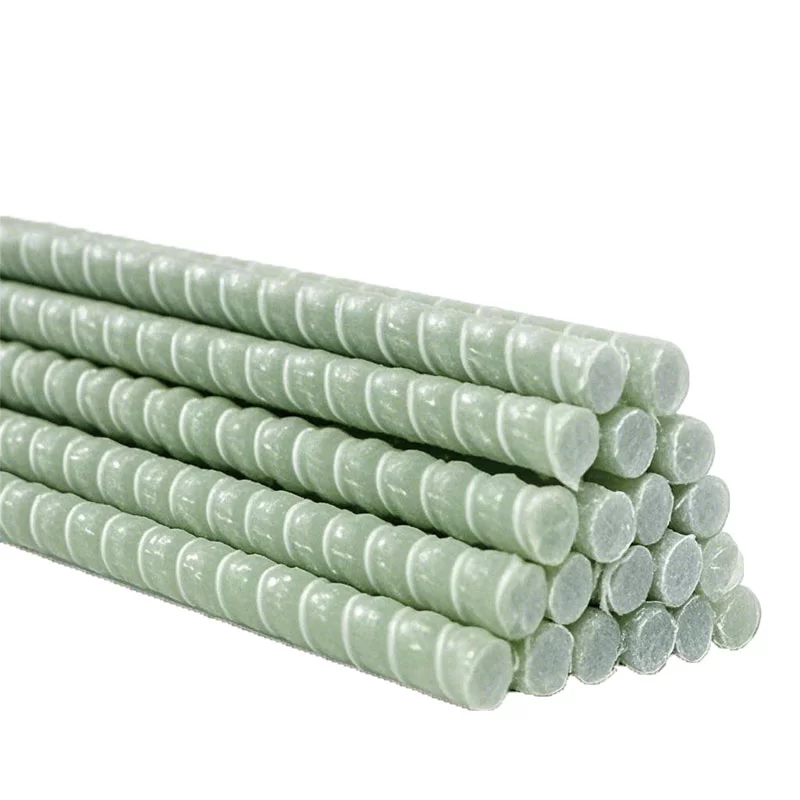
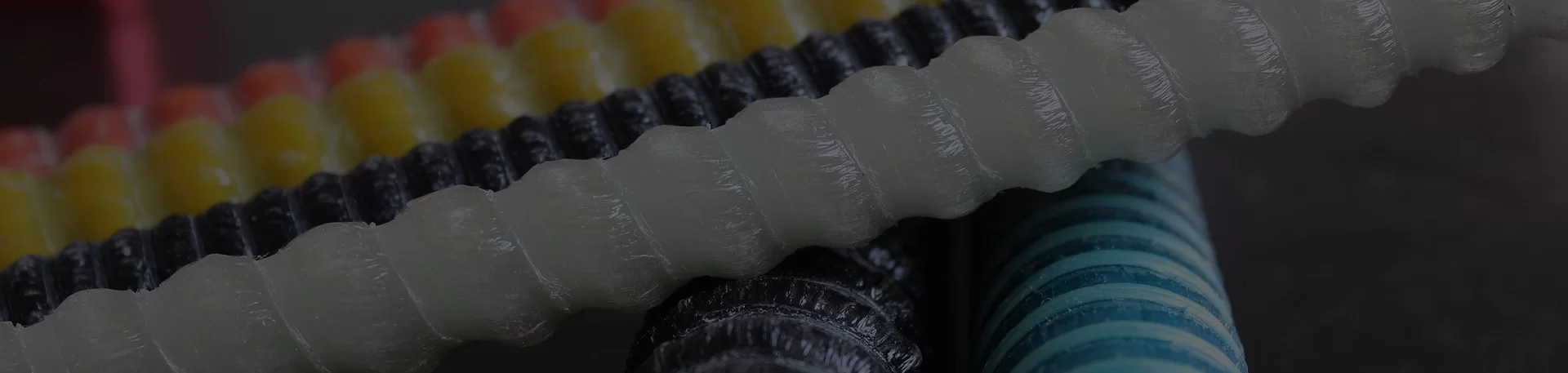
Economic factors, including fluctuating currency exchange rates and import duties, significantly impact the cost of fiber glass rebar and other fiberglass components. Despite these challenges, the long-term benefits of using fiberglass – reduced maintenance costs and extended lifespan – are compelling for many infrastructure projects.