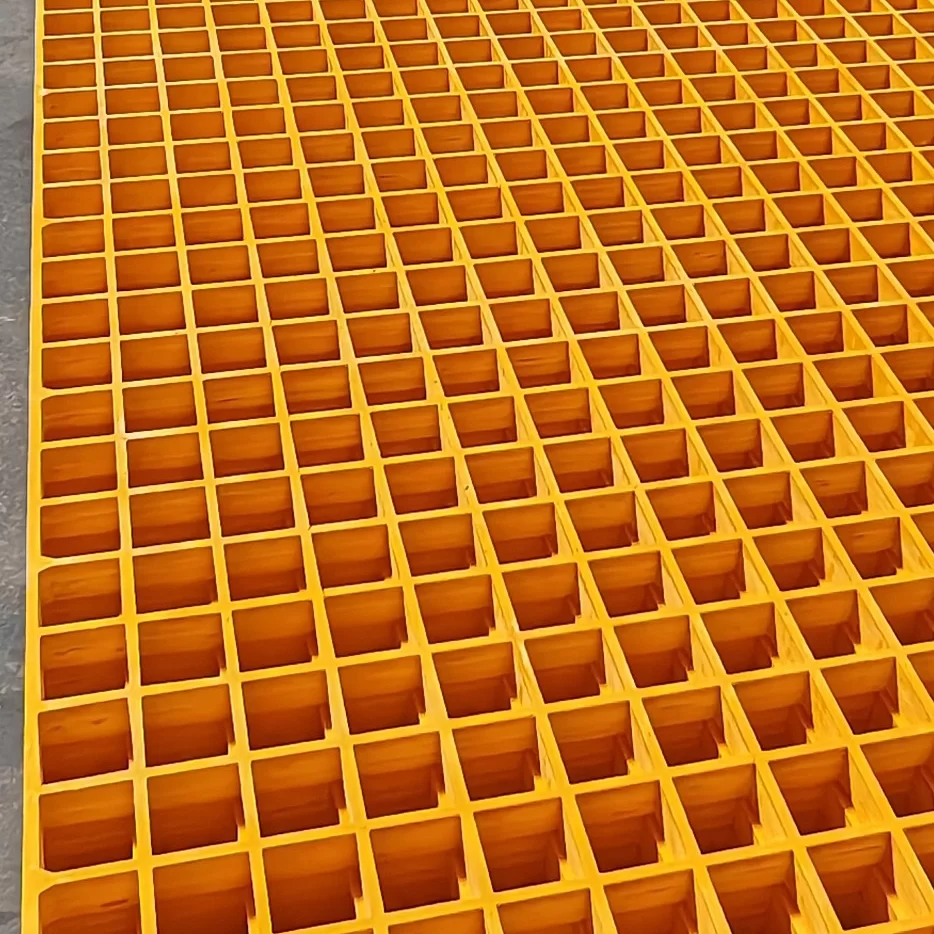
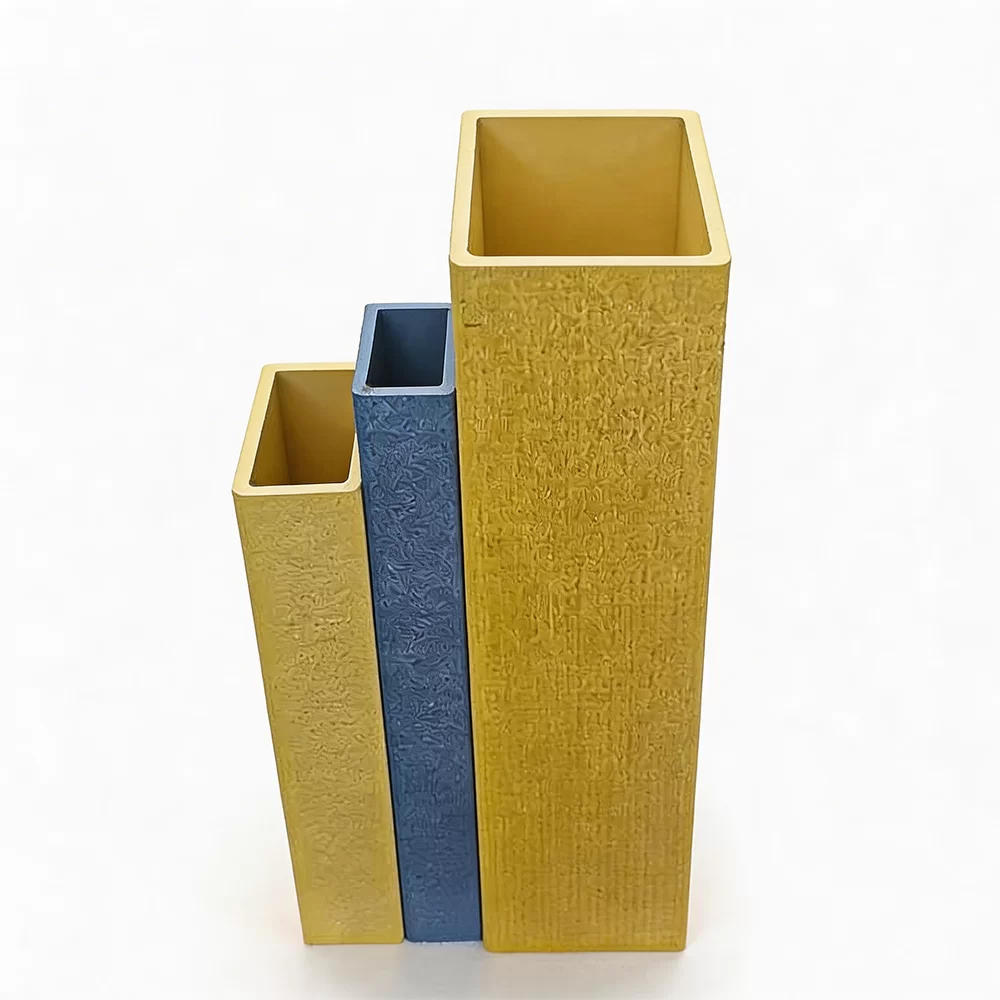
Fiberglass Products Solutions for Tanzania

Fiberglass Products Solutions for Tanzania

Providing high-quality fiberglass solutions tailored for the Tanzanian market.

Fiberglass Products Solutions for Tanzania

Offering a comprehensive range of fiberglass products designed to meet the evolving needs of Tanzania's infrastructure and industrial sectors.

Current State of Fiberglass Manufacturing in Tanzania

An overview of the fiberglass industry landscape in Tanzania and its challenges.

Tanzania's construction and infrastructure sectors are experiencing substantial growth, driven by government investments and private sector initiatives. This growth fuels demand for durable, cost-effective materials like fiberglass products. However, the local manufacturing capacity for fiberglass is still developing, relying heavily on imports to meet the increasing demand. Limited access to specialized machinery and skilled labor presents significant hurdles.

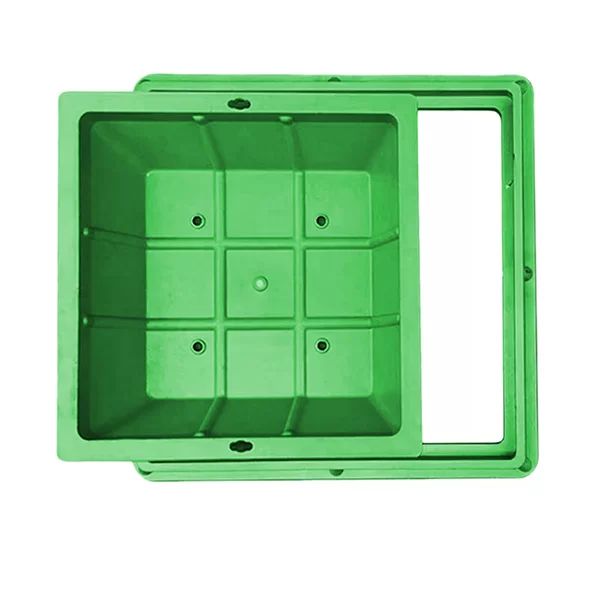
The climate of Tanzania, characterized by high humidity and fluctuating temperatures, poses unique challenges for material durability. Fiberglass septic tank systems are gaining traction as a hygienic and sustainable sanitation solution, especially in rural areas where traditional systems are often inadequate. The need for corrosion-resistant materials in coastal regions further drives the demand for fiberglass-reinforced polymers (FRP).

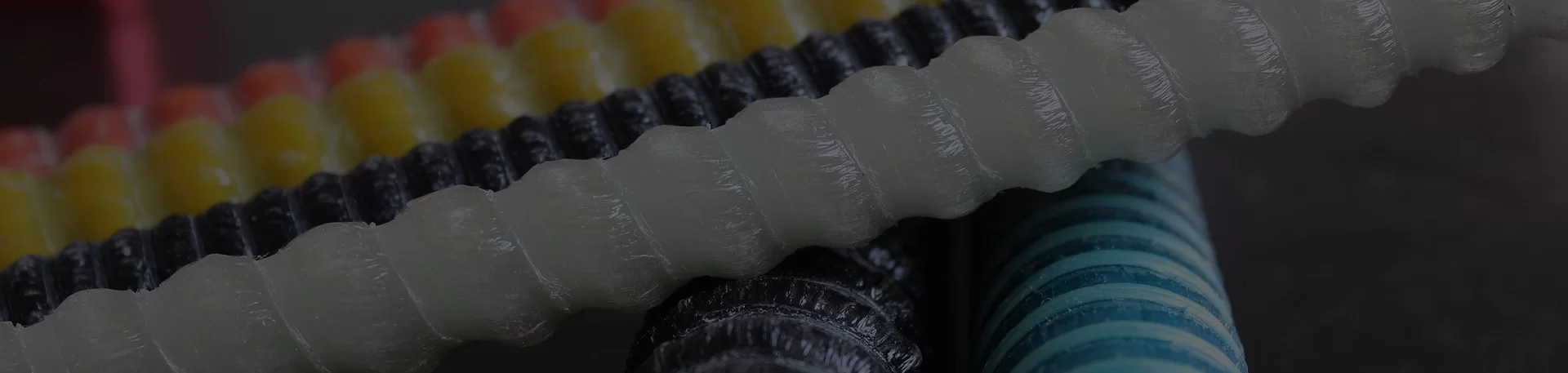
Import tariffs and logistical complexities often increase the cost of imported fiberglass materials. This creates an opportunity for local manufacturers to establish a competitive presence. The adoption of fiber glass rebar as a lightweight and corrosion-resistant alternative to steel rebar is slowly gaining acceptance, particularly in projects requiring reduced weight and improved durability.
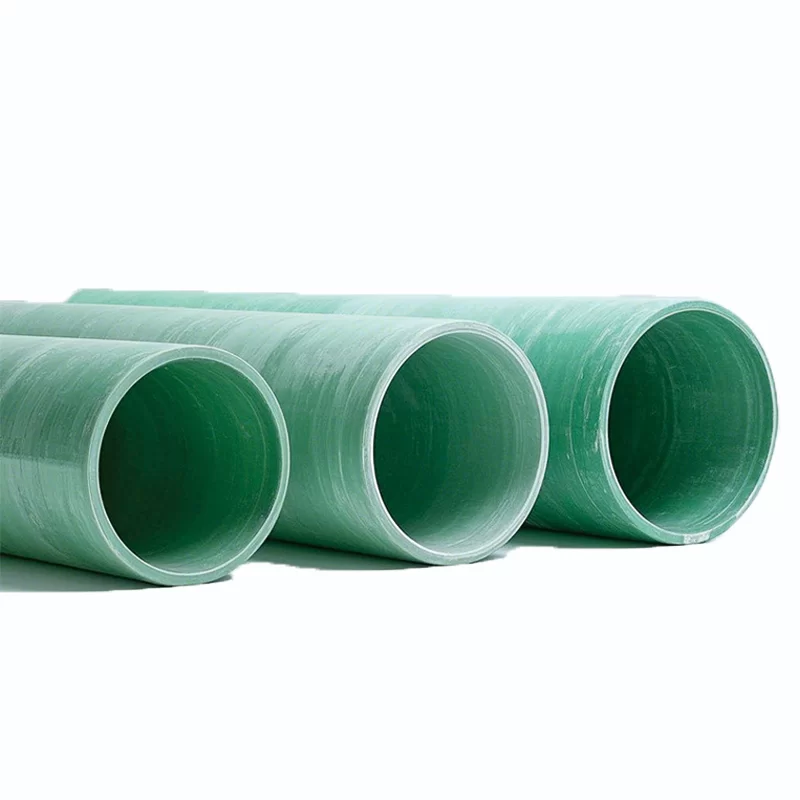
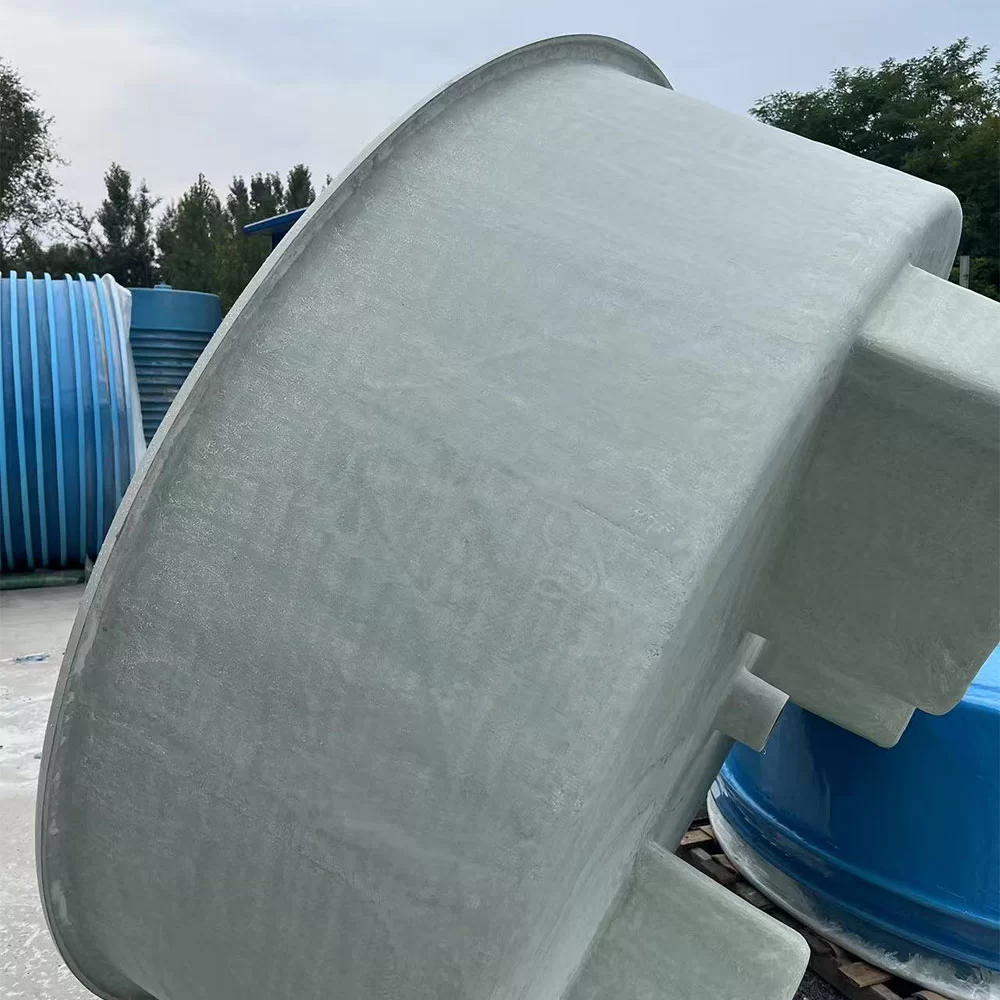
Evolution of Fiberglass Technology in Tanzania

Tracing the development of fiberglass manufacturing in Tanzania from traditional methods to modern advancements.

Market Development History

Initially, fiberglass applications in Tanzania were limited to basic products like boat hulls and simple roofing sheets in the 1980s. These were primarily imported. The 1990s saw a gradual increase in the awareness of FRP’s benefits, prompting a few small-scale manufacturers to emerge. These early manufacturers mainly focused on basic lay-up techniques.

The 2000s witnessed the introduction of more sophisticated manufacturing processes, including resin transfer molding (RTM) and pultrusion, albeit on a limited scale. Government initiatives promoting infrastructure development created a greater need for robust and durable materials. The use of carbon fiber reinforcement began to appear in specialized applications.

From 2010 onwards, there's been a growing focus on sustainable building materials and environmentally friendly solutions. This led to increased demand for fiberglass products in water treatment, sanitation, and renewable energy sectors. The demand for fiberglass guardrail mesh has increased as road infrastructure development accelerates.

Future Development Trends

Advanced Resin Systems

The development of new, high-performance resin systems with improved mechanical properties and corrosion resistance will be crucial. Expect to see a shift towards bio-based resins to reduce environmental impact.

Automation and Digitalization

Increased automation in manufacturing processes, coupled with the integration of digital technologies like 3D printing, will enhance production efficiency and precision.

Composite Materials Recycling

Developing cost-effective and sustainable methods for recycling fiberglass composites is a significant challenge and opportunity. Research in depolymerization and alternative recycling technologies will be vital.

Industry Trends and Future Outlook for Fiberglass in Tanzania

A forward-looking analysis of the fiberglass industry's potential in the Tanzanian market.

Growing Infrastructure Development
Tanzania’s ongoing infrastructure projects, including roads, bridges, and water treatment facilities, will drive significant demand for durable and corrosion-resistant fiberglass materials.
Rising Demand for Sanitation Solutions
Increasing urbanization and a growing focus on public health will lead to greater adoption of fiberglass septic tank systems for wastewater management.
Growing Awareness of Lightweight Materials
The benefits of lightweight materials like fiber glass rebar are becoming increasingly recognized, leading to wider adoption in construction projects.
Increased Focus on Corrosion Resistance
Tanzania's coastal regions and industrial areas require materials that can withstand harsh corrosive environments, creating opportunities for fiberglass-reinforced polymers.

Industry Outlook

The Tanzanian fiberglass market is poised for substantial growth in the coming years. Increased investment in infrastructure, coupled with a growing awareness of the benefits of FRP materials, will drive demand. Local manufacturing capacity is expected to expand, reducing reliance on imports and creating new employment opportunities.

Furthermore, the adoption of sustainable building practices and the increasing demand for environmentally friendly materials will further propel the growth of the fiberglass industry in Tanzania. Collaboration between local manufacturers, research institutions, and government agencies will be crucial to fostering innovation and ensuring long-term sustainability.

Localized Application Scenarios for Fiberglass in Tanzania

Practical applications of fiberglass products tailored to the specific needs of Tanzania.

1. Rural Water Storage Tanks

Fiberglass water tanks provide a durable, hygienic, and cost-effective solution for storing rainwater and supplying clean water to rural communities. Their lightweight nature simplifies transportation and installation in remote areas.

2. Coastal Marine Infrastructure

Fiberglass composites are ideal for constructing marine structures such as jetties, piers, and boat hulls due to their exceptional corrosion resistance in saltwater environments.

3. Agricultural Irrigation Systems

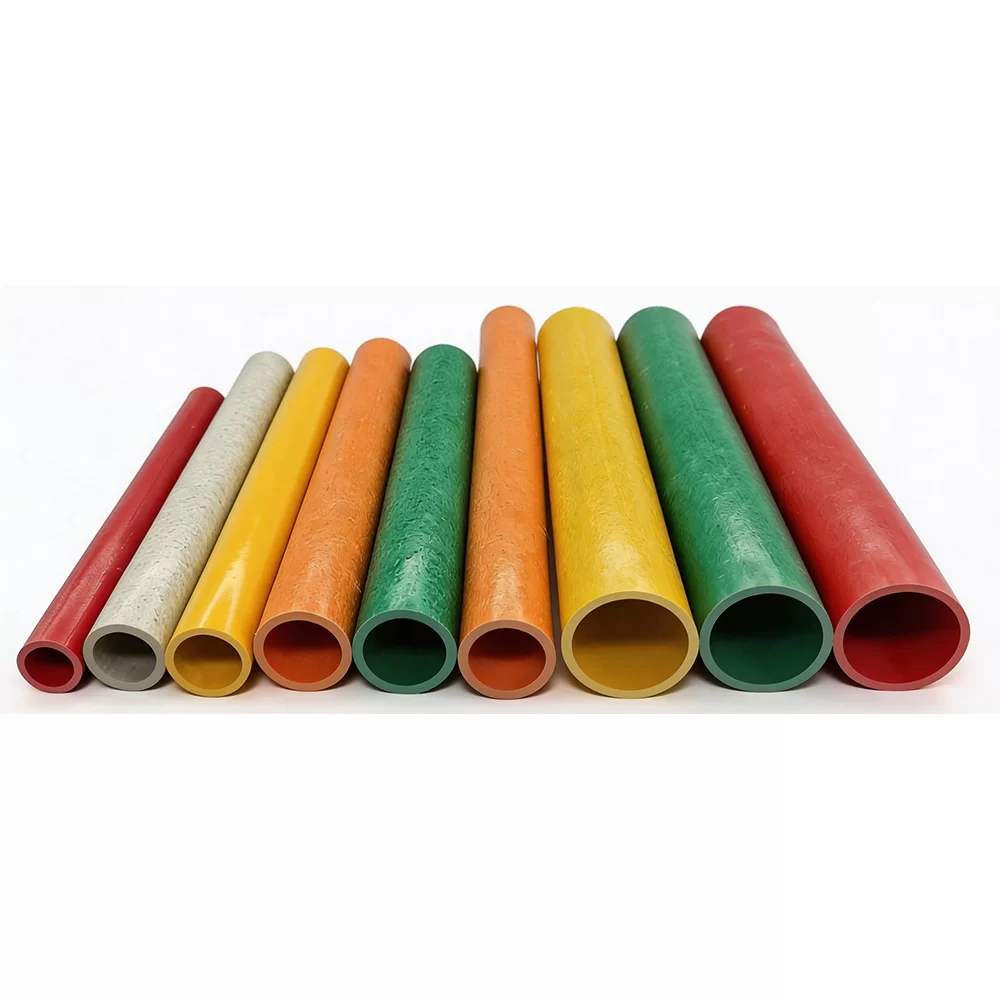
Fiberglass pipes and tanks are used in irrigation systems to deliver water efficiently to farms, reducing water wastage and improving crop yields. Their resistance to chemicals ensures long-term reliability.

4. Road Safety Barriers

Fiberglass guardrail mesh offers a lightweight and high-strength solution for enhancing road safety, reducing the risk of vehicle damage and injuries in the event of a collision.

5. Corrosive Chemical Containment

Fiberglass is perfect for building containment solutions for a lot of corrosive chemical because of its inherent resistance to chemicals.

Brand Story

Hebei Zhongtian Composite Material Group Co., Ltd.’s Global Development Journey

Pioneering Composite Solutions

Founded in 2008, Hebei Zhongtian Composite Material Group Co., Ltd. began with a vision to revolutionize the materials industry through innovative fiberglass solutions.

Expanding Product Portfolio

Over the years, we expanded our product range to include a diverse array of fiberglass products, catering to a wide range of industries and applications.

Global Market Penetration

We have strategically expanded our global reach, establishing partnerships and serving customers in emerging markets like Africa, including Tanzania.

Commitment to Sustainability

We are dedicated to sustainable manufacturing practices, developing eco-friendly materials, and minimizing our environmental impact.

Customer-Centric Approach

Our commitment to customer satisfaction drives us to deliver high-quality products, exceptional service, and tailored solutions to meet unique requirements.

Complete Product Portfolio for the Local Region

Explore our extensive range of fiberglass products specifically designed for the Tanzanian market.

Local Frequently Asked Questions

Addressing common inquiries about fiberglass products in Tanzania.

What are the advantages of using fiberglass septic tanks over traditional concrete tanks in Tanzania?

Fiberglass septic tanks are lighter, more durable, corrosion-resistant, and easier to install than concrete tanks. They also have a longer lifespan and require less maintenance, making them a cost-effective solution for sanitation in Tanzania.

Is fiberglass rebar a suitable alternative to steel rebar in coastal construction projects in Tanzania?

Yes, fiber glass rebar is an excellent alternative to steel rebar in coastal environments due to its superior corrosion resistance. It eliminates the risk of rust and extends the lifespan of concrete structures.

What are the typical applications of fiberglass guardrail mesh in road construction projects in Tanzania?

Fiberglass guardrail mesh is used to enhance road safety by providing a strong and lightweight barrier that protects vehicles and pedestrians from hazards.

How does carbon fiber reinforcement improve the strength and durability of concrete structures in Tanzania?

Carbon fiber reinforcement significantly increases the tensile strength and load-bearing capacity of concrete, making structures more resilient to stress and environmental factors.

What is the lifespan of fiberglass water tanks compared to traditional steel tanks in Tanzanian conditions?

Fiberglass water tanks typically have a lifespan of 50 years or more, while steel tanks are prone to corrosion and may require replacement after 20-30 years, especially in the humid Tanzanian climate.

Are fiberglass products resistant to UV degradation in Tanzania's strong sunlight?

Yes, our fiberglass products are manufactured with UV-resistant coatings to protect them from degradation caused by prolonged exposure to sunlight. This ensures long-term performance and color retention.

Get in Touch With Us

Contact us today to learn more about our fiberglass solutions for projects in Tanzania.

Contact Us Now

If you are interested in our products, you can choose to leave your information here, and we will be in touch with you shortly.