HighPerformance Fiberglass Products for Ugandas Infrastructure

High-Performance Fiberglass Products for Uganda's Infrastructure

Providing corrosion-resistant fiberglass products tailored for the unique environmental and construction demands of the Ugandan market.

Advanced Composite Solutions for Regional Challenges

We address the need for durable, low-maintenance materials in municipal and industrial projects, from wastewater management to structural reinforcement.

Analyzing FRP Material Adoption in Africa - Uganda

The transition from traditional steel and concrete to composite materials in East African construction.

In Uganda, the construction sector is increasingly facing challenges related to material degradation caused by high humidity and soil acidity. Traditional steel reinforcement often suffers from rapid oxidation, leading to structural vulnerabilities in critical infrastructure. Consequently, there is a growing regional demand for fiber glass rebar which offers superior corrosion resistance and a longer service life in tropical climates.

The procurement landscape is shifting toward integrated solutions that reduce long-term operational costs. Local contractors and municipal planners are prioritizing materials that require minimal maintenance and offer rapid installation. This trend is particularly evident in the development of sanitation systems, where the adoption of a fiberglass septic tank provides a leak-proof and durable alternative to traditional masonry pits.

Key pain points in the Ugandan market include the high cost of importing specialized materials and the lack of localized technical support for composite installation. By providing standardized, high-strength products like fiberglass guardrail mesh, the industry can overcome these hurdles, ensuring safer roads and more resilient public utilities.
The Evolution of Composite Material Engineering

From basic molding to high-precision microcomputer-controlled winding technology.

Technological Milestones in FRP Production

2008 — FOUNDATION AND INITIAL SCALE
Hebei Zhongtian Composite Materials Group Co., Ltd. was established, integrating design, production, and installation to provide comprehensive fiberglass solutions.

2016 — QUALITY AND SAFETY CERTIFICATION
The company successfully passed ISO9001:2000 quality system certification, alongside environmental and occupational health and safety management certifications, standardizing production for international markets.

CURRENT — PRECISION MANUFACTURING ERA
Implementation of FW-4000 microcomputer controlled winding machines and BWFRP power pipe weaving equipment to enhance the structural integrity of pressure pipes and storage tanks.

Future Strategic Trends

1. Integration of Carbon Fiber Hybridization

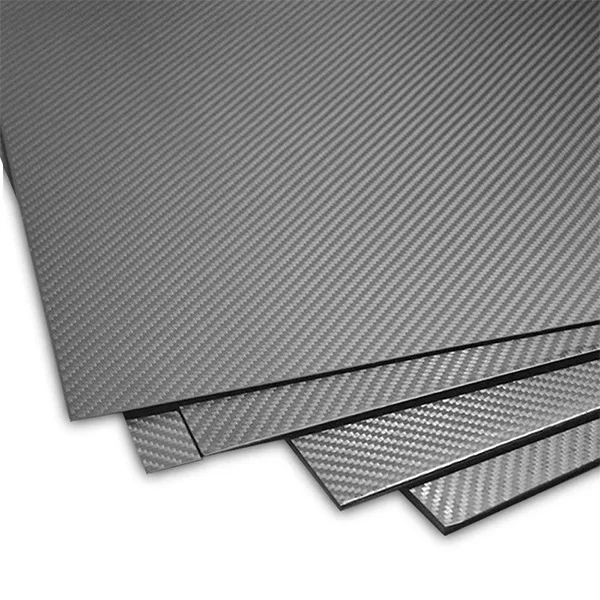
Increasing use of carbon fiber reinforcement to achieve higher strength-to-weight ratios in specialized industrial applications across East Africa.

2. Sustainable Wastewater Infrastructure

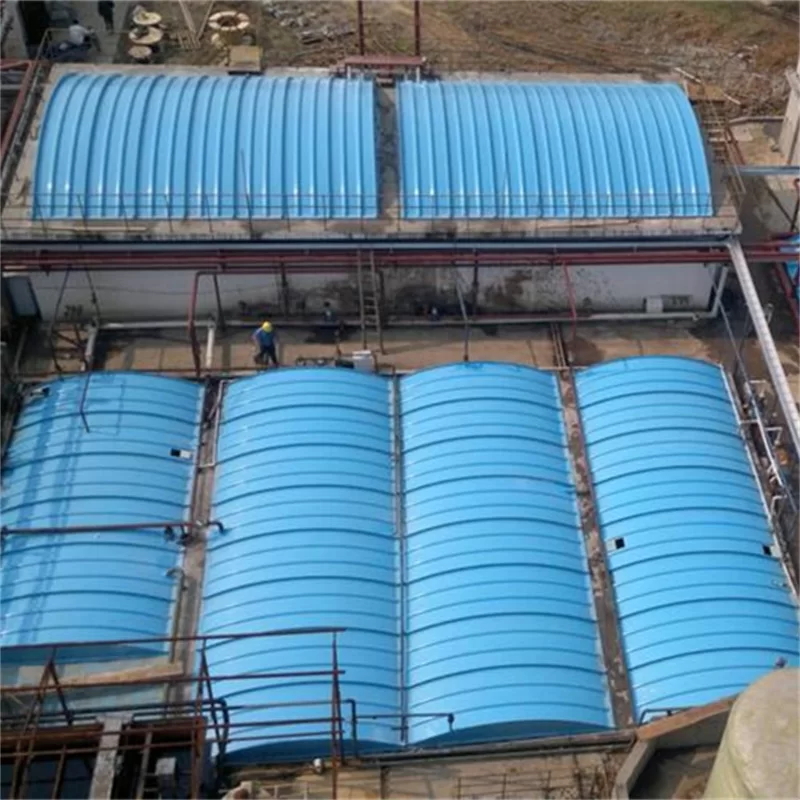
A shift toward integrated sewage pumping stations and FRP deodorization tanks to meet tightening environmental standards in urban Ugandan centers.

3. Automation in Pultrusion Profiles

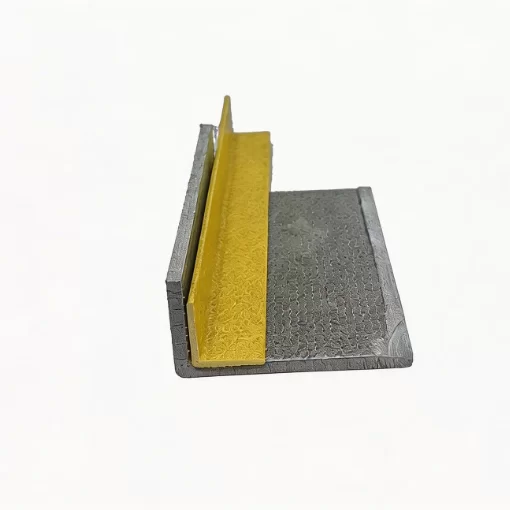
Adoption of advanced extrusion and molding equipment to produce standardized FRP cable trays and profiles for the energy sector.

Global Fiberglass Industry Outlook

Analyzing the drivers of composite material growth in developing economies.

⚡
Material Science
Transitioning toward high-strength CFGJ corrosion-resistant sleeves and SMC molding series.
🤖
Smart Production
Utilizing microcomputer controlled winding for consistent wall thickness in pressure pipes.
💳
Lifecycle Value
Reducing total cost of ownership through zero-corrosion materials in aggressive environments.
🌱
Eco-Efficiency
Optimizing resource use via durable FRP fish ponds and environmental protection equipment.

Projecting the Composite Market in Uganda

Over the next 3-5 years, we anticipate a surge in the application of GFRP rebar and FRP filament-wound pipes as Uganda expands its municipal water and sewage networks. The primary opportunity lies in replacing legacy metallic systems that cannot withstand the local soil chemistry, thereby reducing frequent repair cycles.

Despite the potential, challenges such as logistics and the need for specialized installation training remain. By leveraging certified production standards and diverse product portfolios, the industry can mitigate these risks and provide scalable solutions for the regional construction boom.

Practical Applications Across Uganda

How fiberglass composites solve real-world engineering problems in various sectors.

01

Rural Sanitation Infrastructure

In remote Ugandan villages, the installation of fiberglass septic tank systems prevents groundwater contamination. These prefabricated units offer a faster deployment time compared to concrete, ensuring hygienic waste management for community clusters.

02

Industrial Chemical Storage

Processing plants in industrial zones utilize FRP filament-wound storage tanks and process piping to handle corrosive chemicals. The non-reactive nature of the composite prevents leakages and ensures operational safety in hazardous environments.

03

Highway Safety Upgrades

For road expansion projects, fiberglass guardrail mesh is deployed in coastal or high-humidity areas to avoid the rust typical of galvanized steel, reducing long-term maintenance costs for the ministry of works.

04

Agricultural Water Management

Aquaculture ventures in the Lake Victoria basin implement FRP fish ponds. These structures provide a smooth, non-toxic surface that is easy to clean and resists the degradative effects of constant water exposure and UV radiation.

05

Urban Bridge Reinforcement

For the rehabilitation of aging urban bridges, carbon fiber reinforcement is applied to strengthen concrete beams without adding significant dead weight, extending the lifespan of critical transit nodes.

Hebei Zhongtian Composite Materials Group Co., Ltd.

A legacy of precision engineering and commitment to the environmental protection industry.

2008 — ESTABLISHMENT

Founded as a large-scale production enterprise integrating design, production, sales, and installation in Zaoqiang County.

INFRASTRUCTURE DEVELOPMENT

Deployed advanced FW-4000 microcomputer controlled winding machines and BWFRP power pipe weaving technology to scale production.

STRATEGIC PROJECTS

Contributed significantly to the South to North Water Diversion Project and various municipal environmental improvement initiatives.

2016 — CERTIFICATION MILESTONE

Successfully passed ISO9001:2000 quality system certification and environmental and occupational health and safety management certifications.

GLOBAL EXPANSION

Established stable cooperative relationships with multiple international enterprises, exporting high-strength GFRP and FRP products worldwide.

Comprehensive Composite Product Range for Uganda

From pultruded profiles to filament-wound tanks, covering all industrial and municipal needs.

Uganda Fiberglass Implementation FAQ

Expert answers to common procurement and technical questions for the Ugandan market.

How does the cost of FRP rebar compare to traditional steel in Uganda?

While the initial material cost of GFRP rebar may differ from steel, the total lifecycle cost is significantly lower. In Uganda's humid environment, FRP eliminates the need for expensive anti-corrosion coatings and frequent structural repairs, providing a higher return on investment over the project's lifespan.

What is the typical installation process for a fiberglass septic tank?

The process involves excavating a site based on the tank's dimensions, preparing a level sand base, and lowering the prefabricated FRP unit into place. Because these tanks are lightweight and integrated, they require less heavy machinery for installation compared to cast-in-place concrete tanks, making them ideal for rural Ugandan terrains.

How do I maintain FRP piping and storage tanks in industrial settings?

Maintenance for FRP is minimal due to its inherent resistance to chemicals and corrosion. We recommend periodic visual inspections of joint seals and ensuring that the support structures remain stable. Unlike steel, there is no need for painting or rust-proofing, which drastically reduces downtime in Ugandan industrial plants.

Which fiberglass product is best for coastal road safety in Uganda?

For road safety in high-moisture areas, fiberglass guardrail mesh is the optimal choice. It provides the necessary impact resistance while remaining immune to the salt-spray and humidity that cause metallic guardrails to fail prematurely, ensuring long-term safety for motorists.

What are the technical advantages of carbon fiber reinforcement over GFRP?

Carbon fiber reinforcement offers significantly higher tensile strength and stiffness compared to standard glass fiber. It is typically reserved for critical structural retrofitting or high-load industrial applications where maximum strength and minimum thickness are required for the engineering design.

Do your FRP products meet international environmental standards?

Yes, our production processes are aligned with ISO9001:2000 and specific environmental management system certifications. This ensures that our products, from sewage tank covers to pultruded profiles, are manufactured to minimize ecological impact and provide sustainable alternatives for Uganda's infrastructure.

Consult with our Composite Experts

Get professional technical guidance, application assessments, and custom quotations for your infrastructure projects in Africa - Uganda.

Request a Quote

If you are interested in our products, you can choose to leave your information here, and we will be in touch with you shortly.