Fiberglass Septic Tank Solutions for Zambia

Fiberglass Septic Tank Solutions for Zambia

Delivering Durable and Cost-Effective Composite Solutions Across Africa

Fiberglass Septic Tank Solutions for Zambia

Providing cutting-edge fiberglass solutions tailored for the Zambian market, enhancing infrastructure and sanitation.

Current State of Fiberglass Products in Zambia

An analysis of the fiberglass industry landscape in Zambia, focusing on challenges and opportunities.

Zambia, with its developing infrastructure and growing population, presents a unique environment for the adoption of fiberglass products. Traditionally reliant on concrete and metal, the construction and sanitation sectors are increasingly exploring alternatives offering durability, cost-effectiveness, and ease of installation. However, awareness of the benefits of fiberglass remains a barrier to wider adoption.

The Zambian climate, characterized by distinct wet and dry seasons, poses challenges for traditional materials. Corrosion and degradation are prevalent concerns. Fiberglass septic tank systems offer a robust solution to these issues, providing long-term reliability and reducing maintenance costs. The availability of skilled labor for fiberglass installation and repair is currently limited, representing a key area for development.

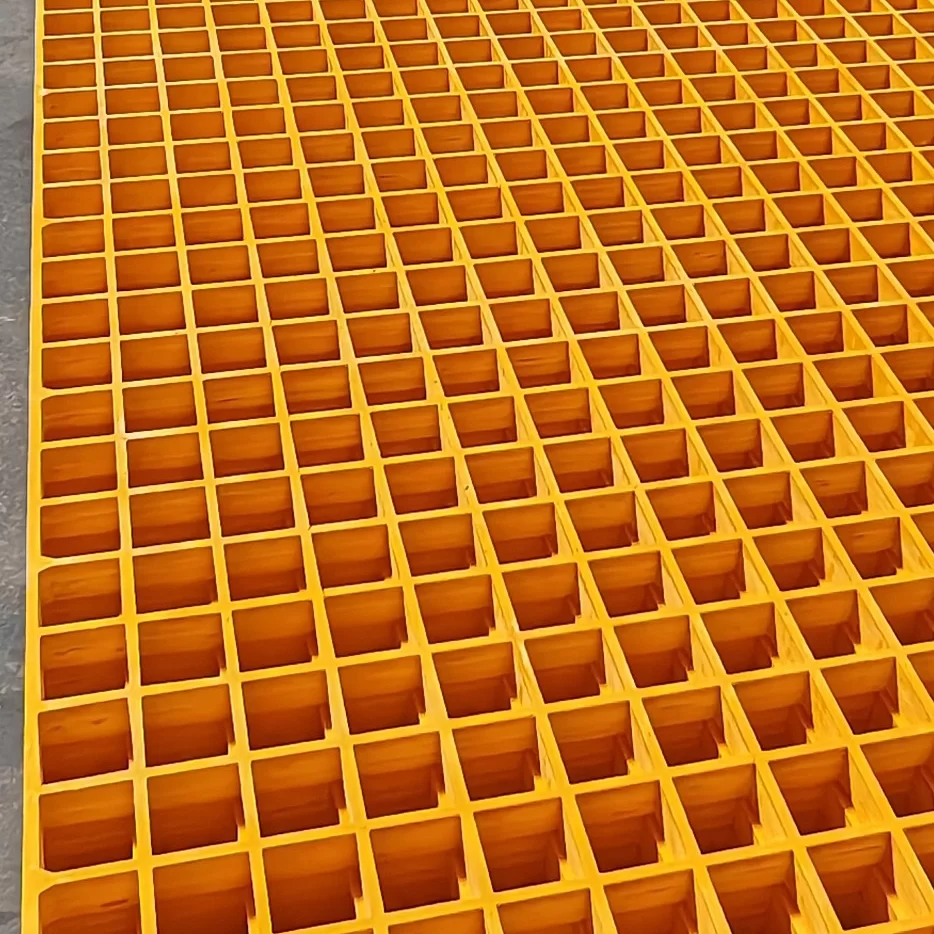
Economic factors also play a significant role. Zambia's developing economy requires solutions that are both affordable and sustainable. Fiberglass guardrail mesh, for instance, provides a safe and cost-effective alternative to traditional metal barriers. Import costs and logistical challenges can impact the competitiveness of fiberglass products, necessitating local manufacturing and supply chain development.
Evolution of Fiberglass Technology & Market Trajectory

Tracing the development of fiberglass technology and its application in the Zambian context.

Market Development History

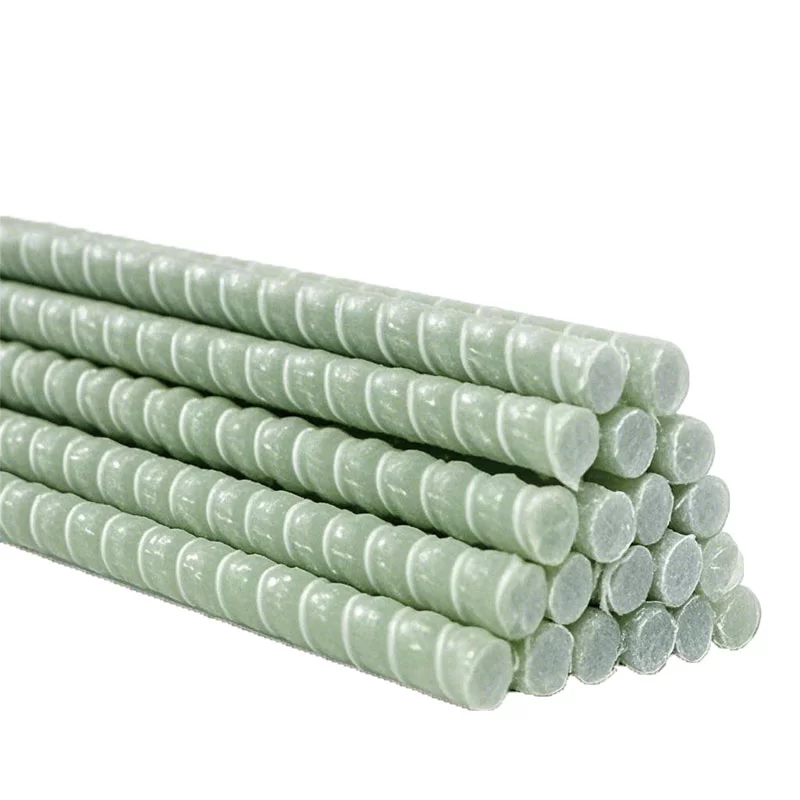
The use of fiberglass in Zambia began primarily with imported products in the 1980s, initially focused on boat building and automotive parts. Early applications were limited due to high costs and a lack of local expertise. By the 2000s, increasing awareness of fiberglass's benefits led to the introduction of fiber glass rebar for construction, offering corrosion resistance in concrete structures.

Between 2010 and 2020, the demand for fiberglass products grew, spurred by infrastructure development projects and a growing emphasis on sustainable solutions. Local manufacturing capabilities started to emerge, though still reliant on imported raw materials. The introduction of advanced resin systems and manufacturing techniques broadened the range of available products.

Today, the Zambian fiberglass market is characterized by a mix of imports and locally produced goods. The focus is shifting towards specialized applications, such as water tanks, fiberglass septic tank, and composite materials for the mining industry.

Future Development Trends

Enhanced Resin Technology

The development of bio-based and high-performance resins will be crucial for improving the sustainability and durability of fiberglass products. This aligns with global trends and increasing environmental regulations.

Automation & Manufacturing Efficiency

Investing in automated manufacturing processes will reduce production costs and improve product consistency, making fiberglass products more competitive in the Zambian market.

Composite Material Innovation

Carbon fiber reinforcement integration into fiberglass composites will create materials with superior strength-to-weight ratios, expanding applications in sectors like transportation and renewable energy.

Industry Trends and Future Outlook for Fiberglass in Zambia

Examining the evolving landscape of fiberglass technology and its prospective impact on the Zambian market.

Growing Demand in Sanitation
Increased urbanization and a focus on public health are driving demand for fiberglass septic tank systems in Zambia.
Infrastructure Development
Government investments in road construction and building projects are creating opportunities for fiberglass guardrail mesh and other composite infrastructure components.
Mining Sector Applications
The Zambian mining industry is increasingly adopting fiberglass composites for corrosion-resistant pipes, tanks, and structural components.
Agricultural Applications
Growing demand for durable and lightweight agricultural structures, utilizing fiberglass products for irrigation systems and livestock housing.

Industry Outlook

The fiberglass industry in Zambia is poised for significant growth over the next 3-5 years. Driven by infrastructure investments, increasing awareness of the benefits of composite materials, and a growing focus on sustainability, the market is expected to expand rapidly.

However, challenges remain, including the need for skilled labor, access to affordable raw materials, and the establishment of robust quality control standards. Addressing these challenges will be crucial for realizing the full potential of the fiberglass industry in Zambia.

Localized Application Scenarios in Zambia

Specific examples of how fiberglass products are being used to address local needs in Zambia.

1. Rural Sanitation Solutions

Providing affordable and durable fiberglass septic tank systems to rural communities lacking access to traditional sanitation infrastructure. These systems offer improved hygiene and reduced environmental pollution.

2. Corrosion-Resistant Water Infrastructure

Deploying fiberglass pipes and tanks for water storage and distribution in areas with corrosive water sources. This extends the lifespan of water infrastructure and reduces maintenance costs.

3. Road Safety Enhancements

Installing fiberglass guardrail mesh along highways and rural roads to improve road safety and reduce accidents, offering a durable and cost-effective alternative to metal barriers.

4. Agricultural Irrigation Systems

Utilizing fiberglass pipes and tanks for efficient irrigation systems in agricultural areas, promoting crop yields and water conservation.

Brand Story

Hebei Zhongtian Composite Material Group Co., Ltd. global development history

Foundational Commitment

Established in 2005, Hebei Zhongtian Composite Material Group Co., Ltd. began with a vision to revolutionize infrastructure materials in China.

Technological Innovation

In 2010, we invested heavily in R&D, pioneering advanced fiberglass composite technologies for enhanced durability and performance.

International Expansion

2015 marked our entry into international markets, driven by a commitment to provide sustainable solutions globally.

Africa-Focused Approach

In 2020, we strategically expanded our focus to Africa, recognizing the continent's growing need for robust and cost-effective infrastructure.

Zambia Partnership

Today, we are dedicated to partnering with Zambian communities to deliver superior fiberglass solutions that improve lives and build a sustainable future.

Complete Product Range for the Local Market

A comprehensive overview of our fiberglass products available in Zambia.

Frequently Asked Questions (Zambia)

Addressing common inquiries about our fiberglass products and services in the Zambian market.

What is the lifespan of a fiberglass septic tank compared to a concrete tank in Zambia?

Fiberglass septic tanks typically have a lifespan of 50+ years, significantly longer than concrete tanks which are susceptible to cracking and corrosion in Zambia’s soil conditions.

Are fiberglass products suitable for Zambia’s high temperatures and UV exposure?

Yes, our fiberglass products are manufactured with UV-resistant resins and coatings to withstand Zambia’s harsh climate, preventing degradation and maintaining structural integrity.

How does the cost of fiberglass rebar compare to steel rebar in Zambia, considering long-term maintenance?

While the initial cost of fiber glass rebar may be higher, its corrosion resistance eliminates the need for costly maintenance and replacements, resulting in lower lifecycle costs.

What is the installation process for fiberglass guardrail mesh, and are local Zambian technicians trained to handle it?

Installation is relatively straightforward and requires basic tools. We provide training programs for Zambian technicians to ensure proper installation and safety standards.

Can you provide certifications and quality assurance documentation for your fiberglass products destined for Zambian projects?

Absolutely. We provide comprehensive certifications and quality assurance documentation, meeting international standards and Zambian regulatory requirements.

What are the environmental benefits of using fiberglass products compared to traditional materials in Zambian construction?

Fiberglass products are lightweight, reducing transportation costs and emissions. They also require less energy to manufacture and have a longer lifespan, minimizing waste and resource consumption.

Get in Touch with Us in Zambia

We are committed to providing high-quality fiberglass solutions for projects across Zambia. Contact us today to discuss your needs.

Contact Us Now

If you are interested in our products, you can choose to leave your information here, and we will be in touch with you shortly.