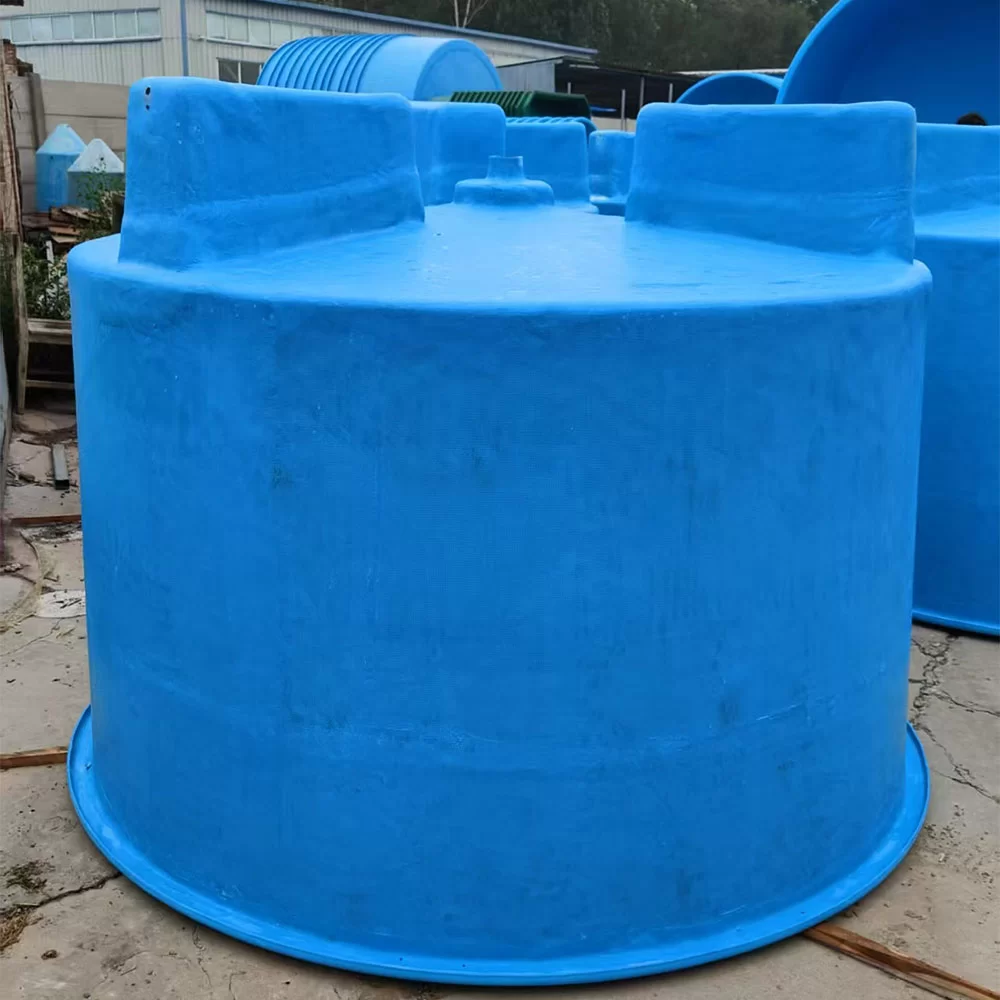
Fiberglass Septic Tank Solutions for Central African Republic

Fiberglass Septic Tank Solutions for Central African Republic

Delivering durable and cost-effective fiberglass solutions to meet the growing infrastructure needs of the Central African Republic.

Fiberglass Septic Tank Solutions for Central African Republic

Providing innovative fiberglass solutions for wastewater management in the Central African Republic, ensuring sanitation and environmental protection.

Current State of Fiberglass Products in the Central African Republic

Analyzing the market dynamics and challenges for fiberglass products in the Central African Republic.

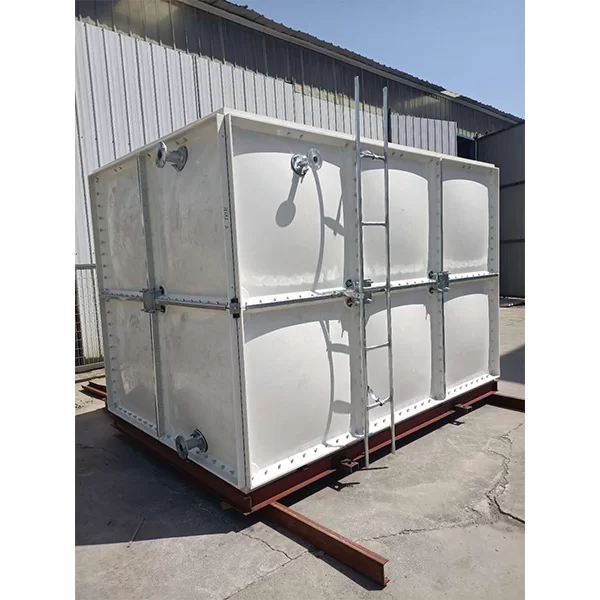
The Central African Republic faces unique infrastructural challenges, including limited access to reliable sanitation systems. Traditional septic tank construction is often hampered by the availability of materials like concrete and skilled labor. This presents a significant opportunity for fiberglass septic tank solutions, offering a lightweight, durable, and easily installable alternative. The humid, subtropical climate necessitates robust materials capable of withstanding constant moisture and temperature fluctuations.

Currently, the adoption of fiberglass products is nascent, largely due to import costs and a lack of local manufacturing capabilities. However, increasing awareness of the benefits – longevity, corrosion resistance, and reduced environmental impact – is driving demand. Government initiatives focused on improving public health and sanitation are expected to further stimulate the market. Supply chains and distribution networks are still developing, impacting accessibility to remote regions.

The economic landscape of the Central African Republic, characterized by political instability and limited economic diversification, poses challenges for sustainable growth in the fiberglass rebar and composite materials sector. However, projects funded by international aid organizations represent a promising avenue for market penetration. The need for durable and cost-effective building materials is paramount in a region prone to natural disasters and infrastructural decay.
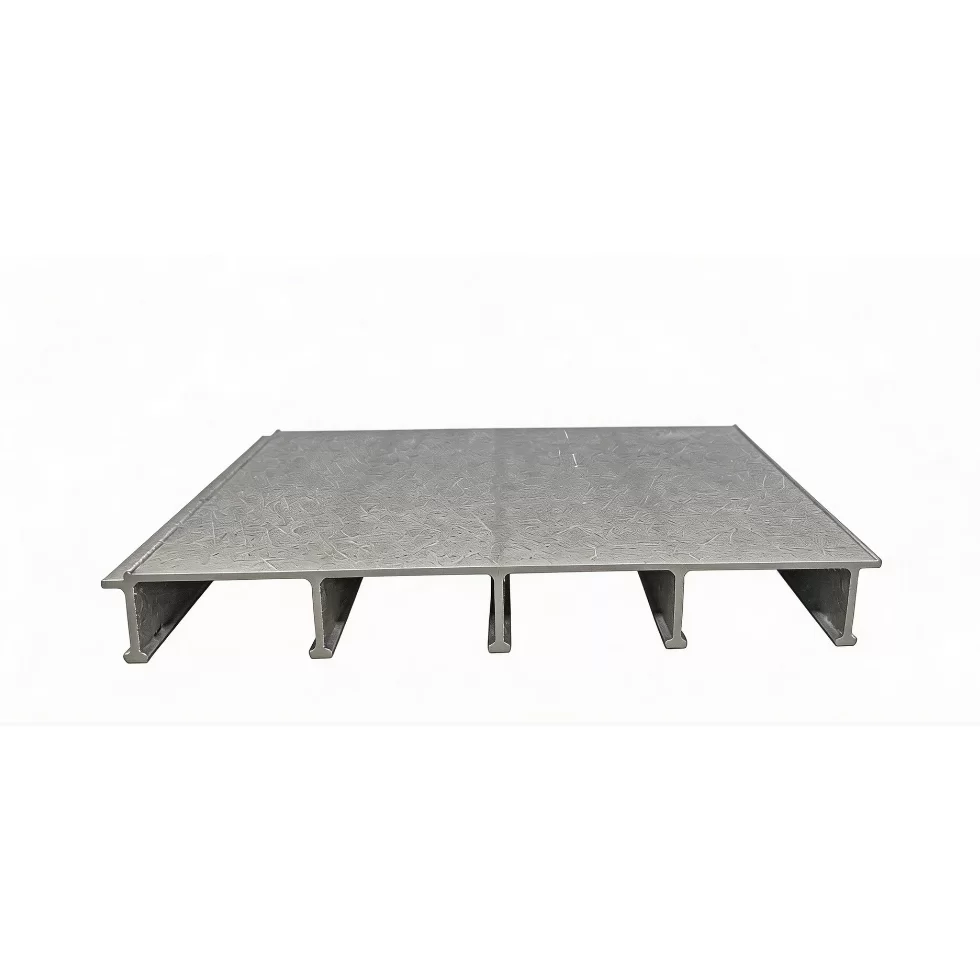
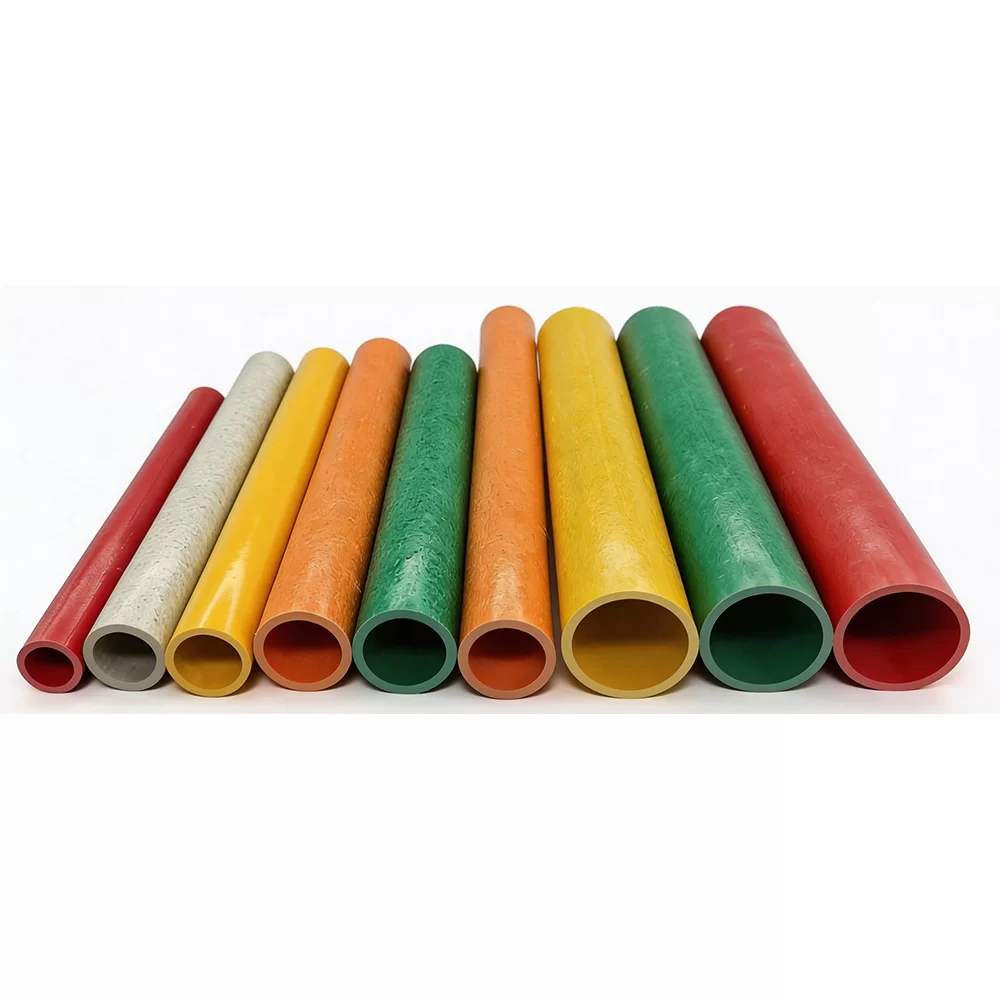
Evolution of Fiberglass Composite Technology in the Central African Republic

Tracing the development and adoption of fiberglass reinforced plastic (FRP) technology in the region.

Market Development History

Prior to the 2000s, the use of fiberglass in the Central African Republic was almost entirely limited to small-scale applications like boat building and vehicle repairs, relying heavily on imported materials. The lack of local expertise and manufacturing facilities hindered broader adoption. In the early 2010s, the first initiatives began to explore the potential of fiberglass products for sanitation solutions, driven by the need for improved wastewater management.

Between 2015 and 2020, a gradual increase in awareness and pilot projects showcased the benefits of FRP materials, particularly fiberglass septic tanks. These projects demonstrated superior performance compared to traditional concrete systems in terms of durability, installation speed, and cost-effectiveness. Importantly, several international NGOs started sponsoring the procurement of these products.

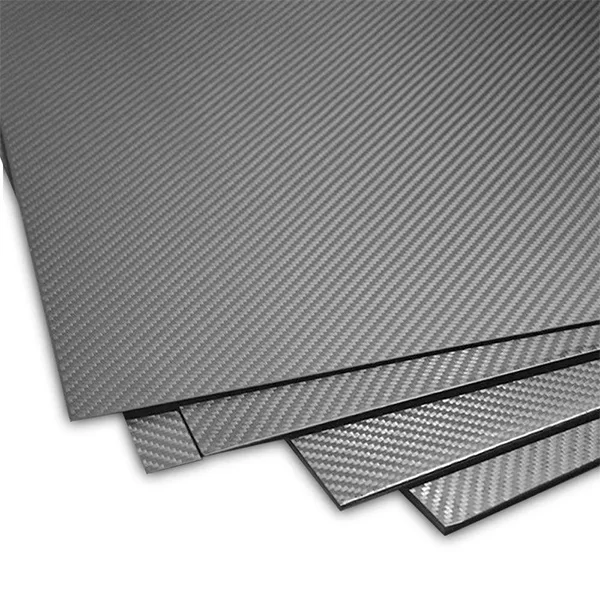
From 2020 to the present, the market has begun to transition towards increased localization. While full-scale manufacturing remains a challenge, several small-scale workshops have emerged, focusing on assembling components and providing installation services. Demand for carbon fiber reinforcement in infrastructure projects is also slowly rising.

Future Development Trends

Growing Demand for Sustainable Sanitation Solutions

The increasing emphasis on sustainable development goals and improved public health will drive demand for efficient and eco-friendly sanitation solutions, positioning fiberglass septic tanks as a key technology.

Enhanced Material Properties through Nanotechnology

Advancements in nanotechnology will lead to the development of fiberglass composites with improved strength, durability, and corrosion resistance, extending their lifespan and reducing maintenance requirements.

Increased Localization of Manufacturing

Efforts to establish local manufacturing facilities will reduce import costs, create employment opportunities, and strengthen the domestic fiberglass industry in the Central African Republic.

Industry Trends and Future Outlook for Fiberglass Composites in the Central African Republic

Exploring the evolving landscape and potential opportunities for fiberglass products in the region.

Increased Demand for Durable Infrastructure
The Central African Republic’s need for resilient infrastructure will drive demand for fiberglass guardrail mesh and reinforced concrete components.
Growth in the Water & Sanitation Sector
Investments in water and sanitation infrastructure will propel demand for fiberglass septic tank systems.
Focus on Lightweight and Corrosion-Resistant Materials
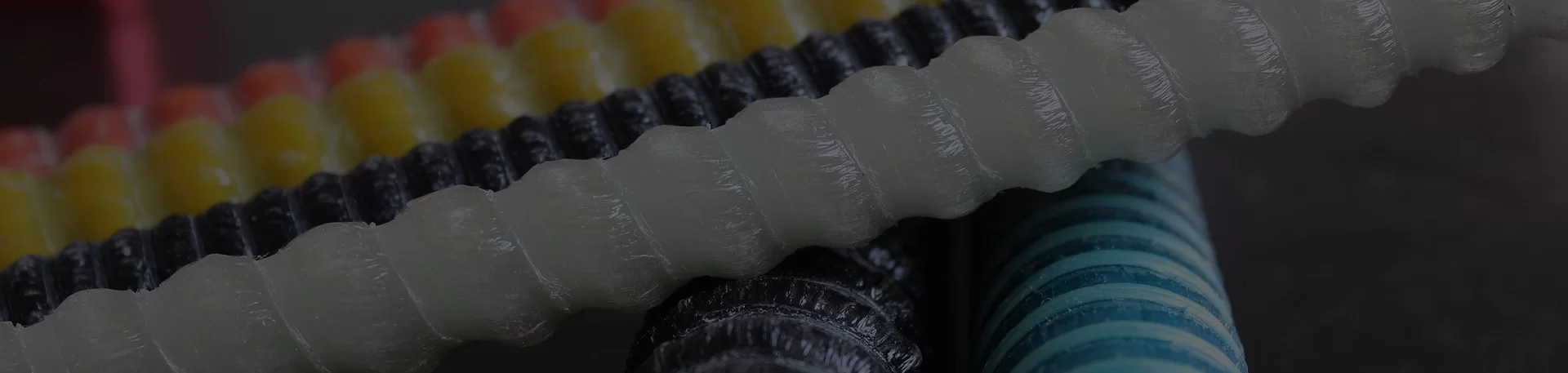
The need for materials that can withstand harsh environmental conditions will favor the adoption of fiber glass rebar and other composites.
Expansion of Renewable Energy Infrastructure
Growth in the renewable energy sector, particularly solar and wind power, will drive demand for composite materials for blades and structural components.

Industry Outlook

Over the next 3-5 years, the fiberglass composite market in the Central African Republic is projected to experience moderate growth, driven by infrastructure development and increased awareness of the benefits of FRP materials. Strategic partnerships between local businesses and international suppliers will be crucial for success.

Google Trends data indicates a growing search interest in “septic tanks” and “composite materials” within the Central African Republic, suggesting increasing consumer awareness and demand. Focusing on targeted digital marketing campaigns and localized content will be essential to capitalize on this trend.

Localized Application Scenarios for Fiberglass Composites in the Central African Republic

Illustrating real-world applications of fiberglass products in the region.

1. Rural Sanitation Programs

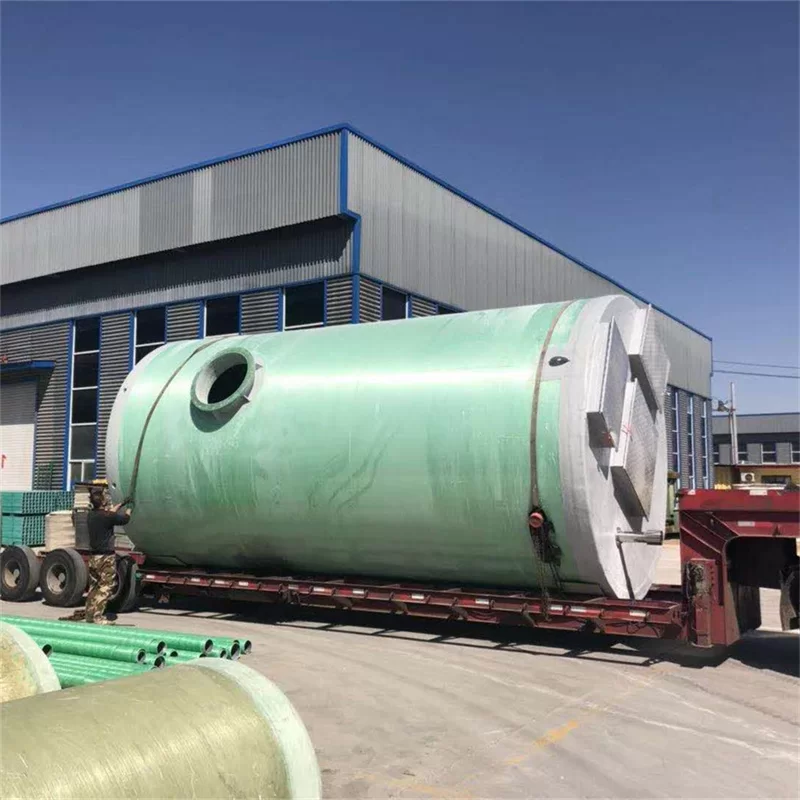
Deploying fiberglass septic tank systems in rural communities lacking access to centralized sewage treatment, improving public health and reducing environmental contamination. This is particularly crucial given the prevalence of waterborne diseases in these areas.

2. Bridge and Road Infrastructure

Utilizing fiber glass rebar as reinforcement in concrete structures for bridges and roads, enhancing durability and reducing corrosion in a humid climate. This offers a cost-effective solution for maintaining critical transportation infrastructure.

3. Agricultural Water Management

Employing fiberglass pipes and tanks for irrigation systems in agricultural areas, providing a reliable and efficient water supply for crop production. The lightweight nature of fiberglass simplifies installation and reduces transportation costs.

4. Coastal Protection Structures

Using fiberglass guardrail mesh for shoreline protection and erosion control in areas vulnerable to flooding and coastal erosion, safeguarding communities and infrastructure.

5. Housing Construction

Incorporating fiberglass composite panels and roofing materials into affordable housing projects, providing durable, lightweight, and energy-efficient building solutions.

Brand Story

Hebei Zhongtian Composite Material Group Co., Ltd.'s global development journey

Establishing a Foundation for Composite Excellence

Founded in 2008, Hebei Zhongtian Composite Material Group Co., Ltd. began with a commitment to innovation and quality in fiberglass composite manufacturing.

Expanding Product Portfolio and Technological Capabilities

Over the years, we expanded our product range to include septic tanks, rebar, guardrails, and specialized components, investing in advanced production technologies and R&D.

Global Market Penetration and Strategic Partnerships

We forged strategic partnerships with distributors and clients worldwide, establishing a presence in key markets across Africa, Asia, and South America.

Commitment to Sustainability and Environmental Responsibility

We prioritize sustainable manufacturing practices, minimizing waste and reducing our environmental footprint through efficient resource utilization.

Empowering Communities Through Durable Infrastructure

Our mission is to empower communities with resilient and affordable infrastructure solutions, improving lives and fostering sustainable development.

Comprehensive Product Range for the Central African Republic

A curated selection of fiberglass products tailored to meet the unique needs of the Central African Republic.

Frequently Asked Questions about Fiberglass Products in the Central African Republic

Addressing common inquiries regarding the application and benefits of fiberglass composites in the region.

What are the long-term cost savings of using fiberglass septic tanks compared to traditional concrete tanks in the Central African Republic?

Fiberglass septic tanks require less frequent maintenance and have a longer lifespan than concrete tanks, resulting in significant cost savings over time. They are also lighter, reducing installation costs.

How does the humid climate of the Central African Republic affect the performance of fiberglass rebar in concrete structures?

Fiberglass rebar is highly resistant to corrosion, making it ideal for use in humid climates. It outperforms steel rebar in terms of durability and reduces the risk of structural failure due to rust.

What is the typical lifespan of a fiberglass guardrail mesh system installed in a high-traffic area in the Central African Republic?

Fiberglass guardrail mesh systems typically have a lifespan of 20-30 years, even in high-traffic areas. They are resistant to impact, corrosion, and weathering, ensuring long-term safety and reliability.

Are fiberglass composite materials suitable for use in the construction of affordable housing in the Central African Republic?

Yes, fiberglass composites are an excellent choice for affordable housing construction. They are lightweight, durable, easy to install, and offer good thermal insulation properties.

What are the environmental benefits of using fiberglass septic tanks compared to traditional concrete septic systems?

Fiberglass septic tanks are more environmentally friendly than concrete systems because they require less energy to produce and generate less waste during manufacturing. They also reduce the risk of groundwater contamination.

What installation training and support is available for using fiberglass products in infrastructure projects in the Central African Republic?

We offer comprehensive installation training and technical support to ensure the proper and effective use of our fiberglass products. We can provide on-site assistance and guidance to local contractors.

Get in Touch with Us

We are here to help you find the perfect fiberglass solutions for your projects in the Central African Republic.

Contact Us Now

If you are interested in our products, you can choose to leave your information here, and we will be in touch with you shortly.