Composite Material Solutions for Mongolia Infrastructure

Composite Material Solutions for Mongolia Infrastructure

High-performance fiberglass products designed to withstand extreme temperature fluctuations and corrosive environments across Mongolia's industrial landscapes.

Request Details

Advanced Composite Engineering Series

Industrial-grade GFRP and Carbon Fiber reinforcements tailored for heavy-duty municipal and mining applications.

Adapting Composite Materials to Mongolia's Industrial Environment

Addressing structural durability in extreme continental climates.

The geographical landscape of Mongolia, characterized by severe temperature swings and vast mineral resources, creates a unique demand for durable fiberglass products. Traditional steel reinforcements often struggle with corrosion in mining runoff or crack under extreme freeze-thaw cycles. By utilizing non-metallic mineral composites, local infrastructure can achieve significantly longer lifespans without the need for frequent anti-corrosive coatings.

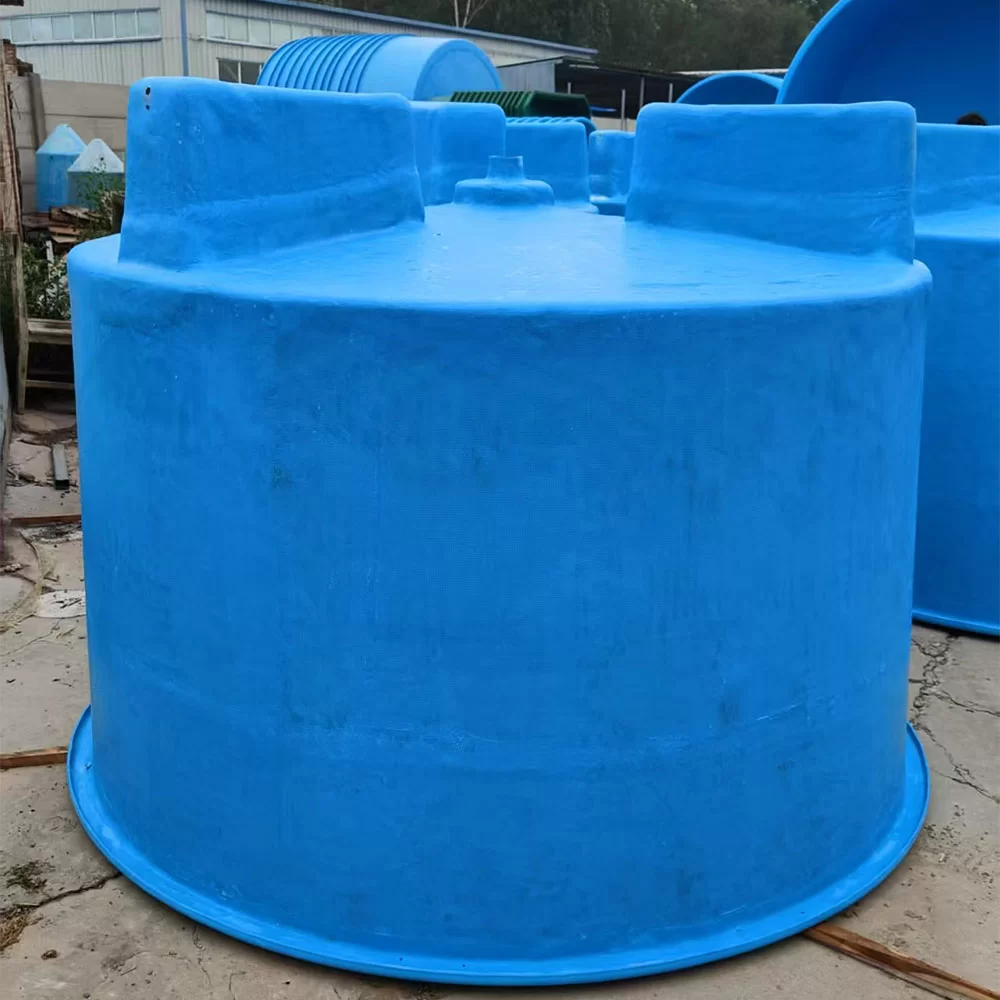
In the realm of environmental sanitation, the deployment of a fiberglass septic tank offers a critical advantage in remote regions. Unlike concrete alternatives, these composite tanks are lightweight for easier transport across rugged terrains and remain impervious to soil chemicals, preventing groundwater contamination. This shift towards FRP technology is essential for expanding sustainable municipal services in developing urban centers.

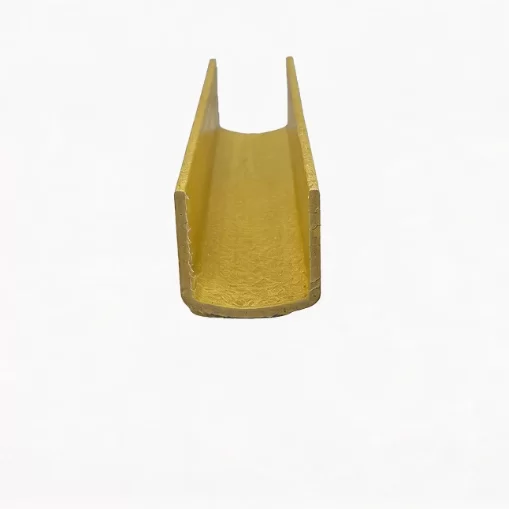
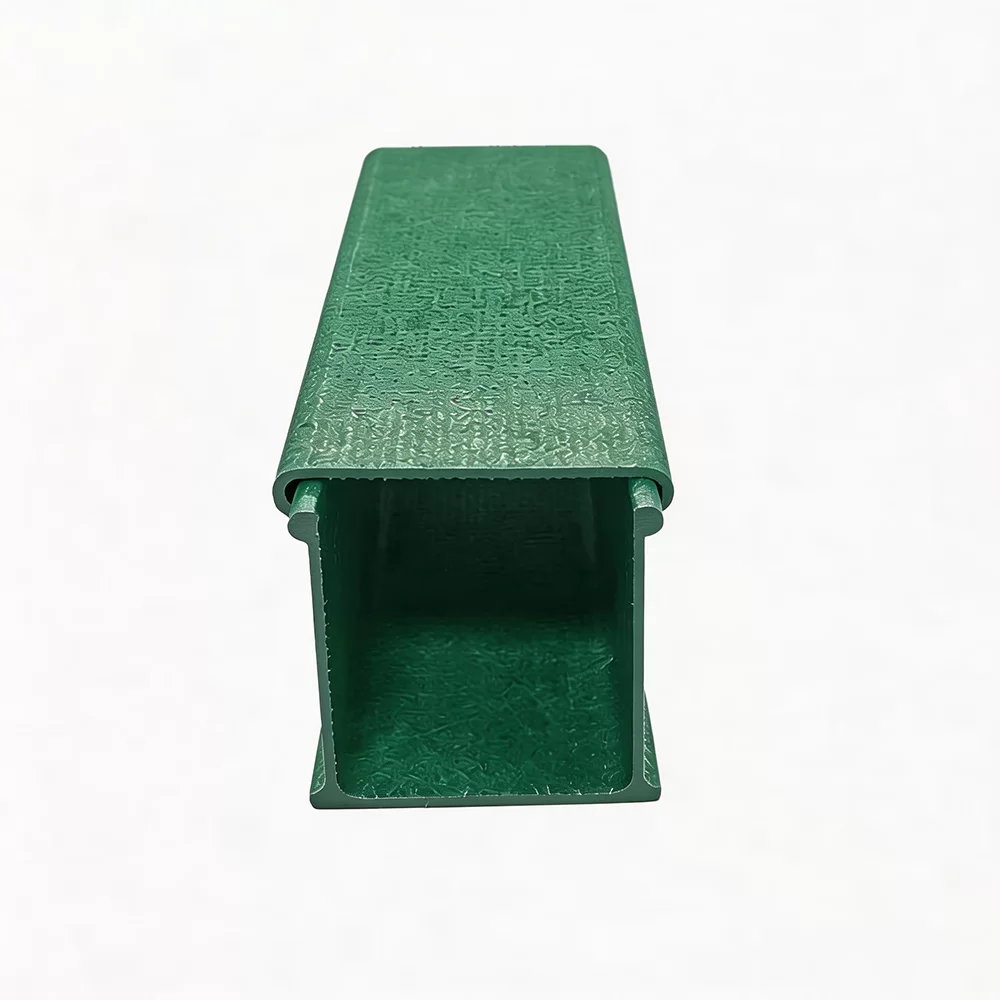
From an engineering perspective, the integration of fiber glass rebar into concrete structures is becoming a strategic priority. This material provides the necessary tensile strength while eliminating the risk of internal rust. As Mongolia continues to modernize its transport and energy corridors, the move toward corrosion-resistant, high-strength composite profiles ensures that critical assets remain stable despite the harsh external environment.

Evolution of Composite Applications in Central Asia

Tracing the transition from traditional materials to high-performance polymers.

Technology Progress

2000-2010

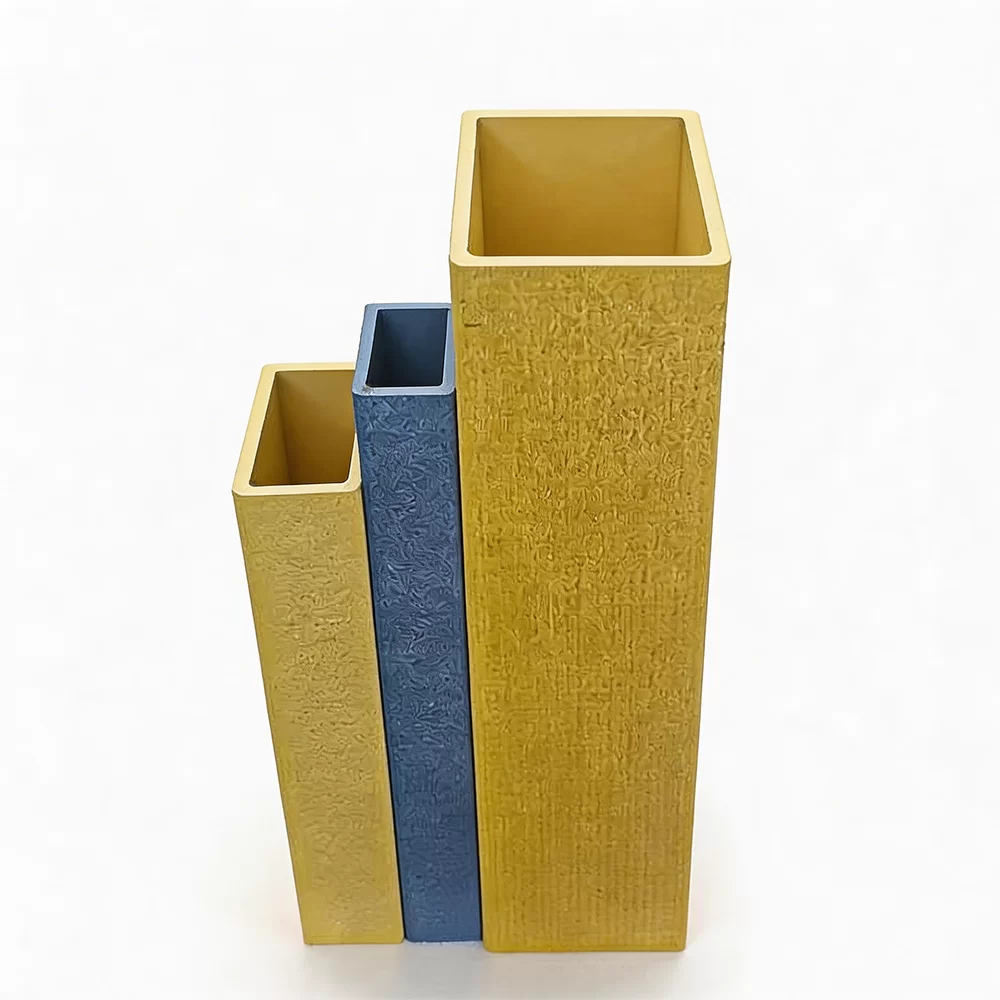
Initial Adoption. Basic FRP profiles were introduced primarily for simple corrosive storage and ventilation, replacing heavy metal piping in early industrial plants.

2011-2020

Structural Integration. Shift toward GFRP rebar and structural profiles for civil engineering, focusing on corrosion resistance in mining and municipal water projects.

2021-Present

Advanced Composites. Integration of carbon fiber reinforcement for high-stress structural repairs and specialized high-strength protective sleeves.

Market Trends

  • Weight Reduction Strategy

    Increasing preference for composites in remote construction to reduce logistics costs and installation time in difficult terrains.

  • Lifecycle Cost Focus

    Transitioning from lowest initial purchase price to lowest total cost of ownership by eliminating recurring maintenance.

  • Environmental Compliance

    Adopting leak-proof, non-reactive materials for wastewater and chemical storage to meet stricter environmental standards.

Future Outlook for Composite Engineering in Mongolia

Strategic directions for sustainable industrial growth.

Material Hybridization
Combining GFRP and carbon fiber to optimize the strength-to-weight ratio for heavy-duty mining equipment.
Modular Rapid Deployment
Development of prefabricated FRP components for fast installation in rural and remote Mongolian provinces.
Thermal Stability Engineering
Enhanced resin systems specifically formulated to prevent embrittlement at temperatures below -40°C.
Circular Economy Integration
Implementing recycling pathways for decommissioned GFRP components to reduce industrial waste in local sites.

From current market trends, we expect a significant increase in the adoption of composite materials for energy infrastructure. As Mongolia expands its renewable energy capacity, the need for non-conductive and weather-resistant structural supports will grow, moving beyond simple piping to comprehensive system frames.

The future supply chain will likely emphasize localized assembly of composite kits. By combining high-precision manufacturing from specialized partners with local installation expertise, project lead times can be reduced while maintaining strict ISO quality standards for municipal works.

Real-World Application Scenarios in Mongolia

Solving specific regional challenges through composite engineering.

01
Mining Wastewater Management

Installing FRP deodorization and sewage tanks in local industrial zones to contain toxic runoff, preventing soil erosion and corrosion that typically destroys metal tanks within years.

02
Remote Highway Safety

Implementing fiberglass guardrail mesh along regional transit corridors to provide high-visibility, weather-resistant barriers that do not rust in salty winter environments.

03
Agricultural Water Storage

Using FRP fish ponds and water storage tanks in rural livestock areas, providing a durable, leak-proof solution that resists the extreme temperature shifts of the steppe.

04
Municipal Sewage Upgrades

Replacing aged concrete pipes with FRP filament-wound pressure pipes in urban drainage systems to eliminate leakages and reduce excavation costs during installation.

05
Industrial Platform Flooring

Installing FRP gratings in chemical processing plants within local industrial parks to ensure operator safety via non-slip, non-conductive, and corrosion-free walking surfaces.

Hebei Zhongtian Composite Materials Group Co., Ltd.

Over a decade of excellence in composite material design and production.

2008
Company Foundation

Founded in Zaoqiang County, establishing a large-scale production base integrating design, sales, and installation of FRP products.

2016
System Certification

Successfully passed ISO9001:2000 quality system, environmental management, and occupational health and safety certifications.

Ongoing
Global Expansion

Undertaking large-scale international projects, contributing to municipal environmental improvements and major water diversion efforts.

Custom Composite Solutions for Mongolia

Explore our full range of corrosion-resistant GFRP profiles, pipes, and reinforcement tools.

Composite Material Technical FAQ

Expert answers to common engineering and procurement questions.

How does GFRP rebar perform in Mongolia's extreme cold temperatures?

GFRP rebar is engineered to remain stable in extreme temperatures. Unlike steel, it does not undergo the same type of thermal contraction and expansion stress, and it is completely immune to the salt-induced corrosion common in winter-maintained roads.

What are the transport advantages of a fiberglass septic tank over concrete?

Fiberglass tanks are significantly lighter, reducing shipping costs and allowing for installation in remote areas where heavy crane equipment may be unavailable. They are also one-piece constructions, eliminating joint leaks.

When should we choose carbon fiber reinforcement over standard fiberglass?

Carbon fiber should be selected for applications requiring maximum stiffness and higher load-bearing capacity with minimum thickness, such as critical structural repairs in mining shafts or high-pressure industrial components.

Is fiberglass guardrail mesh resistant to UV degradation in high-altitude regions?

Yes, our products are manufactured with UV-stabilized resins that prevent yellowing and brittleness, ensuring long-term structural integrity even under the intense solar radiation found in Mongolia's highlands.

What certifications ensure the quality of these composite products?

Our production processes follow ISO9001:2000 quality system standards, along with certified environmental and occupational health and safety management systems, ensuring consistent material density and strength.

Can GFRP products be installed using standard construction tools?

Most GFRP products can be cut and installed using modified standard tools. We provide technical guidance for cutting rebar and joining pipes to ensure a secure, leak-proof fit without compromising material strength.

Optimize Your Infrastructure in Mongolia

Consult with our engineers to find the ideal composite solution for your specific environmental and structural requirements in Mongolia.

Get a Quote

If you are interested in our products, you can choose to leave your information here, and we will be in touch with you shortly.