Advanced Fiberglass Products for Infrastructure Development in Asia Vietnam

  • Home
  • Global Service
  • Advanced Fiberglass Products for Infrastructure Development in Asia Vietnam

Advanced Fiberglass Products for Infrastructure Development in Asia - Vietnam

Providing high-performance composite solutions, including fiber glass rebar and specialized storage tanks, to meet the rigorous industrial demands of Vietnam's growing urban landscape.

Resilient Composite Engineering for Vietnam's Industry

Addressing the challenges of corrosion and structural decay in tropical climates with fiberglass products that ensure long-term durability and reduced maintenance costs.

Vietnam's Industrial Evolution and the Shift to Composites

Analyzing the demand for non-metallic mineral products in Southeast Asia's manufacturing hub.

Vietnam is currently witnessing a massive expansion in industrial zoning and urban infrastructure. The rapid development of coastal economic zones and the proliferation of manufacturing plants have increased the demand for materials that can withstand high humidity and saline environments. Traditional steel reinforcement often fails prematurely in these conditions, leading to a strategic shift toward composite alternatives.

The local geography, characterized by extensive river networks and a long coastline, creates a unique requirement for corrosion-resistant water management systems. From municipal wastewater treatment to industrial chemical storage, the infrastructure in Vietnam requires materials that offer both high mechanical strength and total immunity to electrochemical corrosion, making FRP solutions an essential upgrade for modern projects.

Despite the clear technical advantages, many local procurement cycles still struggle with the balance between initial investment and lifecycle value. The primary challenge lies in transitioning from traditional metallurgy to advanced composites, requiring suppliers who can provide not just the materials, but the technical specifications and installation guidance necessary for large-scale deployment.
The Evolution of Fiber Reinforced Polymers

From basic insulating materials to high-strength structural reinforcements.

Industry Milestones

Early Market Development
Initial adoption focused on simple molded shapes and basic insulating panels where weight reduction was the primary goal, with limited structural load-bearing capabilities.

Technical Diversification
The introduction of pultrusion and filament winding allowed for the creation of complex profiles and pressure-resistant vessels, expanding the use of FRP into chemical processing and marine industries.

High-Performance Integration
Current standards emphasize the integration of high-modulus fibers and optimized resin systems, enabling carbon fiber reinforcement to replace traditional metals in critical structural applications.

Future Strategic Trends

1. Hybrid Material Systems

Combining different fiber types to optimize the strength-to-cost ratio, allowing for customized elasticity and hardness based on specific project needs.

2. Modular Prefabrication

A shift toward fully integrated, factory-built composite modules that can be shipped and installed rapidly, reducing on-site labor and errors.

3. Enhanced Environmental Bonding

Developing next-generation resins that offer better UV resistance and thermal stability for extreme tropical climates like those found in Southeast Asia.

How innovation in composite manufacturing is reshaping local procurement and application.

Precision Automation
Utilization of microcomputer-controlled winding and extrusion to ensure zero-defect structural integrity in pressure pipes and tanks.
Digital Design Integration
Applying advanced CAD/CAM simulations to predict load distribution for fiber glass rebar in seismic zones.
Value-Based Procurement
Moving from lowest-bid selection to Total Cost of Ownership (TCO) models, prioritizing lifespan over initial purchase price.
Eco-Centric Materials
Developing low-emission resin systems and recyclable composite components to align with global green building certifications.

Industry Outlook for Vietnam

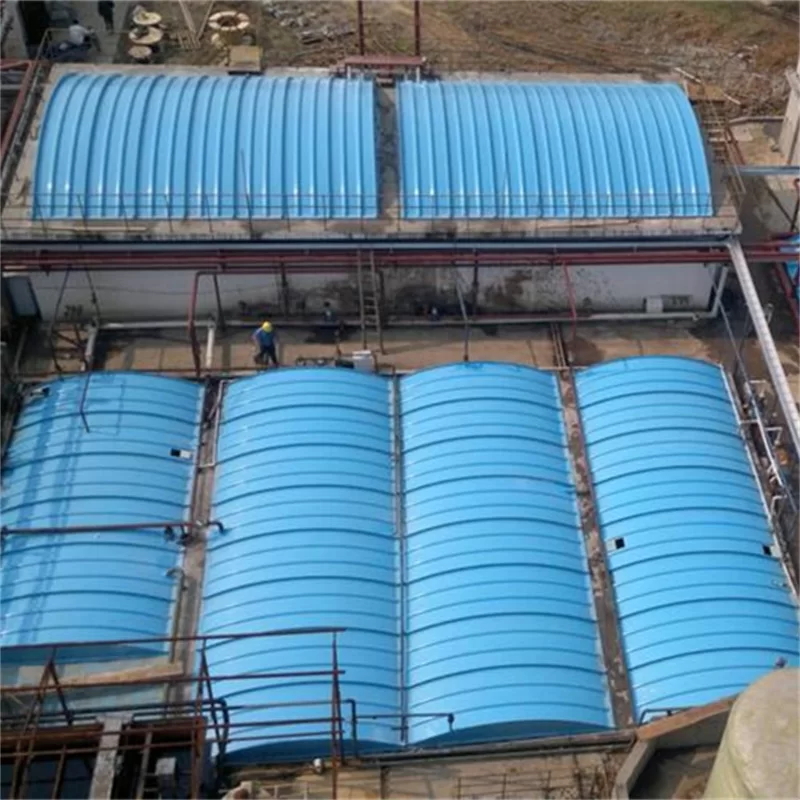
Over the next few years, we expect a surge in the adoption of FRP within municipal environmental improvement projects. As Vietnam tightens its environmental regulations, the demand for high-performance fiberglass septic tank systems and wastewater treatment towers will accelerate.

The convergence of infrastructure investment and the need for corrosion-proof materials will likely make composites the primary choice for coastal bridges, tunnels, and chemical plants, significantly reducing the frequency of structural repairs in the region.

Practical Applications in the Vietnamese Context

Tailored composite solutions for diverse environmental and industrial challenges.

Coastal Road Safety Infrastructure

Implementing fiberglass guardrail mesh in saline-heavy coastal highways to prevent rust-induced failure, ensuring long-term safety for commuters without frequent replacement.

Industrial Wastewater Management

Using GFRP process piping and deodorization tanks for textile and electronics factories in Binh Duong, providing chemical resistance against harsh industrial effluents.

Urban Residential Sanitation

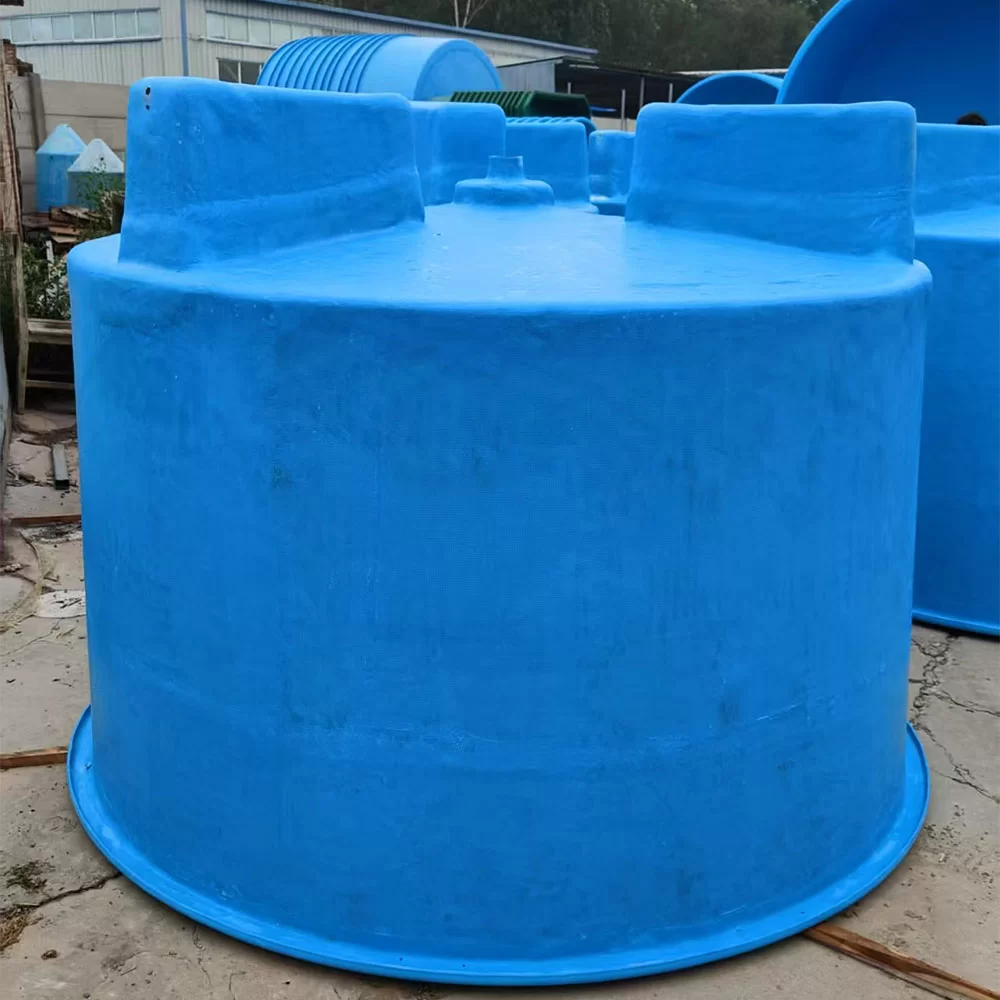
Deploying integrated fiberglass septic tank units in densely populated Ho Chi Minh City districts to ensure leak-proof waste containment.

Marine Pier and Wharf Reinforcement

Integrating GFRP rebar into concrete pier supports in Da Nang to eliminate internal corrosion, extending the operational life of maritime logistics hubs.

Aquaculture Facility Construction

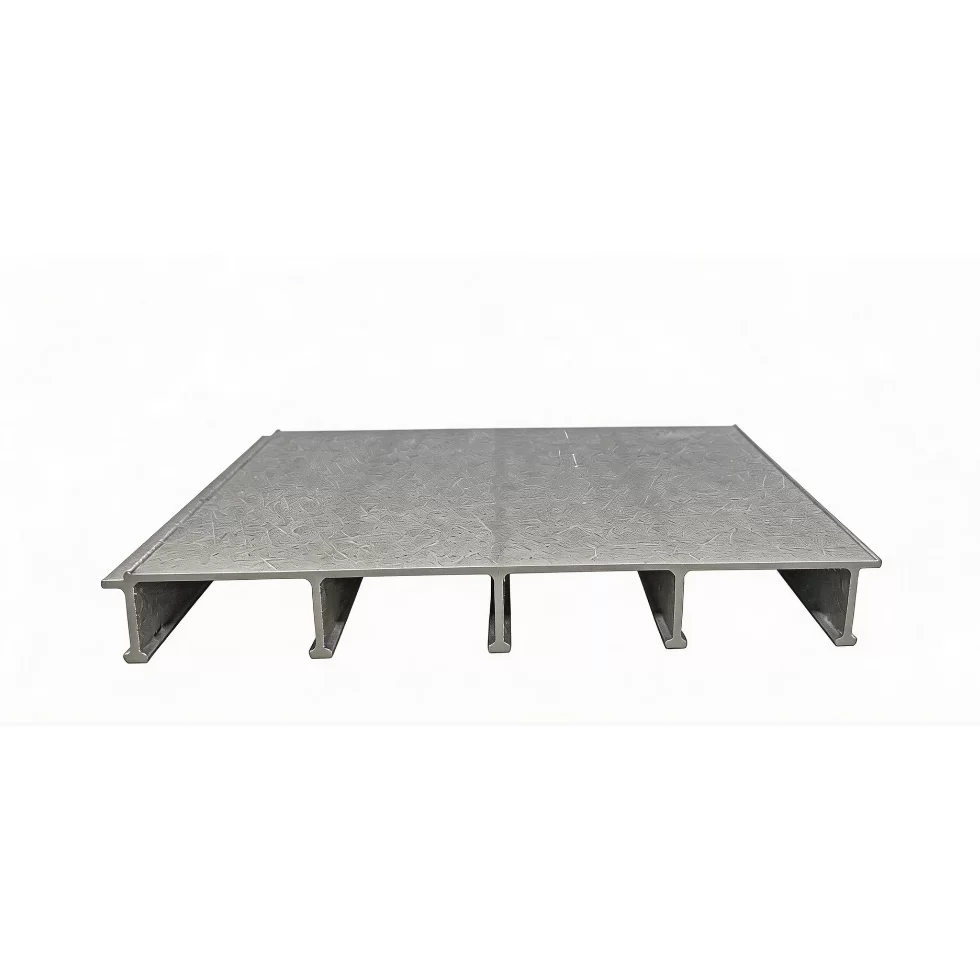
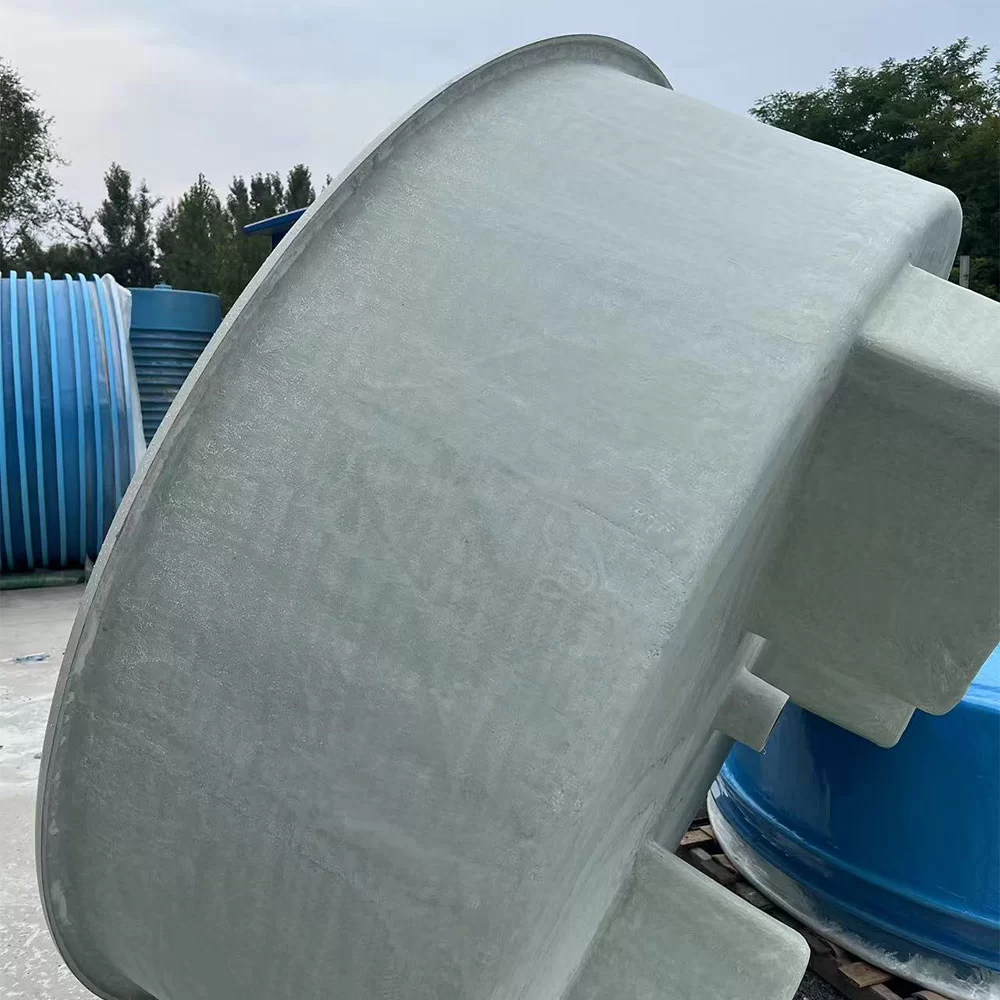
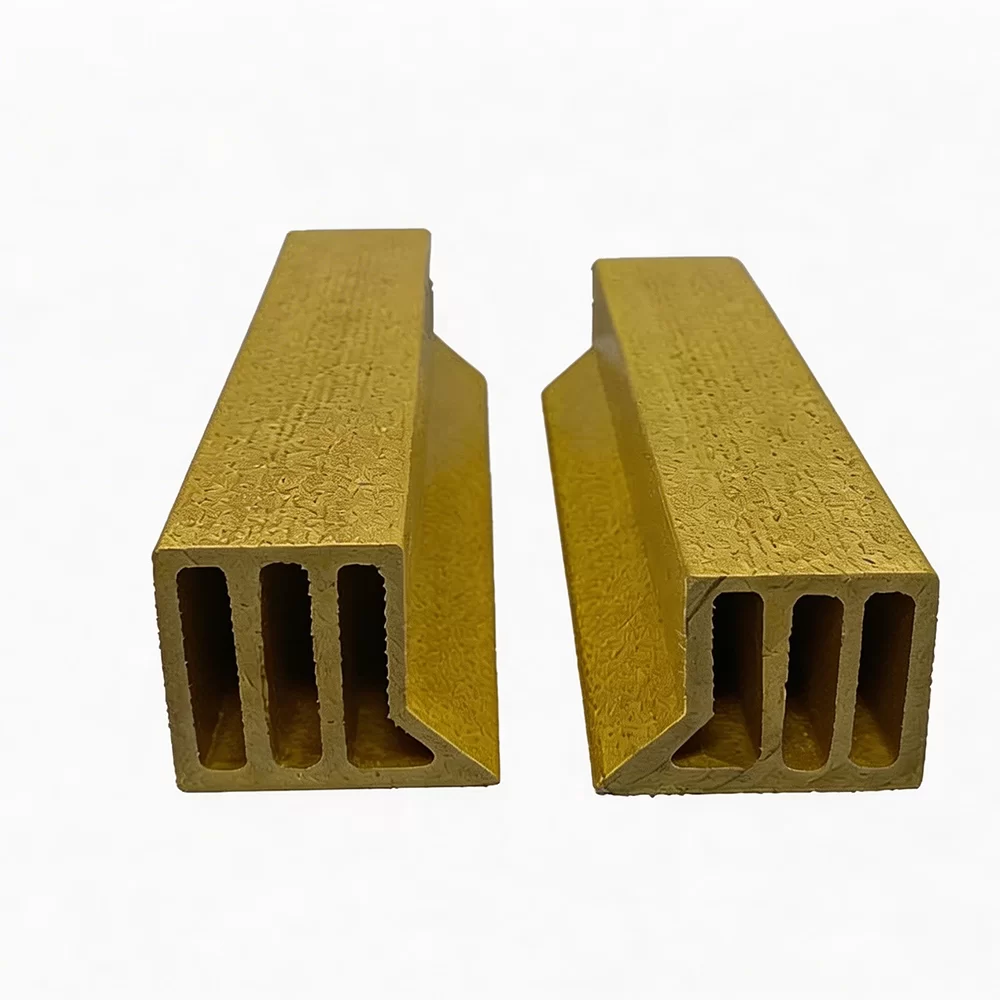
Utilizing FRP fish ponds and customized pultruded profiles for sustainable shrimp farming in the Mekong Delta, offering an easy-to-clean, non-toxic environment.

Hebei Zhongtian's Engineering Excellence

From a specialized production facility to a comprehensive composite group integrating design, manufacturing, and installation.

2008

Company Foundation

Hebei Zhongtian Composite Materials Group Co., Ltd. was established as a large-scale enterprise focusing on the integrated design, production, and sales of fiberglass materials.

2016

Quality System Certification

Successfully passed ISO9001:2000 quality system certification, environmental management system certification, and occupational health and safety management system certification.

Current

Global Project Execution

Now delivering large-scale projects internationally, contributing to environmental protection and municipal improvement through advanced composite technology.

Comprehensive Composite Product Portfolio

A complete range of FRP solutions designed to meet the diverse industrial and municipal needs of the Vietnamese market.

Composite Solutions FAQ for Asia - Vietnam

Answers to common technical and procurement questions regarding FRP applications.

What are the primary advantages of using GFRP rebar in Vietnamese coastal projects?

GFRP rebar is completely immune to chloride-induced corrosion, which is the leading cause of concrete spalling in coastal regions. This eliminates the need for expensive epoxy coatings and significantly extends the structural lifespan of piers and bridges.

How does a fiberglass septic tank compare to traditional concrete alternatives?

Fiberglass tanks are lightweight, leak-proof, and highly resistant to chemical corrosion from sewage. Unlike concrete, they do not crack under soil movement, making them ideal for the varied terrain found across Vietnam.

Why should industrial plants in Vietnam consider carbon fiber reinforcement?

Carbon fiber provides exceptional strength-to-weight ratios and extreme rigidity. It is used for reinforcing existing structures that need increased load capacity without adding significant weight or bulk, which is critical for upgrading older facilities.

What are the procurement considerations for importing large-scale FRP equipment?

Buyers should prioritize suppliers with ISO certifications and proven experience in international logistics. Focus on the Total Cost of Ownership, considering the reduction in maintenance and the increase in asset longevity provided by composites.

How is fiberglass guardrail mesh installed in high-traffic road areas?

The mesh is typically secured using heavy-duty composite or stainless-steel anchors. Its lightweight nature allows for faster deployment compared to steel barriers, reducing road closure times and installation labor costs.

Can FRP pultruded profiles be customized for specific agricultural needs?

Yes, pultruded profiles can be engineered for specific dimensions and resin properties to resist specific agricultural chemicals or UV exposure, making them ideal for greenhouses and hydroponic systems.

Optimize Your Infrastructure in Vietnam

Contact our technical team to discuss high-performance composite solutions tailored for the specific environmental conditions of Asia - Vietnam.

Request Technical Quote

If you are interested in our products, you can choose to leave your information here, and we will be in touch with you shortly.