
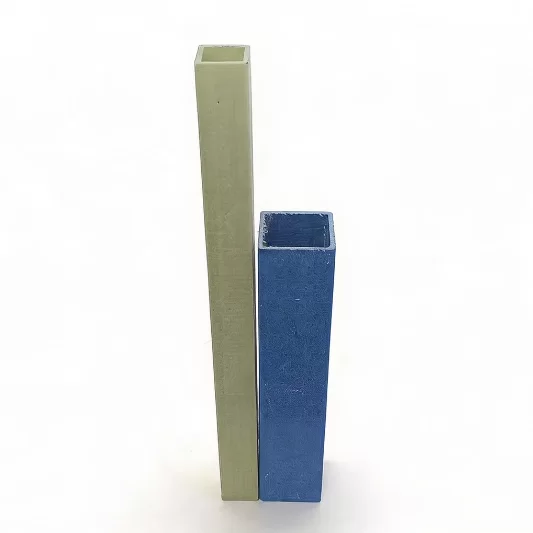
Fiberglass Septic Tank Solutions for Cambodia

Fiberglass Septic Tank Solutions for Cambodia

Providing durable and cost-effective fiberglass solutions for infrastructure and construction in Cambodia.

Fiberglass Septic Tank Solutions for Cambodia

Offering a comprehensive range of fiberglass products tailored to meet the growing infrastructure demands of Cambodia.

Current State of Fiberglass Products in Cambodia

An overview of the fiberglass industry landscape in Cambodia.

Cambodia's construction and infrastructure sectors are experiencing significant growth, driving demand for durable and cost-effective materials. Fiberglass products are increasingly being adopted as a viable alternative to traditional materials like concrete and steel, particularly in applications requiring corrosion resistance and lightweight construction. The country's tropical climate, characterized by high humidity and rainfall, necessitates materials that can withstand harsh environmental conditions.

However, the fiberglass septic tank market in Cambodia is still developing. Local manufacturing capacity is limited, and much of the demand is currently met through imports. This presents both challenges and opportunities for manufacturers looking to establish a presence in the Cambodian market. Understanding local regulations and building relationships with key stakeholders are crucial for success.

The need for improved sanitation systems, coupled with increasing urbanization, is fueling demand for fiberglass septic tank. The affordability and ease of installation of these systems make them particularly attractive for residential and small-scale commercial applications. The government's focus on infrastructure development is expected to further boost demand for fiberglass-reinforced products.
Evolution of Fiberglass Reinforced Plastics in Cambodia

Tracing the development of FRP technology in the Cambodian context.

Market Development History

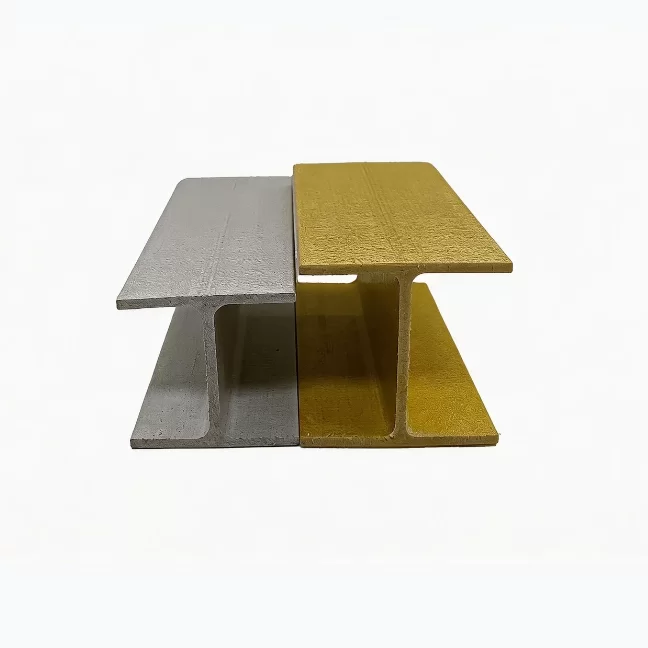
Prior to the 2000s, the use of fiberglass products in Cambodia was limited, primarily confined to small-scale applications like boat building. The introduction of more advanced manufacturing techniques and materials in the early 2000s led to a gradual increase in the adoption of FRP in construction and infrastructure projects.

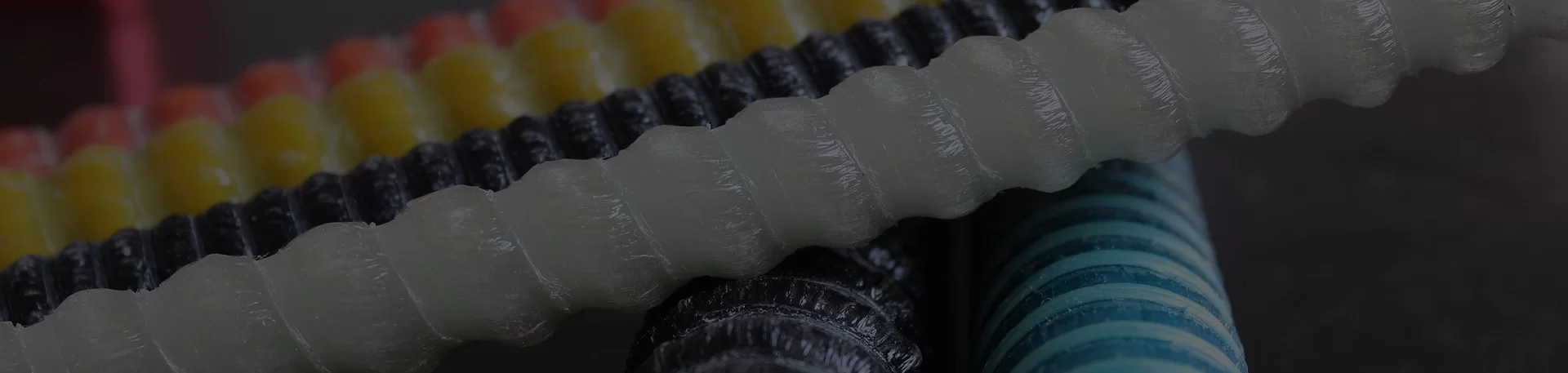
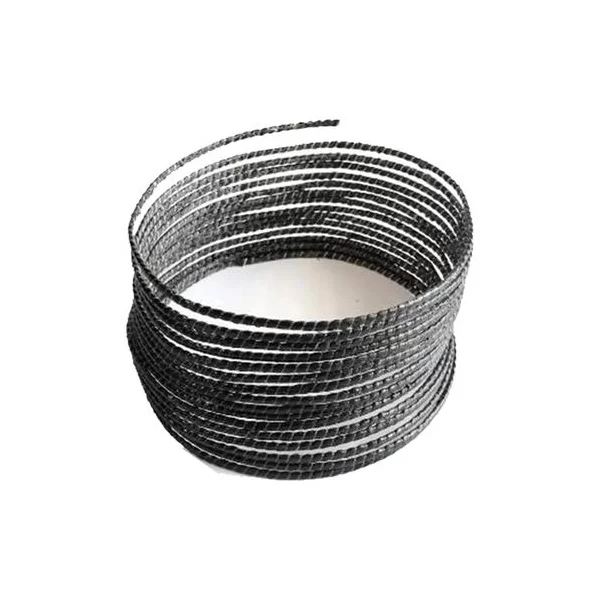
The mid-2010s saw a surge in demand for fiber glass rebar and other fiberglass composites, driven by the country’s rapid economic growth and increased foreign investment in infrastructure. The focus shifted towards sourcing higher-quality materials and adopting international standards.

From 2020 onwards, there’s been a growing awareness of the benefits of carbon fiber reinforcement, especially in applications requiring high strength-to-weight ratios. This trend is fueled by a desire for more sustainable and durable infrastructure solutions.

Future Development Trends

Advancements in Resin Technology

The development of bio-based resins and more durable epoxy formulations will significantly enhance the sustainability and longevity of fiberglass products.

Automation and Robotics

Increased automation in manufacturing processes will improve efficiency, reduce costs, and enhance the quality control of FRP products.

Smart Composites Integration

Integrating sensors and data analytics into fiberglass guardrail mesh will enable real-time monitoring of structural health and predictive maintenance.

Industry Trends and Future Outlook for Fiberglass Products in Cambodia

Examining the evolving landscape and potential growth areas for FRP materials in Cambodia.

Increased Demand for Durable Infrastructure
Cambodia’s ongoing infrastructure projects, including roads, bridges, and water treatment facilities, are driving demand for durable and corrosion-resistant materials like fiberglass.
Growing Adoption of Sustainable Materials
The increasing emphasis on sustainability is driving demand for lightweight and energy-efficient materials like fiberglass products.
Expansion of the Sanitation Sector
Government initiatives to improve sanitation and wastewater management are driving demand for fiberglass septic tank.
Increased Foreign Investment
Continued foreign investment in Cambodia’s construction and infrastructure sectors is expected to further boost demand for FRP materials.

Industry Outlook

The Cambodian fiberglass market is poised for significant growth in the coming years, driven by the country’s economic development and increasing demand for durable, sustainable, and cost-effective materials. Local manufacturers that can adapt to evolving market demands and embrace innovative technologies will be well-positioned to capitalize on these opportunities.

The future will see increased specialization in FRP applications, with a focus on customized solutions tailored to specific project requirements. Collaboration between local manufacturers and international technology providers will be crucial for driving innovation and ensuring the long-term sustainability of the industry.

Local Applications of Fiberglass Products in Cambodia

Exploring practical applications of FRP materials in the Cambodian context.

1. Rural Sanitation Solutions

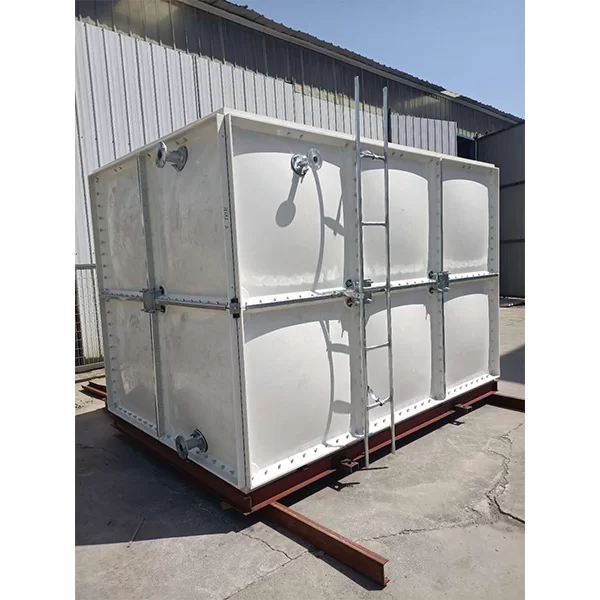
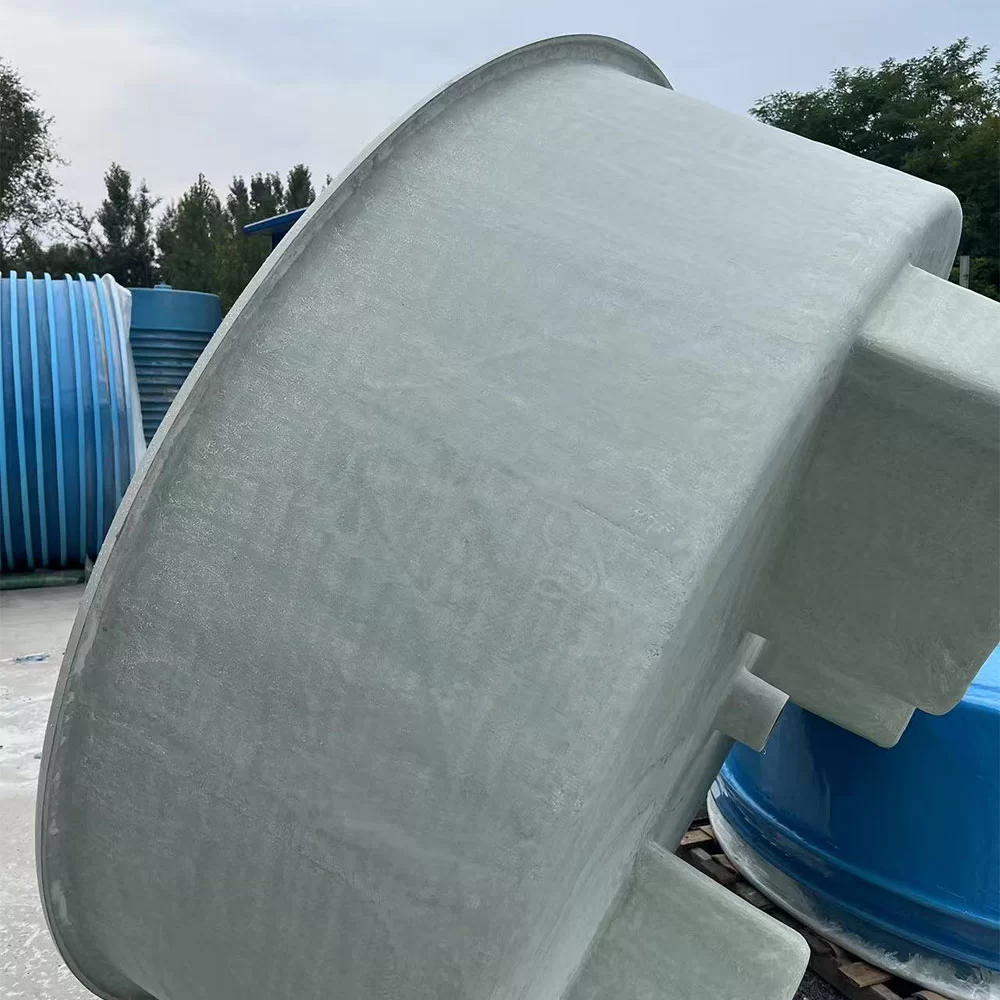
Fiberglass septic tanks are ideal for rural areas in Cambodia where traditional concrete systems are difficult to install and maintain. Their lightweight nature allows for easy transportation and installation, while their corrosion resistance ensures long-term durability in challenging environmental conditions.

2. Coastal Infrastructure Protection

Cambodia’s coastline is vulnerable to erosion and saltwater corrosion. Fiberglass guardrail mesh and other FRP composites can be used to protect seawalls, piers, and other coastal infrastructure from the damaging effects of the marine environment.

3. Agricultural Water Management

Fiberglass reinforced pipes and tanks are increasingly being used in agricultural water management systems, providing a reliable and corrosion-resistant solution for irrigation and water storage.

4. Bridge Reinforcement and Repair

Carbon fiber reinforcement materials can be used to strengthen and repair existing bridges and other infrastructure, extending their lifespan and reducing maintenance costs.

5. Residential Building Components

Fiberglass roofing sheets and cladding are gaining popularity in residential construction, offering a lightweight, durable, and aesthetically pleasing alternative to traditional materials.

Brand Story

The Global Development Journey of Hebei Zhongtian Composite Material Group Co., Ltd.

Our Commitment to Durability

Founded on a commitment to innovation, Hebei Zhongtian Composite Material Group Co., Ltd. started as a small workshop dedicated to providing high-quality composite materials.

Expansion and Technological Advancement

In the early 2000s, we invested heavily in research and development, expanding our product portfolio to include a wider range of fiberglass and composite solutions.

Global Market Penetration

Driven by a desire to serve a global clientele, we expanded our operations internationally, establishing partnerships in key markets worldwide.

Sustainable Solutions for a Better Future

We are dedicated to developing sustainable composite solutions that address the challenges of modern infrastructure and environmental protection.

Partnering with Cambodia

We are committed to supporting Cambodia’s infrastructure development with reliable, durable, and cost-effective fiberglass solutions.

Complete Product Portfolio for the Local Region

A comprehensive selection of fiberglass products designed for Cambodian applications.

Frequently Asked Questions about Fiberglass Products in Cambodia

Addressing common concerns and inquiries regarding FRP materials in the Cambodian market.

What are the key benefits of using fiberglass septic tanks compared to traditional concrete tanks in Cambodia?

Fiberglass septic tanks are significantly lighter, making them easier to transport and install, especially in remote areas. They are also more resistant to corrosion, ensuring a longer lifespan in Cambodia’s humid climate.

How does the cost of fiberglass rebar compare to steel rebar in Cambodia’s construction projects?

While the initial cost of fiberglass rebar may be slightly higher, its superior corrosion resistance reduces long-term maintenance and replacement costs, making it a more economical choice over the project lifecycle.

What are the advantages of using carbon fiber reinforcement in repairing damaged concrete structures in Cambodia?

Carbon fiber reinforcement provides a high strength-to-weight ratio, enabling effective repair of concrete structures with minimal added weight. It also offers excellent corrosion resistance and durability.

Are fiberglass guardrail mesh systems suitable for use on Cambodian highways and roads?

Yes, fiberglass guardrail mesh systems are highly suitable for Cambodian roads due to their high strength, corrosion resistance, and lightweight nature, ensuring enhanced safety and longevity.

What is the typical lifespan of a properly installed fiberglass septic tank in a Cambodian climate?

A properly installed fiberglass septic tank in Cambodia can typically last for 50 years or more, significantly exceeding the lifespan of traditional concrete tanks.

Does Hebei Zhongtian Composite Material Group Co., Ltd. provide installation support for its fiberglass products in Cambodia?

We offer comprehensive technical support and guidance to ensure proper installation of our fiberglass products. We can also connect you with certified installers in Cambodia.

Get in Touch with Us

We are committed to providing innovative fiberglass solutions for your projects in Cambodia.

Contact Us Now

If you are interested in our products, you can choose to leave your information here, and we will be in touch with you shortly.