Fiberglass Septic Tank Solutions for Myanmar’s Infrastructure

Fiberglass Septic Tank Solutions for Myanmar's Infrastructure

Delivering Durable and Cost-Effective Fiberglass Products to Myanmar.

Fiberglass Septic Tank Solutions for Myanmar's Infrastructure

Offering advanced fiberglass septic tank solutions tailored for the specific needs of Myanmar's rapidly developing infrastructure. Focusing on durability, affordability, and ease of installation.

Current State of Fiberglass Product Adoption in Myanmar

An assessment of the current market conditions and challenges for fiberglass products within Myanmar's construction and infrastructure sectors.

Myanmar is experiencing significant infrastructure development, driven by economic growth and increased urbanization. Traditional construction materials like concrete and steel are dominant, but fiberglass products are gaining traction due to their lightweight nature, corrosion resistance, and cost-effectiveness. However, awareness and adoption rates remain relatively low compared to more developed Asian nations.

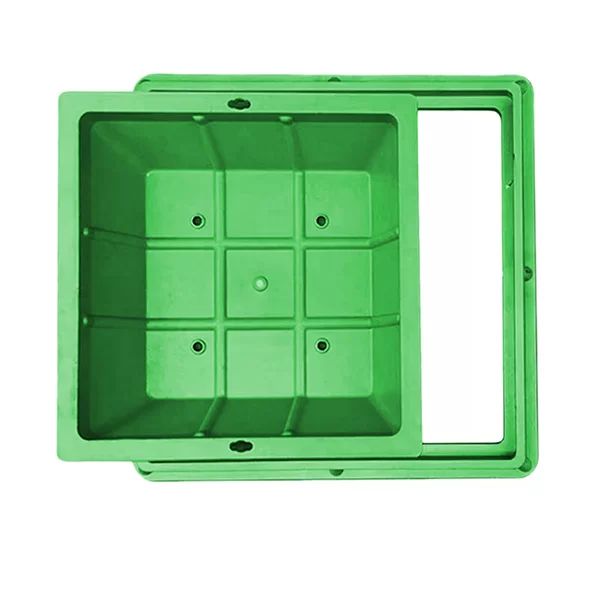
The country's climate, characterized by high humidity and monsoon seasons, presents challenges for traditional materials prone to corrosion. Fiberglass septic tank systems, for instance, offer a superior alternative to concrete tanks, resisting degradation and ensuring long-term functionality. Access to skilled labor and specialized installation techniques can sometimes be a limitation.

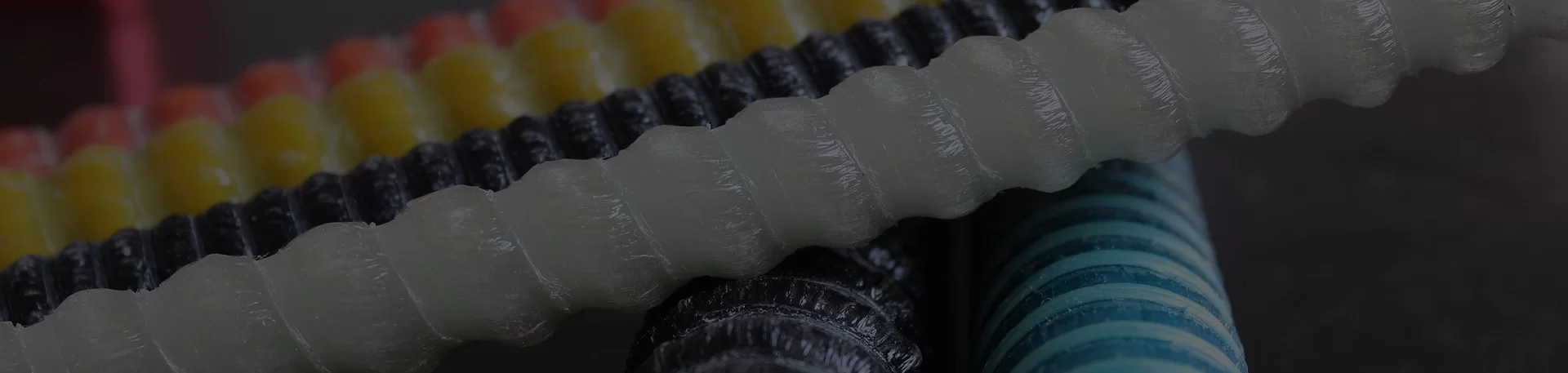
Import regulations and logistical challenges also influence the availability and pricing of fiberglass materials. Local manufacturing capabilities are emerging, but still rely on importing raw materials. The demand for sustainable and environmentally friendly building solutions is increasing, which is positive for the growth of the fiber glass rebar market.
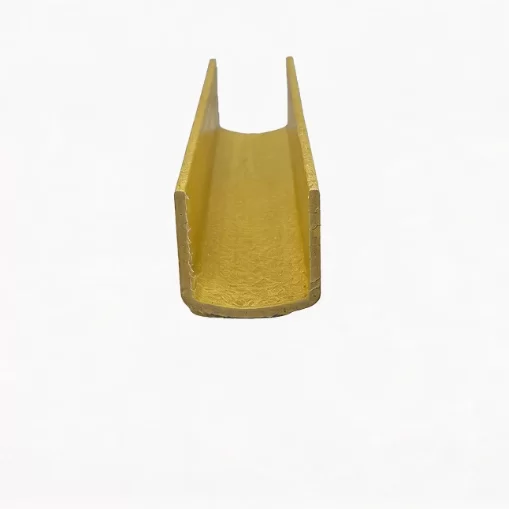
Evolution of Fiberglass Technology and its Adoption in Myanmar

Tracing the development of fiberglass technology and its gradual introduction into the Myanmar market.

Market Development History

The use of fiberglass-reinforced polymers (FRP) began in the mid-20th century, initially for aerospace and automotive applications. In the 1970s and 80s, its application broadened to include construction, particularly for corrosion-resistant structures. Myanmar’s initial exposure to fiberglass products was primarily through imported components and materials in the late 1990s and early 2000s.

The early 2010s saw increased investment in infrastructure projects, sparking interest in alternative building materials. Carbon fiber reinforcement started to appear in niche applications, driven by the demand for high-strength, lightweight solutions. Local entrepreneurs began exploring the potential of establishing small-scale fiberglass manufacturing facilities.

The past decade has witnessed a growing awareness of the benefits of FRP, particularly in water and wastewater management. The introduction of modern manufacturing techniques, like filament winding and pultrusion, has improved product quality and reduced costs. Fiberglass guardrail mesh is now considered a viable alternative to traditional metal barriers.

Future Development Trends

Enhanced Resin Systems

Development of novel resin systems with improved mechanical properties, UV resistance, and fire retardancy. Increased use of bio-based resins for sustainable applications.

Automation and Robotics

Adoption of automated manufacturing processes to improve efficiency, reduce labor costs, and enhance product consistency. Integration of robotics for complex component fabrication.

Smart Composites

Integration of sensors and monitoring systems into fiberglass structures to enable real-time performance assessment and predictive maintenance. Focus on developing “smart” infrastructure solutions.

Industry Trends and Future Outlook for Fiberglass in Myanmar

Analyzing the emerging trends and predicting the future direction of the fiberglass industry within Myanmar's context.

Growing Demand for Sanitation Solutions
Increasing population and urbanization are driving demand for effective sanitation systems. Fiberglass septic tanks offer a hygienic and durable solution for wastewater treatment in both urban and rural areas.
Infrastructure Development & Road Safety
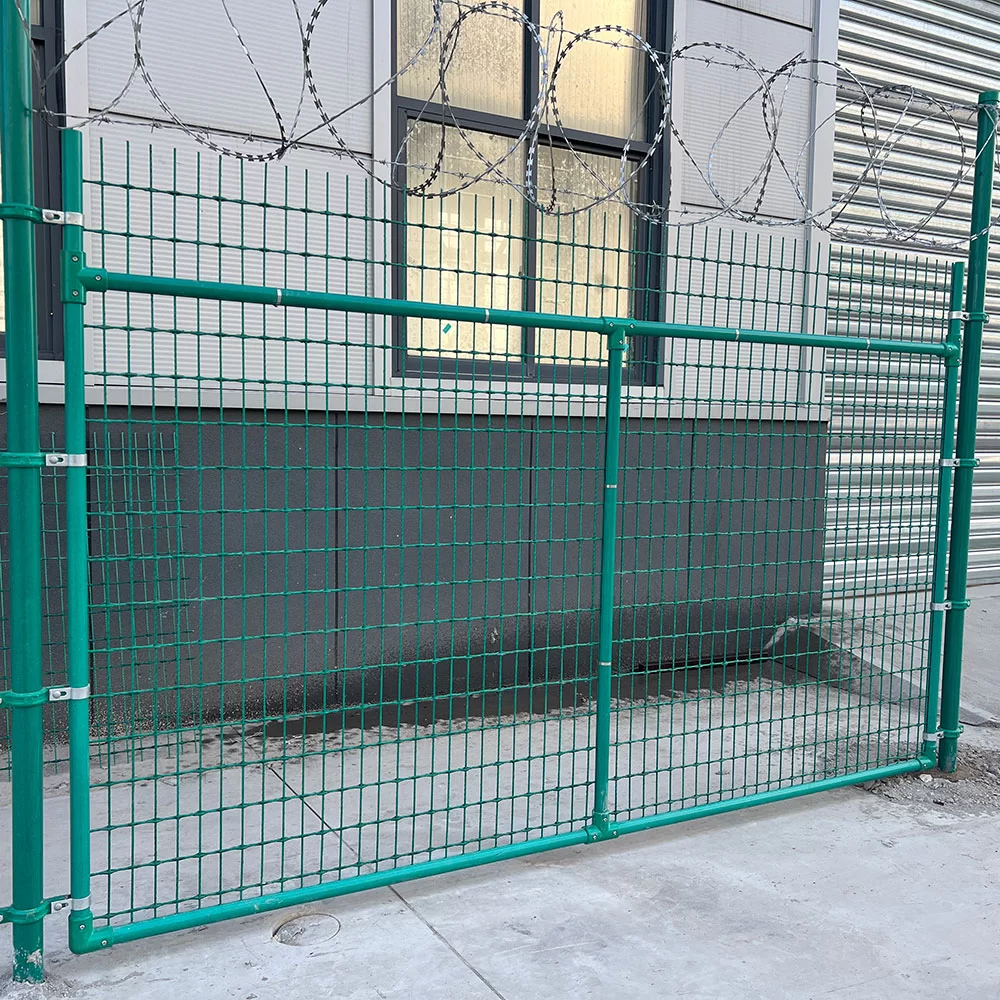
Government investments in road construction and upgrades are creating opportunities for fiberglass guardrail mesh and other safety barriers. Lightweight and easy to install, these solutions offer enhanced protection for road users.
Growing Construction Sector
The construction of residential, commercial, and industrial buildings is driving demand for lightweight, durable, and corrosion-resistant materials. Fiber glass rebar is increasingly used for structural reinforcement.
Demand for Lightweight Materials
The need for lightweight materials in transportation and construction is growing. Fiberglass products offer a significant weight reduction compared to traditional materials, resulting in improved fuel efficiency and reduced construction costs.

Industry Outlook

The fiberglass industry in Myanmar is poised for substantial growth over the next 3-5 years. Increased government spending on infrastructure, coupled with rising awareness of the benefits of FRP, will drive demand. Local manufacturing capabilities are expected to expand, reducing reliance on imports.

However, challenges remain, including the need for skilled labor, access to affordable raw materials, and the establishment of quality control standards. Collaboration between local manufacturers, international technology providers, and government agencies will be crucial to unlock the full potential of this sector.

Local Applications of Fiberglass Products in Myanmar

Exploring specific use cases of fiberglass products within the Myanmar context.

1. Rural Sanitation Systems

Providing affordable and durable fiberglass septic tanks for rural communities lacking access to centralized wastewater treatment. These systems are easy to install and require minimal maintenance.

2. Coastal Infrastructure Protection

Utilizing fiberglass composites for coastal erosion control and protection of infrastructure from saltwater corrosion. Applications include seawalls, jetties, and bridge supports.

3. Agricultural Water Management

Employing fiberglass pipes and tanks for efficient irrigation systems, reducing water waste and improving crop yields. Carbon fiber reinforcement can enhance the strength of these systems.

4. Road and Highway Safety

Implementing fiberglass guardrail mesh along highways and rural roads to improve road safety and minimize traffic accidents.

5. Fishing Boat Construction

Building lighter and more durable fishing boats using fiberglass composites, improving fuel efficiency and increasing the lifespan of vessels.

Brand Story

Hebei Zhongtian Composite Material Group Co., Ltd.'s Global Development Journey

Foundational Commitment to Quality

Established in 2005, Hebei Zhongtian Composite Material Group has relentlessly pursued excellence in fiberglass product manufacturing, building a reputation for uncompromising quality and durability.

Innovation in FRP Technology

We've consistently invested in research and development, pioneering advanced FRP technologies to create lightweight, high-strength materials for diverse applications.

Global Expansion & Market Reach

Expanding our footprint to serve customers worldwide, delivering superior FRP solutions to markets across Asia, Africa, and beyond.

Sustainability & Environmental Responsibility

Committed to sustainable manufacturing practices, minimizing our environmental impact and promoting the use of eco-friendly materials.

Empowering Infrastructure Development

Our mission is to empower sustainable infrastructure development by providing innovative, reliable, and cost-effective fiberglass solutions.

Complete Product Portfolio for the Local Market

A comprehensive range of fiberglass products tailored to meet the specific needs of the Myanmar market.

Frequently Asked Questions About Fiberglass Products in Myanmar

Addressing common concerns and providing valuable insights regarding the use of fiberglass products in the local context.

What are the advantages of using fiberglass septic tanks over traditional concrete tanks in Myanmar's climate?

Fiberglass septic tanks are significantly more resistant to corrosion caused by the high humidity and acidic soil conditions prevalent in Myanmar. They are also lighter, easier to transport and install, and have a longer lifespan than concrete tanks.

How does the cost of fiberglass rebar compare to traditional steel rebar in Myanmar?

While the initial cost of fiberglass rebar may be slightly higher, its superior corrosion resistance, lighter weight, and longer lifespan result in lower lifecycle costs. Reduced maintenance and replacement needs contribute to significant long-term savings.

Are there any specific installation requirements for fiberglass guardrail mesh in Myanmar's road construction projects?

Installation guidelines should adhere to international safety standards and local regulations. Proper anchoring and support structures are crucial to ensure the guardrail mesh provides adequate protection. Consult with our technical team for specific recommendations.

What is the expected lifespan of fiberglass products used in coastal infrastructure projects in Myanmar?

Fiberglass products used in coastal applications can have a lifespan of 50 years or more, depending on the specific environmental conditions and maintenance practices. Their resistance to saltwater corrosion significantly extends their service life.

How do carbon fiber reinforcements enhance the performance of fiberglass structures in Myanmar’s agricultural sector?

Carbon fiber reinforcements significantly increase the strength and stiffness of fiberglass structures, enabling them to withstand higher loads and stresses. This is particularly beneficial in irrigation systems and other agricultural applications.

What certifications and quality control measures does Hebei Zhongtian Composite Material Group adhere to?

We adhere to stringent quality control standards, including ISO 9001 certification. Our products undergo rigorous testing and inspection to ensure they meet or exceed industry requirements.

Get in Touch with Our Experts in Myanmar

We are dedicated to providing customized fiberglass solutions for your projects in Myanmar. Contact us today to learn more about how we can help.

Contact Us Now

If you are interested in our products, you can choose to leave your information here, and we will be in touch with you shortly.