

Advanced Composite Infrastructure Solutions for Singapore

Advanced Composite Infrastructure Solutions for Singapore

Integrating high-performance fiberglass products to combat coastal corrosion and enhance urban durability in Singapore's humid tropical climate.

Request Technical Details

Addressing Urban Corrosion in Singapore's Infrastructure

Why composite materials are replacing traditional steel in the City-State.

Singapore's unique geography as an island city-state, combined with high humidity and salt-laden air, creates an aggressive corrosive environment for traditional construction materials. In such conditions, steel reinforcement in concrete often suffers from chloride-induced corrosion, leading to structural degradation. The adoption of fiber glass rebar provides a critical advantage by offering complete immunity to rust, significantly extending the service life of marine and coastal infrastructure without the need for expensive protective coatings.

From an industrial perspective, the demand for specialized wastewater management has surged. The implementation of the fiberglass septic tank and associated FRP piping systems allows for efficient waste processing in dense urban areas where soil conditions and groundwater levels require non-leaking, chemically resistant containment solutions. These composites ensure that municipal environmental standards are met while reducing the long-term maintenance overhead associated with concrete tank failure.

Moreover, the shift toward sustainable urban development in Singapore encourages the use of lightweight yet high-strength alternatives. Incorporating carbon fiber reinforcement in retrofitting existing buildings allows for structural strengthening without adding significant dead load to the foundations. This technical transition reflects a broader industry trend toward "green" construction materials that reduce the carbon footprint of the lifecycle of civil engineering projects.

Evolution of Composite Material Application

Tracing the transition from niche industrial use to mainstream structural engineering.

Technology Progress

2000-2010

Initial Integration focused on basic FRP gratings and hand-layup products for simple chemical storage, primarily used in specialized industrial plants to avoid acid corrosion.

2011-2018

Diversification Phase saw the introduction of pultruded profiles and automated winding pipes, expanding the use of composites into municipal water works and environmental protection projects.

2019-Present

High-Performance Era characterized by the adoption of GFRP rebar and carbon fiber composites for structural reinforcement in smart city infrastructure and sustainable coastal defenses.

Market Journey

  • Corrosion-Free Mandates

    Increasing regulatory pressure to eliminate steel oxidation in coastal areas is driving the rapid adoption of non-metallic reinforcements.

  • Weight Reduction

    The demand for lightweight, high-strength materials to reduce transportation costs and ease installation in dense urban centers.

  • Lifecycle Costing

    A shift from lowest initial bid to lowest total cost of ownership, where FRP's low maintenance outweighs the initial material price.

Future Directions for Composites in Singapore

Strategic focuses for the next generation of non-metallic mineral products.

Material Hybridization
Combining glass and carbon fibers to optimize the strength-to-cost ratio for specific engineering loads.
Automated Production
Implementing microcomputer-controlled winding and extrusion to ensure zero-defect consistency in large-scale projects.
Modular Installation
Developing prefabricated composite modules to reduce on-site construction time in dense urban Singapore.
Circular Economy
Focusing on recyclable resins and sustainable fiber sources to align with the Singapore Green Plan 2030.

From current market trends, it is expected that the next 3-5 years will see a surge in the integration of sensors within FRP structures for real-time health monitoring. This "smart composite" approach allows engineers to detect internal strain or degradation before it becomes visible, which is vital for the safety of underground transit and deep-foundation works.

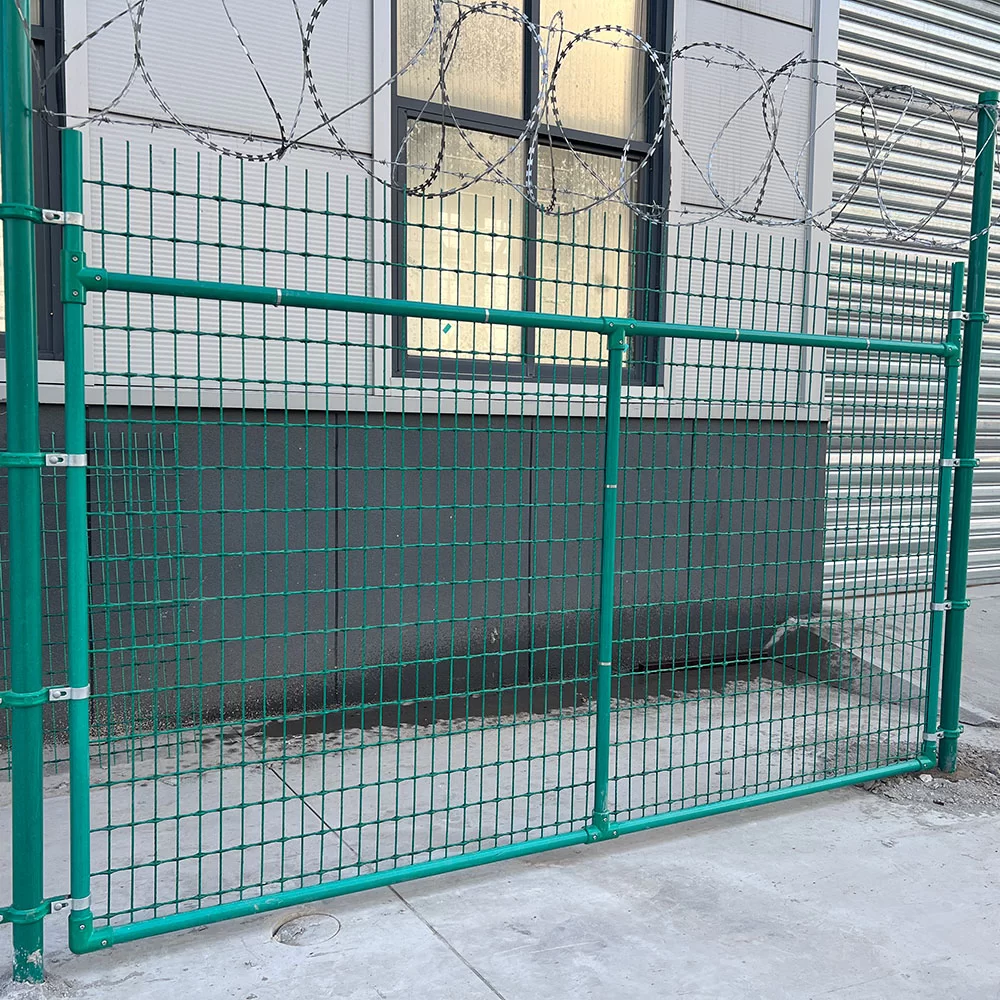
The regional commercial ecosystem will likely prioritize partnerships between high-capacity manufacturers and local specialized installation firms. This synergy ensures that the technical specifications of advanced fiberglass guardrail mesh and other components are correctly applied to meet Singapore's stringent safety and building codes.

Strategic Deployment in Singapore's Urban Landscape

Practical applications of composite materials in high-demand environments.

01
Coastal Defense Systems

Utilizing GFRP rebar in sea walls and jetty reinforcements along the southern coast to prevent saltwater corrosion that typically destroys steel-reinforced concrete.

02
Industrial Chemical Parks

Installation of FRP filament-wound pipes and storage tanks in local industrial zones to handle aggressive chemical transport without the risk of leaks or oxidation.

03
Urban Drainage & Sewage

Implementing integrated sewage pumping stations and FRP deodorization tanks to manage wastewater in high-density residential areas with minimal footprint.

04
Transport Infrastructure

Using fiberglass guardrail mesh in road construction and tunnel ventilation ducts to provide lightweight, fire-resistant, and non-conductive safety barriers.

05
Building Retrofitting

Applying carbon fiber reinforcement plates to existing commercial structures in the Central Business District to increase load capacity during renovations.

Hebei Zhongtian Composite Materials Group Co., Ltd.

A legacy of precision engineering and large-scale composite production.

2008
Company Foundation

Established as a comprehensive enterprise integrating design, production, and installation in the fiberglass industry hub of Zaoqiang County.

2008-2015
Capacity Expansion

Deployed advanced FW-4000 microcomputer winding and BWFRP weaving machinery to scale production for international environmental projects.

2016
Quality Certification

Successfully passed ISO9001:2000, environmental management, and occupational health and safety management system certifications.

Recent Years
Global Project Delivery

Contributed to the South to North Water Diversion Project and various municipal environmental improvements across global markets.

Technical FAQ for Singapore Procurement

Expert answers to common engineering and procurement queries.

How does GFRP rebar compare to galvanized steel in Singapore's coastal projects?

Unlike galvanized steel, which eventually succumbs to chloride penetration in saline environments, GFRP rebar is completely non-corrosive. This eliminates the risk of concrete spalling and structural cracking, drastically reducing maintenance cycles for coastal infrastructure.

Are fiberglass septic tanks suitable for high groundwater table areas in Singapore?

Yes. FRP tanks are fabricated as single-piece, seamless structures that provide superior watertightness compared to cast-in-place concrete. Their lightweight nature also prevents buoyancy issues and settling in soft, saturated soils common in various Singaporean districts.

What are the primary benefits of using carbon fiber reinforcement for building retrofits?

Carbon fiber provides an exceptionally high strength-to-weight ratio, allowing for the reinforcement of slabs and beams without increasing the structural load. This is ideal for Singapore's urban renewal projects where maximizing internal space and maintaining foundation stability is critical.

Can fiberglass guardrail mesh meet Singapore's strict industrial safety standards?

Our composite mesh is designed for high impact resistance and zero conductivity, making it safer than metal alternatives in electrical environments. It meets rigorous durability standards and is resistant to the tropical UV radiation found in Southeast Asia.

What is the typical installation timeline for FRP piping systems in commercial plants?

FRP systems generally offer faster installation than steel due to their lighter weight and the use of specialized jointing techniques. Prefabricated sections can be rapidly deployed on-site, reducing downtime for industrial facility upgrades.

How do I verify the quality and certification of imported FRP components?

We provide full traceability and certification, including ISO9001:2000 and environmental management certifications. Each batch is tested for tensile strength and chemical resistance to ensure compliance with project specifications and international standards.

Optimize Your Singapore Infrastructure

Contact our engineering team to integrate high-performance composite solutions into your Singapore projects for lasting durability.

Get a Technical Quote

If you are interested in our products, you can choose to leave your information here, and we will be in touch with you shortly.