

Industrial-grade fiberglass reinforced polymer solutions for civil engineering, wastewater management, and chemical processing.


Addressing infrastructure challenges with advanced non-metallic mineral materials.
Indonesia's rapid urbanization and archipelago geography create a critical need for materials that resist salt-spray corrosion and high humidity. Traditional steel reinforcement often fails prematurely in coastal regions, driving a shift toward fiber glass rebar for sustainable construction.
The demand is particularly high in the municipal sector, where the need for efficient waste management has increased the adoption of the fiberglass septic tank to prevent groundwater contamination in densely populated cities.
Current procurement trends in Southeast Asia emphasize Life Cycle Cost (LCC) over initial purchase price. Industrial buyers are prioritizing FRP's zero-maintenance characteristics to reduce operational downtime in chemical plants and water treatment facilities across Java and Sumatra.
Corrosion Resistance & Tensile Strength
From basic molding to high-precision carbon fiber reinforcement.
Initial use of hand-layup fiberglass for simple storage tanks and decorative panels in industrial settings.
Integration of microcomputer controlled winding machines to produce high-pressure pipes and structural profiles.
Deployment of carbon fiber reinforcement for extreme load-bearing and anti-corrosion projects.
Non-metallic composites eliminate the risk of oxidation, extending the service life of infrastructure in humid tropical zones.
Reducing the dead load of structures while maintaining high tensile strength, simplifying logistics in remote areas.
Essential for sewage pumping stations and deodorization tanks handling aggressive chemical effluents.
Innovation drivers shaping the next generation of composite products.
Increasing use of eco-friendly resins to reduce VOC emissions during the production of FRP profiles.
Transitioning to CNC-controlled pultrusion and spraying for tighter tolerances and higher consistency.
Combining glass and carbon fibers to optimize the strength-to-cost ratio for specific engineering needs.
Embedding sensors within composite layers to monitor structural health and leak detection in real-time.
The shift toward modularity is evident in the deployment of integrated sewage pumping stations, which reduce on-site construction time and minimize environmental disturbance.
Regulatory pressures regarding wastewater treatment in Asia are accelerating the replacement of concrete tanks with corrosion-proof FRP alternatives.
How fiberglass technology solves real-world engineering problems across the region.
Using fiber glass rebar in seawalls and piers to prevent chloride-induced corrosion common in Indonesian ports.
Installing fiberglass septic tank systems in residential areas to ensure leak-proof sewage containment.
Deploying fiberglass guardrail mesh in high-humidity corridors to reduce maintenance costs compared to galvanized steel.
Implementing FRP filament-wound pipes and process piping for the safe transport of corrosive acids and bases.
Utilizing custom FRP fish ponds for commercial farming, benefiting from the material's non-toxic and easy-to-clean surface.
A legacy of engineering excellence in fiberglass reinforced plastics since 2008.
Established as a large-scale enterprise integrating design, production, and installation in Zaoqiang County.
Invested in FW-4000 microcomputer controlled winding machines and BWFRP power pipe weaving technology.
Successfully undertook large-scale domestic and international projects, contributing to municipal environmental improvements.
Passed ISO9001:2000 quality system, environmental management, and occupational health and safety certifications.
Recognized for contributions to the South to North Water Diversion Project and various deodorization tank installations.
Leading the production of GFRP rebar, FRP gratings, and high-strength carbon fiber protective covers.
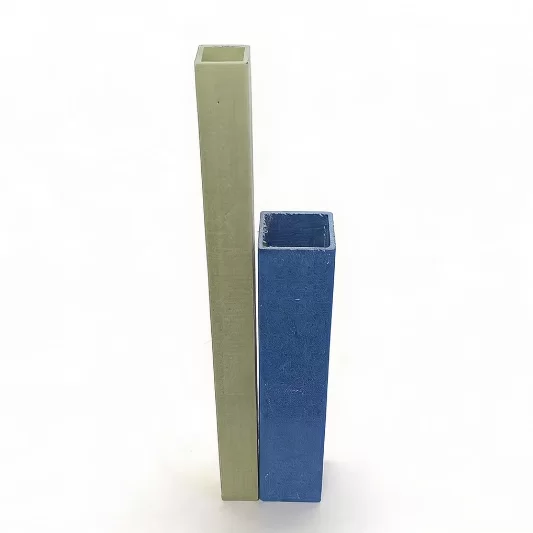
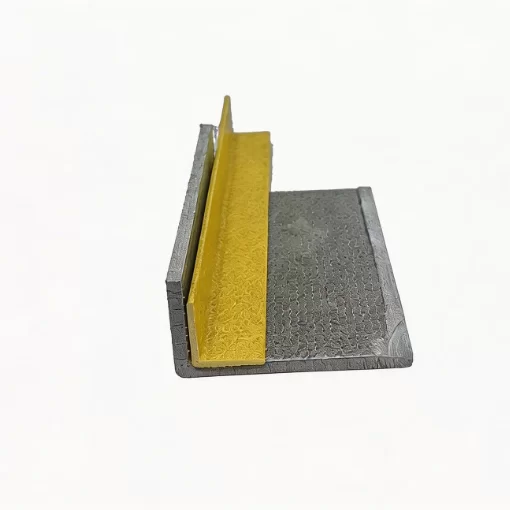
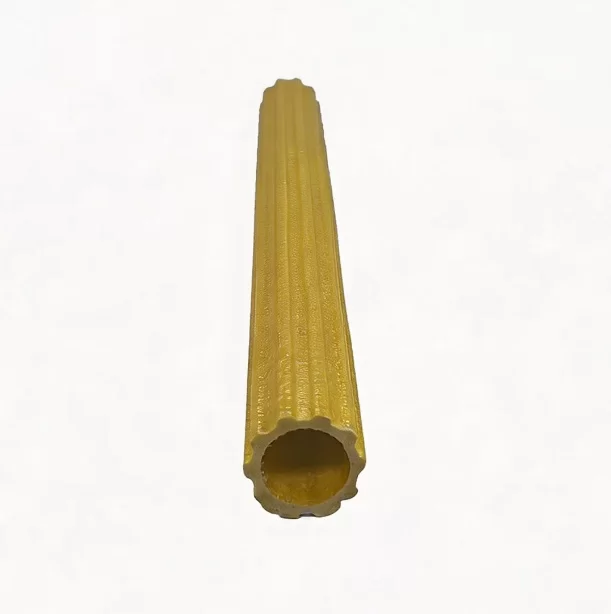
Explore our full range of pultruded profiles, filament-wound pipes, and custom SMC molding series.
Expert answers regarding FRP applications and procurement for the Indonesian market.
Contact our technical team to discuss customized fiberglass solutions tailored for the unique environmental challenges of Asia - Indonesia.
Request a Technical Consultation