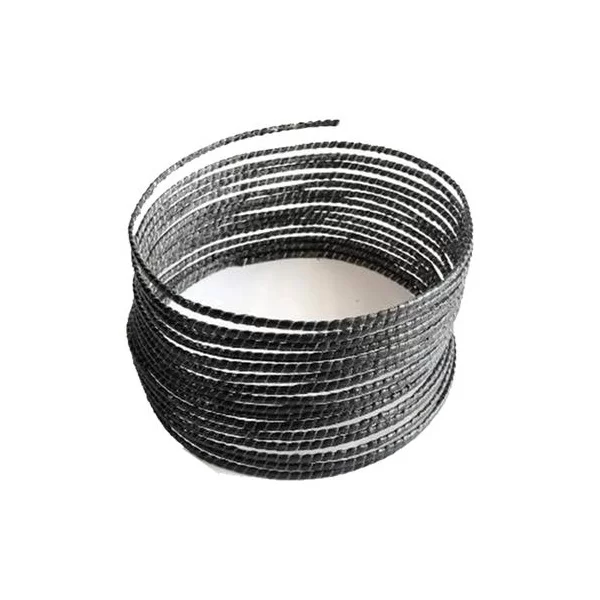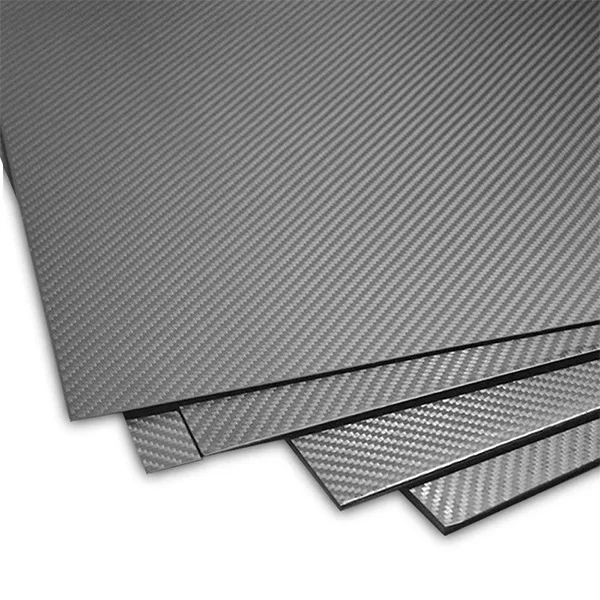


Specialized Glass Fiber Reinforced Polymer (GFRP) and carbon fiber components designed for durability in high-humidity and saline environments.
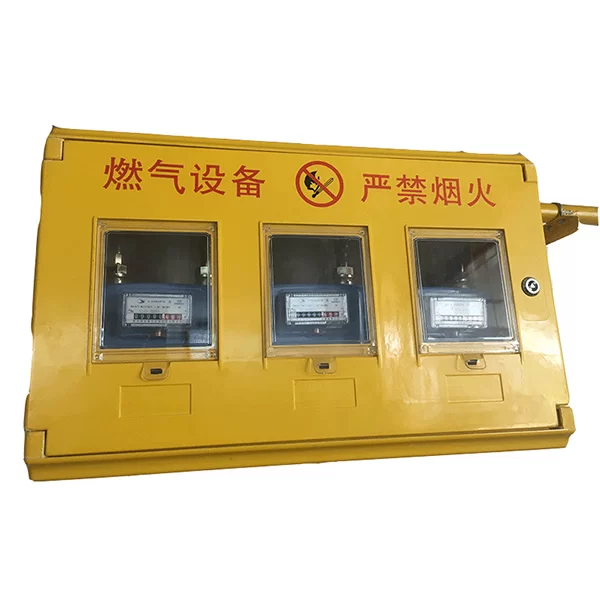
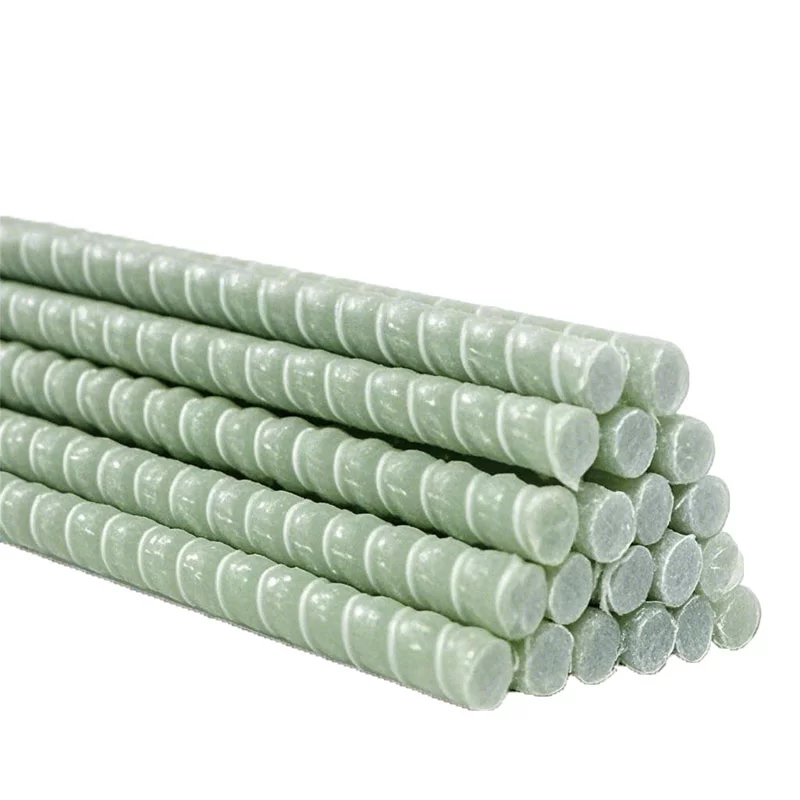

Analyzing the intersection of geographical challenges and material science for sustainable regional development.
The Philippine archipelago's unique geography, characterized by high salinity in coastal areas and extreme humidity, accelerates the corrosion of traditional steel reinforcement. This environmental pressure makes fiber glass rebar an essential alternative for coastal bridges, seawalls, and residential foundations to ensure long-term structural integrity without the risk of rust.
Urbanization and the push for better sanitation in diverse terrains have increased the demand for efficient waste management. A fiberglass septic tank offers a leak-proof, lightweight, and corrosion-resistant solution that is significantly easier to transport and install in remote provinces compared to traditional concrete alternatives.
Local procurement trends are shifting toward materials that reduce lifecycle maintenance costs. Engineers are increasingly specifying carbon fiber reinforcement and FRP profiles for industrial retrofitting and infrastructure protection, prioritizing materials that can withstand both seismic activity and tropical weathering.
Tracing the shift from basic fiberglass usage to high-precision engineering composites.
Key drivers shaping the next generation of composite materials in Southeast Asian markets.
Enhancing the tensile strength of GFRP through improved pultrusion techniques and hybrid fiber blending.
Increasing deployment of salt-water resistant composite guardrails and mesh in maritime infrastructure.
Utilizing FW-4000 microcomputer controlled winding for zero-defect pressure pipe production.
Reducing installation time and maintenance frequency through lightweight, non-corrosive material substitution.
Over the next 3-5 years, we expect a significant transition toward integrated composite systems. Rather than replacing single components, the industry is moving toward full-system FRP implementation in sewage treatment and water diversion projects, driven by the need for rapid deployment in disaster-prone regions.
This shift will likely increase the demand for high-strength CFGJ sleeves and carbon fiber plates, as structural reinforcement of existing aging infrastructure becomes a priority for urban planners in Metro Manila and other key economic hubs.
Practical implementations of composite technology across various sectors.
Using fiber glass rebar in seawalls and coastal promenades to eliminate chloride-induced corrosion, extending the life of public works in seaside municipalities.
Installation of pre-fabricated fiberglass septic tank units in residential developments where soil conditions make concrete installation prone to cracking and leakage.
Implementing FRP filament-wound pipes and deodorization tanks in manufacturing plants to handle corrosive fluids and emissions safely.
Deployment of fiberglass guardrail mesh and FRP fences for highway dividers, providing a non-conductive, weather-resistant safety barrier.
Applying carbon fiber reinforcement plates to strengthen aging concrete beams in commercial buildings and warehouses without adding significant dead load.
A legacy of precision manufacturing and composite innovation since 2008.
Established as a large-scale production enterprise integrating design, production, sales, and installation, based in Zaoqiang County's fiberglass industrial hub.
Successfully passed ISO9001:2000 quality system certification, environmental management system certification, and occupational health and safety management system certification.
Recognized for technical expertise in major projects, including the South to North Water Diversion Project and various international municipal environmental improvements.
A comprehensive portfolio of GFRP, CFRP, and SMC products designed for tropical climate resilience.
Technical guidance on selecting and implementing composite materials.
GFRP rebar is naturally immune to chloride-induced corrosion. In saline coastal environments, steel rebar oxidizes, causing concrete spalling; GFRP eliminates this risk, significantly reducing maintenance costs and extending the structural lifespan of seawalls and bridges.
Fiberglass tanks are lightweight for easier transport to remote areas, 100% leak-proof to prevent groundwater contamination, and resistant to the corrosive nature of sewage and soil acidity, unlike traditional concrete tanks which may crack over time.
Yes. Carbon fiber plates and wraps provide high-strength reinforcement with minimal thickness, allowing engineers to increase the load-bearing capacity of beams and columns without altering the architectural footprint of the building.
Quality is ensured through microcomputer-controlled winding (such as the FW-4000 system), which guarantees precise fiber orientation and resin distribution, followed by rigorous pressure testing to meet international safety standards.
Due to UV-stabilized resins and the non-corrosive nature of fiberglass, FRP guardrails typically last significantly longer than galvanized steel in tropical, high-humidity regions, requiring almost no surface painting or anti-rust treatment.
Yes. The company integrates design, production, and installation, utilizing molding and spraying equipment to create customized FRP towers, deodorization tanks, and storage vessels based on specific project requirements.
Discuss your technical requirements for infrastructure projects in the Philippines. We provide professional guidance on material selection and system design to ensure long-term durability.
Contact Us Now