


Facing harsh environmental conditions and limited maintenance resources, regional projects often suffer from rapid material degradation.
Traditional steel reinforcement in concrete structures often rusts due to soil salinity and moisture, leading to structural cracking and reduced lifespan of bridges and buildings.
Conventional concrete tanks are prone to seepage and chemical erosion, contaminating surrounding soil and groundwater in rural and urban Afghan settlements.
Heavy traditional materials increase transportation costs and complexity when deploying infrastructure to remote mountainous provinces or underdeveloped regions.
Frequent repairs of corroded metal guardrails and piping systems drain municipal budgets and cause repeated service interruptions for local populations.
Extreme temperature fluctuations in the region cause materials to expand and contract, leading to fatigue in standard industrial coatings and piping.
Difficulty in sourcing certified high-strength composites locally often leads to the use of substandard materials that fail premature loading tests.
We replace vulnerable materials with high-performance FRP composites to ensure longevity and structural integrity.
Using fiber glass rebar provides complete immunity to rust. Its high tensile strength and low weight prevent concrete spalling and extend structure life.
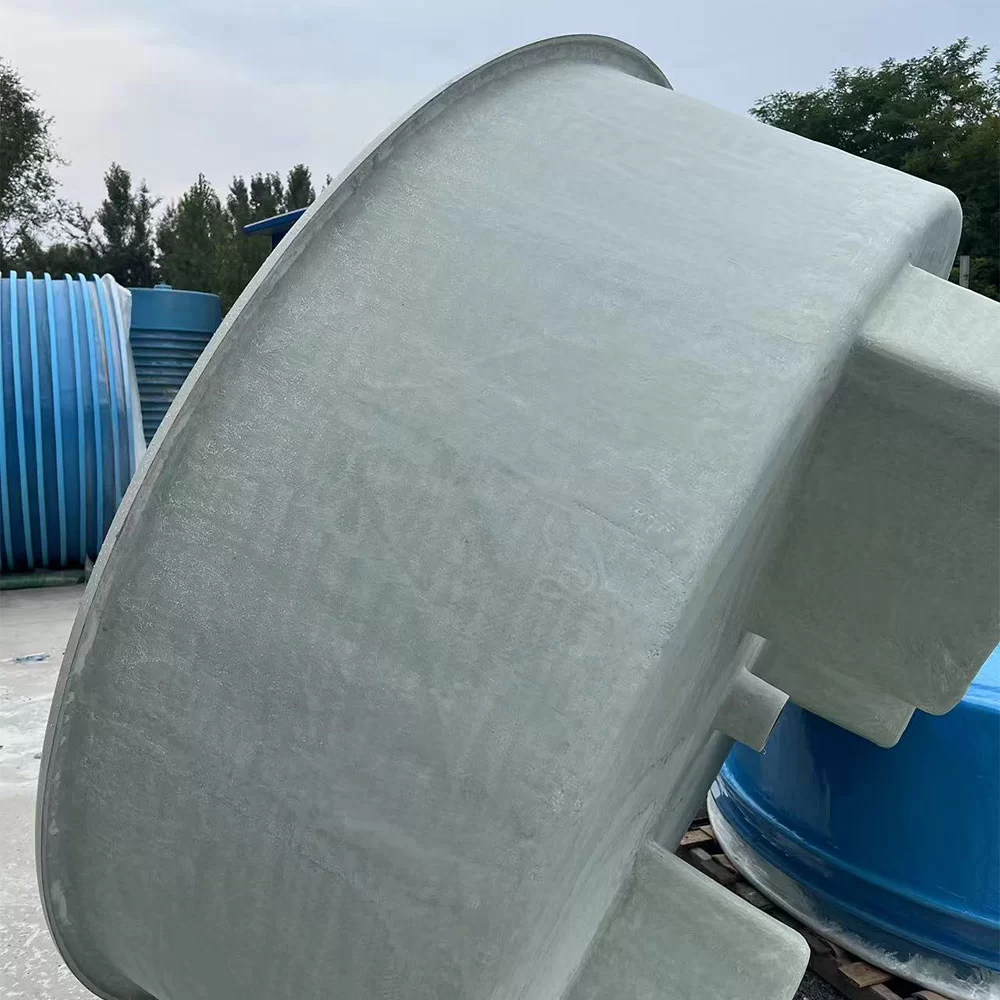
Our fiberglass septic tank designs utilize seamless filament winding, ensuring zero-leakage and total resistance to corrosive waste chemicals.
FRP materials reduce overall dead load by up to 75% compared to steel, significantly lowering shipping costs to remote Afghan sites and accelerating installation.
Implementing fiberglass guardrail mesh offers a non-conductive, weather-proof safety barrier that requires zero painting or rust-proofing over decades.
For critical structural repairs, carbon fiber reinforcement plates are applied to wrap columns, providing extreme load-bearing capacity without adding bulk.
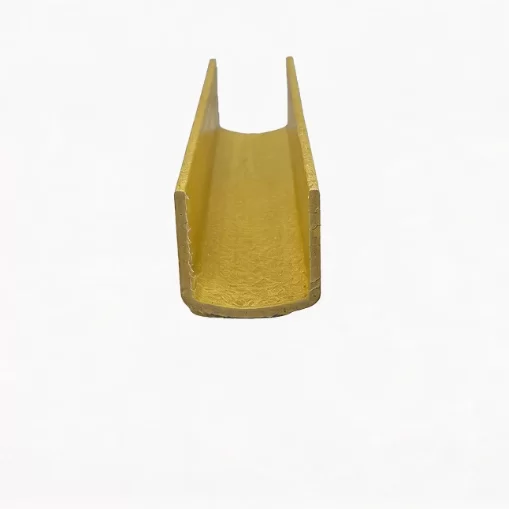
Utilizing advanced extrusion and molding equipment, we produce GFRP profiles with tight tolerances, ensuring perfect fitment in complex industrial assemblies.


Measurable advantages of GFRP and Carbon Fiber over traditional construction materials.
Analyzing the shift from conventional building materials to advanced composites in Central Asia.
Afghanistan's infrastructure sector is characterized by a critical need for durable, low-maintenance materials that can withstand varied terrains—from the arid plains to the high altitudes of the Hindu Kush. Historically, the reliance on imported steel and concrete has left many municipal projects vulnerable to corrosion and structural fatigue. The local market is now seeing a transition toward fiberglass products, as these materials offer a pragmatic solution to the high cost of logistics and the lack of specialized maintenance crews in remote provinces.
Current market trends indicate a strong push toward sustainable water management and environmental protection. The demand for integrated sewage pumping stations and FRP deodorization tanks is rising as urban centers seek to modernize sanitation. Furthermore, the adoption of GFRP rebar in bridge and road construction is increasing, driven by the need for structures that can survive aggressive soil chemistry without the constant need for expensive cathodic protection or epoxy coatings typically required for steel.
While constraints such as initial procurement costs and the need for technical training exist, the long-term outlook is positive. The ability to import prefabricated, high-strength composite components reduces onsite labor risks and project timelines. As the region continues to focus on municipal environmental improvement and water diversion projects, the synergy between GFRP technology and local infrastructure needs will likely accelerate, making composites the standard for critical water and transportation assets.
From basic glass fiber applications to high-modulus carbon fiber integration.
The industry has moved from using FRP as a simple protective coating to using it as the primary structural skeleton. This change eliminates the "corrosion cycle" found in concrete structures, drastically reducing the total cost of ownership for public works.
The adoption of microcomputer-controlled winding and pultrusion equipment has replaced manual processes, ensuring that every GFRP profile meets strict international safety standards and load tolerances.
Modern engineering now combines the cost-effectiveness of glass fiber with the extreme stiffness of carbon fiber, allowing for customized composite solutions tailored to specific geological and loading conditions.
How emerging technologies are redefining the capabilities of fiberglass and carbon fiber.
Transitioning toward bio-based resins to reduce the environmental footprint of FRP production without compromising chemical resistance or strength.
Integrating fiber-optic sensors into GFRP rebar to monitor structural health and detect stress in real-time during the life of the infrastructure.
Moving away from onsite casting toward fully modular FRP sewage stations and pipe networks, reducing installation time and human error.
Developing carbon fiber plates with even higher stiffness-to-weight ratios for the reinforcement of aging seismic-prone buildings.
The integration of AI-driven design optimization is allowing engineers to place fiberglass reinforcements exactly where the stress is highest, reducing material waste while increasing safety. This data-driven approach to composite layout ensures that every gram of material contributes to structural stability, making high-end FRP solutions more economically viable for large-scale public works.
Furthermore, the global shift toward circular economy principles is driving research into recyclable composites. While traditional thermoset resins are difficult to break down, new thermoplastic composites are emerging, allowing for the potential recovery and reuse of glass and carbon fibers at the end of a structure's life cycle, aligning industrial growth with environmental stewardship.
Real-world implementation strategies for diverse geological and climatic conditions.
In remote villages where soil is sandy and permeable, traditional concrete tanks often leak. By installing prefabricated fiberglass septic tanks, communities ensure a watertight seal that prevents sewage from leaching into the groundwater, improving overall public health and reducing odors.
For road bridges crossing saline-rich terrain, GFRP rebar is used instead of steel. This prevents the internal oxidation that typically causes concrete to crack from within, eliminating the need for expensive anti-corrosion coatings and extending the bridge's maintenance-free interval to several decades.
Industrial plants in Afghan economic zones often handle corrosive fluids. Utilizing FRP filament-wound pressure pipes and various pipe fittings ensures a leak-proof system that does not corrode like stainless steel, reducing the risk of hazardous spills and industrial accidents.
In mountainous regions with extreme freeze-thaw cycles, traditional metal guardrails warp and rust. Replacing them with fiberglass guardrail mesh provides a lightweight, durable barrier that remains stable under thermal stress and is significantly easier to transport to high-altitude sites.
In urban centers, aging concrete columns are reinforced using carbon fiber reinforcement plates. This "wrapping" technique increases the ductility and shear strength of the columns, allowing existing structures to better absorb seismic energy and preventing collapse during earthquakes.
How different operators evaluate the transition to composite materials.
From a municipal engineering perspective, switching to GFRP rebar for drainage systems in saline areas has nearly eliminated the need for biennial rust-treatment repairs. The initial investment is offset by the drastic reduction in long-term maintenance costs.
Implementing FRP filament-wound tanks for water storage in remote areas has simplified our logistics. The lightness of the material allows for faster transport over rough terrain, while the durability ensures a long service life without leaks.
Using carbon fiber reinforcement for building upgrades in seismic zones provides a non-invasive way to increase strength. It allows us to improve safety without the need for heavy demolition or adding excessive weight to the foundation.
A legacy of precision and innovation in the fiberglass industry since 2008.
Hebei Zhongtian Composite Materials Group Co., Ltd. was founded as a large-scale production enterprise integrating design, production, sales, and installation, based in the fiberglass industrial hub of Zaoqiang County.
Successfully passed ISO9001:2000 quality system certification, environmental management system certification, and occupational health and safety management system certification, validating international standards.
Continuing to contribute to major projects including the South to North Water Diversion Project and numerous municipal environmental improvements globally with advanced GFRP and carbon fiber technology.

Detailed answers to the most frequent inquiries regarding composite materials.
The primary advantage is complete corrosion resistance. Unlike steel, GFRP does not rust when exposed to salty soil or moisture, which prevents the concrete from cracking and spalling. Additionally, GFRP is significantly lighter, reducing transportation costs to remote provinces and speeding up installation. While it has a different modulus of elasticity than steel, its high tensile strength makes it an ideal choice for non-structural or moderately loaded concrete elements where durability is the priority.
Fiberglass septic tanks are manufactured using a seamless filament winding process, creating a single, monolithic structure without the joints or seams found in concrete. This eliminates common leakage points. Furthermore, the FRP material is chemically inert and resistant to the acidic and alkaline waste produced during decomposition, ensuring the tank walls do not erode over time. This results in a completely watertight containment system that protects the surrounding groundwater from pollution.
Yes, carbon fiber reinforcement is specifically designed for "non-invasive" retrofitting. It involves bonding high-strength carbon fiber plates or wraps to the exterior of concrete columns, beams, or slabs using specialized epoxy resins. This process increases the load-bearing capacity and seismic resistance of the structure without requiring the removal of large sections of concrete. It is an efficient way to upgrade older buildings to meet modern safety codes with minimal disruption to occupants.
High-quality FRP products are engineered to be thermally stable. With the correct resin selection (such as UV-stabilized vinyl ester), these materials can withstand extreme temperature fluctuations without becoming brittle or losing structural integrity. In typical industrial applications, a service life of 50 years or more is common. The key is ensuring the material is rated for the specific temperature range of the deployment site, as different resins offer varying levels of thermal resistance.
The installation of fiberglass guardrail mesh is significantly simpler than metal alternatives. Because the material is lightweight, it does not require heavy cranes for placement in remote mountainous areas. The primary requirement is the use of compatible FRP fasteners and supports to avoid creating "galvanic" points, although FRP is naturally non-conductive. Most systems are designed for rapid mechanical fastening, which reduces the need for specialized welding equipment onsite.
The choice depends on the primary requirement: cost vs. stiffness. GFRP (Glass Fiber) is the most cost-effective solution and is ideal for corrosion resistance in rebar, tanks, and piping. Carbon Fiber is used when extreme stiffness, higher load-bearing capacity, and minimum thickness are required, such as in seismic retrofitting or aerospace-grade components. For most municipal infrastructure, GFRP provides the best balance of performance and value, while Carbon Fiber is reserved for critical structural reinforcement.
Whether you are managing municipal water projects, road construction, or building retrofits in Afghanistan, our engineering team provides the technical guidance and high-performance materials needed for lasting results. Discuss your project specifications with us to find the optimal GFRP or carbon fiber solution for your site's unique conditions.
Discuss Your Requirements

