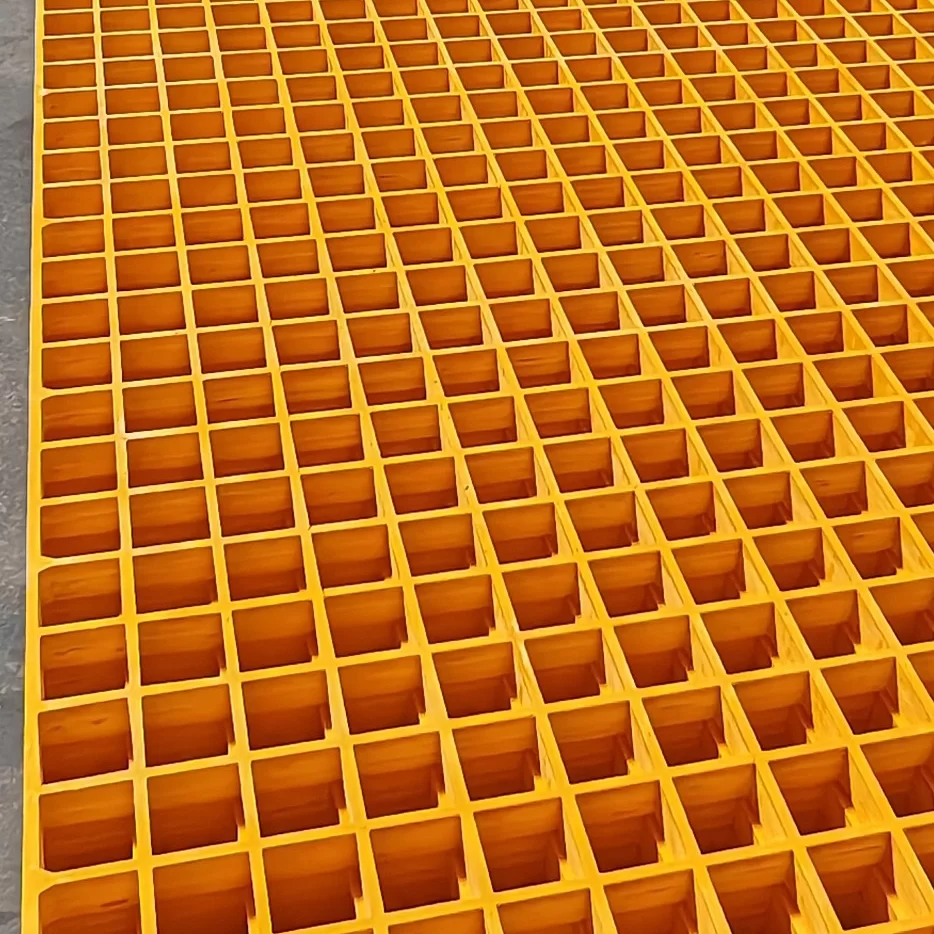
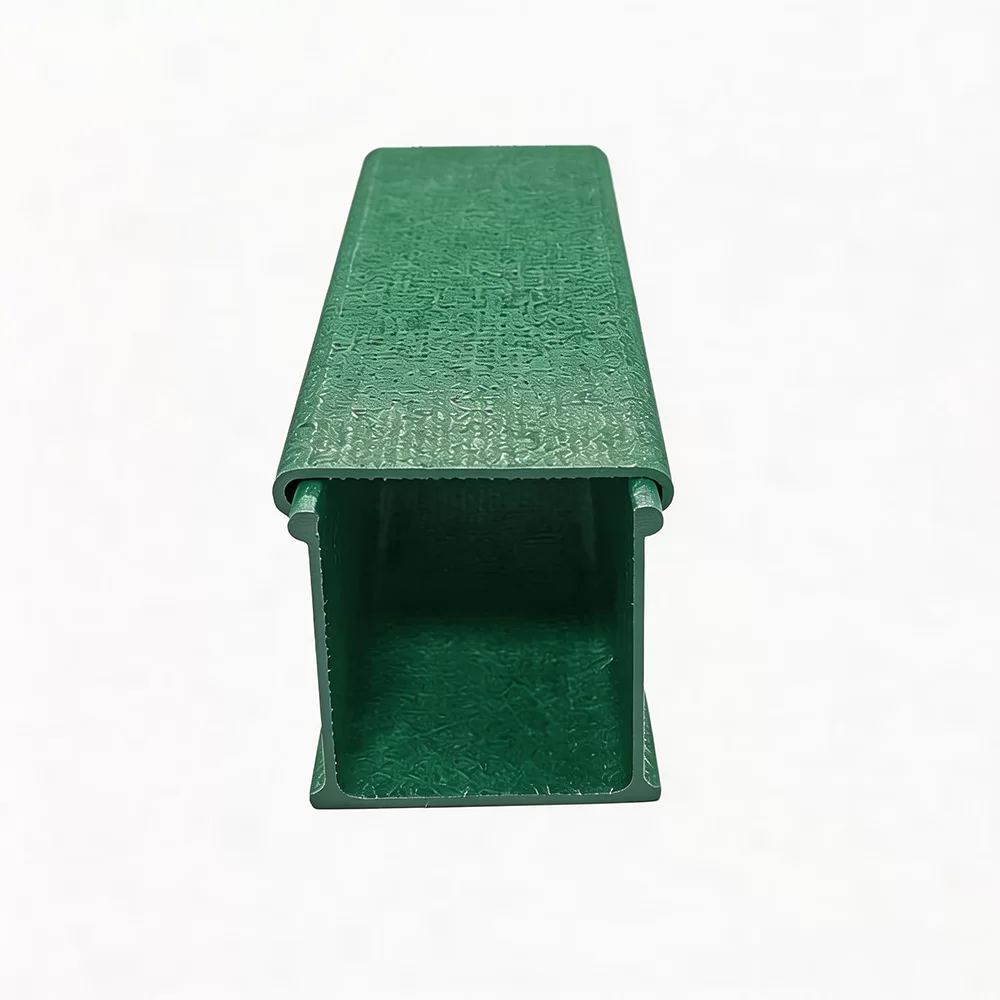
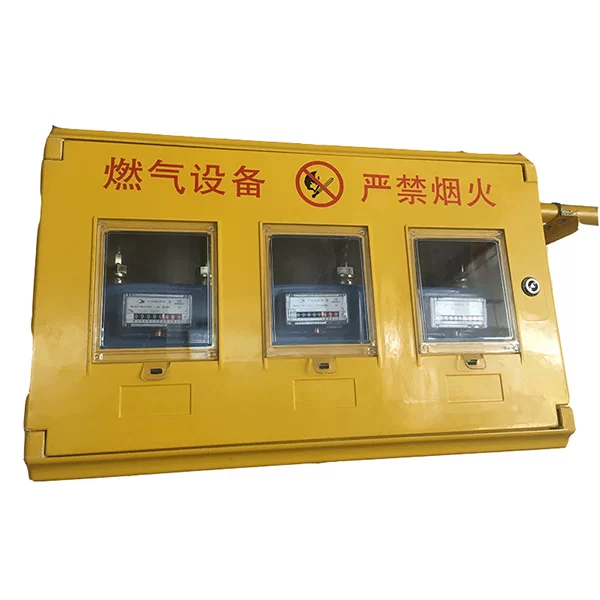
Yemen's infrastructure faces significant challenges due to ongoing conflicts and limited resources. The demand for durable and cost-effective construction materials is high, but supply chains are often disrupted. Fiberglass products offer a viable solution due to their corrosion resistance, lightweight nature, and relatively easy installation, even in challenging environments. The adoption rate, however, is affected by import restrictions and a lack of local manufacturing capacity.
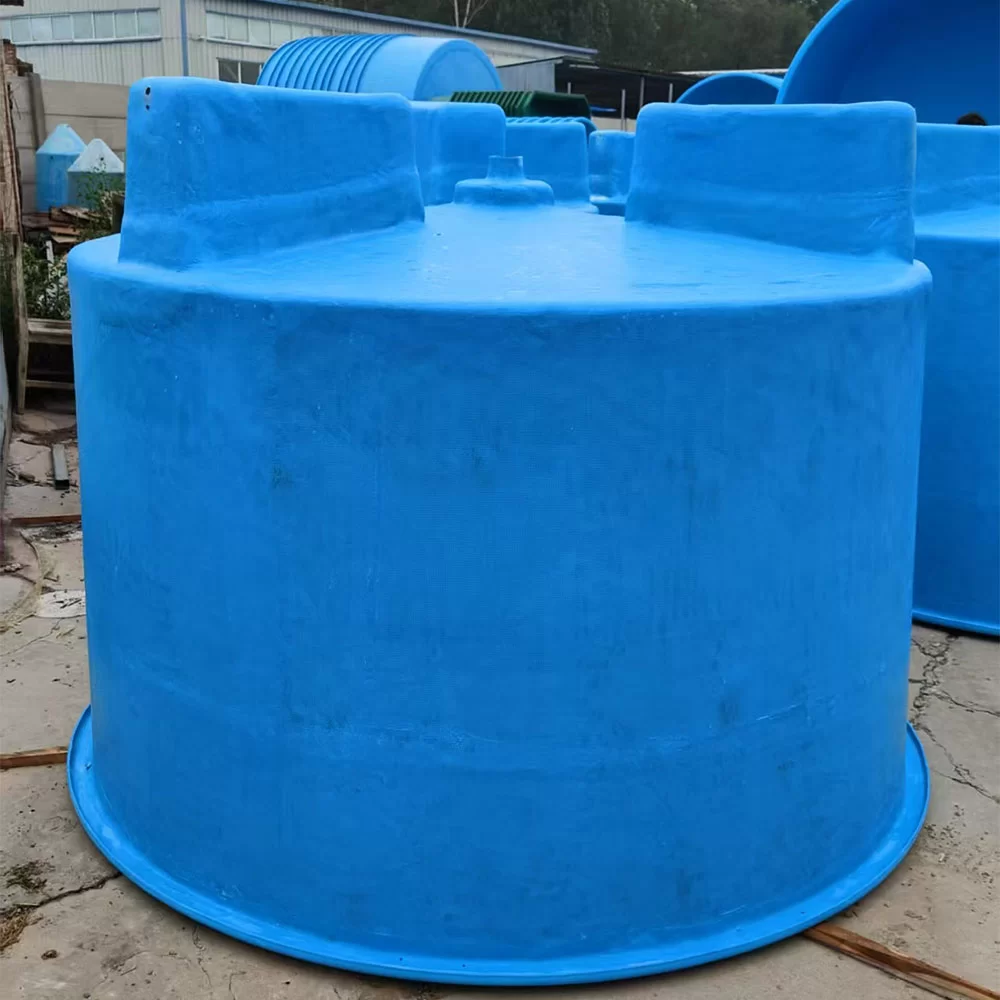
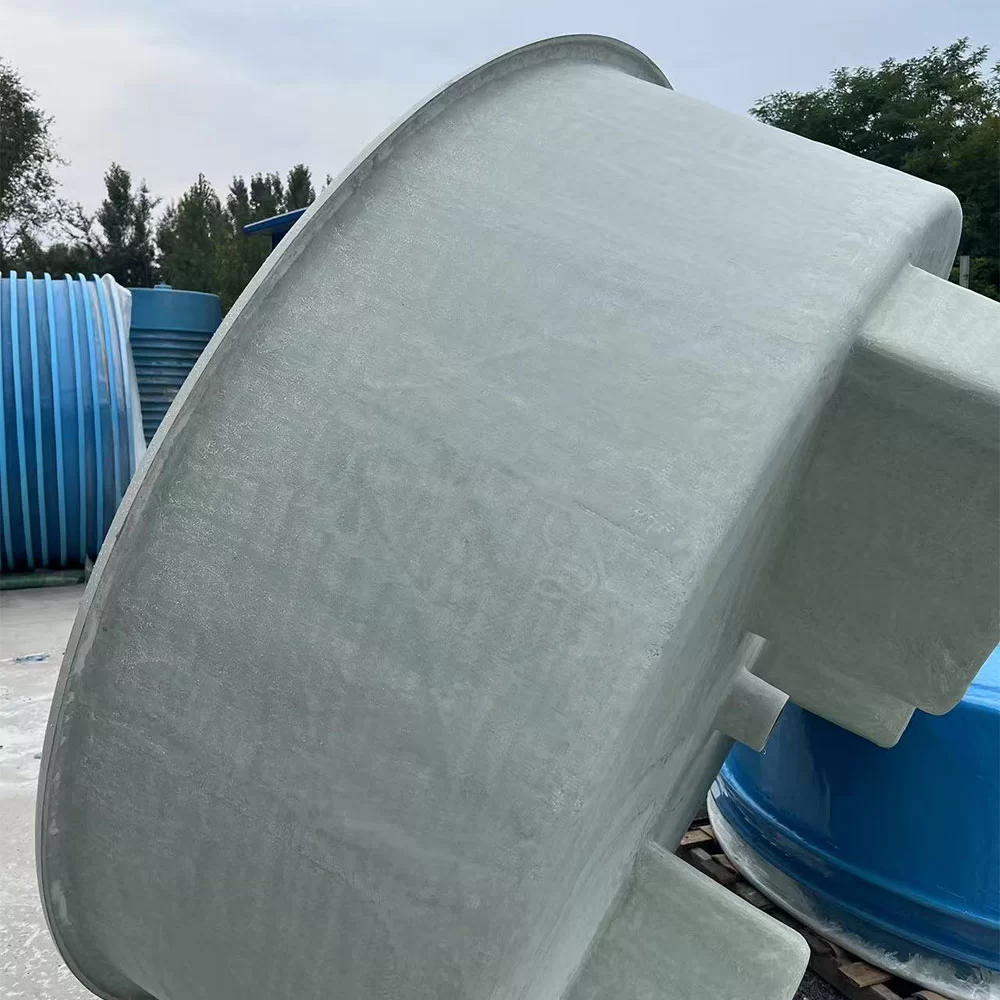
The arid climate of Yemen presents specific challenges for infrastructure longevity. Traditional materials like concrete are susceptible to deterioration from salt corrosion and temperature fluctuations. Fiberglass septic tank are particularly well-suited for this environment due to their resistance to these factors, offering a longer service life and reduced maintenance costs. Furthermore, the demand for sustainable wastewater solutions is growing due to water scarcity.
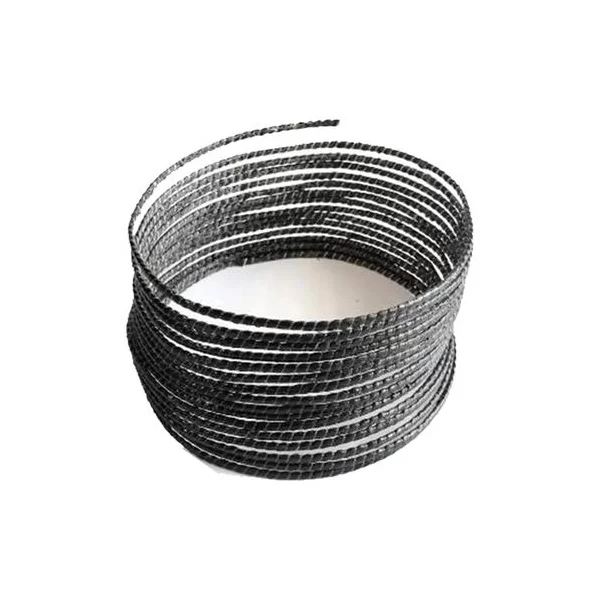
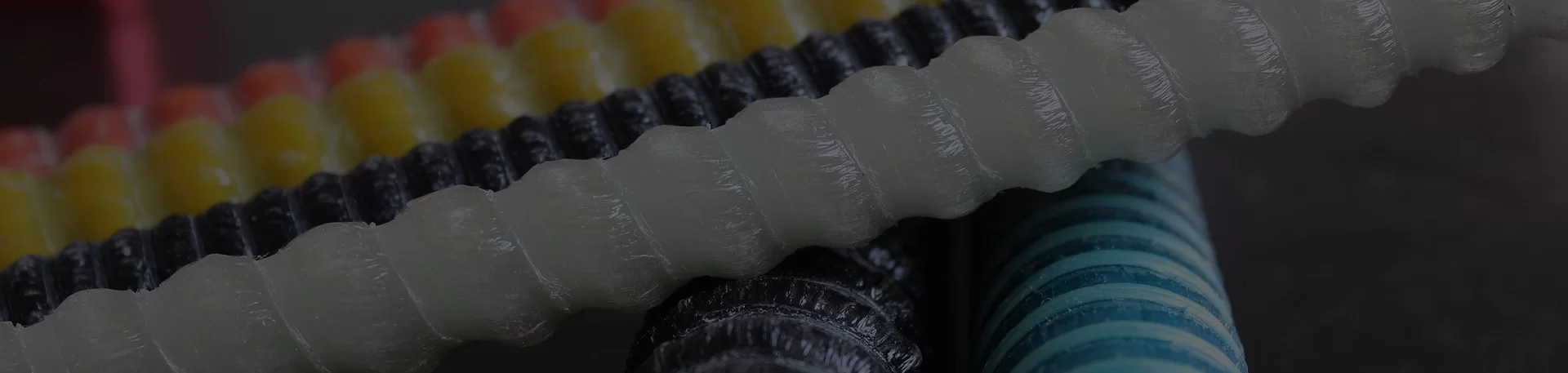
The Yemeni market is characterized by a preference for affordable solutions. While initial investment costs for fiber glass rebar can be higher than traditional steel, the long-term benefits of corrosion resistance and reduced maintenance often outweigh these costs, particularly in coastal regions. Raising awareness about these long-term savings is crucial for market penetration.