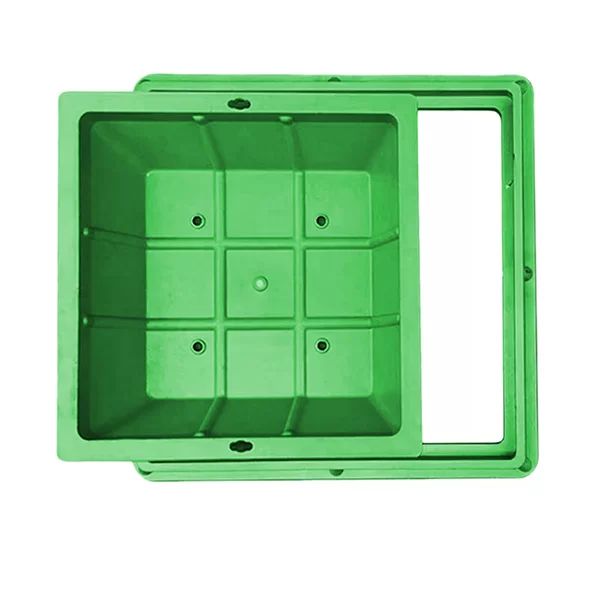
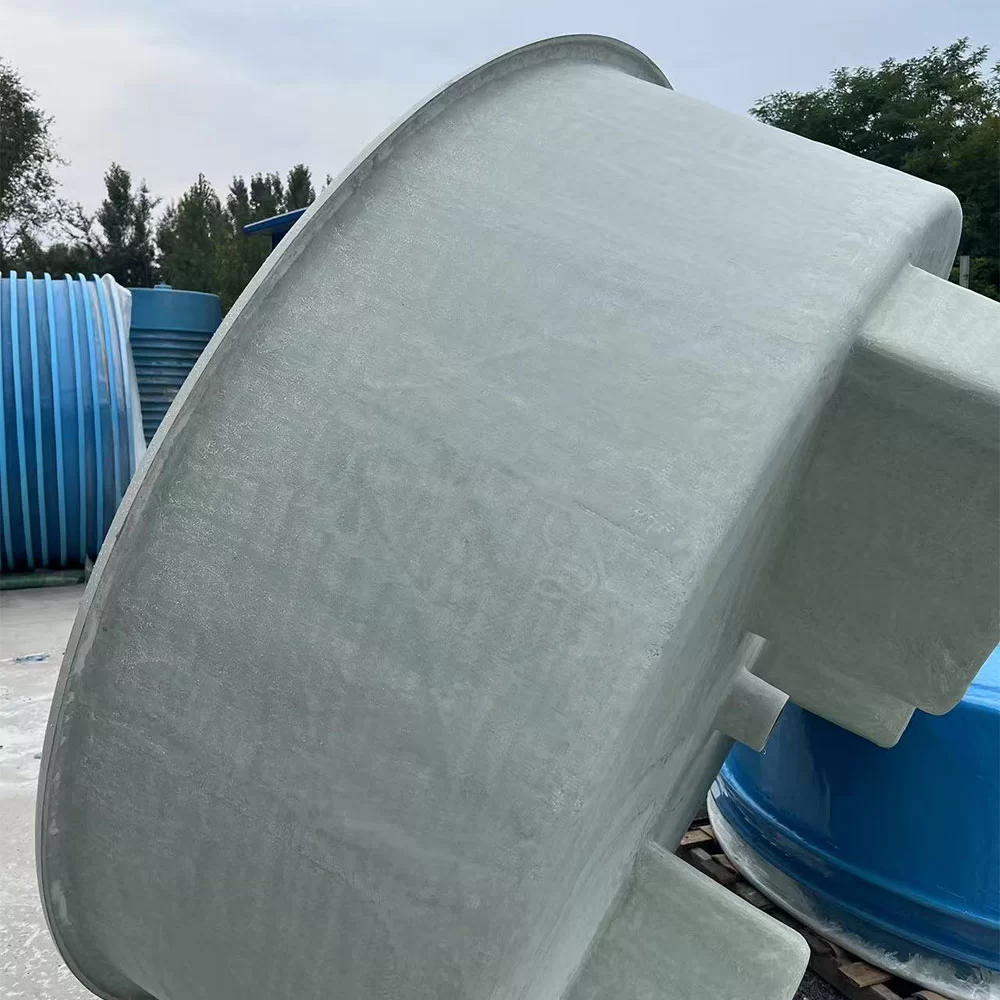
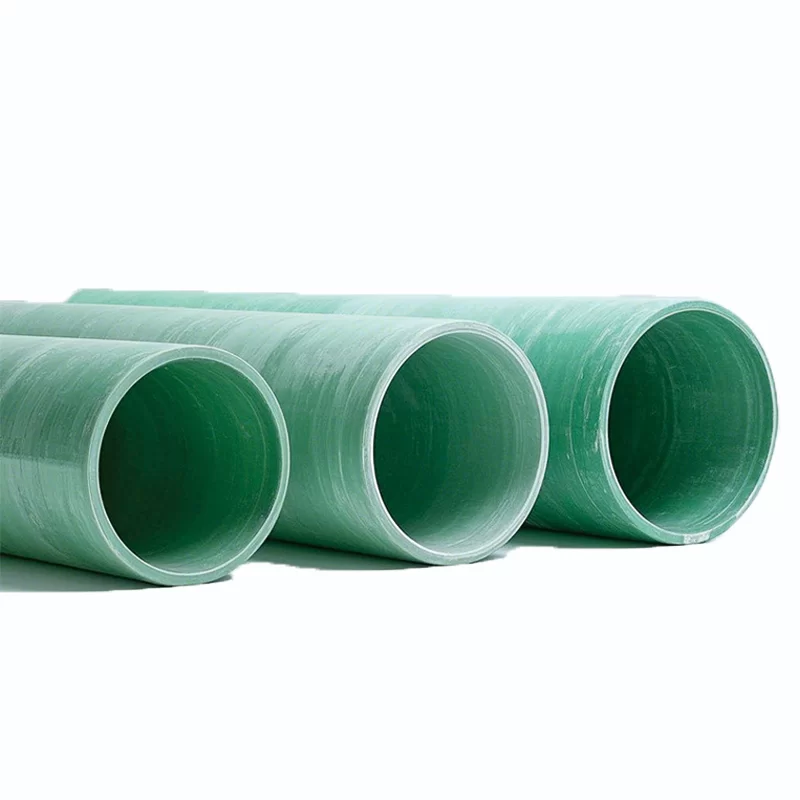
Fiberglass Septic Tank Solutions for Qatar

Fiberglass Septic Tank Solutions for Qatar

Providing durable and cost-effective fiberglass solutions for infrastructure and construction projects in Qatar.

Fiberglass Septic Tank Solutions for Qatar

Offering a comprehensive range of fiberglass products designed to meet the demanding needs of the Qatari market, specializing in septic tanks, rebar, guardrails, and carbon fiber reinforcement.

Current State of Fiberglass Products in Qatar

Understanding the market dynamics and opportunities for fiberglass solutions in Qatar’s construction and infrastructure landscape.

Qatar’s rapid infrastructure development, fueled by significant investments in preparation for major events, has created a strong demand for durable and corrosion-resistant materials. Fiberglass products are increasingly favored due to their lightweight nature, high strength-to-weight ratio, and resistance to harsh environmental conditions prevalent in the region, including high temperatures and salinity.

The construction sector in Qatar relies heavily on imported materials, creating opportunities for specialized manufacturers like us to offer locally adapted solutions. Fiberglass septic tank systems, in particular, are gaining traction as a sustainable alternative to traditional concrete systems, addressing sanitation challenges in both urban and rural areas.

However, challenges remain, including competition from established concrete and steel suppliers, the need for specialized installation expertise, and adherence to stringent quality standards imposed by Qatari regulatory bodies. Building long-term relationships with local contractors and consultants is crucial for successful market penetration.
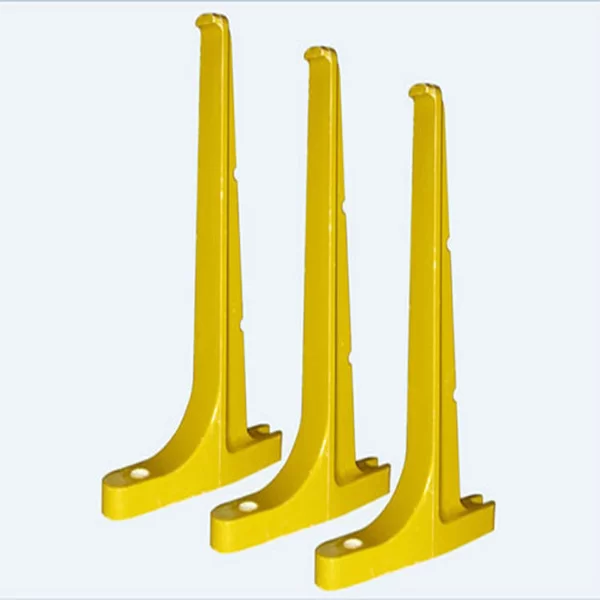
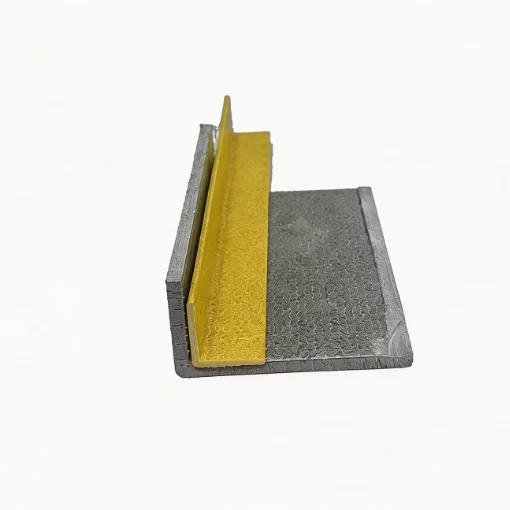
Evolution of Fiberglass Reinforced Polymer (FRP) Technology

Tracing the development of FRP materials from early applications to modern, high-performance solutions.

Market Development History

The use of fiberglass-reinforced polymers dates back to the 1930s, initially finding applications in insulation and non-structural components. The post-World War II era saw significant advancements in resin technology and manufacturing processes, leading to increased adoption in boat building and automotive industries.

In the 1980s and 90s, the introduction of advanced resin systems, such as vinyl ester and epoxy resins, broadened the scope of FRP applications to include more demanding structural components like fiber glass rebar and chemical storage tanks. The development of pultrusion technology enabled the efficient production of consistent, high-strength profiles.

The 21st century witnessed the rise of carbon fiber reinforcement, offering even greater strength and stiffness, albeit at a higher cost. Modern FRP composites now encompass a wide range of materials and manufacturing techniques, catering to diverse industries including aerospace, construction, and energy.

Future Development Trends

Smart Composites Integration

The integration of sensors and monitoring systems into FRP structures is an emerging trend, enabling real-time assessment of structural health and performance. This is particularly relevant for critical infrastructure projects.

Bio-Based Resins

Increasing demand for sustainable materials is driving the development of bio-based resins derived from renewable resources. These materials offer a reduced carbon footprint without compromising performance.

Automation and AI in Manufacturing

Advanced automation and artificial intelligence (AI) are being implemented in FRP manufacturing to improve efficiency, reduce costs, and enhance quality control.

Industry Trends and Future Outlook for FRP in Qatar

Analyzing emerging trends and forecasting the future of fiberglass composites in Qatar’s dynamic construction market.

Increased Demand for Sustainable Solutions
Qatar’s commitment to sustainability will drive demand for environmentally friendly materials like fiberglass, reducing reliance on carbon-intensive alternatives.
Growth in Infrastructure Projects
Continued investment in infrastructure, including transportation, water management, and utilities, will fuel demand for durable and corrosion-resistant fiberglass guardrail mesh and other FRP components.
Adoption of Advanced Materials
Increasing awareness of the benefits of carbon fiber reinforcement, including its high strength-to-weight ratio and durability, will drive its adoption in specialized applications.
Focus on Local Content and Manufacturing
Qatar's push to diversify its economy and promote local manufacturing will create opportunities for establishing FRP production facilities within the country.

Industry Outlook

The FRP market in Qatar is poised for continued growth over the next 3-5 years, driven by the factors outlined above. Google Trends data indicates a rising search volume for terms related to "fiberglass products Qatar" and "FRP solutions Qatar," confirming growing interest in these materials.

Manufacturers who can offer innovative, high-quality products, coupled with local expertise and strong relationships with key stakeholders, will be best positioned to capitalize on this expanding market.

Localized Applications of Fiberglass Products in Qatar

Exploring specific use cases for FRP materials within Qatar’s unique environmental and infrastructure context.

1. Wastewater Treatment Plants

Fiberglass septic tank systems are ideal for Qatar’s desert climate, offering superior corrosion resistance and durability compared to concrete alternatives. Their lightweight nature simplifies installation and reduces transportation costs.

2. Coastal Protection Structures

FRP composites are increasingly used in seawalls, breakwaters, and other coastal protection structures to resist saltwater corrosion and erosion.

3. Oil and Gas Infrastructure

The oil and gas industry in Qatar requires materials that can withstand harsh chemical environments. Fiberglass reinforced polymers are used in pipelines, storage tanks, and other critical components.

4. Road and Highway Guardrails

Fiberglass guardrail mesh offers superior impact resistance and durability compared to traditional steel guardrails, enhancing road safety and reducing maintenance costs.

5. Architectural Facades

Lightweight and durable FRP composites are utilized in modern architectural designs for building facades, offering aesthetic flexibility and improved energy efficiency.

Brand Story

The global development journey of Hebei Zhongtian Composite Material Group Co., Ltd.

Establishing a Foundation of Excellence

Founded in 2005, Hebei Zhongtian Composite Material Group Co., Ltd. began as a small workshop dedicated to producing high-quality fiberglass products.

Expanding Product Portfolio

Over the next decade, we expanded our product portfolio to include a comprehensive range of FRP solutions, catering to diverse industries.

Investing in Innovation

We invested heavily in research and development, collaborating with leading universities and research institutions to develop cutting-edge materials and manufacturing processes.

Global Market Expansion

Recognizing the growing demand for FRP solutions worldwide, we expanded our sales network to include key markets in Asia, the Middle East, and beyond.

Commitment to Sustainability

We are committed to sustainability and are actively developing eco-friendly FRP materials and manufacturing processes.

Complete Product Range for the Region

Discover our diverse catalog of fiberglass solutions tailored for applications in Qatar and the wider Gulf region.

Frequently Asked Questions - Local Market

Addressing common inquiries regarding fiberglass products and their applications in Qatar.

What are the key benefits of using fiberglass septic tanks compared to traditional concrete tanks in Qatar's climate?

Fiberglass septic tanks are significantly lighter, easier to install, and more resistant to corrosion caused by saltwater and harsh chemicals present in Qatar's soil. They also have a longer lifespan and require less maintenance.

How does fiberglass rebar perform in Qatar’s high-temperature and saline environments?

Fiberglass rebar is non-corrosive, making it ideal for use in Qatar’s harsh environment. It maintains its strength and integrity even under extreme temperatures and high salinity levels, unlike steel rebar which is susceptible to rust.

What are the specific applications of carbon fiber reinforcement in Qatar’s construction sector?

Carbon fiber reinforcement is used in strengthening existing concrete structures, repairing damaged infrastructure, and creating lightweight, high-strength components for specialized applications like bridges and high-rise buildings.

Is fiberglass guardrail mesh compliant with Qatar’s safety standards for road infrastructure?

Our fiberglass guardrail mesh products are designed and manufactured to meet or exceed Qatar’s stringent safety standards for road infrastructure. We provide certification and testing documentation to ensure compliance.

What is the lifespan of fiberglass products compared to traditional materials used in Qatar?

Fiberglass products generally have a significantly longer lifespan than traditional materials like concrete and steel in Qatar’s corrosive environment. With proper installation and maintenance, they can last for 50 years or more.

Are there any specific installation requirements for fiberglass products in Qatar’s climate?

While fiberglass is relatively easy to install, proper training and adherence to manufacturer guidelines are essential. We provide comprehensive installation instructions and technical support to ensure optimal performance in Qatar's climate.

Get in Touch with Us

We are dedicated to providing high-quality fiberglass solutions for your projects in Qatar.

Contact Us Now

If you are interested in our products, you can choose to leave your information here, and we will be in touch with you shortly.