Fiberglass Septic Tank Solutions for Turkey

Fiberglass Septic Tank Solutions for Turkey

Providing Durable and Cost-Effective Composite Solutions for Infrastructure and Industrial Needs in Turkey.

Fiberglass Septic Tank Solutions for Turkey

Offering a comprehensive range of fiberglass reinforced plastic products designed to meet the growing demands of the Turkish market.

Current Market Landscape for Fiberglass Products in Turkey

Analyzing the opportunities and challenges within the Turkish non-metallic mineral products manufacturing sector.

Turkey's infrastructure development, coupled with a growing emphasis on sustainable solutions, is driving demand for fiberglass products. The country’s geographical location, prone to seismic activity and varying climates, necessitates robust and corrosion-resistant materials, making fiberglass a viable alternative to traditional materials like concrete and steel.

The Turkish manufacturing sector is experiencing growth, particularly in industries such as construction, water treatment, and transportation. This growth fuels the need for fiberglass septic tank systems, rebar, and other composite materials offering durability and longevity. Government initiatives promoting infrastructure development are also positively impacting the market.

However, the Turkish market presents challenges such as fluctuating currency rates, increasing raw material costs, and competition from both domestic and international suppliers. Navigating these challenges requires innovative solutions, efficient supply chain management, and a focus on delivering high-quality products.
Evolution of Fiberglass Reinforced Plastics in Turkey

Tracing the technological advancements and market growth of FRP materials in the Turkish manufacturing landscape.

Market Development History

The introduction of fiberglass to Turkey began in the 1970s, initially limited to basic applications like boat building and automotive components. Early production relied heavily on imported resins and limited technical expertise.

The 1990s witnessed a gradual increase in the adoption of fiber glass rebar and FRP materials in construction and infrastructure projects. This growth was spurred by advancements in resin technology and the emergence of local manufacturers.

The 2000s marked a period of significant expansion, driven by increased awareness of the benefits of FRP, including corrosion resistance, high strength-to-weight ratio, and design flexibility. The adoption of carbon fiber reinforcement began in niche applications like aerospace and high-performance automotive.

Future Development Trends

Enhanced Resin Systems

The development of advanced resin systems, including vinyl ester and epoxy resins, will enhance the performance characteristics of FRP products, making them suitable for more demanding applications.

Automation and Robotics

Integration of automation and robotics in the manufacturing process will improve efficiency, reduce labor costs, and enhance product quality.

Sustainable Manufacturing Practices

Growing emphasis on sustainability will drive the adoption of bio-based resins and recyclable FRP materials, reducing the environmental impact of production.

Industry Trends and Future Outlook for FRP in Turkey

Exploring the evolving landscape of fiberglass reinforced plastics in Turkey and projecting future growth opportunities.

Growing Demand in Infrastructure
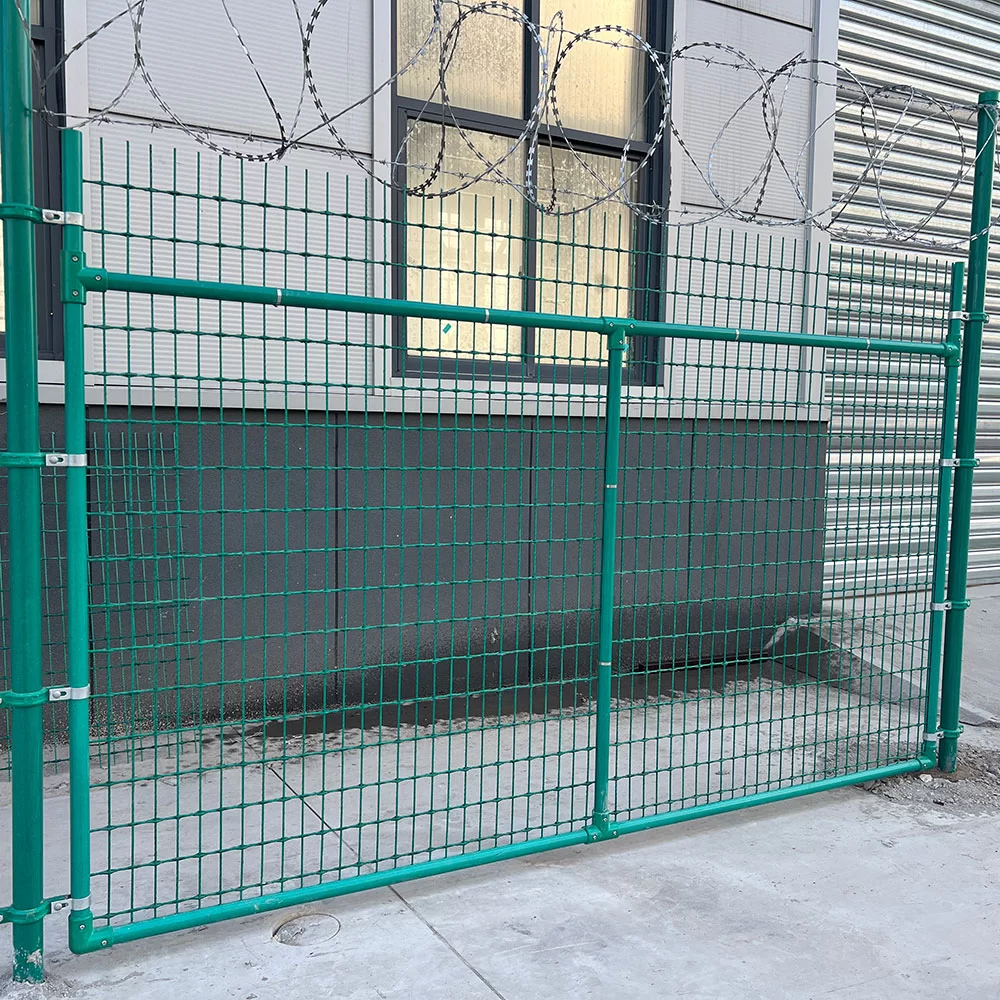
Increased investment in infrastructure projects, including water treatment plants, sewage systems, and transportation networks, will drive demand for durable and corrosion-resistant fiberglass guardrail mesh.
Advancements in Material Science
Ongoing research and development in resin technology and fiber reinforcement will lead to the creation of FRP materials with superior strength, durability, and performance characteristics.
Focus on Sustainability
Increasing demand for eco-friendly materials will drive the adoption of bio-based resins and recyclable FRP components in Turkey.
Government Regulations and Standards
Stricter regulations and quality standards will promote the use of high-performance FRP materials in critical infrastructure applications.

Industry Outlook

The Turkish FRP market is poised for continued growth in the coming years, driven by infrastructure development, increasing demand for sustainable materials, and advancements in material science. Collaboration between local manufacturers, research institutions, and government agencies will be crucial to unlocking the full potential of FRP technology in Turkey.

Google Trends data indicates a growing search interest in “fiberglass products Turkey” and related keywords, suggesting a rising awareness and demand for FRP solutions among Turkish businesses and consumers.

Localized Application Scenarios in Turkey

Exploring specific use cases of fiberglass reinforced plastics tailored to the Turkish market.

1. Wastewater Treatment Facilities

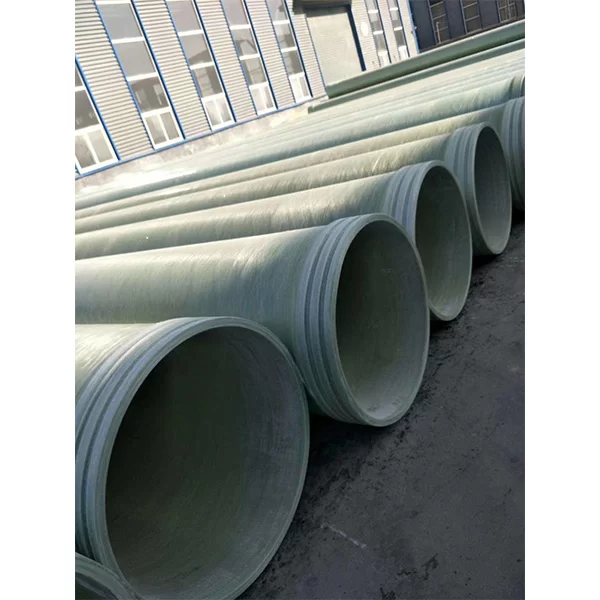
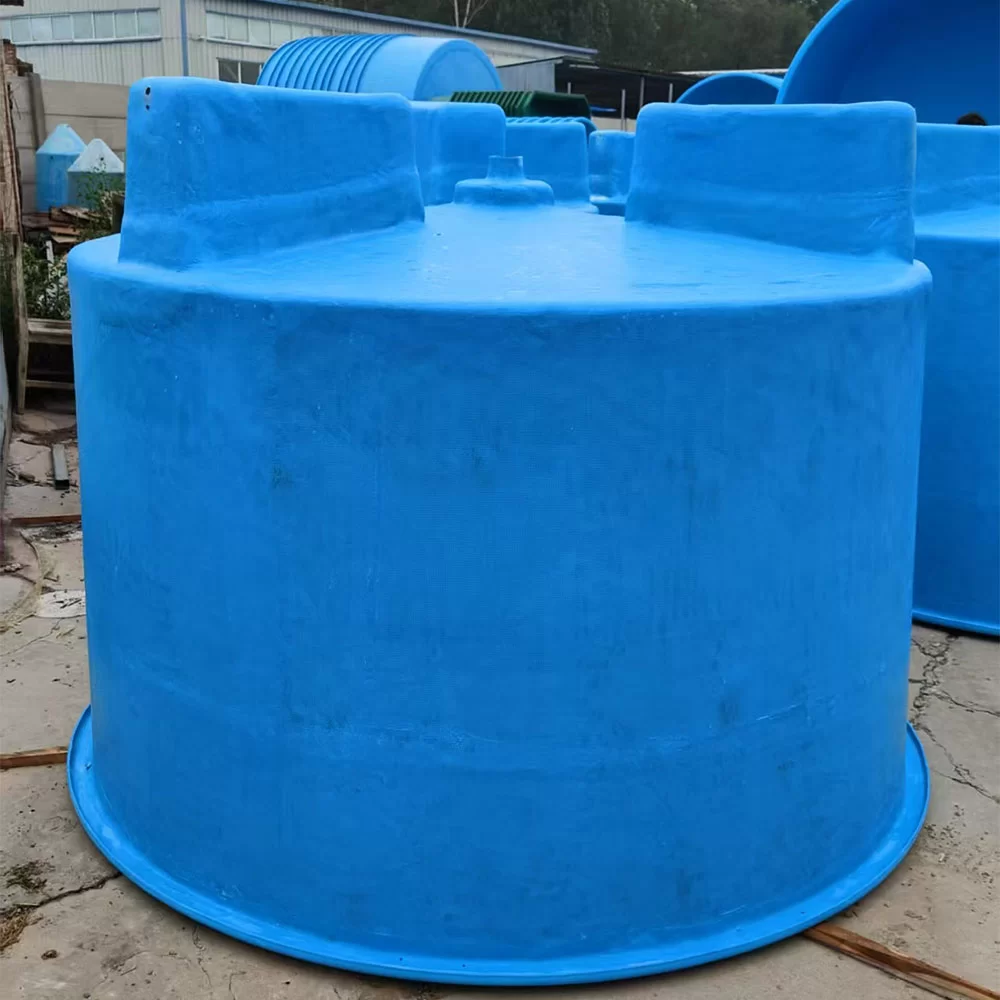
Turkey faces challenges in managing its wastewater resources due to population growth and urbanization. Fiberglass septic tank systems offer a cost-effective and environmentally friendly solution for treating wastewater in both urban and rural areas.

2. Coastal Protection Structures

Turkey's extensive coastline is vulnerable to erosion and storm surges. FRP composite materials are used to construct seawalls, breakwaters, and other coastal protection structures, providing superior durability and corrosion resistance in harsh marine environments.

3. Agricultural Irrigation Systems

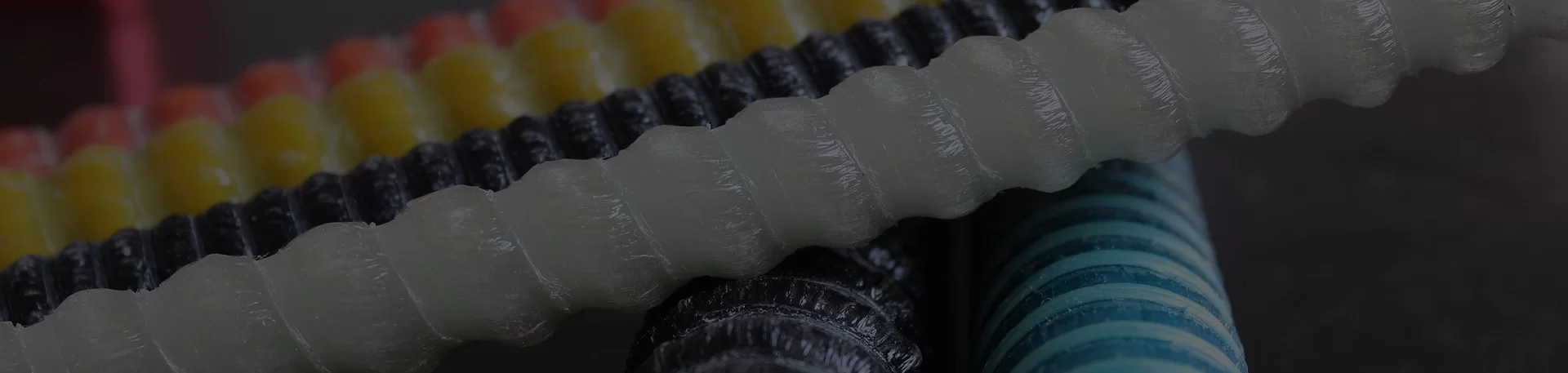
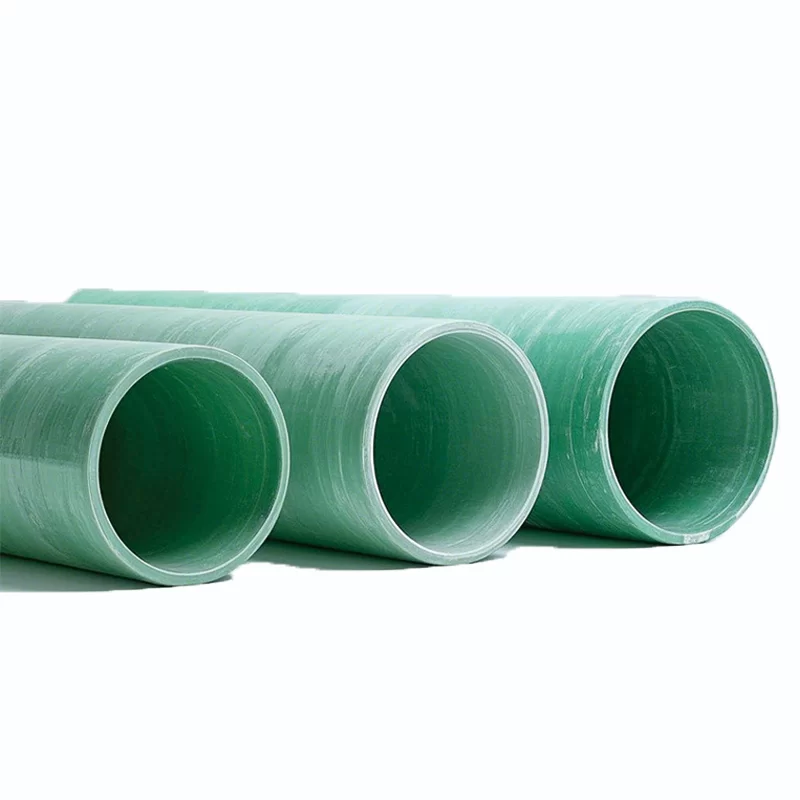
With a significant agricultural sector, Turkey requires efficient irrigation systems. Fiberglass rebar reinforced concrete pipes are ideal for constructing irrigation channels and pipelines, offering enhanced strength and longevity.

4. Railway Infrastructure

Turkey is investing heavily in its railway network. FRP composite sleepers and bridge components provide lightweight, durable, and corrosion-resistant solutions for modernizing rail infrastructure.

Brand Story

Hebei Zhongtian Composite Material Group Co., Ltd.'s global development journey.

Pioneering Composite Solutions

Founded in 2003, Hebei Zhongtian Composite Material Group Co., Ltd. began as a regional supplier of fiberglass products, quickly establishing a reputation for quality and innovation.

Expanding Product Portfolio

Through continuous investment in research and development, we expanded our product portfolio to include a comprehensive range of FRP solutions for various industries.

Global Market Entry

In 2015, we began exporting our products to international markets, including Europe, North America, and Asia, establishing a global presence.

Commitment to Sustainability

We are committed to sustainable manufacturing practices, utilizing eco-friendly materials and reducing our environmental impact.

Partnering for Success

Our mission is to partner with our customers to deliver innovative, reliable, and cost-effective composite solutions that meet their unique needs.

Complete Product Portfolio for the Region

Offering a diverse selection of fiberglass reinforced plastic products to serve the Turkish market.

Frequently Asked Questions - Turkey

Addressing common inquiries about our products and services in the Turkish market.

What are the advantages of using fiberglass septic tanks compared to concrete tanks in Turkey?

Fiberglass septic tanks are lighter, more durable, and corrosion-resistant than concrete tanks, making them ideal for Turkey’s varying soil conditions and seismic activity. They also offer easier installation and a longer lifespan.

How does the carbon fiber reinforcement improve the strength of concrete structures?

Carbon fiber reinforcement significantly increases the tensile strength and load-bearing capacity of concrete structures, making them more resistant to cracking and failure, particularly in earthquake-prone areas like Turkey.

What is the lifespan of fiberglass rebar compared to steel rebar in a corrosive environment?

Fiberglass rebar is non-corrosive and has a significantly longer lifespan than steel rebar in corrosive environments, such as coastal areas or structures exposed to de-icing salts, making it a more sustainable and cost-effective option in Turkey.

What are the applications of fiberglass guardrail mesh in Turkish highway construction?

Fiberglass guardrail mesh provides superior impact resistance, durability, and corrosion resistance compared to traditional steel guardrails, enhancing safety and reducing maintenance costs on Turkish highways.

Are your fiberglass products certified to meet Turkish quality standards?

Yes, our fiberglass products are manufactured to meet relevant Turkish quality standards and regulations. We can provide certification documentation upon request.

What is the typical lead time for delivering fiberglass products to Turkey?

Typical lead times for delivering fiberglass products to Turkey range from 4 to 8 weeks, depending on the size and complexity of the order. We work with reliable logistics partners to ensure timely delivery.

Get in Touch with Us

We are dedicated to providing high-quality composite materials and exceptional customer service throughout Turkey.

Contact Us Now

If you are interested in our products, you can choose to leave your information here, and we will be in touch with you shortly.