

Turkmenistan's industrial environment, particularly in the oil and gas sectors, presents significant challenges due to soil salinity and harsh temperature fluctuations. In these conditions, traditional steel reinforcements often succumb to rapid oxidation. The adoption of fiber glass rebar has become a critical strategy for local engineering projects, as it eliminates the risk of rust while providing the necessary tensile strength for reinforced concrete structures in arid zones.
Furthermore, the demand for efficient waste management in expanding urban areas and remote industrial sites has accelerated the need for specialized containment. A fiberglass septic tank offers a leak-proof, lightweight alternative to concrete, which is prone to cracking under the shifting sands and seismic activity common in the region. These composite tanks ensure environmental safety by preventing groundwater contamination in fragile ecosystems.
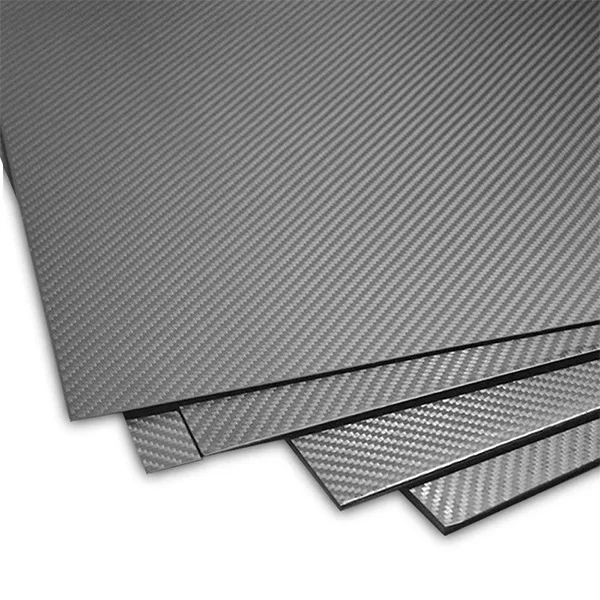
From an industrial procurement perspective, the shift toward non-metallic mineral products is driven by the desire to reduce lifecycle maintenance costs. By integrating carbon fiber reinforcement into existing critical assets, enterprises in Turkmenistan can extend the operational life of their equipment without the need for frequent and costly replacements, aligning with the region's focus on infrastructure modernization.