

Engineered fiberglass and carbon fiber reinforcements designed for extreme durability and chemical resistance.

Addressing regional challenges through material science and engineering excellence.
Tajikistan's mountainous geography and varied climatic conditions demand building materials that can withstand significant thermal expansion and seismic activity. Composite materials offer a lightweight yet high-strength alternative to traditional steel, reducing structural loads in challenging terrains.
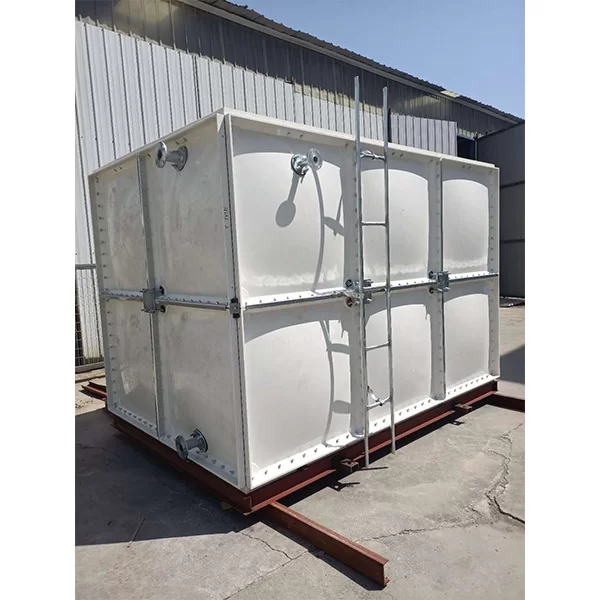
There is a growing need for sustainable water management and industrial waste treatment. The implementation of a fiberglass septic tank provides an essential solution for rural and municipal areas, ensuring leak-proof containment and long-term resistance to soil chemistry.
Local procurement is shifting toward materials that lower lifecycle costs. By adopting GFRP alternatives, engineers in Tajikistan can mitigate the risks of oxidation and corrosion, which are common in aging industrial facilities and hydraulic structures across the region.
From basic reinforcement to integrated high-tech composite systems.
Driving efficiency and longevity in Tajikistan's manufacturing and construction sectors.
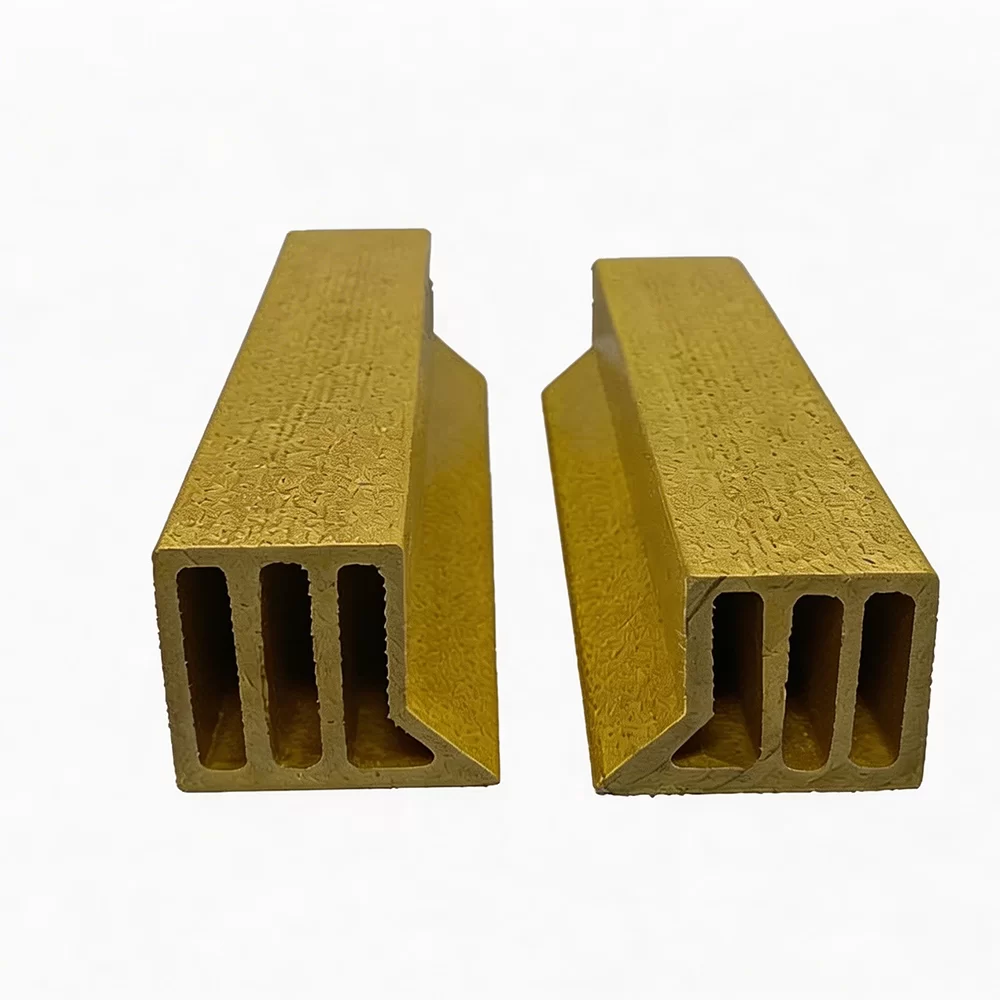
Combining GFRP with carbon fiber reinforcement to achieve ultra-high stiffness and minimal weight for specialized industrial supports.
Prioritizing non-metallic solutions for wastewater and chemical transport to eliminate the need for expensive protective coatings.
Standardizing FRP components to allow for rapid on-site assembly, reducing labor costs in distant regional projects.
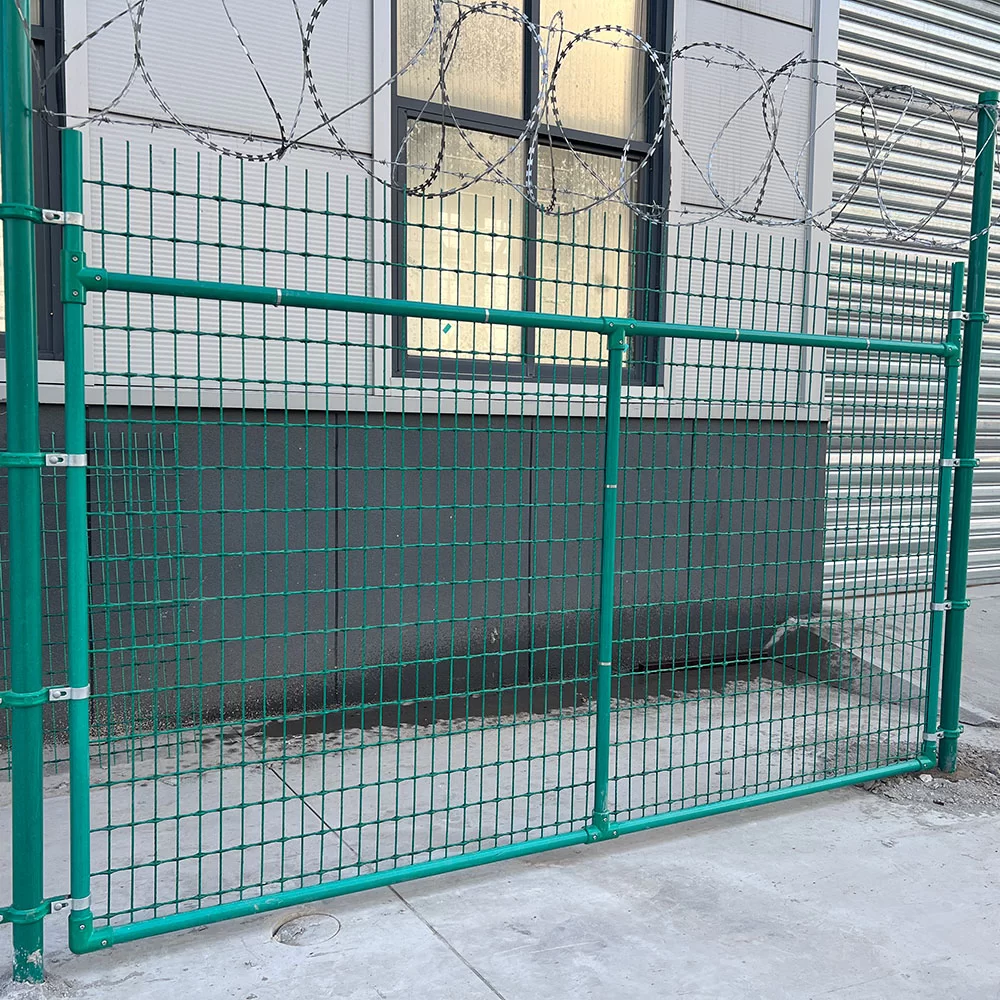
Implementing fiberglass guardrail mesh for industrial zoning and safety barriers in mining and energy facilities.
Over the next 3-5 years, the adoption of composite materials in Tajikistan is expected to move from niche applications to mainstream infrastructure. The focus will likely shift toward enhancing the durability of water transport systems and bridge reinforcements.
From a procurement perspective, there will be an increased emphasis on international certifications and the ability of suppliers to provide fully integrated design-to-installation services, reducing the risk for local project managers.
Tailored solutions for regional infrastructure and industrial needs.
Utilizing integrated FRP sewage pumping stations and storage tanks to improve urban sanitation in Dushanbe and other growing city centers.
Replacing corroded steel rebar with GFRP rebar in canal linings and dam auxiliary structures to prevent rust-induced cracking.
Deploying filament-wound FRP tanks for the safe containment of aggressive chemicals in manufacturing plants, ensuring zero leakage.
Installing non-conductive fiberglass guardrails and mesh in mining zones to ensure worker safety around electrical equipment.
Implementing FRP pressure pipes and fittings for efficient irrigation networks in rural farming valleys, resisting soil salinity.
A legacy of precision manufacturing and global composite expertise.
Established as a large-scale production enterprise integrating design, production, sales, and installation in Zaoqiang County, a hub for the fiberglass industry.
Successfully passed ISO9001:2000 quality system certification, environmental management system certification, and occupational health and safety management system certification.
Operating advanced FW-4000 winding and BWFRP weaving machinery to serve international projects in environmental protection and municipal improvement.
A comprehensive portfolio of GFRP and Carbon Fiber products engineered for high-stress environments.
Technical guidance and procurement insights for composite materials.
GFRP rebar provides a higher strength-to-weight ratio and complete corrosion resistance. In seismic zones, its flexibility and lack of oxidation prevent internal structural degradation, though design must account for different elastic moduli compared to steel.
Fiberglass tanks are lightweight for easier transport to remote mountain villages and are completely impermeable. They resist the acidic or alkaline nature of various soil types, preventing groundwater contamination more effectively than concrete.
Yes, carbon fiber is ideal for strengthening existing concrete beams and columns without adding significant bulk. It provides extreme tensile strength, making it suitable for upgrading old industrial facilities to modern load standards.
Absolutely. Unlike metal railings, fiberglass is non-conductive, making it the safest choice for safety barriers in electrical substations and power plants across Tajikistan's energy sector.
Buyers should ensure the manufacturer holds ISO9001 for quality management, along with environmental and occupational health certifications. This ensures consistency in resin-to-glass ratios and structural integrity.
Yes, the company is a large-scale enterprise that integrates design, production, sales, and installation, ensuring that complex systems like integrated sewage pumping stations are deployed correctly.
From technical specifications for GFRP rebar to custom industrial tank design, our engineering team is ready to support your infrastructure goals in Tajikistan.
Contact Us Now