Fiberglass Guardrail Mesh Solutions for German Infrastructure

Fiberglass Guardrail Mesh Solutions for German Infrastructure

Enhancing Safety and Durability with Advanced Composite Materials in Europe.

Fiberglass Guardrail Mesh Solutions for German Infrastructure

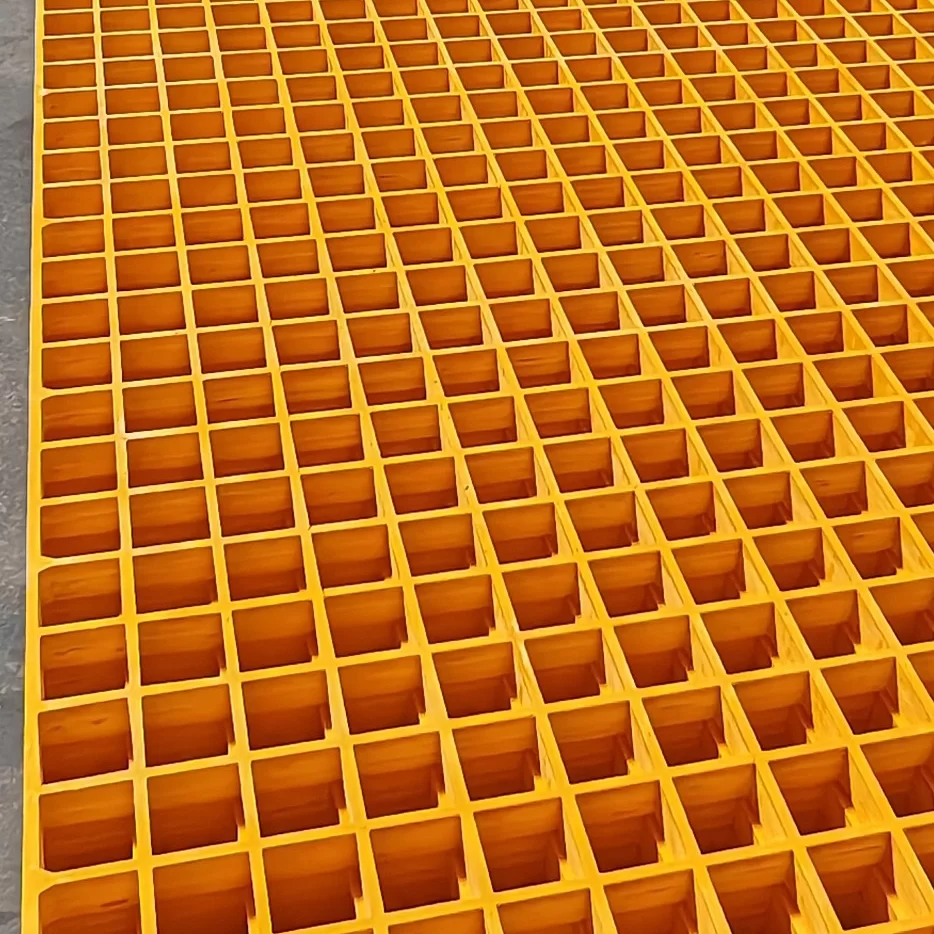
Providing robust and corrosion-resistant fiberglass products for a safer Germany. Our fiberglass guardrail mesh offers a superior alternative to traditional materials.

Current Status of Fiberglass Composites in Germany

Market Overview and Challenges in the German Manufacturing Landscape.

Germany, as a leading industrial nation in Europe, presents a strong demand for durable and cost-effective construction materials. The increasing focus on infrastructure maintenance and upgrades, coupled with stringent safety regulations, drives the adoption of advanced composites like fiberglass products. However, initial adoption rates were slowed by a preference for traditional materials and a perceived higher upfront cost.

The geographic and climatic conditions of Germany – including cold winters and varying soil compositions – necessitate materials resistant to corrosion and extreme weather. This presents a significant advantage for fiberglass septic tank solutions, particularly in areas with challenging ground conditions. Furthermore, the strong emphasis on sustainability and long-term performance aligns perfectly with the benefits of composite materials.

Germany’s robust automotive and engineering industries also contribute to the demand for carbon fiber reinforcement in lightweight applications. These sectors require materials that offer high strength-to-weight ratios and exceptional fatigue resistance.
Evolution of Fiberglass Reinforced Plastics in Germany

From Traditional Materials to Modern Composite Solutions.

Market Development History

The introduction of fiberglass reinforced plastics (FRP) to the German market began in the 1960s, initially focused on niche applications like boat building and automotive components. Early adoption was limited by production costs and a lack of established manufacturing processes.

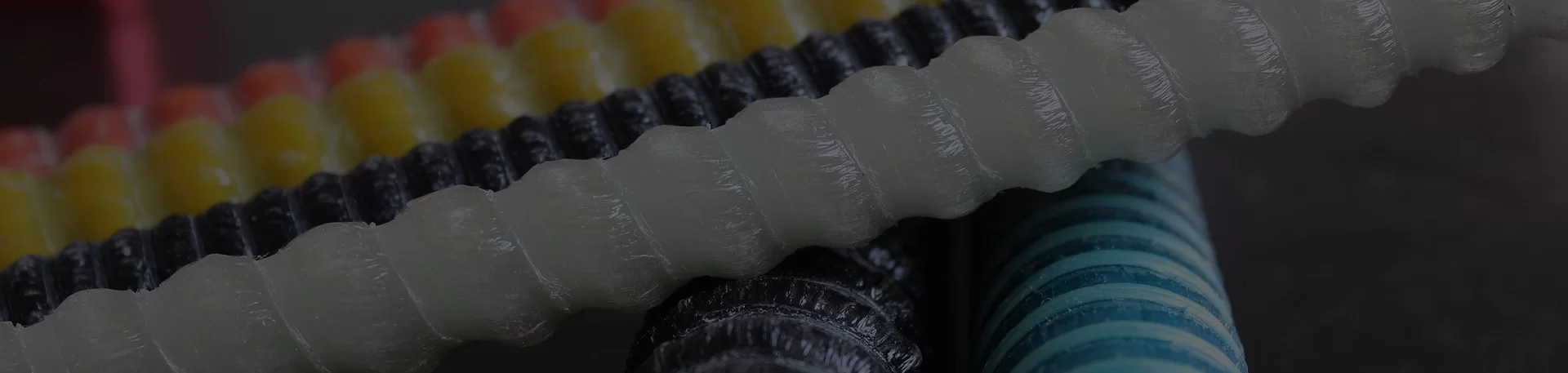
The 1980s and 90s saw a gradual increase in the use of FRP in construction, driven by improvements in resin technology and manufacturing techniques. The demand for fiber glass rebar began to emerge as corrosion concerns in concrete structures became more prominent.

The 21st century has witnessed a significant acceleration in the adoption of FRP, fueled by increased awareness of its benefits, reduced material costs, and stricter environmental regulations. The development of advanced carbon fiber reinforcement materials has further expanded the range of applications.

Future Development Trends

Increased Automation in Manufacturing

We anticipate a shift towards automated manufacturing processes to reduce production costs and improve consistency. Robotics and advanced molding techniques will play a crucial role.

Sustainable and Bio-Based Resins

The demand for eco-friendly materials will drive the development of bio-based resins and recyclable FRP composites, aligning with Germany's sustainability goals.

Smart Composites with Integrated Sensors

Integrating sensors into FRP structures will enable real-time monitoring of structural health, leading to proactive maintenance and improved safety.

Industry Trends and Future Outlook for Fiberglass Products in Germany

Analyzing Market Dynamics and Forecasting Future Growth.

Growing Infrastructure Investment
Germany's commitment to modernizing its infrastructure will drive demand for durable and corrosion-resistant materials like fiberglass guardrail mesh.
Stringent Environmental Regulations
Increasingly strict environmental standards favor the use of lightweight and long-lasting materials like FRP, reducing lifecycle costs and environmental impact.
Demand for Lightweight Solutions
The automotive and aerospace industries in Germany are driving demand for carbon fiber reinforcement to reduce weight and improve fuel efficiency.
Advancements in Resin Technology
The development of high-performance resins with improved mechanical properties and corrosion resistance is further enhancing the appeal of fiberglass composites.

Industry Outlook

The German fiberglass composites market is expected to experience steady growth in the coming years, driven by the factors outlined above. Google Trends data indicates a rising search volume for terms like “FRP construction Germany” and “carbon fiber applications automotive,” reflecting increasing interest in these materials.

The focus will likely shift towards more specialized applications and customized solutions, requiring manufacturers to invest in research and development and offer tailored products to meet specific customer needs.

Localized Application Scenarios in Germany

Real-World Examples of Fiberglass Composites in Action.

1. Bridge Rehabilitation with FRP

Aging bridge infrastructure in Germany requires constant maintenance and repair. Fiberglass reinforced polymer (FRP) composites are increasingly used to strengthen and repair concrete bridge decks and support structures, extending their service life and reducing maintenance costs.

2. Chemical Storage Tanks in Industrial Facilities

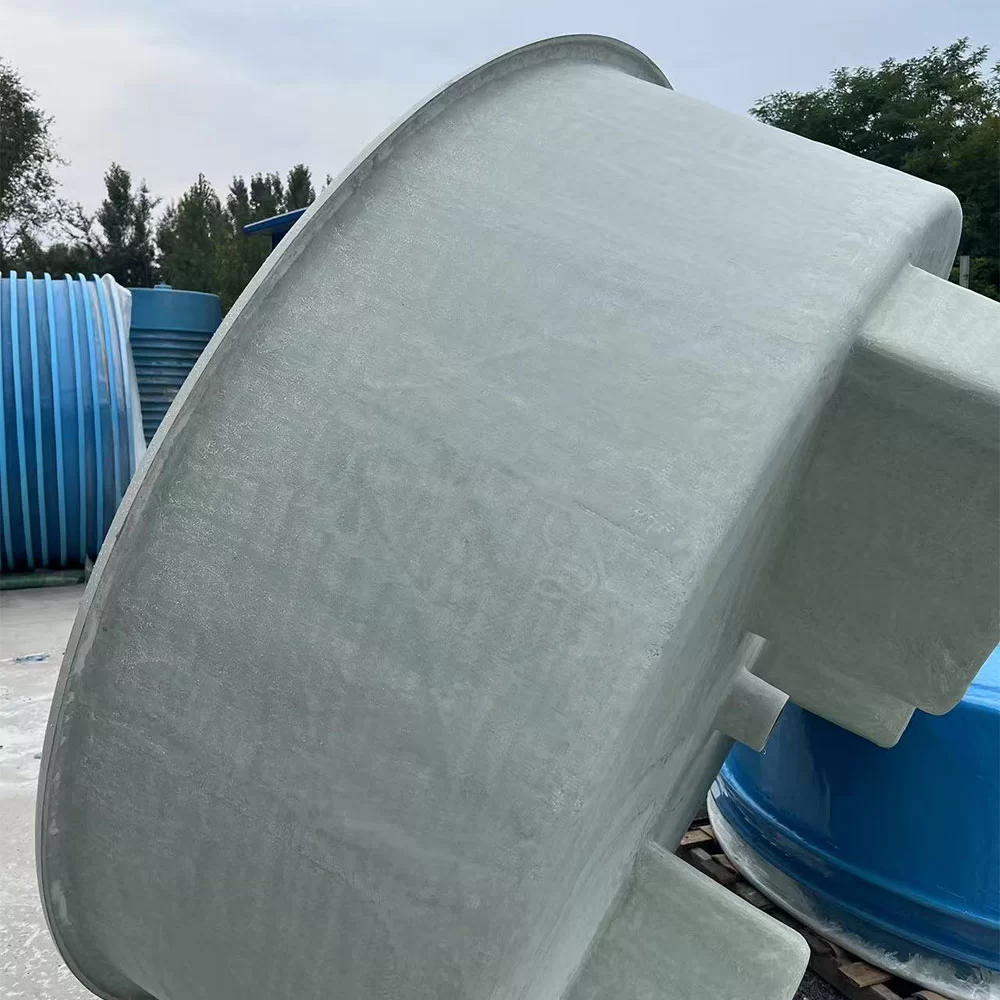
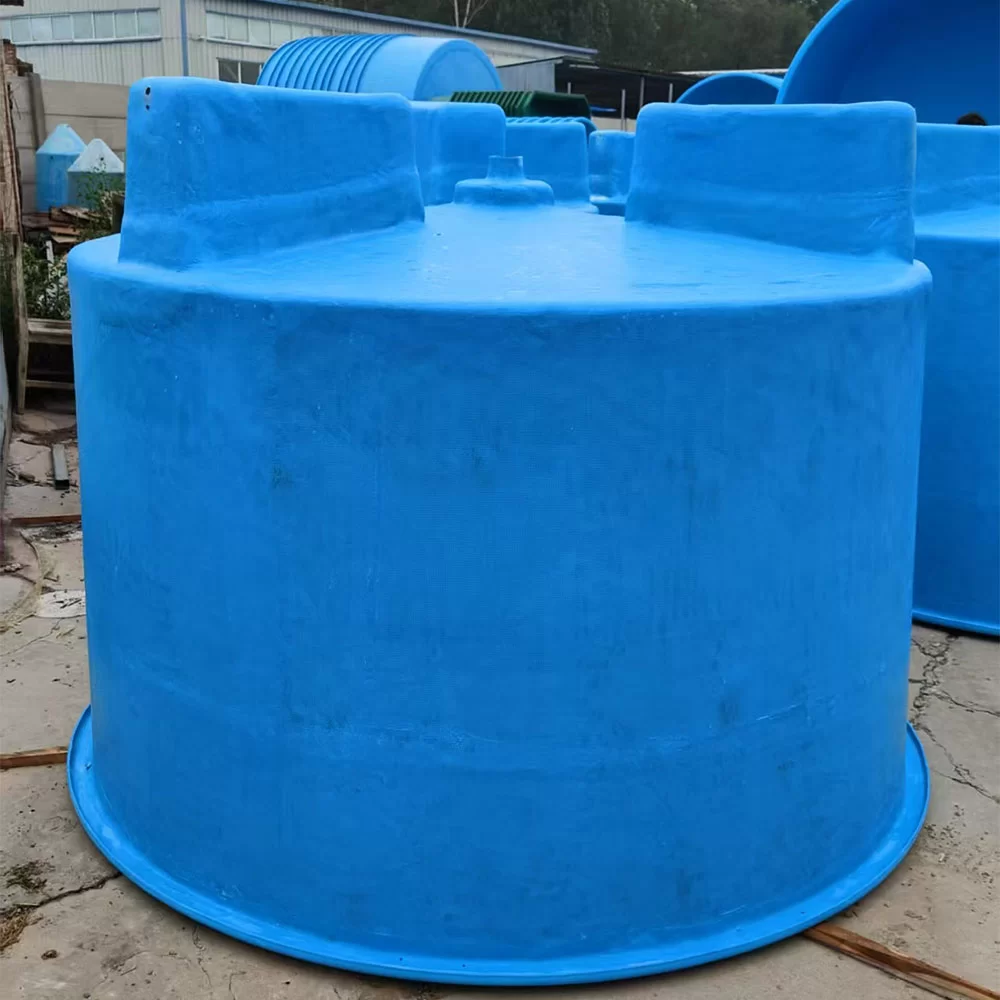
Germany’s thriving chemical industry relies on safe and reliable storage solutions. Fiberglass septic tank tanks offer excellent resistance to corrosion and chemicals, making them ideal for storing corrosive substances.

3. Wind Turbine Blades

Germany is a leader in renewable energy, particularly wind power. Fiberglass products are essential in the manufacturing of wind turbine blades, providing the necessary strength and durability to withstand harsh weather conditions.

4. Lightweight Automotive Components

German automotive manufacturers are utilizing carbon fiber reinforcement to produce lightweight components, such as body panels and interior parts, to improve fuel efficiency and reduce emissions.

5. Guardrail Systems on Autobahns

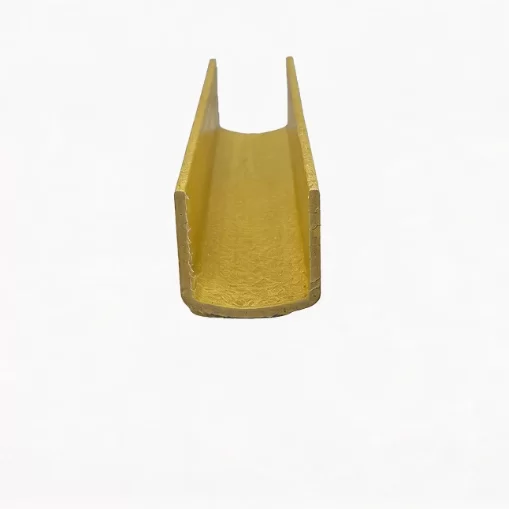
High-speed roadways like the Autobahn require robust safety barriers. Fiberglass guardrail mesh provides a durable and corrosion-resistant alternative to traditional steel barriers, enhancing road safety.

Brand Story

Hebei Zhongtian Composite Material Group Co., Ltd.'s global development journey

Commitment to Innovation

Since our inception, we have relentlessly pursued innovation in fiberglass composite technology, striving to deliver cutting-edge solutions to our clients.

Quality Assurance

We adhere to the highest quality standards, ensuring that our products meet and exceed the expectations of our customers in Germany and beyond.

Sustainability Focus

We are committed to sustainable manufacturing practices, minimizing our environmental impact and promoting the use of eco-friendly materials.

Customer-Centric Approach

We prioritize building strong relationships with our customers, understanding their unique needs, and providing tailored solutions.

Global Reach

We serve a diverse range of industries worldwide, delivering reliable and high-performance fiberglass composite products.

Complete Product Portfolio for the German Market

A comprehensive range of fiberglass composite solutions tailored to meet the demands of German industries.

Frequently Asked Questions about Fiberglass Composites in Germany

Addressing Common Concerns and Providing Expert Insights.

What are the key benefits of using fiberglass rebar compared to traditional steel rebar in German construction projects?

Fiberglass rebar offers superior corrosion resistance, lighter weight, and non-conductive properties compared to steel, making it ideal for challenging environments and reducing lifecycle costs.

How do fiberglass septic tanks comply with German environmental regulations?

Our fiberglass septic tanks are designed and manufactured to meet stringent German environmental standards, ensuring leak-proof performance and preventing groundwater contamination.

What is the lifespan of fiberglass guardrail mesh compared to steel guardrails in Germany's climate?

Fiberglass guardrail mesh offers a significantly longer lifespan than steel guardrails due to its resistance to corrosion, weathering, and impact damage, particularly in Germany’s harsh winter conditions.

Can carbon fiber reinforcement be used to retrofit existing concrete structures in Germany?

Yes, carbon fiber reinforcement is an effective solution for strengthening and extending the life of existing concrete structures in Germany, offering a lightweight and minimally invasive alternative to traditional methods.

What are the fire resistance properties of fiberglass products used in German buildings?

Fiberglass products generally exhibit good fire resistance characteristics. Specific formulations and coatings can be applied to further enhance fire performance and meet German building codes.

What is the environmental impact of manufacturing fiberglass components compared to traditional steel?

Fiberglass manufacturing generally has a lower environmental impact compared to steel production, requiring less energy and producing fewer greenhouse gas emissions.

Get in Touch with Our Experts in Germany

We are dedicated to providing high-quality fiberglass composite solutions tailored to the specific needs of the German market.

Contact Us Now

If you are interested in our products, you can choose to leave your information here, and we will be in touch with you shortly.