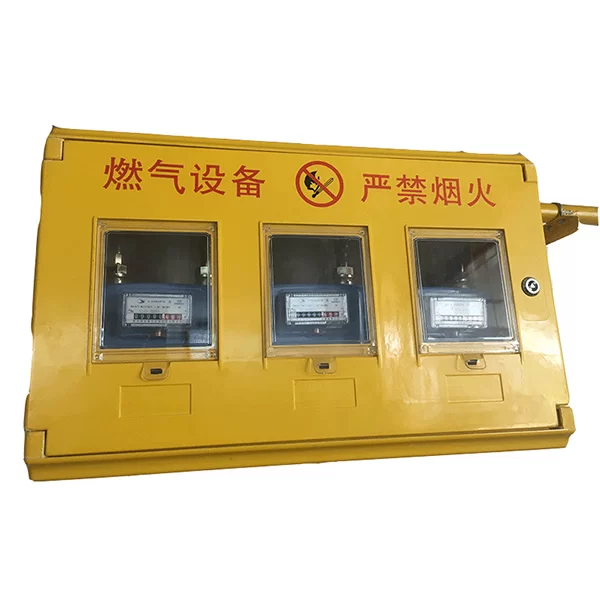
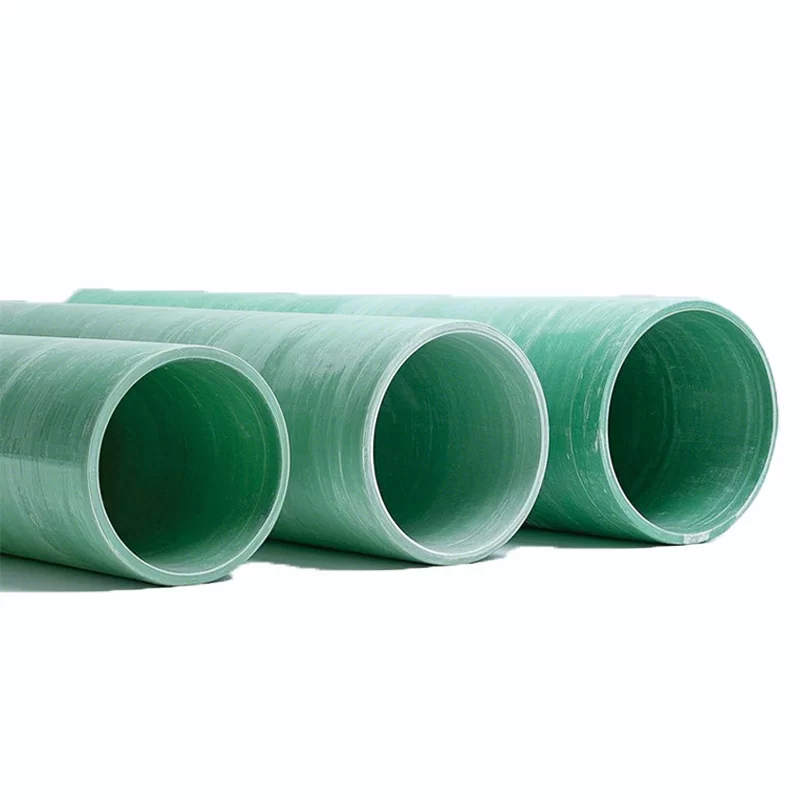
Industrial-grade fiberglass products engineered to meet rigorous construction and environmental standards.

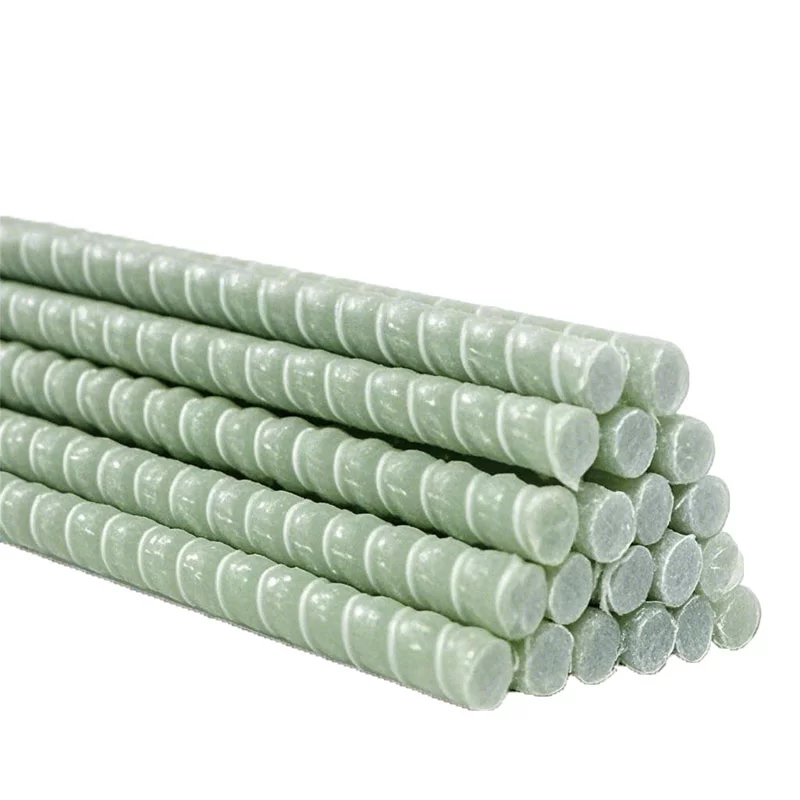

Analyzing the demand for non-metallic mineral products in regional reconstruction and industrial maintenance.
Ukraine's diverse geography and fluctuating climate necessitate materials that can withstand severe freeze-thaw cycles. Traditional steel reinforcement often suffers from corrosion in saline soils or humid coastal areas, making composite alternatives essential for long-term structural integrity.
There is a growing demand from local engineers for fiber glass rebar to replace conventional steel in bridges and coastal defenses. The priority has shifted toward materials that reduce maintenance costs and extend the lifecycle of public works.
Procurement in the region is increasingly focused on integrated environmental systems. The adoption of specialized FRP storage and treatment tanks reflects a commitment to upgrading municipal sewage and chemical processing capabilities across various industrial hubs.
From basic molding to high-precision composite engineering for industrial applications.
Key drivers shaping the next generation of fiberglass and carbon fiber applications.
Integration of microcomputer-controlled winding for higher precision in pressure pipes and storage vessels.
Transition from steel-centric to composite-centric design in corrosive industrial environments.
Reducing installation time through lighter weight materials and modular FRP profiles.
Enhanced longevity of infrastructure reducing the need for frequent carbon-heavy reconstruction.
The trajectory of the fiberglass industry points toward a synergistic approach where GFRP and carbon fiber are used based on specific load-bearing requirements. In the coming years, the focus will shift toward smarter composite materials with embedded monitoring capabilities for structural health.
From a procurement perspective, the ability to integrate design, production, and installation is becoming a decisive factor for large-scale municipal projects, ensuring that the final product aligns perfectly with regional environmental constraints.
Practical implementation of FRP solutions across various infrastructure sectors.
Implementing a fiberglass septic tank system for residential developments to prevent groundwater contamination through leak-proof, corrosion-resistant composite shells.
Utilizing GFRP rebar in seawalls and piers where saltwater exposure renders traditional steel reinforcement obsolete, significantly extending the structure's operational life.
Installation of FRP filament-wound storage tanks for the chemical industry, providing high pressure resistance and inertness to aggressive acids and bases.
Applying fiberglass guardrail mesh in highway projects to provide high-strength barriers that do not corrode under road salt application during winter.
Construction of FRP fish ponds and specialized irrigation piping using pultruded profiles to ensure hygiene and durability in varied soil conditions.
Hebei Zhongtian Composite Materials Group Co., Ltd. - A legacy of precision and scale.
Hebei Zhongtian Composite Materials Group Co., Ltd. was established as a comprehensive enterprise integrating design, production, sales, and installation in Zaoqiang County.
Successfully passed ISO9001:2000 quality system certification, environmental management system certification, and occupational health and safety management system certification.
Operating advanced FW-4000 winding machines and BWFRP weaving equipment to serve large-scale domestic and international projects in environmental protection and water diversion.
A comprehensive portfolio of composite products tailored for corrosive environments and structural reinforcement.
Technical insights regarding fiberglass and carbon fiber applications in Ukraine.
GFRP rebar is non-corrosive and has a lower thermal conductivity than steel. This prevents the internal "rust-jacking" effect often caused by freeze-thaw cycles and road salts, making it ideal for regional infrastructure.
These tanks offer superior chemical resistance and are completely leak-proof. They are significantly lighter than concrete, which reduces transportation and installation costs in remote regional areas.
Carbon fiber reinforcement should be used when extreme stiffness and higher tensile strength are required for structural restoration or high-load industrial components where minimal deformation is critical.
Yes, it is highly suitable because it does not oxidize. It provides the necessary impact resistance while eliminating the need for periodic anti-corrosion painting required by steel mesh.
The company is ISO9001:2000 certified and holds certifications for both environmental management and occupational health and safety, ensuring compliance with international quality standards.
Yes, by adjusting the resin types and fiber winding patterns using microcomputer-controlled equipment, products can be tailored to withstand specific acidic or alkaline environments.
Discuss your technical requirements for GFRP rebar, storage tanks, or custom composite profiles with our engineering team to optimize your project's durability.
Contact Us Now