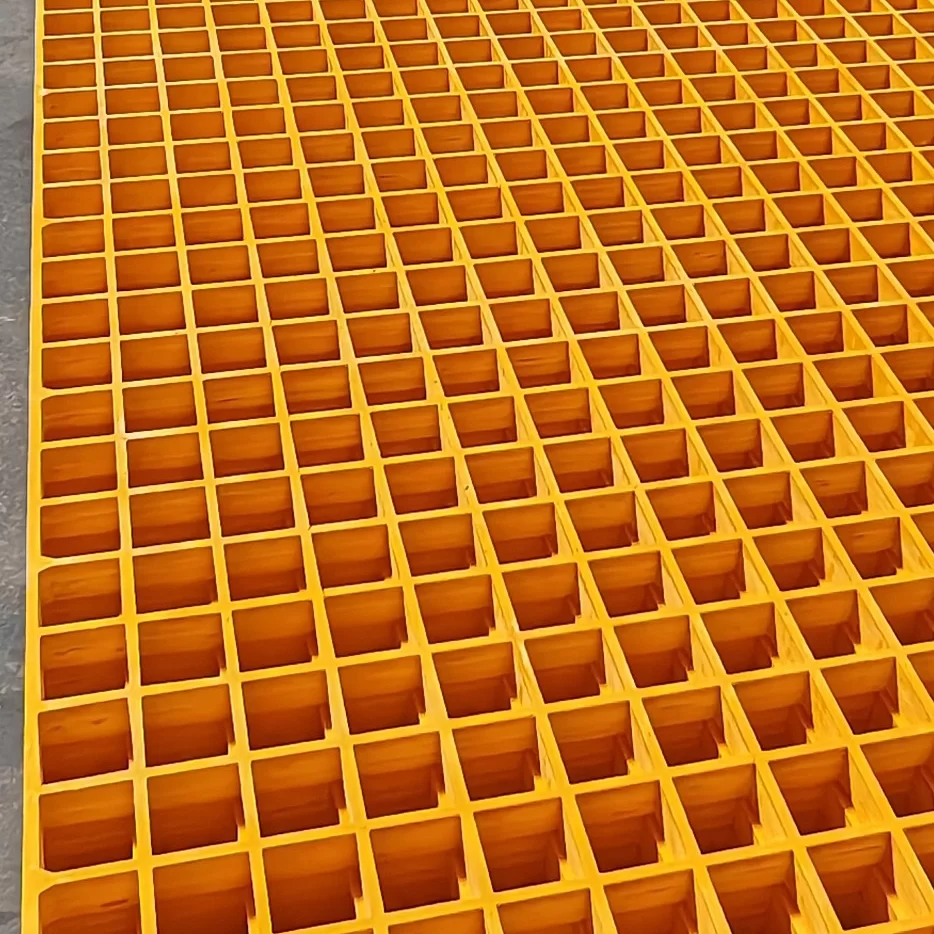
Fiberglass Septic Tank Solutions for Belgium

Fiberglass Septic Tank Solutions for Belgium

Providing durable and reliable fiberglass solutions for diverse applications in the Belgian market.

Fiberglass Septic Tank Solutions for Belgium

Offering a comprehensive range of fiberglass products tailored to meet the demands of the Belgian infrastructure and construction sectors.

Current State of Fiberglass Products in Belgium

An overview of the fiberglass industry landscape in Belgium.

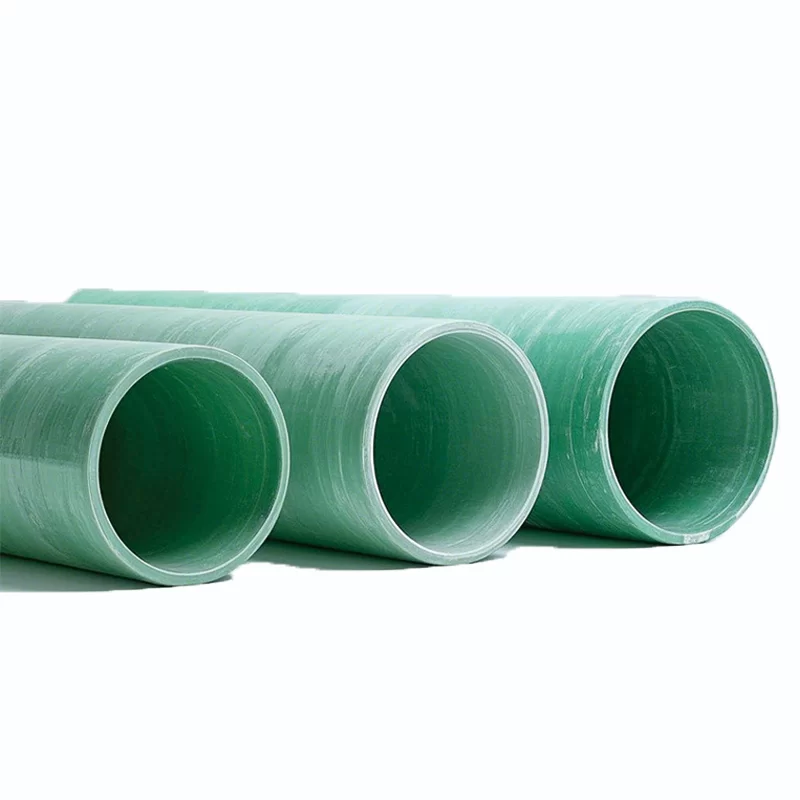
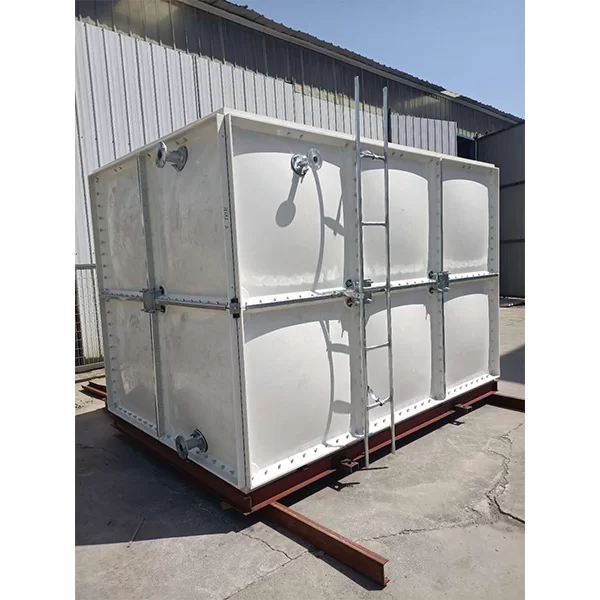
Belgium, with its dense population and stringent environmental regulations, presents a unique market for fiberglass products. The focus on sustainable infrastructure and wastewater management is driving demand for durable and corrosion-resistant materials. The flat terrain and high water table in many areas make efficient and reliable septic systems, often utilizing fiberglass septic tank, essential.

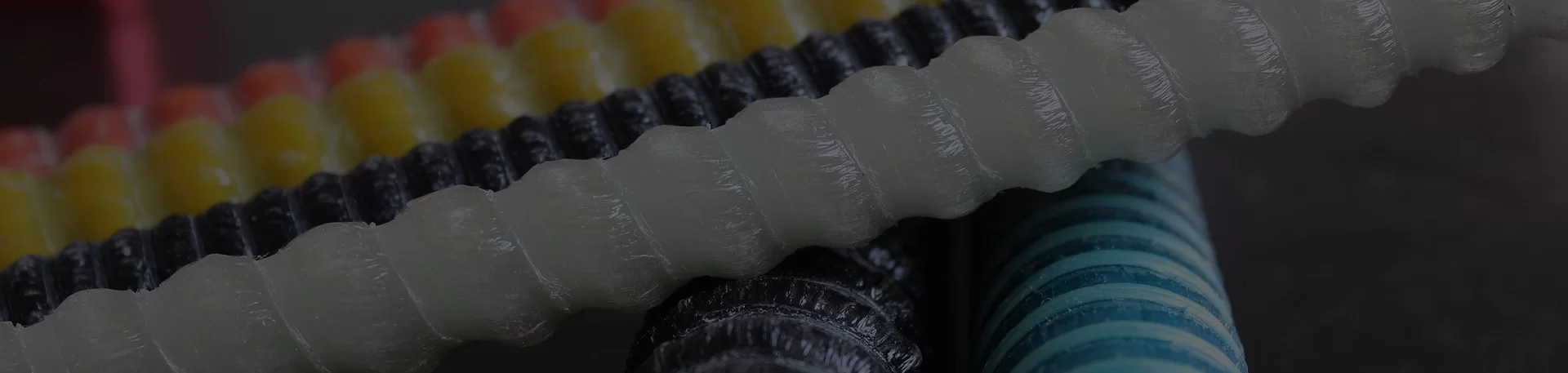
The Belgian construction industry is increasingly adopting innovative materials to enhance project efficiency and longevity. Fiber glass rebar is gaining traction as a lightweight and high-strength alternative to traditional steel reinforcement, particularly in concrete structures. Proximity to major European ports facilitates the import of raw materials and the export of finished products.

The demand for high-performance materials in infrastructure projects, coupled with the growing emphasis on environmental sustainability, is shaping the future of the fiberglass industry in Belgium. Investments in research and development are focused on enhancing the performance and recyclability of carbon fiber reinforcement.
Evolution of Fiberglass Products in Belgium

Tracing the development and advancements in fiberglass technology within the Belgian market.

Market Development History

In the 1950s and 60s, fiberglass began to emerge as a viable alternative to traditional materials in Belgium, initially finding applications in boat building and automotive parts. Early adoption was limited by high production costs and a lack of widespread awareness. The 1980s saw a significant increase in the use of fiberglass products in construction, driven by improvements in manufacturing processes and a growing recognition of its corrosion-resistant properties.

The late 1990s and early 2000s witnessed the introduction of more advanced fiberglass composites, including those reinforced with carbon fiber. This period also marked a growing focus on environmental concerns, leading to the development of more sustainable manufacturing practices and recycling initiatives. The increasing demand for fiberglass guardrail mesh led to enhanced safety standards on Belgian roads.

From 2010 onwards, Belgium has seen a surge in the use of fiberglass in specialized applications such as wind energy, chemical processing, and wastewater treatment. The adoption of fiberglass septic tank systems became more widespread due to their durability and cost-effectiveness.

Future Development Trends

Advanced Composites and Nanotechnology

The integration of nanotechnology into fiberglass composites promises to enhance strength, durability, and resistance to environmental factors. These advancements will open up new possibilities for applications in aerospace, automotive, and construction.

Sustainable Manufacturing Processes

The adoption of bio-based resins and recycled fiberglass materials will reduce the environmental impact of fiberglass production. The use of closed-loop manufacturing systems will minimize waste and maximize resource efficiency.

Smart Fiberglass Products

Integrating sensors and monitoring systems into fiberglass structures will enable real-time performance assessment and predictive maintenance, improving safety and extending service life.

Industry Trends and Future Outlook for Fiberglass in Belgium

Examining the evolving landscape and projected growth of the fiberglass industry within the Belgian context.

Growing Demand for Sustainable Solutions
Belgium’s commitment to environmental sustainability will drive demand for eco-friendly fiberglass products and manufacturing processes.
Infrastructure Modernization
Ongoing infrastructure projects across Belgium will create opportunities for fiberglass applications in bridges, pipelines, and other critical systems.
Growth in Renewable Energy
Belgium’s commitment to renewable energy targets will drive demand for fiberglass components in wind turbines and other clean energy technologies.
Increased Focus on Corrosion Resistance
Belgium's coastal location and industrial activity necessitate materials that can withstand harsh environmental conditions, favoring fiberglass composites.

Industry Outlook

The fiberglass industry in Belgium is poised for continued growth, driven by the factors outlined above. Innovations in materials science and manufacturing technologies will play a key role in expanding the range of applications and enhancing the competitiveness of fiberglass products.

Google Trends data indicates increasing search interest in terms related to “fiberglass septic tanks Belgium” and “carbon fiber reinforcement Belgium,” confirming the growing demand for these products in the local market. Companies that invest in research and development and adopt sustainable practices will be best positioned to capitalize on these opportunities.

Local Application Scenarios in Belgium

Examples of how fiberglass products are used in various applications throughout Belgium.

1. Wastewater Treatment Systems

Fiberglass septic tanks are widely used in rural areas of Belgium where connection to centralized sewage systems is not feasible. Their lightweight nature and ease of installation make them a practical solution for individual households and small communities.

2. Coastal Protection Structures

Fiberglass reinforced polymers (FRP) are increasingly employed in the construction of seawalls and breakwaters along the Belgian coast, providing superior corrosion resistance compared to traditional materials like steel and concrete.

3. Bridge Deck Reinforcement

Fiber glass rebar is used to reinforce concrete bridge decks, extending their lifespan and reducing maintenance costs. This is particularly important for bridges located in areas exposed to harsh weather conditions and road salts.

4. Chemical Processing Plants

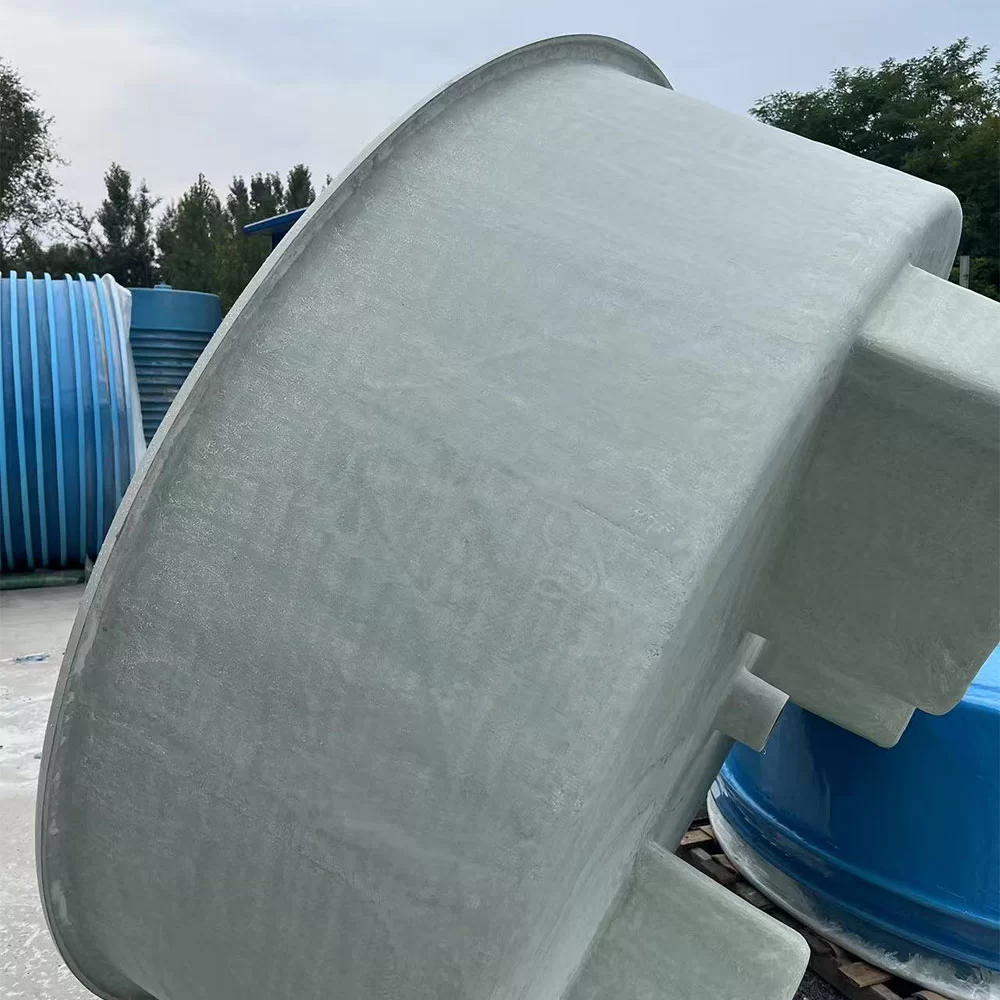
Fiberglass storage tanks and piping systems are essential components of chemical processing plants in Belgium, providing reliable containment for corrosive substances.

5. Wind Turbine Blades

Fiberglass composites are a key material in the production of wind turbine blades, supporting Belgium’s transition to renewable energy sources.

Brand Story

Hebei Zhongtian Composite Material Group Co., Ltd.’s Global Development Journey

Innovation in Composite Solutions

Founded on a commitment to materials science, we strive to provide cutting-edge fiberglass solutions for a sustainable future.

Decades of Expertise

With years of experience in fiberglass manufacturing, we bring a wealth of knowledge to every project.

Global Reach, Local Focus

We serve clients worldwide, while tailoring our solutions to meet the specific needs of local markets.

Commitment to Quality

We adhere to stringent quality control standards to ensure the reliability and performance of our products.

Sustainable Practices

We are dedicated to minimizing our environmental impact through responsible manufacturing processes.

Complete Product Portfolio for the Belgian Market

A wide range of fiberglass products to meet diverse industrial and construction needs.

Frequently Asked Questions - Belgium

Answers to common questions about our fiberglass products and services in Belgium.

What are the key benefits of using fiberglass septic tanks compared to concrete models in Belgium?

Fiberglass septic tanks are significantly lighter than concrete tanks, simplifying installation and reducing transportation costs. They are also corrosion-resistant, preventing leaks and extending their lifespan, even in Belgium’s challenging soil conditions.

How does fiberglass rebar perform in terms of corrosion resistance compared to steel rebar in Belgian coastal areas?

Fiberglass rebar is entirely non-corrosive, making it ideal for use in Belgium’s coastal regions where steel rebar is susceptible to corrosion from saltwater exposure. This reduces maintenance requirements and extends the lifespan of concrete structures.

What are the environmental considerations when choosing fiberglass products for construction projects in Belgium?

Fiberglass products generally have a lower carbon footprint than traditional materials like steel and concrete. We offer products made with recycled content and are committed to sustainable manufacturing practices.

What is the typical lifespan of a fiberglass guardrail mesh system installed on a Belgian highway?

Fiberglass guardrail mesh systems typically have a lifespan of 20-30 years, requiring minimal maintenance and offering superior impact resistance compared to traditional steel systems.

How does carbon fiber reinforcement enhance the performance of concrete structures in Belgium?

Carbon fiber reinforcement significantly increases the strength and durability of concrete structures, allowing for reduced material usage and increased load-bearing capacity. It's especially useful in restoration projects.

Are fiberglass products compliant with Belgian building codes and regulations?

Yes, our fiberglass products meet or exceed relevant Belgian building codes and regulations. We provide documentation and certifications to ensure compliance for all our products.

Get in Touch with Us

We are here to help you with all your fiberglass needs in Belgium.

Contact Us Now

If you are interested in our products, you can choose to leave your information here, and we will be in touch with you shortly.