Advanced Fiberglass Solutions for Swedish Infrastructure

Advanced Fiberglass Solutions for Swedish Infrastructure

Providing durable and reliable fiberglass products for a sustainable future in Sweden.

Advanced Fiberglass Solutions for Swedish Infrastructure

We deliver high-performance fiberglass products tailored to meet the demands of Swedish infrastructure projects and industrial applications.

Current Landscape of Fiberglass Products in Sweden

Analyzing the Swedish market for fiberglass reinforcement materials.

Sweden's commitment to sustainable infrastructure and environmentally friendly practices creates a strong demand for durable and corrosion-resistant materials like fiberglass. The country’s harsh climate, with significant temperature fluctuations and exposure to moisture, necessitates robust solutions that can withstand challenging conditions. The growing focus on infrastructure renewal and upgrades is driving the adoption of fiberglass products.

The Swedish construction industry is increasingly adopting innovative materials to improve project longevity and reduce life-cycle costs. The demand for fiberglass septic tank systems is rising due to their durability and environmental benefits compared to traditional concrete solutions. Furthermore, Sweden's extensive network of roads, bridges, and railways requires constant maintenance and reinforcement, driving the demand for high-strength composites.

Regulations promoting sustainable building practices and infrastructure development in Sweden are creating a favorable market environment for fiberglass composites. The Swedish government's focus on investing in green technologies and infrastructure projects supports the growth of the fiberglass industry. Local manufacturers and suppliers are adapting to meet the evolving needs of the market, offering specialized products and services.
Historical Development and Evolution of Fiberglass Technology

Tracing the advancements in fiberglass composite materials.

Market Development History

The origins of fiberglass as a reinforcing material can be traced back to the 1930s, with initial applications in automotive parts and boat hulls. In the 1950s, advancements in resin technology led to the widespread adoption of fiberglass in construction and infrastructure projects. Early fiber glass rebar solutions were limited in strength and durability but provided a lighter alternative to steel.

The 1980s saw the introduction of improved resin systems and manufacturing processes, leading to enhanced mechanical properties and corrosion resistance. The development of continuous fiber reinforcement techniques significantly increased the strength and stiffness of fiberglass composites. This era also witnessed the growing use of carbon fiber reinforcement in specialized applications requiring high performance.

The 21st century has been marked by a focus on sustainable manufacturing practices and the development of bio-based resins. Nanotechnology and advanced fiber architectures are being explored to further enhance the properties of fiberglass composites. The adoption of automated manufacturing processes and digital technologies is increasing efficiency and reducing production costs.

Future Development Trends

Enhanced Resin Systems

Research and development efforts are focused on creating new resin formulations with improved mechanical properties, chemical resistance, and thermal stability. The development of self-healing resins and smart composites is expected to revolutionize the industry.

Advanced Fiber Architectures

Innovative fiber architectures, such as 3D weaving and braiding, are being explored to optimize the mechanical performance of fiberglass composites. These techniques allow for precise control over fiber orientation and distribution, leading to improved strength and stiffness.

Sustainable Manufacturing Processes

The industry is shifting towards more sustainable manufacturing practices, including the use of recycled materials, bio-based resins, and energy-efficient production processes. This aligns with Sweden’s commitment to environmental sustainability.

Industry Trends and Future Outlook for Fiberglass in Sweden

Exploring the evolving trends and prospective growth of the fiberglass industry.

Growing Demand for Sustainable Materials
Sweden's strong environmental focus drives demand for eco-friendly fiberglass solutions.
Infrastructure Modernization Projects
Ongoing investments in Swedish infrastructure create opportunities for fiberglass guardrail mesh and other composite solutions.
Increased Adoption of Composite Materials
Swedish engineers are increasingly specifying composite materials for their superior performance and durability.
Technological Advancements
Continuous innovation in fiberglass technology is expanding its application possibilities.

Industry Outlook

The Swedish fiberglass market is expected to experience steady growth in the coming years, driven by the factors mentioned above. The demand for high-performance, sustainable materials will continue to increase, creating opportunities for manufacturers and suppliers of fiberglass products. A growing emphasis on preventative maintenance in infrastructure will further boost the market.

Digitalization and automation will play a crucial role in shaping the future of the fiberglass industry in Sweden. The adoption of advanced manufacturing technologies and data analytics will enhance efficiency, reduce costs, and improve product quality. Collaboration between industry stakeholders and research institutions will be essential for driving innovation and addressing emerging challenges.

Local Application Scenarios for Fiberglass Products in Sweden

Exploring the diverse applications of fiberglass composites in the Swedish market.

1. Coastal Protection Structures

Sweden's extensive coastline is vulnerable to erosion and storm surges. Fiberglass composites are increasingly used in the construction of seawalls, breakwaters, and other coastal protection structures due to their high strength, corrosion resistance, and durability in harsh marine environments. These solutions offer a sustainable alternative to traditional concrete structures.

2. Wastewater Treatment Facilities

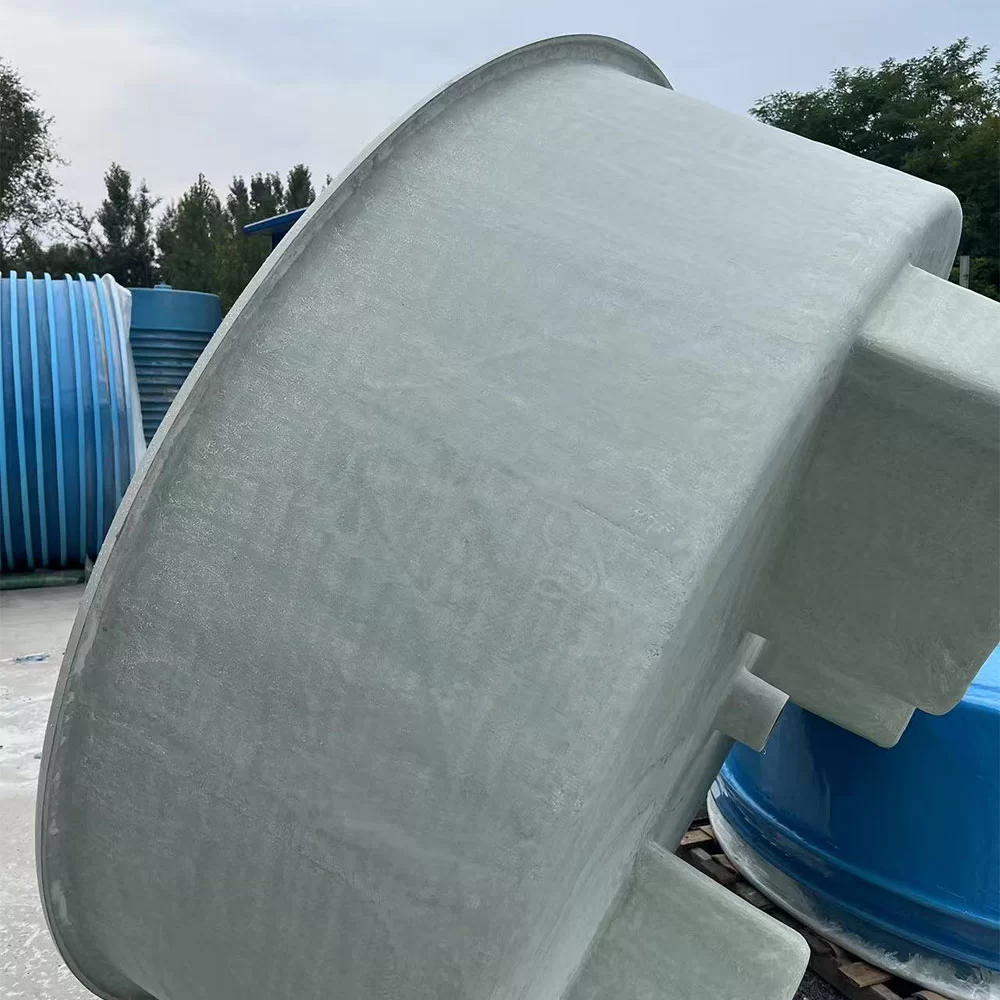
Fiberglass septic tank systems are becoming increasingly popular in Sweden, particularly in rural areas where centralized sewage systems are unavailable. These tanks offer a cost-effective, environmentally friendly, and long-lasting solution for wastewater treatment.

3. Bridge Reinforcement

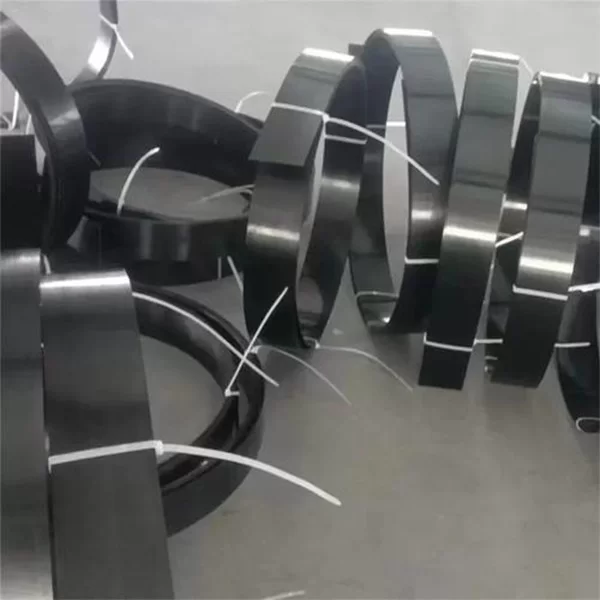
Sweden's aging bridge infrastructure requires regular maintenance and reinforcement. Carbon fiber reinforcement systems are used to strengthen existing concrete bridges, extending their service life and improving their load-carrying capacity. This approach minimizes disruption to traffic and reduces construction costs.

4. Wind Turbine Blades

Sweden is investing heavily in renewable energy, particularly wind power. Fiberglass composites are the primary material used in the manufacture of wind turbine blades due to their high strength-to-weight ratio and fatigue resistance. The demand for lightweight and durable blades is driving innovation in fiberglass technology.

5. Railway Infrastructure

Fiberglass composites are used for railway sleepers, signal housings, and other infrastructure components due to their non-conductivity, low maintenance requirements, and resistance to corrosion. This improves the reliability and safety of the Swedish railway network.

Brand Story

Hebei Zhongtian Composite Material Group Co., Ltd.'s global development journey

Commitment to Quality

Founded on a principle of excellence, we've consistently delivered high-quality fiberglass products for over two decades.

Innovation in Composites

We invest heavily in research and development to create cutting-edge solutions that meet evolving industry needs.

Sustainable Solutions

Our commitment to environmental responsibility drives us to develop eco-friendly and durable composite materials.

Global Reach, Local Expertise

We serve clients worldwide with tailored solutions and a deep understanding of local market requirements.

Customer-Centric Approach

We prioritize customer satisfaction, providing exceptional service and support throughout the project lifecycle.

Complete Product Portfolio for the Swedish Market

A comprehensive range of fiberglass products tailored to Swedish industry standards.

Frequently Asked Questions About Fiberglass Products in Sweden

Addressing common inquiries regarding our fiberglass solutions for the Swedish market.

What are the specific benefits of using fiberglass rebar in Swedish construction projects?

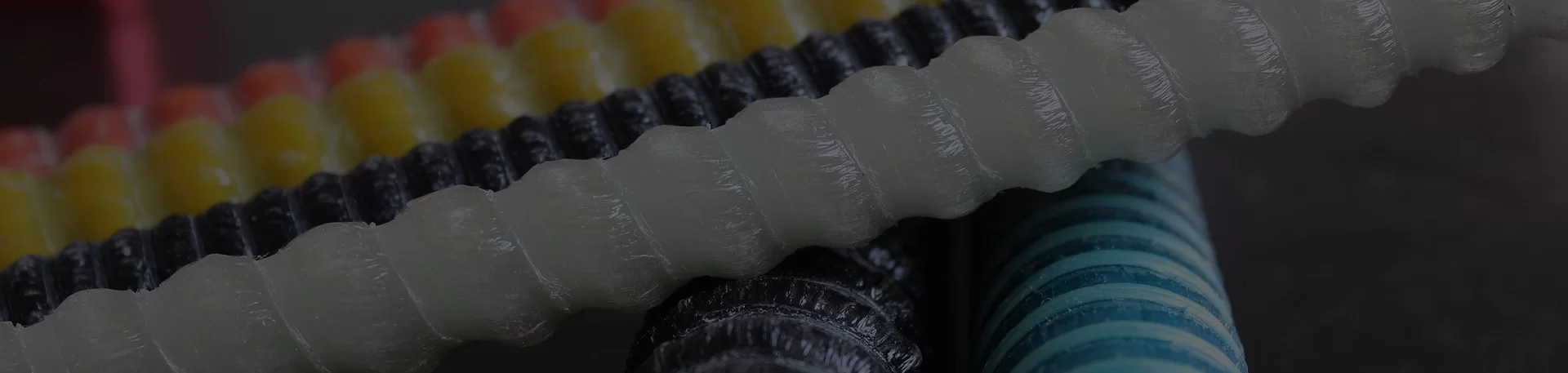
Fiberglass rebar offers superior corrosion resistance compared to steel rebar, making it ideal for Swedish infrastructure exposed to harsh weather conditions and de-icing salts. It is also lightweight, non-conductive, and has a longer lifespan.

How does the performance of carbon fiber reinforcement compare to traditional steel reinforcement in Swedish bridges?

Carbon fiber reinforcement provides a significantly higher strength-to-weight ratio than steel, allowing for stronger and lighter bridge structures. It also exhibits exceptional corrosion resistance and durability, reducing maintenance costs.

Are fiberglass septic tanks compliant with Swedish environmental regulations?

Yes, our fiberglass septic tanks are designed and manufactured to meet or exceed all relevant Swedish environmental regulations and standards for wastewater treatment.

What are the long-term maintenance requirements for fiberglass guardrail mesh installed along Swedish highways?

Fiberglass guardrail mesh requires minimal maintenance compared to traditional steel guardrails. It is resistant to corrosion, weathering, and impact damage, reducing the need for frequent repairs and replacements.

What is the expected lifespan of fiberglass components used in Swedish wind turbine blades?

Fiberglass components in wind turbine blades typically have a designed lifespan of 20-25 years, depending on operating conditions and maintenance practices. Ongoing research is focused on extending the lifespan of these components even further.

How does the cost of fiberglass products compare to traditional materials like steel and concrete in Sweden?

While the initial cost of fiberglass products may be slightly higher than traditional materials, their superior durability, reduced maintenance requirements, and longer lifespan often result in lower overall life-cycle costs.

Get in Touch With Us Today

We are committed to providing innovative fiberglass solutions for your projects in Sweden. Contact us to discuss your specific needs.

Contact Us Now

If you are interested in our products, you can choose to leave your information here, and we will be in touch with you shortly.