Danish Fiberglass Solutions for Robust Infrastructure

Danish Fiberglass Solutions for Robust Infrastructure

Providing high-performance fiberglass products for a sustainable future in Denmark.

Danish Fiberglass Solutions for Robust Infrastructure

Offering a comprehensive range of fiberglass products tailored for Danish environmental conditions and infrastructural needs.

Current Status of Fiberglass Manufacturing in Denmark

An overview of the fiberglass industry landscape in Denmark, its challenges, and opportunities.

Denmark's commitment to sustainability and green infrastructure presents a strong market for fiberglass products. The country's focus on wastewater management and renewable energy boosts demand for durable and corrosion-resistant materials like fiberglass. However, the relatively small domestic market size and strict environmental regulations require manufacturers to prioritize efficiency and innovation.

The Danish climate – characterized by moisture, fluctuating temperatures, and coastal exposure – demands high-performance materials. Fiberglass septic tank solutions, for example, are popular due to their resistance to corrosion and long lifespan. Furthermore, the emphasis on building infrastructure that can withstand harsh conditions drives the adoption of advanced composites.

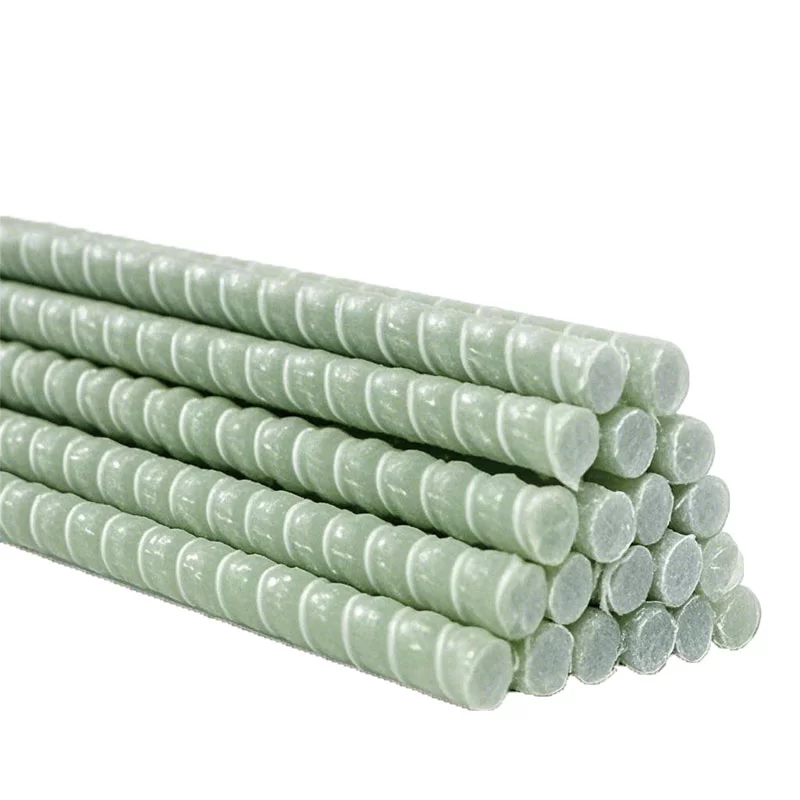
Recent investments in Danish infrastructure projects, including transportation and utilities, are creating new avenues for fiber glass rebar and other composite materials. The industry is witnessing a growing trend toward eco-friendly manufacturing processes and the use of recycled materials.
Evolution of Fiberglass Technology in Denmark

Tracing the development of fiberglass manufacturing from traditional methods to modern innovations.

Market Development History

The introduction of fiberglass in Denmark during the 1950s focused primarily on basic applications like boat building and automotive components. Early materials lacked the advanced resin systems and reinforcement techniques available today.

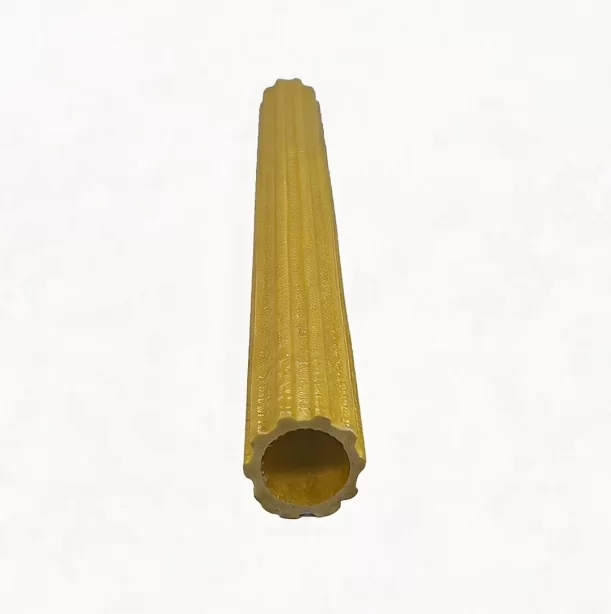
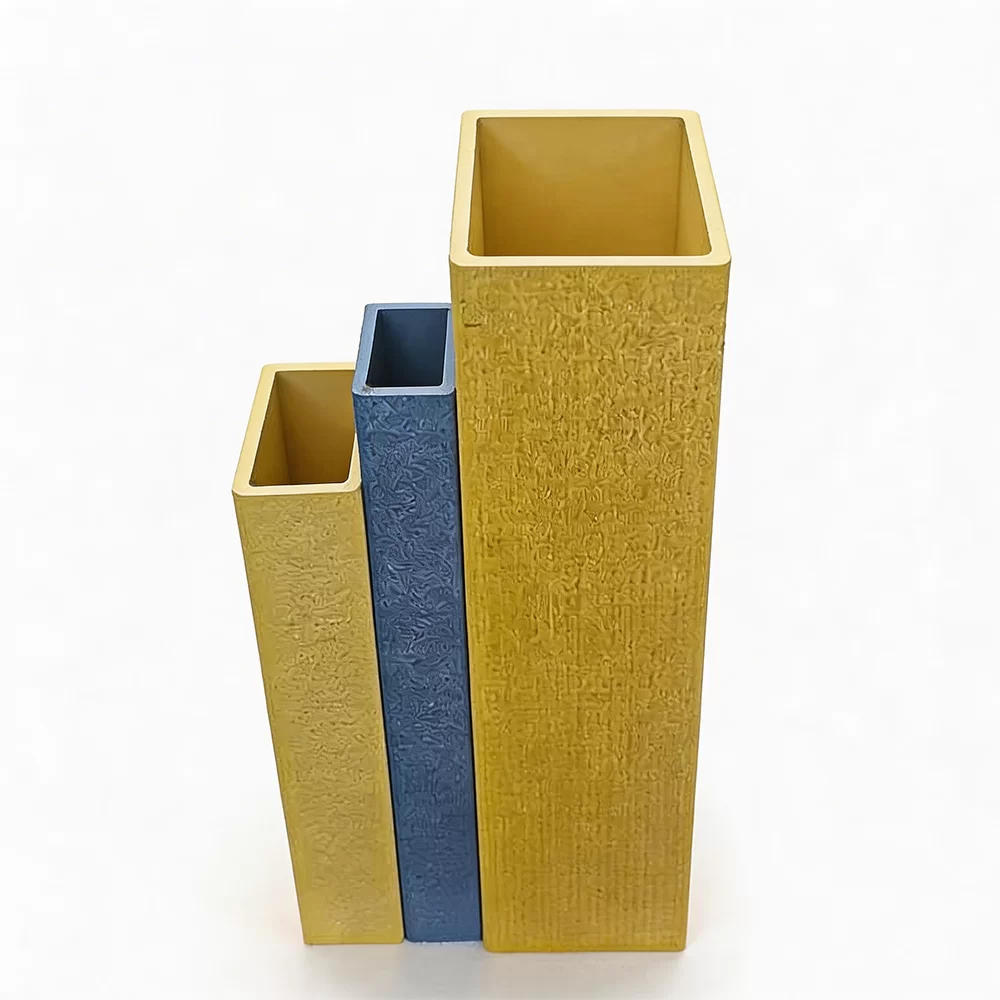
The 1980s and 90s saw the adoption of improved polyester and epoxy resins, leading to enhanced strength and durability. This period also marked the rise of pultrusion and filament winding processes for producing structural profiles.

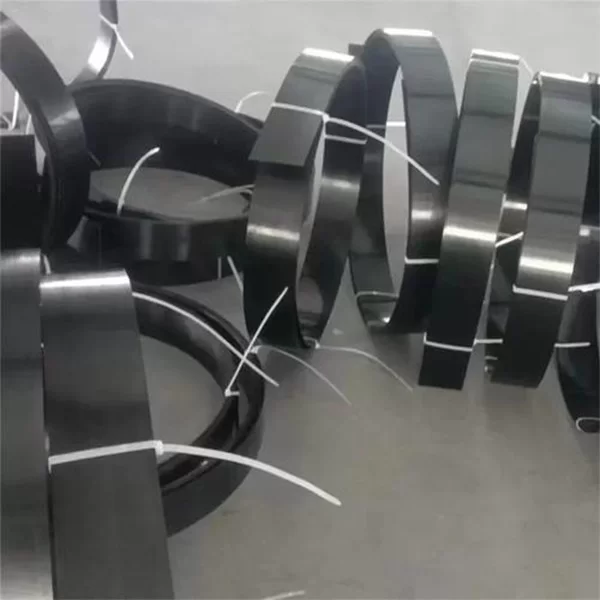
Since the 2000s, there's been a significant shift towards carbon fiber reinforcement and hybrid composites, offering even greater performance characteristics. Automation and digital manufacturing techniques are becoming increasingly prevalent.

Future Development Trends

Advanced Resin Systems

Expect to see the increased use of bio-based resins and thermoplastic composites, offering superior recyclability and reduced environmental impact.

Smart Composites

Integration of sensors and monitoring systems within fiberglass structures to provide real-time data on stress, strain, and environmental conditions. This is fueled by growing IoT adoption.

Automated Manufacturing

Increased investment in automated fiber placement (AFP) and automated tape laying (ATL) technologies to improve production efficiency and precision.

Industry Trends and Future Outlook for Fiberglass in Denmark

Exploring emerging trends and predicting future growth within the Danish fiberglass market.

Sustainable Materials Adoption
Growing demand for eco-friendly fiberglass alternatives and recycled content to meet Denmark’s stringent environmental standards.
Infrastructure Rehabilitation
Increased utilization of fiberglass guardrail mesh and structural components for upgrading existing infrastructure in Denmark.
Wind Energy Support
Fiberglass composite materials will continue to be vital for the manufacturing of wind turbine blades, contributing to Denmark’s renewable energy goals.
Corrosion Resistance Solutions
Continued adoption of fiberglass for applications requiring high corrosion resistance, particularly in marine and wastewater treatment facilities.

Industry Outlook

The Danish fiberglass market is projected to grow steadily over the next 5 years, driven by infrastructure investments and the increasing demand for sustainable materials. Government initiatives promoting green building practices will further accelerate this growth.

Innovation in composite materials and manufacturing processes will be crucial for maintaining competitiveness. Companies that prioritize research and development, and embrace automation, will be best positioned to capitalize on emerging opportunities.

Local Application Scenarios in Denmark

Specific examples of how fiberglass products are utilized in various Danish industries.

1. Wastewater Treatment Plants

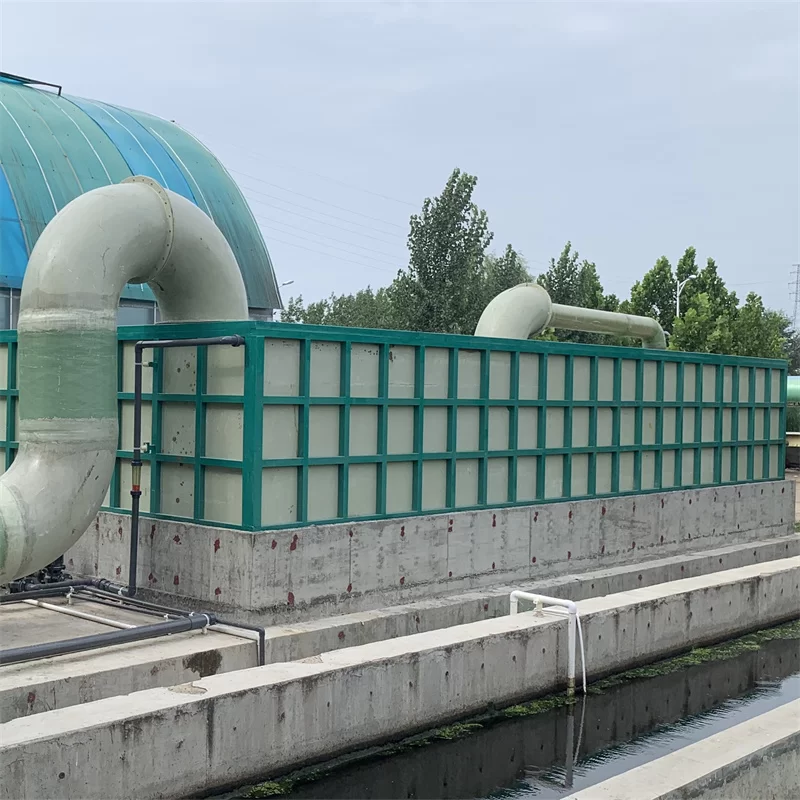
Danish wastewater treatment facilities rely on fiberglass septic tank and piping systems due to their exceptional corrosion resistance and durability, extending the lifespan of critical infrastructure.

2. Wind Turbine Blade Manufacturing

Denmark is a global leader in wind energy, and fiberglass composites are essential for manufacturing high-performance wind turbine blades, maximizing energy capture efficiency.

3. Marine Applications

Fiberglass hulls and structural components are widely used in Danish fishing vessels and recreational boats, offering lightweight and corrosion-resistant solutions for the harsh marine environment.

4. Road and Bridge Infrastructure

Fiberglass guardrail mesh and fiber glass rebar are increasingly being incorporated into road and bridge construction projects, providing enhanced strength, durability, and reduced maintenance costs.

5. Agricultural Structures

Fiberglass is used in the construction of livestock shelters and agricultural storage tanks due to its resistance to chemicals and weathering.

Brand Story

Hebei Zhongtian Composite Material Group Co., Ltd.'s global development journey.

Pioneering Composite Solutions

Established in 2005, Hebei Zhongtian Composite Material Group Co., Ltd. began with a vision to revolutionize infrastructure with advanced composite materials.

Technological Advancement

In 2010, the company invested heavily in R&D, leading to breakthroughs in pultrusion technology and the development of high-performance fiberglass products.

Global Expansion

From 2015, we expanded our reach internationally, providing innovative composite solutions to diverse markets worldwide, including Europe.

Sustainability Commitment

In 2020, we committed to sustainable manufacturing practices, incorporating recycled materials and reducing our environmental footprint.

Partnering for Progress

Today, we continue to collaborate with engineers and industry leaders to deliver cutting-edge composite solutions for a more resilient and sustainable future.

Comprehensive Product Range for the Danish Market

A selection of our high-quality fiberglass products tailored to meet the needs of Danish industries.

Frequently Asked Questions – Denmark

Addressing common queries regarding our fiberglass products and services in Denmark.

What are the benefits of using fiberglass rebar in Danish concrete structures?

Fiberglass rebar offers superior corrosion resistance compared to steel, making it ideal for Danish infrastructure exposed to harsh coastal environments. It's also lightweight and non-conductive, reducing construction costs and improving safety.

How does fiberglass septic tanks compare to traditional concrete tanks in Denmark?

Fiberglass septic tanks are lighter, easier to install, and completely waterproof, preventing groundwater contamination. They also have a longer lifespan and require less maintenance than concrete tanks.

Are your fiberglass products compliant with Danish environmental regulations?

Yes, our products meet all relevant Danish environmental standards and are manufactured using sustainable practices. We prioritize minimizing our environmental impact throughout the production process.

What is the typical lifespan of fiberglass guardrail posts in a Danish climate?

Fiberglass guardrail posts in Denmark can have a lifespan of 25 years or more, significantly exceeding that of traditional steel or wooden posts, due to their resistance to corrosion, weathering, and impact damage.

Can you provide fiberglass solutions tailored for specific wind turbine blade applications?

Yes, we offer customized fiberglass composite solutions for wind turbine blade manufacturing, including specialized resins, reinforcements, and manufacturing processes to meet specific performance requirements.

What are the advantages of using carbon fiber reinforcement in Danish construction projects?

Carbon fiber reinforcement offers exceptional strength-to-weight ratio and stiffness, allowing for lighter and more durable structures. It’s ideal for retrofitting and strengthening existing concrete infrastructure in Denmark.

Get in Touch with Our Danish Fiberglass Experts

We’re dedicated to providing innovative fiberglass solutions for projects across Denmark. Contact us today to discuss your specific needs.

Contact Us Now

If you are interested in our products, you can choose to leave your information here, and we will be in touch with you shortly.