Fiberglass Products Solutions for Finland

Fiberglass Products Solutions for Finland

Delivering High-Performance Fiberglass Reinforced Plastic (FRP) Products to Finnish Industries.

Fiberglass Products Solutions for Finland

Providing robust and reliable fiberglass solutions for a diverse range of applications in the Finnish market.

Current Status of Fiberglass Manufacturing in Finland

An overview of the fiberglass industry landscape in Finland, considering its unique geographical and economic factors.

Finland’s demanding climate, characterized by long, cold winters and a significant presence of waterways, creates a consistent demand for durable and corrosion-resistant materials. Fiberglass products are increasingly favored in construction, marine applications, and infrastructure projects due to their ability to withstand harsh conditions. The focus on sustainability also drives the adoption of lightweight and long-lasting materials like FRP.

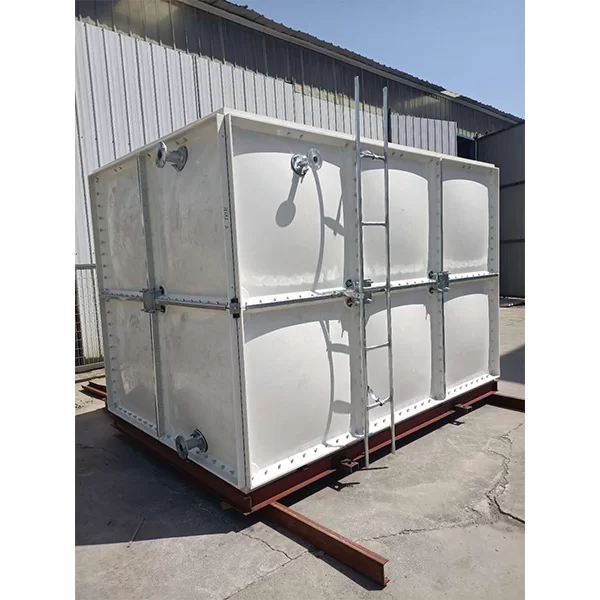
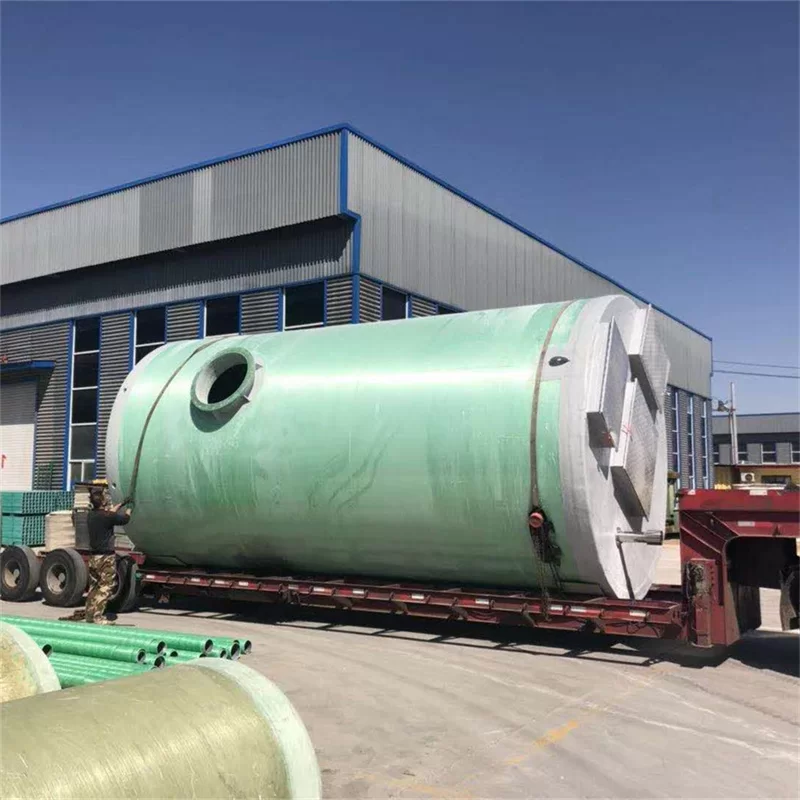
The Finnish manufacturing sector is known for its high levels of automation and commitment to quality. This translates into a demand for fiberglass septic tank and FRP components that meet stringent performance standards. Furthermore, Finland’s location and strong trade links within the EU provide opportunities for both import and export of fiberglass materials.

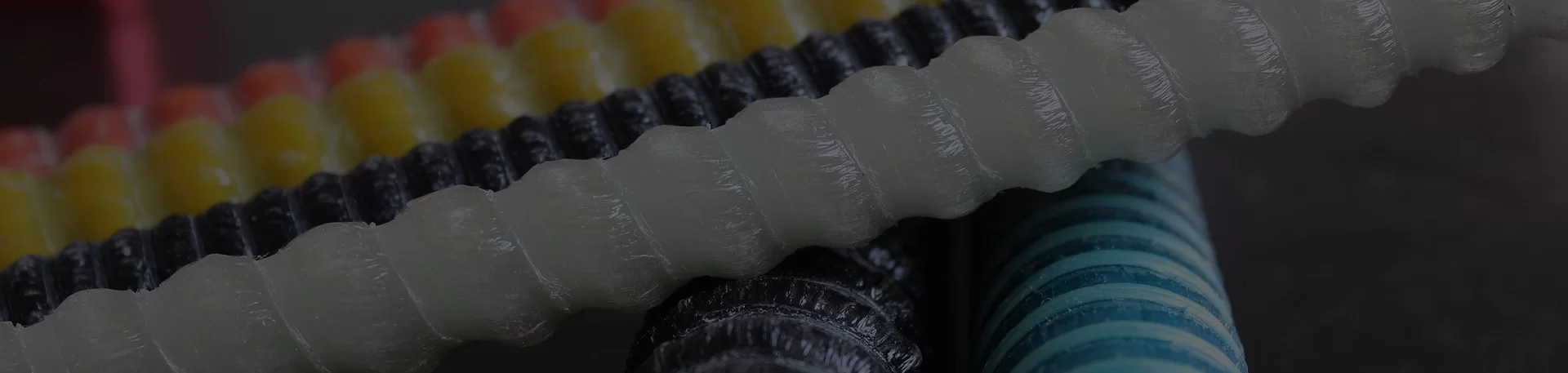
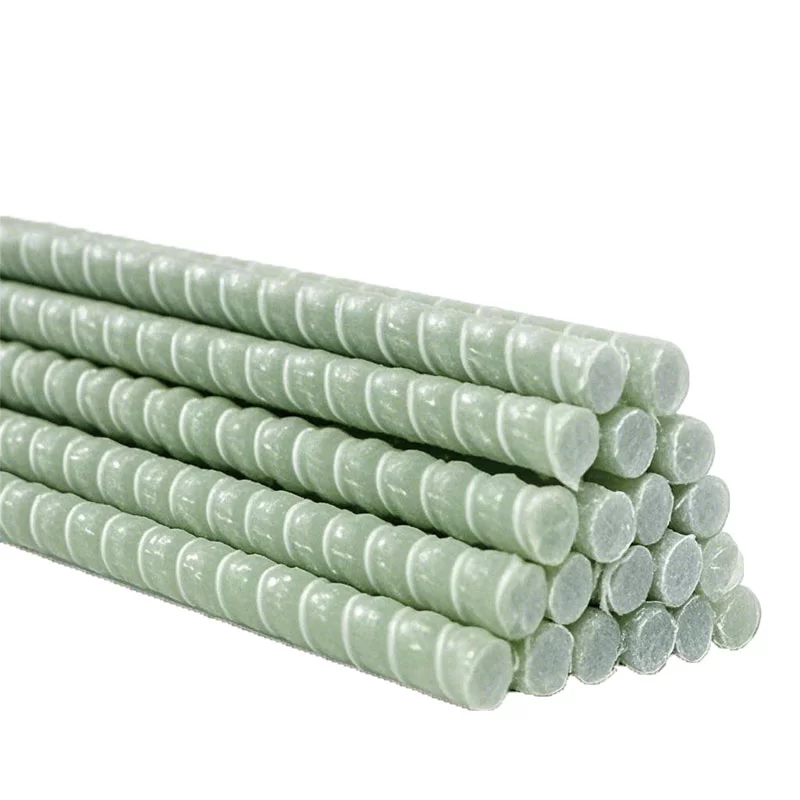
The emphasis on environmental protection in Finland leads to a preference for materials with low life-cycle costs and minimal environmental impact. Fiber glass rebar are a key example, offering a sustainable alternative to traditional steel reinforcement in concrete structures.
Evolution of Fiberglass Technology and Market Trajectory

Tracing the historical development of fiberglass manufacturing and outlining future trends in the Finnish market.

Market Development History

The adoption of fiberglass in Finland began in the mid-20th century with applications in boat building, leveraging its lightweight and corrosion-resistant properties. Early fiberglass production relied heavily on manual lay-up processes. By the 1980s, advancements in resin technology and manufacturing techniques, such as spray-up and filament winding, led to increased production efficiency.

The early 2000s witnessed a growing demand for more specialized FRP products, particularly in infrastructure and construction. This spurred the adoption of pultrusion and resin transfer molding (RTM) processes. The introduction of carbon fiber reinforcement technologies further expanded the capabilities of FRP materials.

More recently, the focus has shifted towards sustainable manufacturing practices and the development of bio-based resins. The emphasis on circular economy principles is driving innovation in fiberglass recycling and reuse methods. Finnish manufacturers are actively pursuing partnerships to develop next-generation FRP solutions.

Future Development Trends

Increased Automation and Digitalization

The future of fiberglass manufacturing in Finland will be shaped by increased automation and the integration of digital technologies, such as AI-powered process control and predictive maintenance.

Advanced Resin Systems

Expect to see wider adoption of advanced resin systems, including high-performance epoxies, vinyl esters, and bio-based alternatives, offering enhanced mechanical properties and reduced environmental impact.

Smart FRP Composites

Integrating sensors and monitoring systems into FRP structures to create "smart" composites capable of providing real-time data on structural health and performance will be a growing trend.

Industry Trends and Future Outlook

A forecast of the key developments shaping the fiberglass industry in Finland over the next 3-5 years.

Sustainability Focus
Increased demand for eco-friendly fiberglass products and recycling solutions, driven by Finland’s commitment to environmental sustainability.
Infrastructure Investment
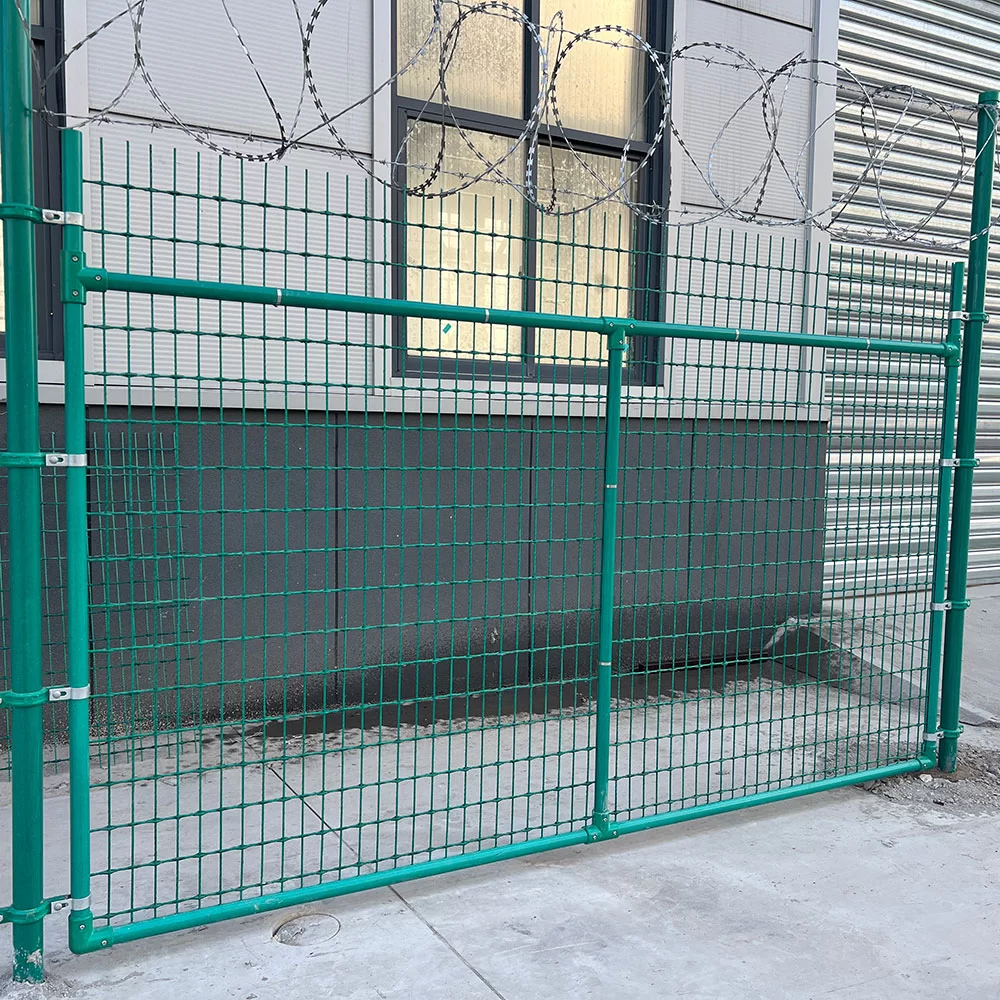
Significant investments in Finnish infrastructure projects will drive demand for durable and corrosion-resistant fiberglass guardrail mesh and FRP composites.
Marine Industry Growth
Finland's strong maritime sector will continue to drive demand for lightweight and high-performance fiberglass components for boat building and marine infrastructure.
Technological Advancement
Ongoing research and development in advanced materials and manufacturing processes will lead to innovative fiberglass solutions with enhanced performance characteristics.

Industry Outlook

The Finnish fiberglass market is poised for moderate growth over the next 5 years, driven by infrastructure investments, marine industry expansion, and increasing demand for sustainable materials. Manufacturers who prioritize innovation, sustainability, and customer-specific solutions will be best positioned for success. The adoption of digital technologies and automation will be crucial for maintaining competitiveness.

Google Trends data reveals growing search interest in “FRP composites Finland” and “sustainable construction materials Finland,” indicating a rising awareness and demand for fiberglass-based solutions. This trend underscores the importance of focusing on eco-friendly products and targeting online marketing efforts towards relevant keywords.

Localized Applications of Fiberglass Products

Specific use cases for fiberglass reinforced plastic materials in Finland.

1. Wastewater Treatment Facilities

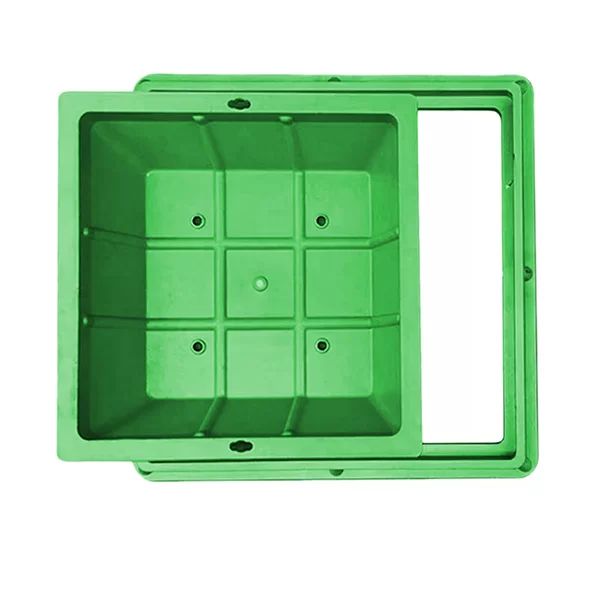
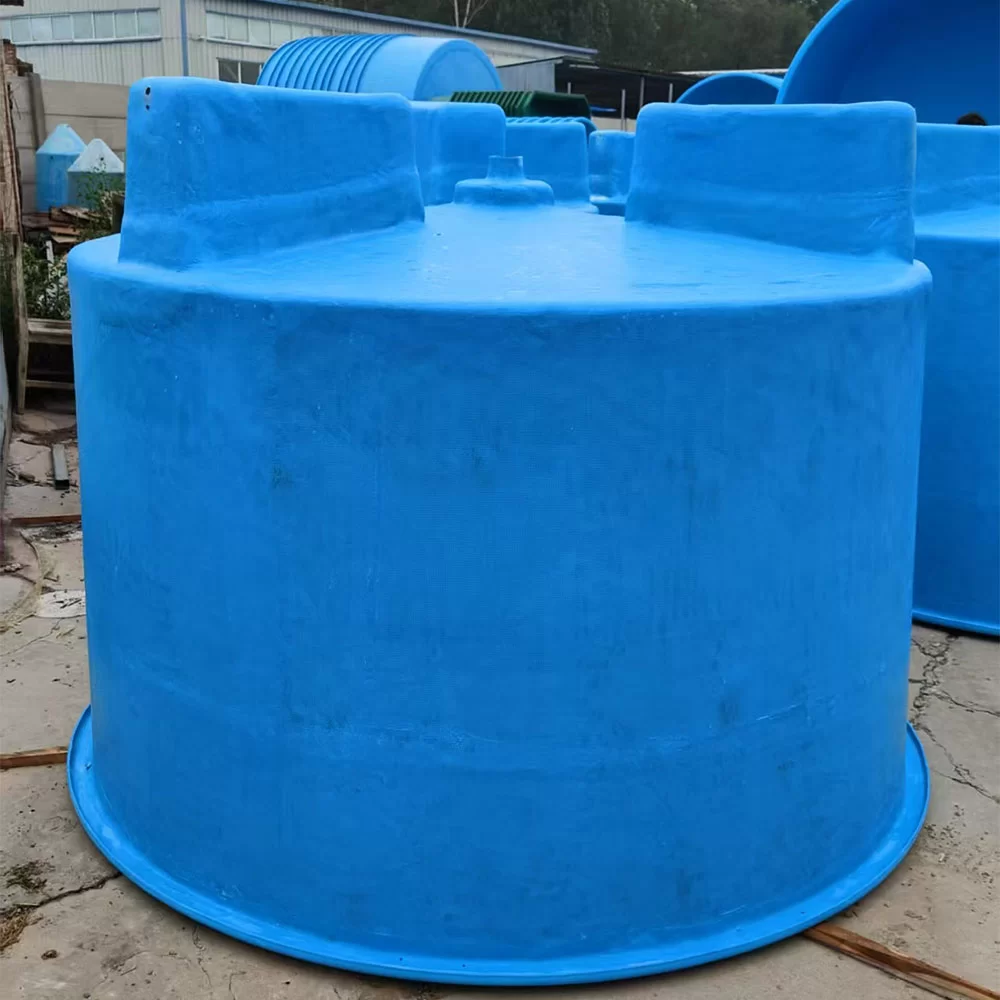
Finland’s dispersed population and challenging terrain necessitate robust and reliable wastewater treatment solutions. Fiberglass septic tank are increasingly utilized for their corrosion resistance, lightweight, and ease of installation, particularly in rural areas with limited access to conventional sewage systems.

2. Marine Applications – Boatbuilding and Dock Construction

Given Finland’s extensive coastline and strong boating culture, fiberglass composites are vital in boatbuilding for hulls, decks, and other structural components. They are also employed in the construction of durable and low-maintenance docks and piers.

3. Infrastructure – Bridge Reinforcement and Road Barriers

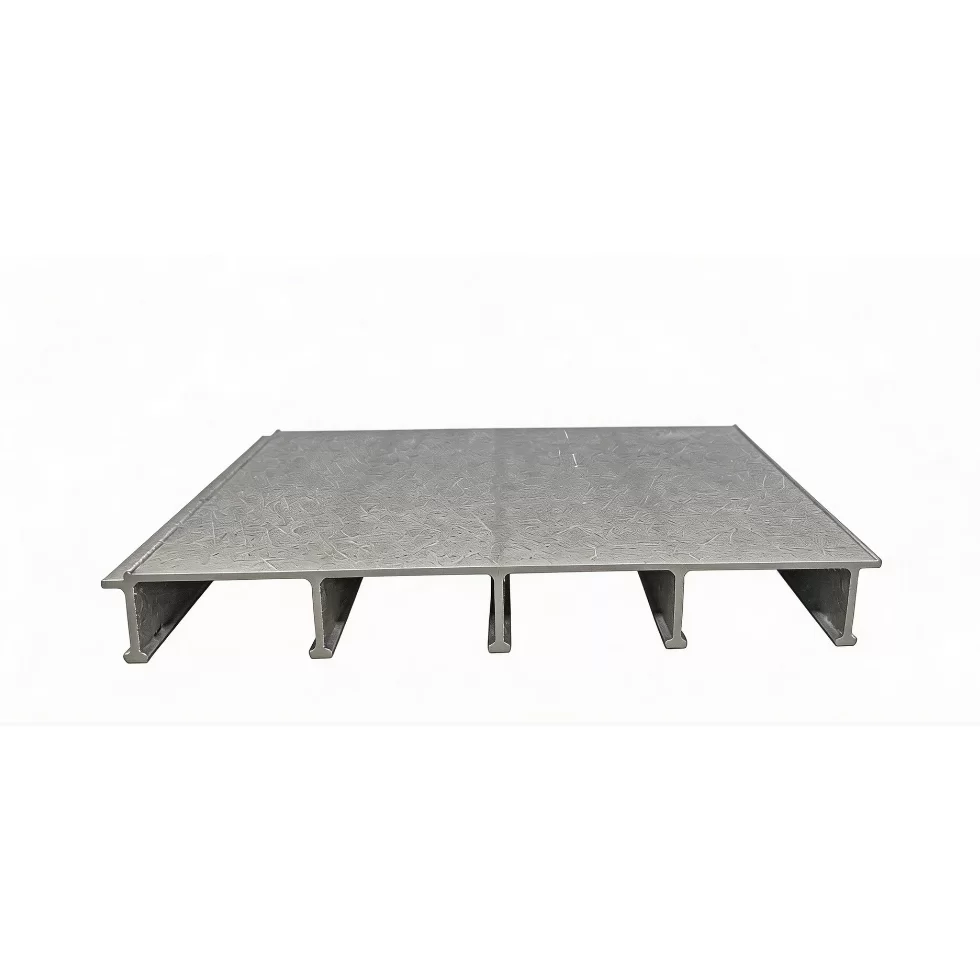
FRP composites, including fiber glass rebar and fiberglass guardrail mesh are used to reinforce concrete bridges and construct highway barriers, providing enhanced durability and corrosion protection in Finland’s harsh winter conditions.

4. Wind Energy – Wind Turbine Blades

Finland is investing in renewable energy sources, including wind power. Fiberglass composites are the primary material used in the manufacturing of wind turbine blades, leveraging their high strength-to-weight ratio and fatigue resistance.

Brand Story

Hebei Zhongtian Composite Material Group Co., Ltd.'s global development journey

Established Expertise

Founded in 2003, Hebei Zhongtian has become a leading manufacturer of fiberglass products, providing solutions for diverse industries globally.

Commitment to Quality

We adhere to strict quality control standards, ensuring that every product meets international certifications and customer specifications.

Innovation & R&D

Our dedicated research and development team consistently explores new materials and manufacturing processes to deliver cutting-edge solutions.

Global Reach

We serve customers in over 50 countries, providing reliable and cost-effective fiberglass solutions tailored to their specific needs.

Sustainable Practices

We are committed to environmentally responsible manufacturing processes and the development of sustainable fiberglass materials.

Complete Product Portfolio for the Finnish Region

Explore our extensive range of fiberglass products designed to meet the unique demands of the Finnish market.

Frequently Asked Questions - Finland

Addressing common inquiries regarding our fiberglass products and services in the Finnish market.

What are the benefits of using fiberglass septic tanks compared to concrete models in Finland's climate?

Fiberglass septic tanks are lighter, more resistant to cracking in freezing temperatures, and quicker to install than concrete tanks. This makes them ideal for Finland’s challenging climate and varying ground conditions.

How does fiberglass rebar perform in Finnish concrete structures exposed to de-icing salts?

Fiberglass rebar is highly resistant to corrosion caused by de-icing salts, offering a significant advantage over steel rebar in Finnish infrastructure projects. It eliminates the risk of rust and extends the lifespan of concrete structures.

Can fiberglass guardrail mesh withstand the heavy snow loads common in Finland?

Yes, our fiberglass guardrail mesh is engineered to withstand significant snow loads and impact forces, providing a reliable safety barrier in Finnish highway and roadside applications.

What is the lifespan of carbon fiber reinforced polymer (CFRP) components used in Finnish marine applications?

CFRP components used in marine applications typically have a lifespan of 25-30 years or more, offering exceptional durability and resistance to saltwater corrosion.

Are your fiberglass products compliant with Finnish building regulations and standards?

Yes, our fiberglass products meet or exceed relevant Finnish building regulations and industry standards. We provide documentation and certifications upon request.

Do you offer customized fiberglass solutions for specific projects in Finland?

Yes, we specialize in providing customized fiberglass solutions tailored to the unique requirements of our customers’ projects. Our engineering team can work with you to design and manufacture bespoke components.

Get in Touch with Us

We're here to help you find the perfect fiberglass solutions for your projects in Europe - Finland. Contact us today to discuss your requirements.

Contact Us Now

If you are interested in our products, you can choose to leave your information here, and we will be in touch with you shortly.