
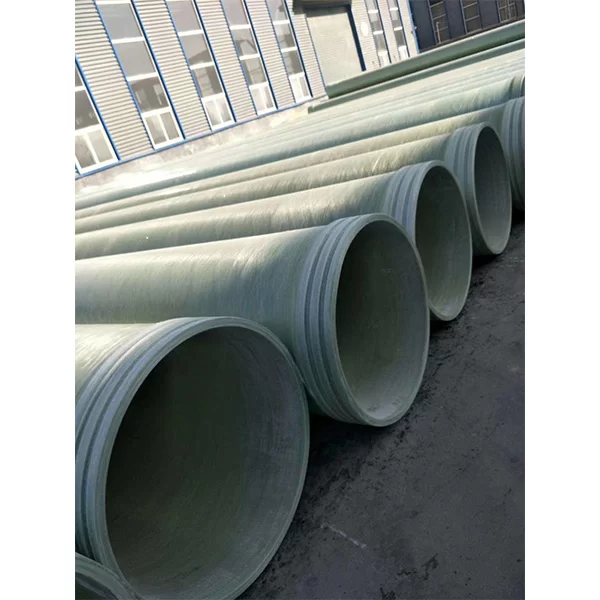
Fiberglass Septic Tank Solutions for Ireland

Fiberglass Septic Tank Solutions for Ireland

Delivering durable and cost-effective fiberglass solutions to the Irish market.

Fiberglass Septic Tank Solutions for Ireland

Providing innovative fiberglass solutions for septic systems in Ireland, ensuring longevity and environmental compliance.

Current Market Landscape in Ireland

The fiberglass products industry in Ireland: challenges and opportunities.

Ireland’s geographical location and climate—characterized by high rainfall and often acidic soil—present unique challenges for traditional septic tank materials. Concrete tanks are susceptible to cracking and corrosion, leading to environmental concerns. This drives demand for more durable and reliable alternatives like fiberglass products. The increasing emphasis on sustainable wastewater management further fuels this demand.

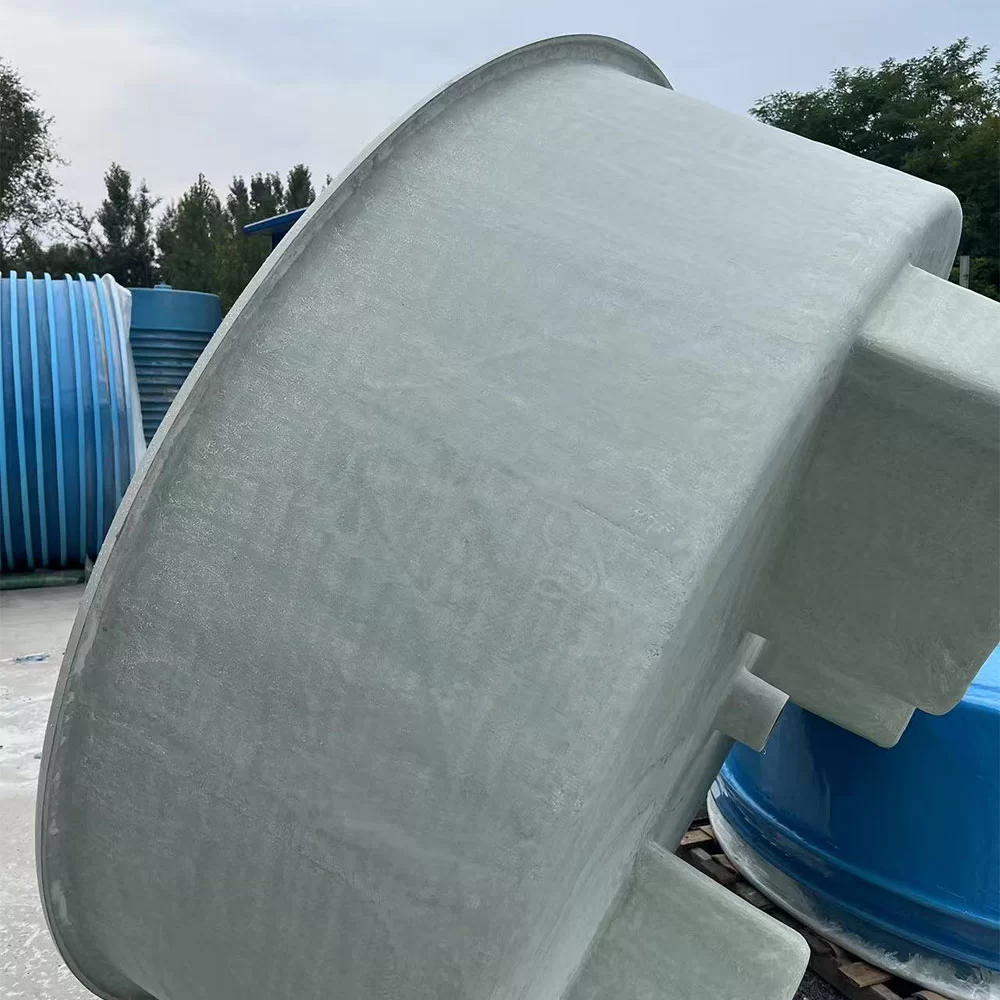
The Irish construction sector has seen growth in recent years, particularly in rural areas where on-site wastewater treatment is prevalent. This has increased the need for efficient and compliant septic tank solutions. Local regulations regarding wastewater discharge are becoming stricter, requiring systems that meet higher environmental standards. Fiberglass septic tank offer a lightweight and corrosion-resistant solution, simplifying installation and reducing long-term maintenance costs.

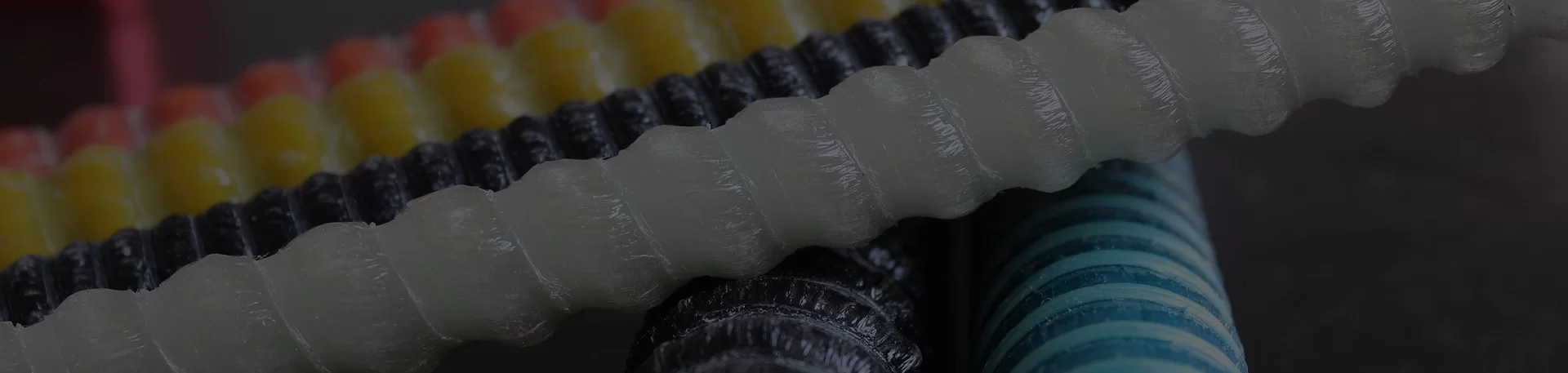
Competition exists from both domestic manufacturers and imports. However, the quality and longevity of products from reputable suppliers, like those specializing in fiber glass rebar, often outweigh lower-priced alternatives. Focus on compliance with Irish standards (e.g., EN 12566-1) is crucial for success in the Irish market.
Evolution of Fiberglass Reinforced Plastic (FRP) Technology

Tracing the development of FRP in Ireland's construction and environmental sectors.

Market Development History

The use of fiberglass in Ireland dates back to the 1960s, initially for marine applications due to its corrosion resistance. In the 1980s, early adopters began exploring FRP for infrastructure components, recognizing its potential in challenging environments. Carbon fiber reinforcement began to be introduced for specialized applications in the early 2000s.

The 2010s saw significant advancements in resin technology and manufacturing processes, leading to stronger, lighter, and more durable FRP products. The increasing awareness of lifecycle costs and environmental sustainability further drove the adoption of FRP in sectors like wastewater treatment. The development of improved molds and automated production lines lowered costs, making fiberglass products more competitive.

Recent years have focused on developing FRP composites with enhanced properties, such as increased UV resistance and improved impact strength. The integration of smart technologies, like sensors embedded within FRP structures for monitoring performance, is an emerging trend.

Future Development Trends

Enhanced Resin Systems

Ongoing research is focused on developing bio-based resins and advanced polymer matrices that offer superior performance and reduced environmental impact.

Automation and Digitalization

Increased automation in manufacturing processes, coupled with digital modeling and simulation, will enable greater precision and efficiency in FRP production.

Smart Composites

Integrating sensors and data analytics into FRP structures will allow for real-time monitoring of structural health, predictive maintenance, and optimized performance.

Industry Trends and Future Outlook

Predicting the future of FRP in Ireland.

Sustainability Focus
Growing demand for eco-friendly materials and processes will drive innovation in bio-based resins and recyclable FRP composites.
Infrastructure Investment
Government investment in infrastructure projects, including wastewater treatment facilities, will boost demand for durable and reliable FRP solutions.
Regulatory Compliance
Increasingly stringent regulations regarding wastewater management and environmental protection will favor FRP solutions that meet the highest standards.
Cost Optimization
Long-term cost savings associated with FRP’s durability, reduced maintenance, and extended service life will become increasingly important in project decision-making.

Industry Outlook

The Irish FRP market is poised for continued growth, driven by the factors outlined above. Manufacturers who can offer innovative, sustainable, and cost-effective solutions will be best positioned to succeed.

Expect to see increased adoption of FRP in a wider range of applications, including coastal protection, bridge construction, and renewable energy infrastructure.

Local Application Scenarios

Real-world applications of FRP in Ireland.

1. Coastal Defence Structures

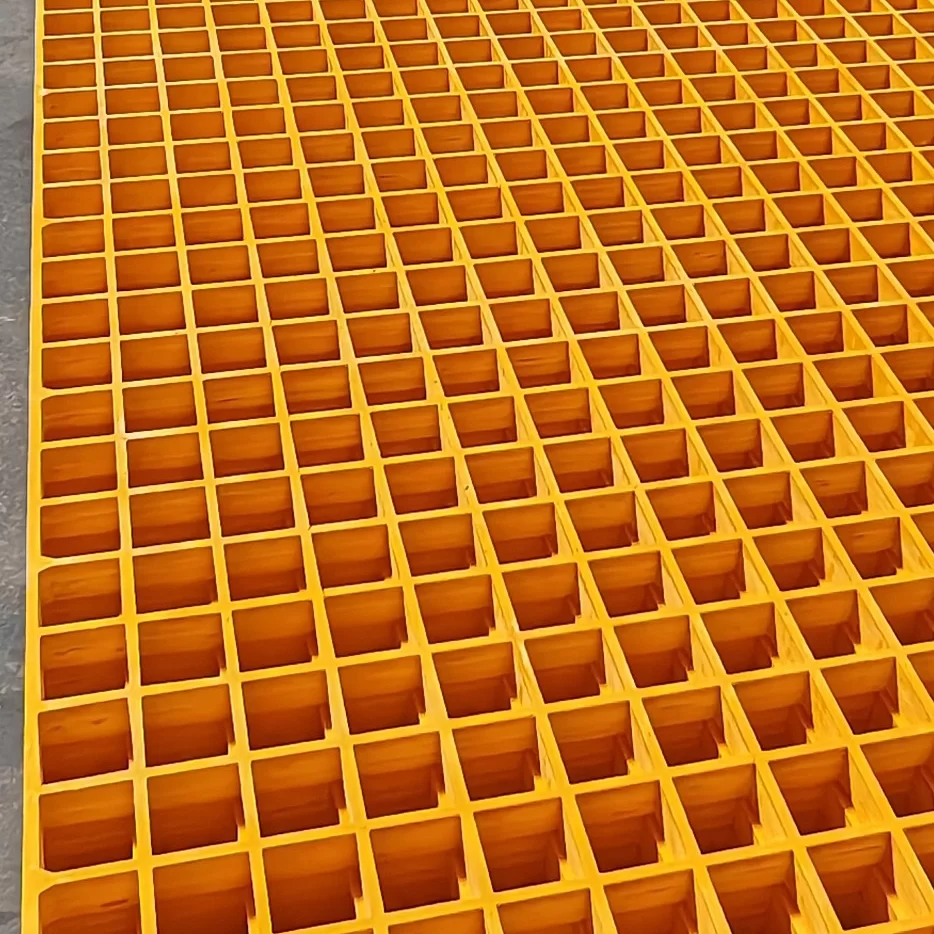
Ireland's extensive coastline is vulnerable to erosion and storm damage. Fiberglass guardrail mesh and FRP composites are increasingly used in the construction of seawalls and breakwaters, offering superior corrosion resistance and durability compared to traditional materials.

2. Rural Wastewater Treatment

Many rural Irish homes rely on on-site septic tank systems. Fiberglass septic tank are becoming the preferred choice for new installations and replacements, providing a reliable and environmentally friendly solution.

3. Bridge Rehabilitation

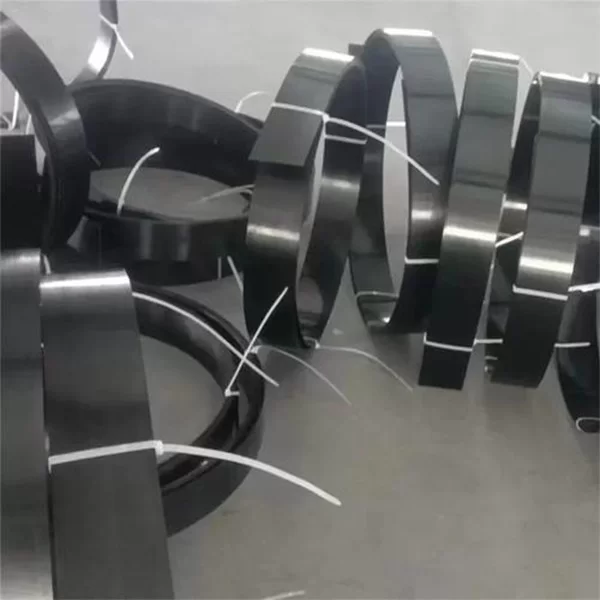
Older bridges across Ireland require regular maintenance and repair. Carbon fiber reinforcement is used to strengthen concrete bridge decks and piers, extending their service life and reducing the need for costly replacements.

4. Agricultural Structures

FRP composites are utilized in the construction of agricultural structures such as livestock shelters and silage clamps, providing corrosion resistance and durability in harsh environments.

5. Water Storage Tanks

FRP is used for constructing water storage tanks offering corrosion resistance for agricultural and industrial uses

Brand Story

Hebei Zhongtian Composite Material Group Co., Ltd. global development process

Pioneering Composite Innovation

Established in 2008, Hebei Zhongtian Composite Material Group Co., Ltd. emerged as a dedicated provider of fiberglass solutions.

Expanding Production Capabilities

We strategically expanded our manufacturing facilities to meet growing demand, investing in state-of-the-art equipment and skilled personnel.

Global Market Penetration

Successfully entered international markets, forging partnerships and establishing a reputation for quality and reliability.

Focus on Sustainability

Committed to environmentally responsible manufacturing practices, including waste reduction and the development of eco-friendly materials.

Customer-Centric Approach

Dedicated to providing exceptional customer service and tailored solutions to meet the unique needs of our clients.

Complete Product Range for the Irish Market

Our comprehensive selection of FRP products.

Frequently Asked Questions – Ireland

Addressing common queries about FRP in the Irish market.

What are the key benefits of using fiberglass septic tanks compared to concrete tanks in Ireland’s climate?

Fiberglass septic tanks offer superior resistance to corrosion from acidic soils and groundwater, are lighter for easier installation, and have a longer lifespan than traditional concrete tanks. They also require less maintenance.

Are fiberglass products compliant with Irish environmental regulations for wastewater treatment?

Yes, our fiberglass septic tanks and related products are designed and manufactured to meet or exceed all relevant Irish environmental standards, including EN 12566-1.

What is the typical lifespan of a fiberglass septic tank installed in Ireland?

A properly installed and maintained fiberglass septic tank can have a lifespan of 50 years or more, significantly longer than a concrete tank.

Can carbon fiber reinforcement be used to repair existing concrete structures in Ireland?

Yes, carbon fiber reinforcement is an effective solution for strengthening and repairing concrete structures, extending their service life and improving their load-carrying capacity.

What are the advantages of using fiberglass guardrail mesh compared to traditional steel mesh?

Fiberglass guardrail mesh is lighter, corrosion-resistant, and non-conductive, making it safer and more durable than steel mesh, particularly in coastal or harsh environments.

How does the cost of fiberglass products compare to traditional materials over the long term in Ireland?

While the initial cost may be slightly higher, fiberglass products offer significant long-term cost savings due to their durability, reduced maintenance requirements, and extended service life.

Get in Touch with Us

We are your trusted partner for high-quality fiberglass solutions in Europe - Ireland.

Contact Us Now

If you are interested in our products, you can choose to leave your information here, and we will be in touch with you shortly.