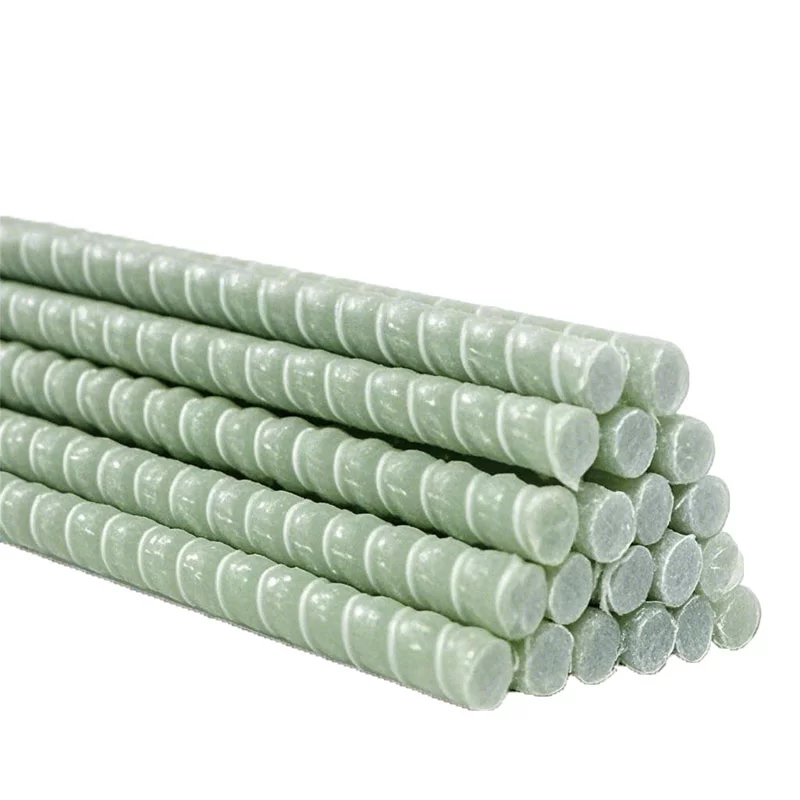


In Canada, the intersection of extreme temperature fluctuations and high salinity in coastal or winter-salted regions creates an aggressive environment for traditional building materials. The demand for fiber glass rebar has surged as engineers seek alternatives to steel that eliminate the risk of oxidation and spalling. By integrating non-metallic mineral products into civil engineering, projects in provinces like Ontario and Quebec are achieving significantly lower lifecycle maintenance costs.
Beyond structural reinforcement, the regional focus on environmental protection and wastewater management has led to a preference for a fiberglass septic tank. Unlike concrete alternatives, these composite tanks offer superior leak prevention and chemical resistance, which are critical for protecting Canada's pristine groundwater and soil ecosystems. This shift reflects a broader move toward sustainable, lightweight, and durable materials in rural and municipal infrastructure.
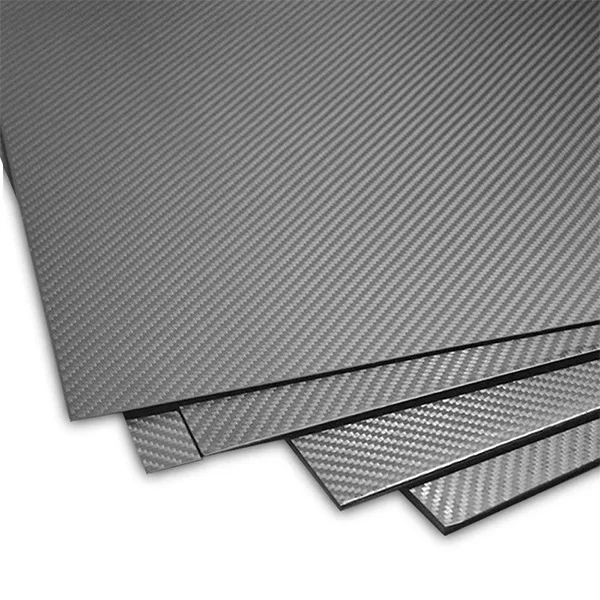
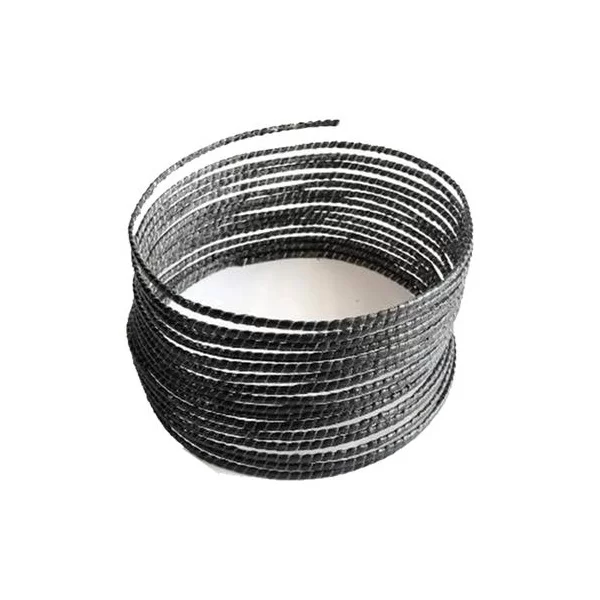
From an industrial perspective, the adoption of carbon fiber reinforcement is becoming standard for high-load specialized applications where weight reduction cannot be compromised. As Canadian manufacturing evolves toward smarter, more efficient production, the integration of high-strength FRP sleeves and pultruded profiles allows for faster installation and increased safety, reducing the dependence on heavy machinery in remote site developments.