Fiberglass Septic Tank Solutions for Cuba

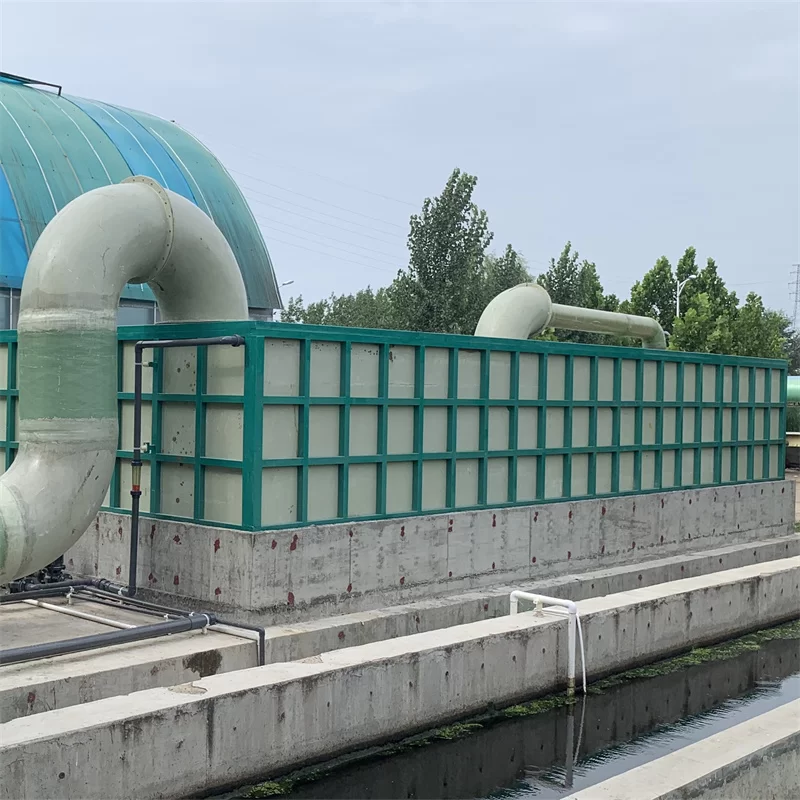
Fiberglass Septic Tank Solutions for Cuba

Delivering durable and reliable fiberglass septic tanks and composite solutions to North America - Cuba.

Fiberglass Septic Tank Solutions for Cuba

Providing high-quality fiberglass septic tanks and composite materials tailored for the Cuban market.

Current State of Fiberglass Products in Cuba

Analyzing the market conditions and demands for fiberglass materials in Cuba.

Cuba’s infrastructure is undergoing modernization, creating a demand for durable and cost-effective materials like fiberglass products. The island's unique climate, with high humidity and salt air, requires materials resistant to corrosion and degradation. Traditional construction materials often fall short in these areas.

Economic reforms in Cuba have opened up opportunities for private construction and development, further driving the need for reliable building materials. Fiberglass septic tank systems, in particular, are gaining traction as a sustainable and efficient wastewater management solution. Limited access to conventional plumbing and sewage infrastructure makes on-site wastewater treatment vital.

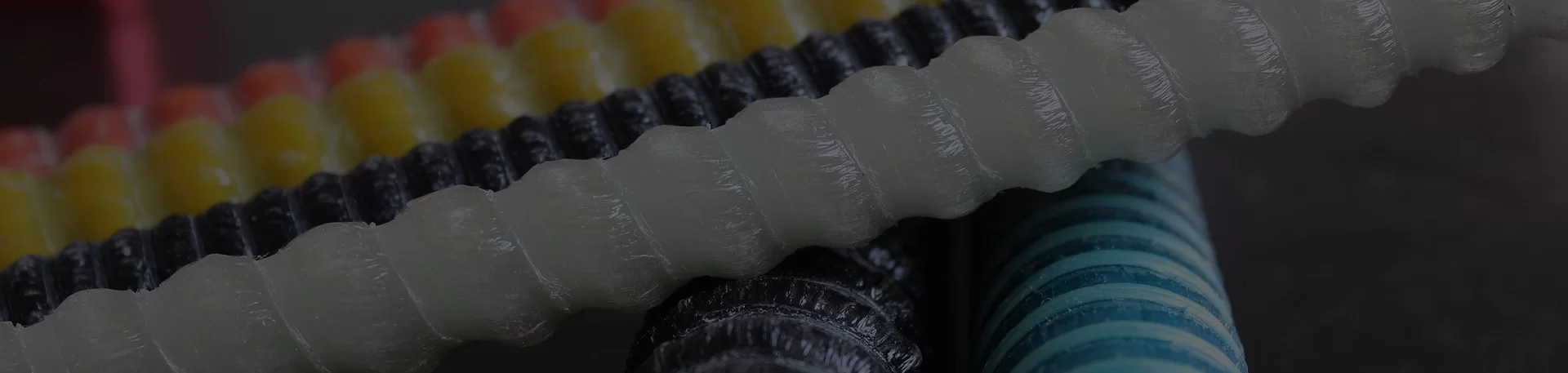
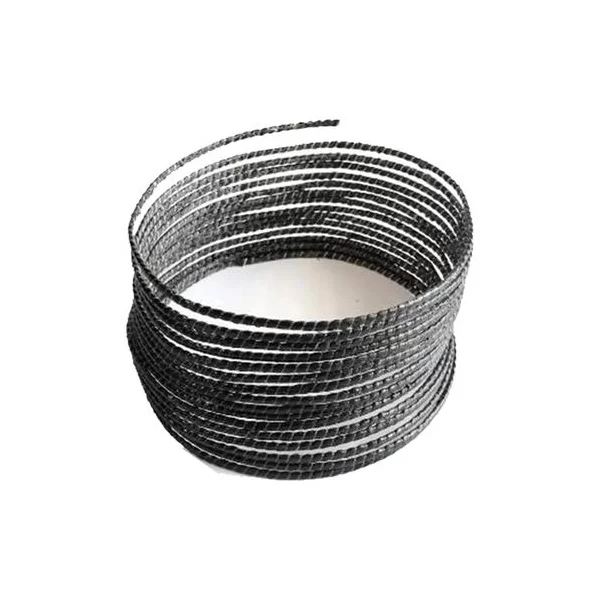
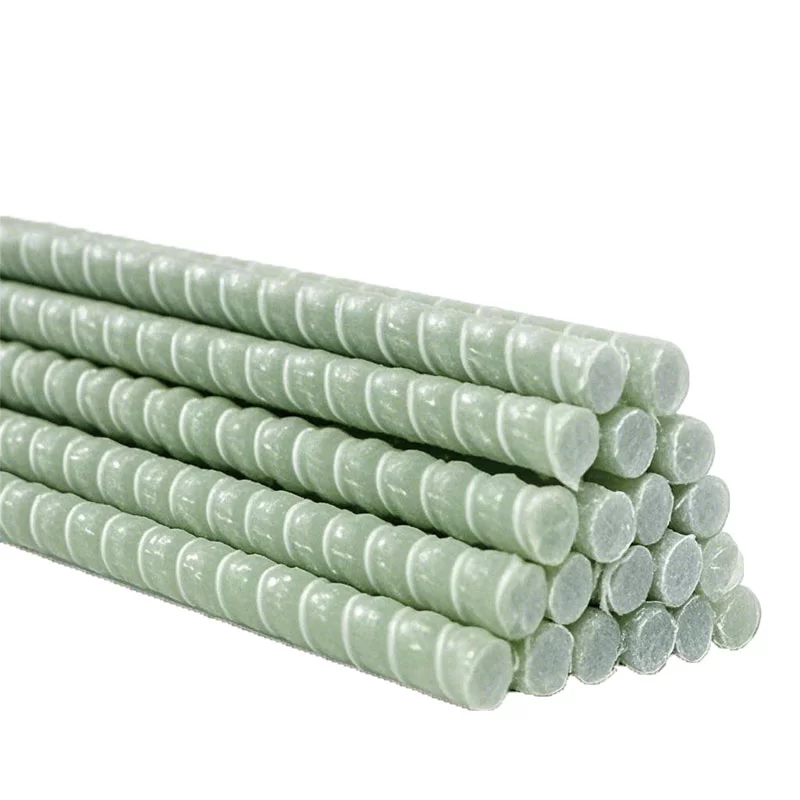
However, sourcing materials remains a challenge due to import restrictions and logistical complexities. This creates a demand for local suppliers and manufacturers who can provide consistent quality and timely delivery. The cost of imported fiber glass rebar and other composite materials can also be a barrier to wider adoption.
Historical Development and Trends in Composite Materials

Tracing the evolution of fiberglass technology and its application in Cuba.

Market Development History

The use of fiberglass in Cuba dates back to the 1980s, initially focused on small-scale applications like boat building and automotive repairs. Early materials were often imported from Europe and North America. The limited availability and high cost restricted widespread adoption.

In the 2000s, advancements in fiberglass manufacturing technology led to improved quality and reduced costs. This spurred interest in using fiberglass products for infrastructure projects, such as water tanks and pipelines. However, the lack of local manufacturing capacity remained a significant obstacle.

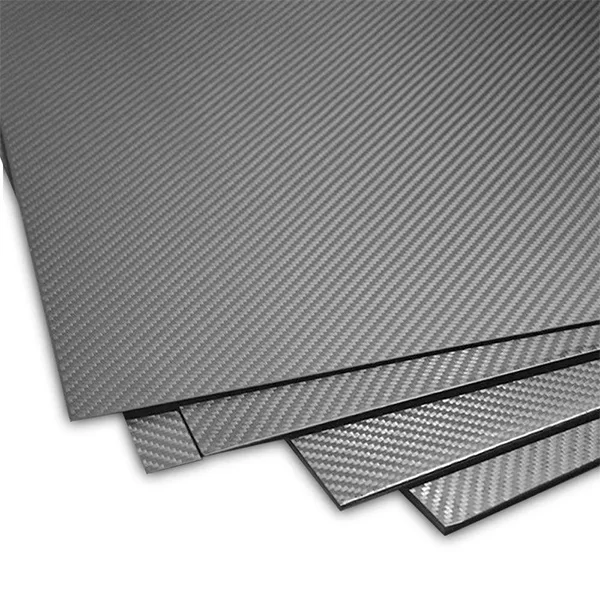
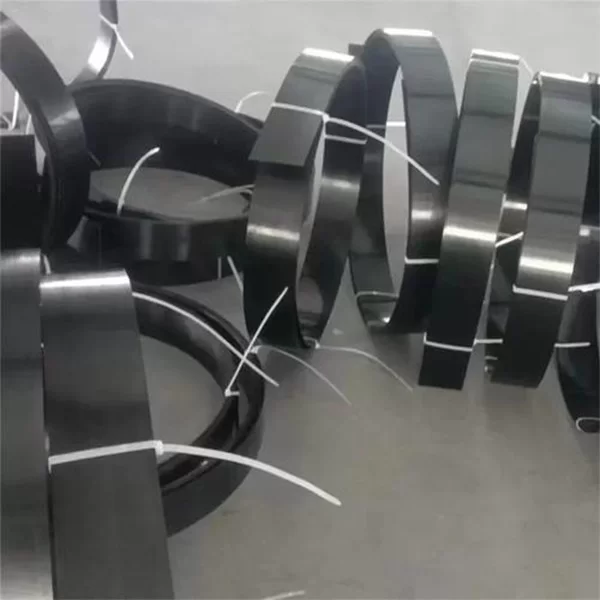
More recently, the establishment of small-scale composite manufacturing facilities in Cuba has begun to address the supply gap. These facilities primarily focus on producing basic fiberglass products for the construction and agricultural sectors. The implementation of newer technologies like carbon fiber reinforcement is in its infancy but gaining attention.

Future Development Trends

Increased Demand for Sustainable Solutions

Growing environmental awareness and stricter regulations will drive demand for sustainable materials like fiberglass. Fiberglass septic tanks offer a more environmentally friendly alternative to traditional concrete systems.

Expansion of Local Manufacturing Capacity

Investment in local manufacturing facilities will be crucial to reducing reliance on imports and lowering costs. This will require technology transfer and training programs.

Adoption of Advanced Composite Technologies

The integration of carbon fiber reinforcement and other advanced composite materials will enhance the performance and durability of fiberglass products.

Industry Trends and Future Outlook

Exploring the emerging trends and potential growth areas for fiberglass products in Cuba.

Growing Demand for Wastewater Solutions
Increasing urbanization and limited access to centralized sewage systems will drive demand for decentralized wastewater treatment solutions like fiberglass septic tanks.
Infrastructure Development Projects
Government investments in infrastructure projects, such as road construction and building renovation, will create opportunities for fiberglass reinforcement products.
Agricultural Applications
Fiberglass materials are well-suited for agricultural applications, such as irrigation systems, greenhouses, and livestock shelters.
Coastal Protection Structures
Fiberglass reinforced polymers (FRP) are increasingly used for constructing durable and corrosion-resistant coastal protection structures.

Industry Outlook

The Cuban fiberglass market is expected to grow at a steady pace over the next 5-10 years, driven by increasing infrastructure investment and a growing demand for sustainable materials. The key to success will be establishing local manufacturing capacity and building strong relationships with key stakeholders.

Government policies that encourage foreign investment and technology transfer will play a crucial role in accelerating the growth of the fiberglass industry in Cuba. The focus will likely shift towards higher-value applications and advanced composite materials. Fiberglass guardrail mesh will be in demand to build modern roads.

Local Application Scenarios

Exploring real-world applications of fiberglass products in Cuba.

1. Rural Septic Wastewater Treatment Systems

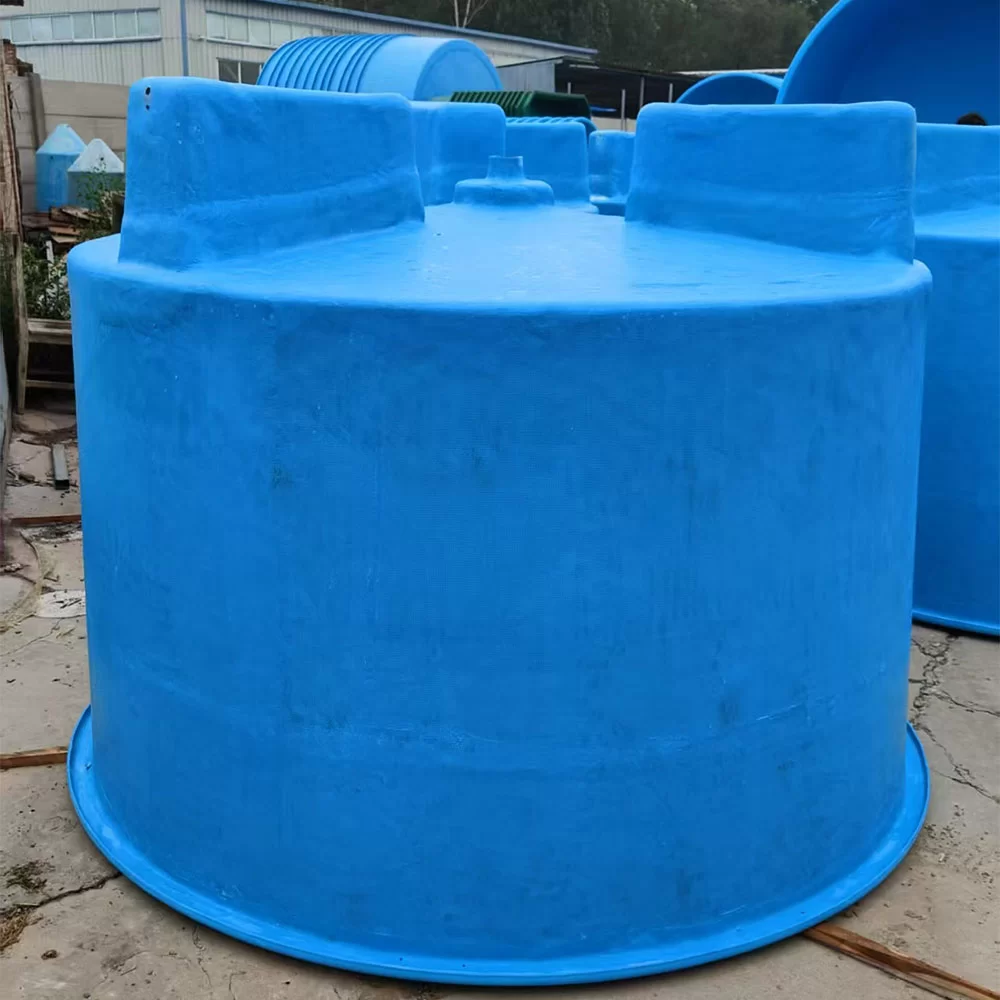
In rural areas of Cuba with limited access to centralized sewage systems, fiberglass septic tanks provide a reliable and cost-effective solution for on-site wastewater treatment, improving public health and environmental sanitation.

2. Agricultural Water Reservoirs

Fiberglass tanks are increasingly used to store irrigation water for agricultural purposes, offering a durable and corrosion-resistant alternative to traditional concrete or metal tanks.

3. Coastal Erosion Control

Fiberglass reinforced polymers (FRP) are being employed in coastal erosion control projects, such as seawalls and breakwaters, to protect vulnerable shorelines from the damaging effects of storm surges and rising sea levels.

4. Renovation of Historical Buildings

Fiberglass materials are utilized in the restoration of historical buildings, providing structural reinforcement and corrosion protection without compromising the aesthetic integrity of the original architecture.

5. Lightweight Roofing Solutions

Fiberglass roofing sheets offer a lightweight, durable, and cost-effective roofing solution for residential and commercial buildings in Cuba, particularly in areas prone to hurricanes.

Brand Story

Hebei Zhongtian Composite Material Group Co., Ltd.’s Global Development Journey

Mission Statement

At Hebei Zhongtian Composite, our mission is to provide durable, sustainable, and cost-effective fiberglass composite solutions to address the unique challenges faced by infrastructure development in Cuba.

Commitment to Quality

We are dedicated to maintaining the highest standards of quality and reliability in all our products, ensuring customer satisfaction and long-term performance.

Focus on Innovation

We continuously invest in research and development to develop innovative fiberglass composite solutions that meet the evolving needs of the Cuban market.

Partnership for Success

We strive to build strong and collaborative partnerships with our customers, suppliers, and stakeholders to achieve mutual success.

Sustainable Practices

We are committed to environmentally responsible manufacturing practices and the development of sustainable fiberglass composite solutions.

Comprehensive Product Portfolio for the Local Market

Explore our extensive range of fiberglass composite products tailored for Cuban needs.

Frequently Asked Questions - Local Market

Addressing common inquiries about fiberglass products in Cuba.

What are the advantages of using fiberglass septic tanks compared to traditional concrete tanks in Cuba?

Fiberglass septic tanks are lighter, more durable, corrosion-resistant, and easier to install than concrete tanks, making them ideal for Cuban conditions and limited infrastructure.

How does the salt air environment affect the lifespan of fiberglass products in coastal areas of Cuba?

Our fiberglass products are manufactured with specialized resins that provide excellent resistance to salt corrosion, ensuring a long lifespan even in harsh coastal environments.

What is the typical lifespan of a fiberglass rebar used in construction projects in Cuba?

Fiberglass rebar typically has a lifespan of 75-100 years, significantly longer than steel rebar, making it a cost-effective and sustainable reinforcement solution.

Are fiberglass guardrail mesh systems approved for use on Cuban highways?

We work closely with Cuban regulatory authorities to ensure that our fiberglass guardrail mesh systems meet all necessary safety standards and are approved for use on highways.

What are the import regulations for fiberglass products entering Cuba?

We have a dedicated logistics team that handles all import regulations and documentation to ensure a smooth and efficient delivery process.

How does carbon fiber reinforcement enhance the performance of fiberglass composites for Cuban infrastructure?

Carbon fiber reinforcement significantly increases the strength, stiffness, and durability of fiberglass composites, making them ideal for demanding infrastructure applications requiring high performance.

Get in Touch with Us

Contact us today to learn more about our fiberglass composite solutions for North America - Cuba.

Contact Us Now

If you are interested in our products, you can choose to leave your information here, and we will be in touch with you shortly.