Fiberglass Septic Tank Solutions for Ecuador

Fiberglass Septic Tank Solutions for Ecuador

Delivering durable and reliable fiberglass products to the Ecuadorian market.

Fiberglass Septic Tank Solutions for Ecuador

Providing innovative fiberglass solutions for wastewater management in Ecuador.

Current State of Fiberglass Products in Ecuador

An overview of the fiberglass industry landscape in Ecuador.

Ecuador's infrastructure development, particularly in rural areas, is driving demand for robust and cost-effective solutions. Fiberglass products are gaining traction as a lightweight, corrosion-resistant alternative to traditional materials like concrete and steel. The country's diverse geography, including coastal regions prone to salinity and mountainous terrain requiring durable construction, necessitates materials that can withstand harsh conditions.

The Ecuadorian construction sector is experiencing steady growth, fueled by both public and private investment. Increasing awareness regarding sustainable building practices also favors the adoption of fiberglass septic tank systems due to their environmentally friendly nature and reduced installation costs. Challenges include reliance on imports and limited local manufacturing capacity.

Government initiatives focusing on sanitation and wastewater management are creating opportunities for manufacturers of fiber glass rebar and other fiberglass-reinforced materials. The need for reliable and long-lasting infrastructure solutions is a key driver of market growth in Ecuador.
Evolution of Fiberglass Technology and its Adoption in Ecuador

Tracing the development of fiberglass applications in the Ecuadorian market.

Market Development History

The introduction of fiberglass to Ecuador began in the late 1980s with limited applications primarily in boat building and automotive parts. Initial materials were largely imported. The early 2000s saw a gradual expansion into construction, with fiberglass-reinforced plastics (FRP) used for roofing and cladding.

Around 2010, significant advancements in fiberglass resin technology and manufacturing processes led to increased durability and cost-effectiveness. This period witnessed a surge in the use of carbon fiber reinforcement in specialized applications like wind turbine blades and high-performance sports equipment.

In recent years (2015-present), the Ecuadorian market has seen growing demand for fiberglass in infrastructure projects, especially for fiberglass guardrail mesh and wastewater treatment systems. Increased environmental regulations and a focus on sustainability have further propelled adoption.

Future Development Trends

Enhanced Resin Systems

Expect to see more sophisticated resin systems offering improved strength, chemical resistance, and UV protection. Bio-based resins will also gain prominence, aligning with sustainability trends.

Automation in Manufacturing

Automated fiber placement (AFP) and robotic winding technologies will become more prevalent, enabling higher production efficiency and improved product consistency.

Smart Fiberglass Composites

Integration of sensors and monitoring systems into fiberglass structures will allow for real-time performance assessment and predictive maintenance, enhancing infrastructure lifespan and safety.

Industry Trends and Future Outlook for Fiberglass in Ecuador

A forecast of the evolving fiberglass landscape in the Ecuadorian market.

Growing Demand in Infrastructure
Increased investment in Ecuador’s infrastructure, particularly sanitation and water management, will drive demand for durable fiberglass products.
Sustainable Solutions Adoption
Growing environmental awareness and stricter regulations will promote the use of eco-friendly fiberglass materials in various applications.
Localized Manufacturing Growth
The emergence of local fiberglass manufacturing facilities will reduce import dependence and create job opportunities in Ecuador.
Technological Advancements
The integration of smart technologies and advanced materials will further enhance the performance and lifespan of fiberglass products in Ecuador.

Industry Outlook

The Ecuadorian fiberglass market is projected to experience a compound annual growth rate (CAGR) of 6-8% over the next five years, driven by infrastructure development and increasing demand for sustainable materials.

Key opportunities lie in the provision of customized fiberglass solutions tailored to the specific needs of the Ecuadorian market, focusing on corrosion resistance, durability, and cost-effectiveness.

Localized Applications of Fiberglass Products in Ecuador

Real-world use cases demonstrating the benefits of fiberglass in the Ecuadorian context.

1. Coastal Wastewater Treatment Plants

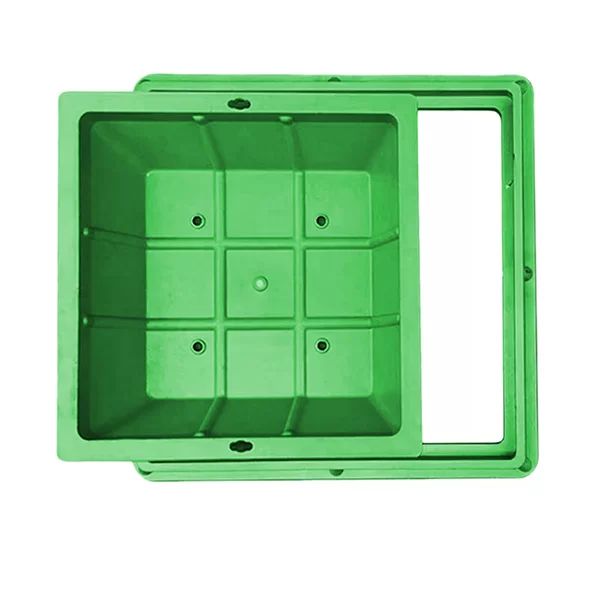
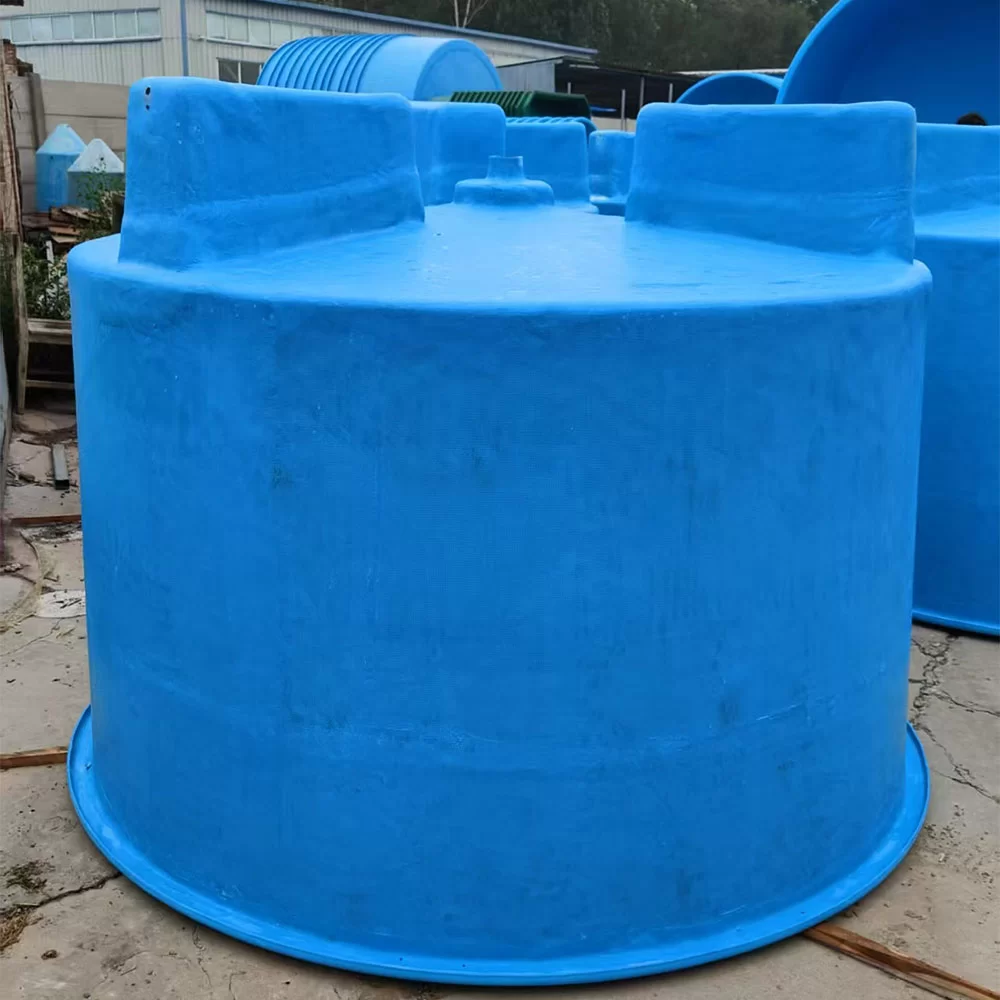
Fiberglass septic tanks and treatment systems are ideal for coastal communities in Ecuador due to their resistance to saltwater corrosion. These systems provide a reliable and environmentally friendly solution for managing wastewater in areas with limited access to centralized infrastructure.

2. Rural Road Infrastructure

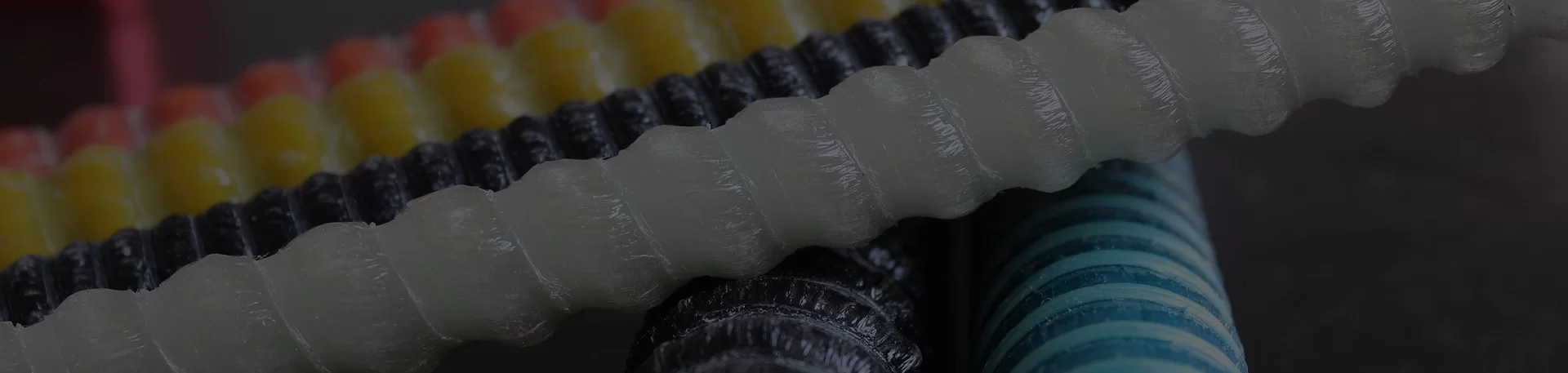
Fiberglass rebar is used to reinforce concrete structures in rural roads, offering superior corrosion resistance compared to steel, especially in areas with high humidity and rainfall. This leads to longer-lasting infrastructure with reduced maintenance costs.

3. Agricultural Irrigation Systems

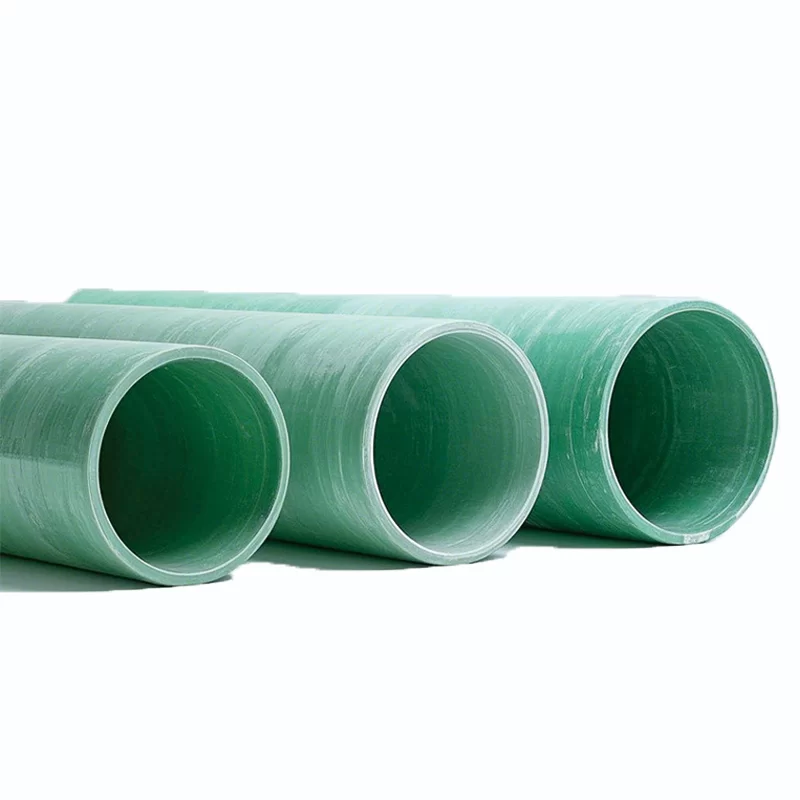
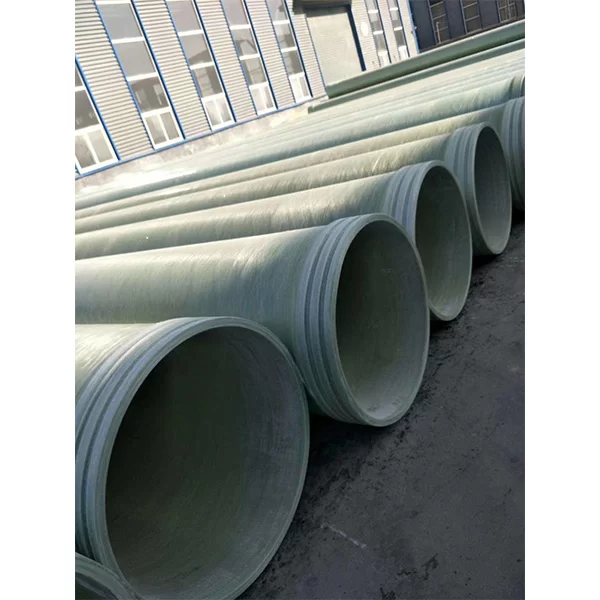
Fiberglass pipes are increasingly employed in agricultural irrigation systems, providing a lightweight and durable alternative to traditional materials. Their resistance to chemicals and UV radiation ensures long-term performance in harsh agricultural environments.

4. Roof Structures in Earthquake-Prone Areas

Lightweight fiberglass roofing panels are gaining popularity in earthquake-prone regions of Ecuador. Their flexibility and impact resistance make them a safer and more resilient option than conventional roofing materials.

5. Guardrails and Safety Barriers along Highways

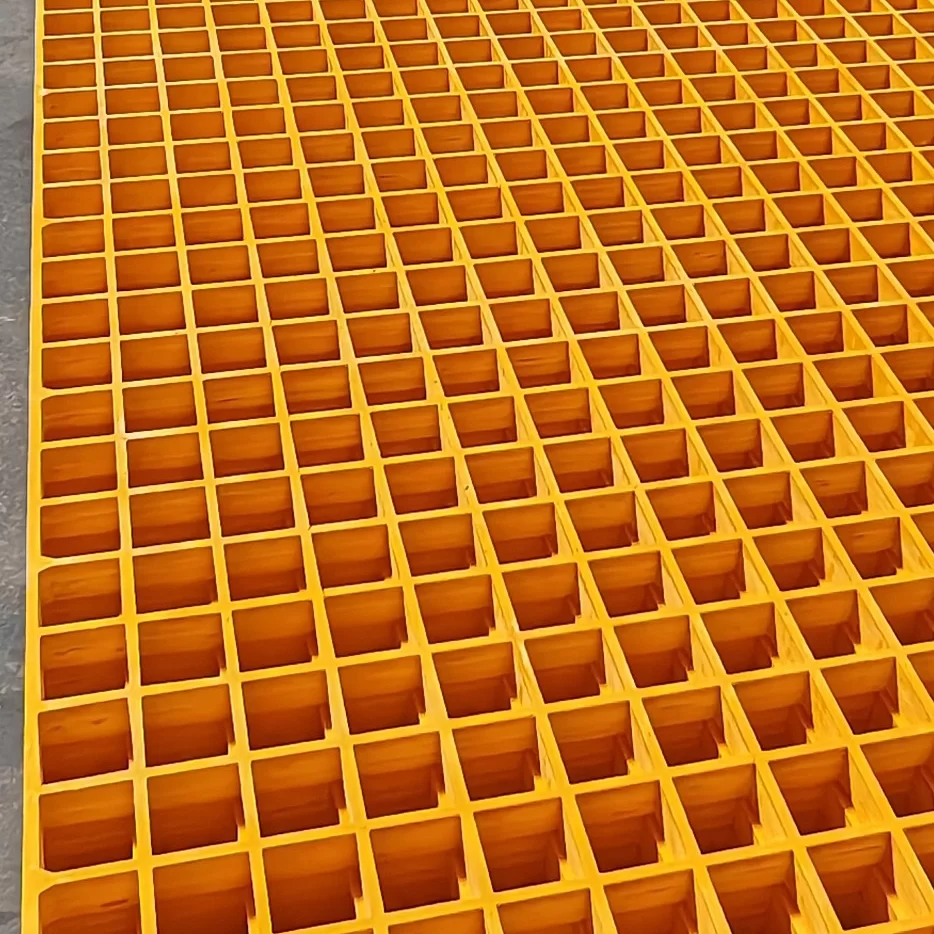
Fiberglass guardrail mesh provides enhanced safety along Ecuadorian highways, offering superior impact absorption and corrosion resistance compared to traditional metal barriers. This improves road safety and reduces maintenance requirements.

Brand Story

Hebei Zhongtian Composite Material Group Co., Ltd.'s Global Development Journey

Commitment to Quality

Founded on a foundation of rigorous quality control, we deliver fiberglass products that exceed industry standards.

Innovation and Research

We invest heavily in research and development to pioneer advanced fiberglass solutions.

Customer-Centric Approach

We prioritize understanding and meeting the unique needs of our clients with personalized service.

Sustainability Focus

We are committed to environmentally responsible manufacturing practices and sustainable material sourcing.

Global Reach, Local Expertise

We combine global manufacturing capabilities with local market knowledge to provide effective solutions.

Complete Product Portfolio for the Ecuadorian Market

A wide range of fiberglass solutions for diverse applications.

Frequently Asked Questions about Fiberglass in Ecuador

Addressing common concerns and inquiries regarding fiberglass products in the Ecuadorian market.

What are the advantages of using fiberglass septic tanks over concrete tanks in Ecuador?

Fiberglass septic tanks are lighter, easier to install, and more resistant to corrosion, particularly in coastal areas with high salinity. They also have a smoother interior surface, reducing buildup and improving efficiency.

How does fiberglass rebar perform compared to steel rebar in the humid Ecuadorian climate?

Fiberglass rebar is non-corrosive, making it ideal for humid environments. Unlike steel, it doesn't rust, ensuring long-term structural integrity and reduced maintenance costs.

What is the lifespan of a properly installed fiberglass guardrail mesh system in Ecuador?

A properly installed fiberglass guardrail mesh system can last for 20-30 years with minimal maintenance, significantly longer than traditional steel guardrails.

Is carbon fiber reinforcement more expensive than fiberglass reinforcement, and when is it justified?

Yes, carbon fiber is more expensive, but it offers superior strength-to-weight ratio. It’s justified in applications where weight reduction and extreme strength are critical, such as high-performance structures or aerospace components.

What are the environmental benefits of using fiberglass products compared to traditional materials?

Fiberglass is lightweight, reducing transportation costs and emissions. It’s also durable, minimizing the need for replacements and reducing waste. Some fiberglass resins are now bio-based, further reducing their environmental impact.

How can I determine the appropriate type of fiberglass product for a specific construction project in Ecuador?

Consult with a qualified fiberglass specialist or engineer to assess the specific requirements of your project, including load-bearing capacity, environmental conditions, and budget constraints.

Get in Touch with Us

We are your trusted partner for fiberglass solutions in Ecuador. Contact us today to discuss your project requirements.

Contact Us Now

If you are interested in our products, you can choose to leave your information here, and we will be in touch with you shortly.