Bolivia’s Premier Fiberglass Solutions fiberglass septic tank

Bolivia's Premier Fiberglass Solutions: fiberglass septic tank

Providing durable and cost-effective fiberglass products for infrastructure and industrial applications throughout Bolivia.

Bolivia's Premier Fiberglass Solutions: fiberglass septic tank

Offering a comprehensive range of fiberglass products engineered for superior performance and longevity in the Bolivian market.

Current State of Fiberglass Manufacturing in Bolivia

An analysis of the challenges and opportunities within Bolivia's fiberglass products sector.

Bolivia's demand for fiberglass products is steadily increasing, driven by growth in infrastructure projects, sanitation improvements, and industrial expansion. The nation’s diverse climate, ranging from the Andes mountains to the Amazon rainforest, presents unique challenges for material durability. Fiberglass, with its corrosion resistance and lightweight properties, is becoming increasingly favored over traditional materials like concrete and steel.

However, the Bolivian fiberglass industry faces limitations. Local production capacity is relatively small, with a reliance on imports for specialized resins and raw materials. Access to advanced manufacturing technologies and skilled labor remains a hurdle. Competition from cheaper, lower-quality imports also poses a significant threat to domestic manufacturers.

The cost of importing materials and the logistical challenges of transporting goods across Bolivia’s varied terrain contribute to higher product prices. This, combined with limited public awareness about the long-term benefits of fiberglass, impacts adoption rates. However, governmental initiatives focused on improving sanitation and infrastructure are creating new opportunities.
Evolution of Fiberglass Technology in Bolivia

Tracing the development of fiberglass applications from early adoption to modern innovations.

Market Development History

In the 1980s, initial adoption of fiberglass products in Bolivia was primarily limited to basic applications such as boat hulls and simple water tanks. These early products were often handmade, lacking the consistency and quality of modern manufacturing processes. Importation was the dominant supply method.

The 1990s witnessed a gradual shift toward industrial applications. Increased infrastructure projects, particularly in the mining sector, drove demand for fiberglass piping and corrosion-resistant components. The introduction of basic pultrusion and hand-layup techniques marked the beginning of local manufacturing.

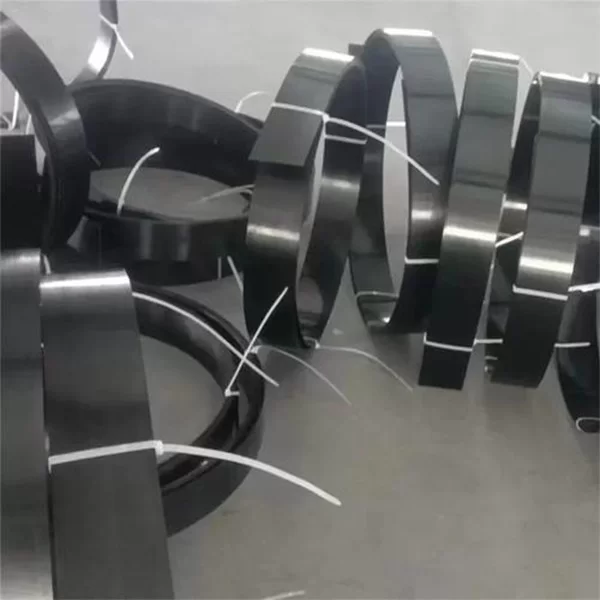
From the 2000s onwards, technological advancements have accelerated. The adoption of more sophisticated resin systems, improved molding techniques, and the introduction of carbon fiber reinforcement have led to higher-performance products. Demand for fiberglass septic tank solutions grew as sanitation improvements gained importance.

Future Development Trends

Advanced Resin Systems

Research and development into bio-based and high-performance resins will gain prominence, reducing environmental impact and enhancing product durability.

Automation and Robotics

Increased adoption of automated manufacturing processes, including robotic filament winding and pultrusion, will improve production efficiency and reduce labor costs.

Smart Fiberglass Composites

Integration of sensors and data analytics into fiberglass structures will enable real-time monitoring of performance and structural integrity, leading to predictive maintenance and improved safety.

Industry Trends and Future Outlook for Fiberglass in Bolivia

Exploring emerging trends and predicting the future of the fiberglass industry in the Bolivian market.

Growing Infrastructure Demand
Bolivia's ongoing infrastructure development will fuel demand for durable, corrosion-resistant materials like fiberglass.
Sanitation & Water Management
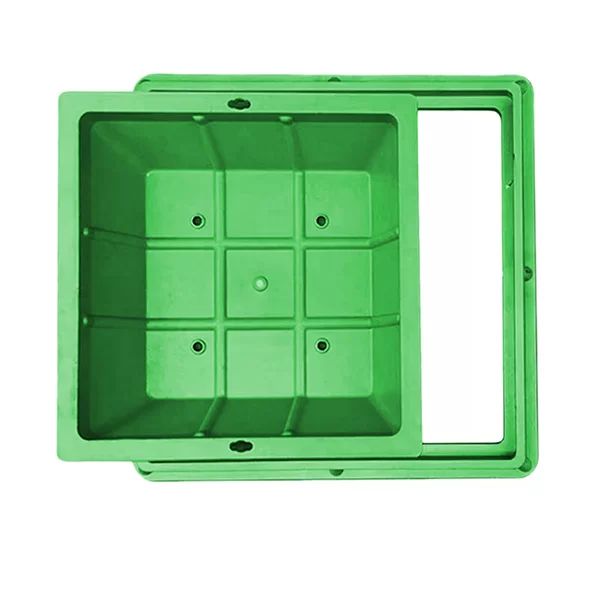
Increasing focus on improved sanitation systems will drive demand for fiberglass septic tank and water storage solutions.
Mining Sector Growth
Bolivia’s significant mining industry will continue to require corrosion-resistant fiberglass components for pipelines, tanks, and structural supports.
Demand for Lightweight Materials
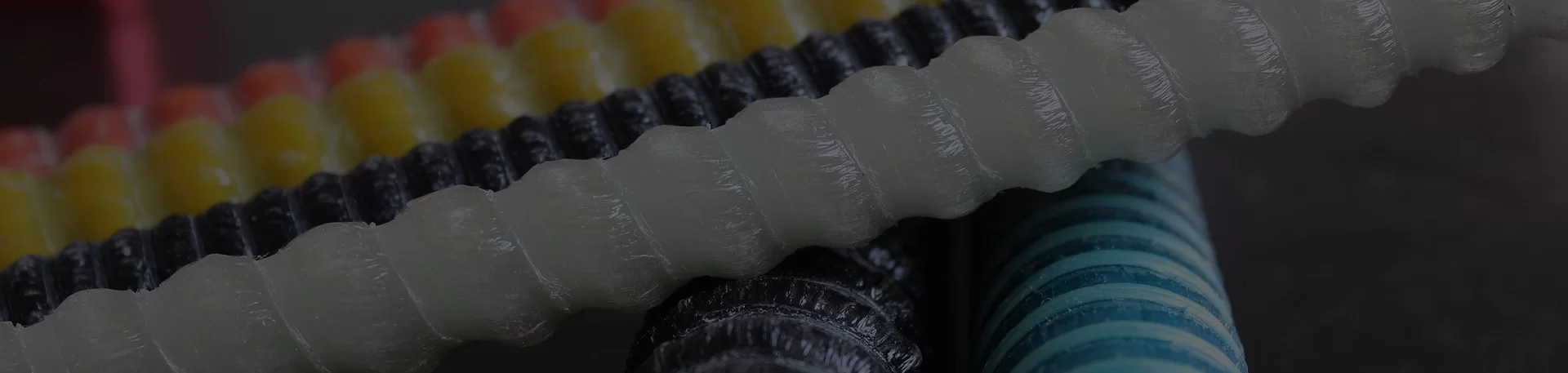
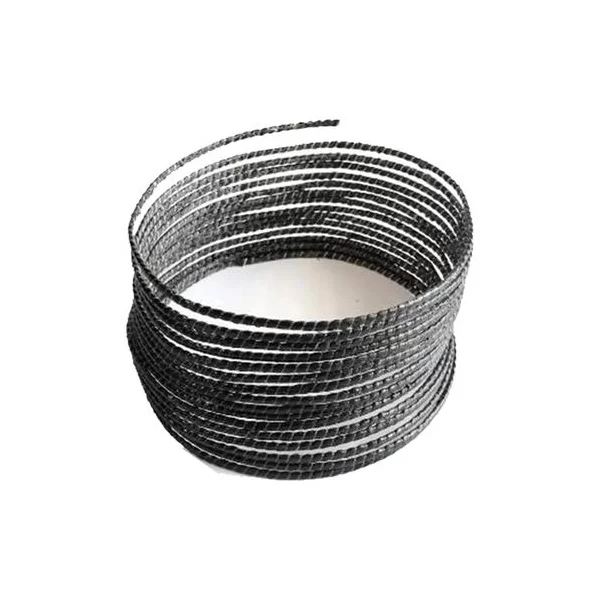
Increasing awareness of the benefits of lightweight materials will drive demand for fiber glass rebar and other fiberglass applications.

Industry Outlook

Over the next 3-5 years, the Bolivian fiberglass market is projected to experience significant growth, driven by infrastructure investment, sanitation initiatives, and the mining sector. Increased adoption of advanced manufacturing technologies and the development of local resin production will be key to sustaining this growth.

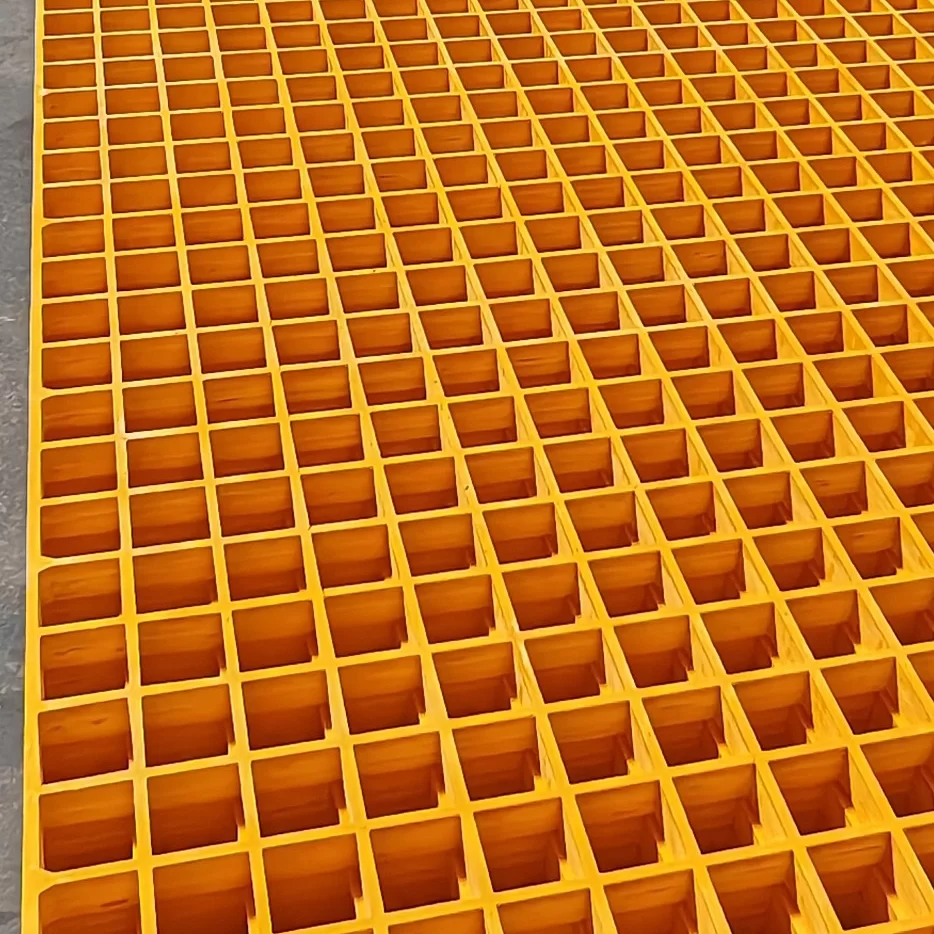
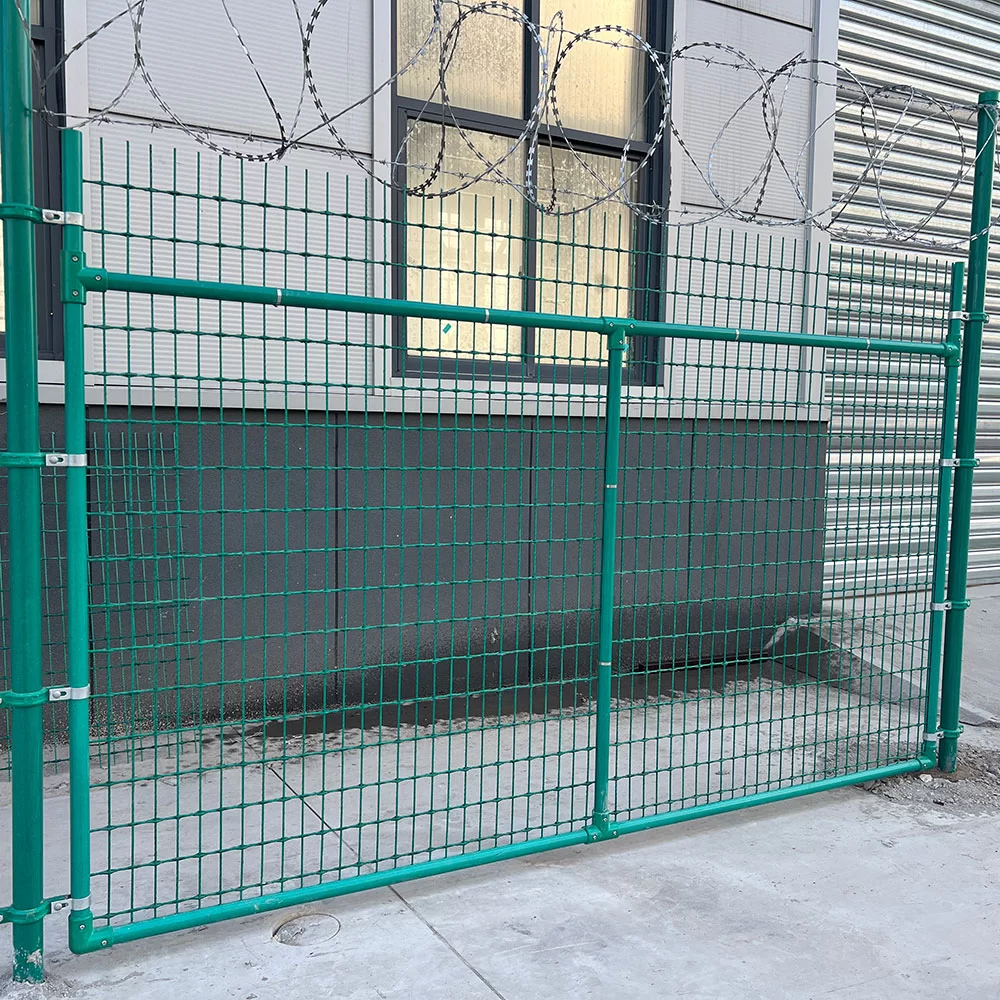
The demand for specialized fiberglass products, such as fiberglass guardrail mesh and custom-engineered solutions, will also increase. Companies that can offer innovative products and excellent customer service will be well-positioned to succeed in this dynamic market.

Local Application Scenarios for Fiberglass Products in Bolivia

Exploring real-world applications of fiberglass products tailored to Bolivia’s unique needs.

1. Rural Sanitation Systems

Fiberglass septic tanks are an ideal solution for rural communities lacking access to centralized sewage treatment facilities. Their lightweight nature and ease of installation make them particularly suitable for challenging terrains.

2. High-Altitude Water Pipelines

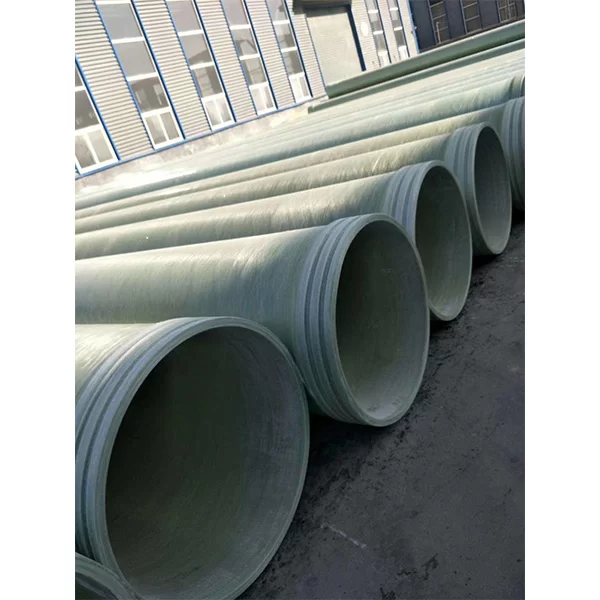
Fiberglass piping is resistant to corrosion and freezing, making it an excellent choice for transporting water in Bolivia’s high-altitude regions, where traditional metal pipes are prone to failure.

3. Mining Industry Corrosion Protection

Fiberglass linings and coatings provide superior corrosion protection for tanks, pipelines, and other equipment used in Bolivia’s harsh mining environments, extending their lifespan and reducing maintenance costs.

4. Agricultural Irrigation Systems

Fiberglass irrigation pipes and tanks offer a durable and lightweight solution for delivering water to agricultural fields, improving crop yields and water efficiency.

Brand Story

Hebei Zhongtian Composite Material Group Co., Ltd.’s global development journey

Commitment to Quality

Since our inception, Hebei Zhongtian Composite Material Group Co., Ltd. has been dedicated to producing high-quality fiberglass products that meet the highest international standards.

Innovation & Technology

We invest heavily in research and development to create innovative fiberglass solutions that address the evolving needs of our customers.

Sustainable Solutions

We are committed to environmental sustainability and strive to minimize our environmental impact through responsible manufacturing practices.

Global Reach

We serve customers worldwide, delivering reliable fiberglass solutions to a diverse range of industries.

Customer Focus

We prioritize customer satisfaction and provide exceptional service and support throughout the entire process.

Complete Product Portfolio for the Bolivian Market

Explore our extensive range of fiberglass products designed to meet the unique demands of Bolivia's infrastructure and industrial sectors.

Frequently Asked Questions about Fiberglass Products in Bolivia

Answers to common questions regarding the application and benefits of fiberglass in the Bolivian context.

What are the key advantages of using fiberglass septic tanks compared to concrete tanks in Bolivia?

Fiberglass septic tanks are significantly lighter than concrete tanks, simplifying transportation and installation, especially in remote areas. They are also non-corrosive, resulting in a longer lifespan and reduced maintenance costs. Furthermore, they are less prone to cracking due to temperature fluctuations common in Bolivia.

How does fiberglass rebar perform compared to steel rebar in Bolivia's challenging climatic conditions?

Fiberglass rebar is completely non-corrosive, making it ideal for use in Bolivia's varied climates, including humid rainforests and high-altitude regions where steel is prone to rust. It is also lightweight, making it easier to handle and install.

What is the typical lifespan of fiberglass guardrail posts and beams in Bolivia’s road infrastructure?

Fiberglass guardrail posts and beams typically have a lifespan of 50 years or more, significantly exceeding the lifespan of traditional steel or wooden guardrails. This reduces the need for frequent replacements, lowering lifecycle costs.

Is carbon fiber reinforcement a cost-effective solution for strengthening existing concrete structures in Bolivia?

While carbon fiber reinforcement has a higher initial cost, it can be highly cost-effective in the long run, particularly for strengthening critical infrastructure like bridges and dams. Its lightweight nature reduces the load on the structure, and its high strength-to-weight ratio provides significant performance benefits.

What are the maintenance requirements for fiberglass pipelines used in Bolivia's mining industry?

Fiberglass pipelines require minimal maintenance compared to metal pipelines. Regular visual inspections are recommended to identify any damage, but the material's corrosion resistance eliminates the need for painting or cathodic protection.

How does the cost of fiberglass products compare to traditional materials like steel and concrete in the Bolivian market?

The initial cost of fiberglass products may be higher than traditional materials, but the long-term cost savings due to reduced maintenance, increased durability, and lighter weight often make fiberglass a more economical choice. A lifecycle cost analysis should be conducted to determine the best option for specific applications.

Get in Touch with Our Fiberglass Experts

We are committed to providing innovative fiberglass solutions to meet the unique needs of businesses and organizations in South America - Bolivia.

Contact Us Now

If you are interested in our products, you can choose to leave your information here, and we will be in touch with you shortly.