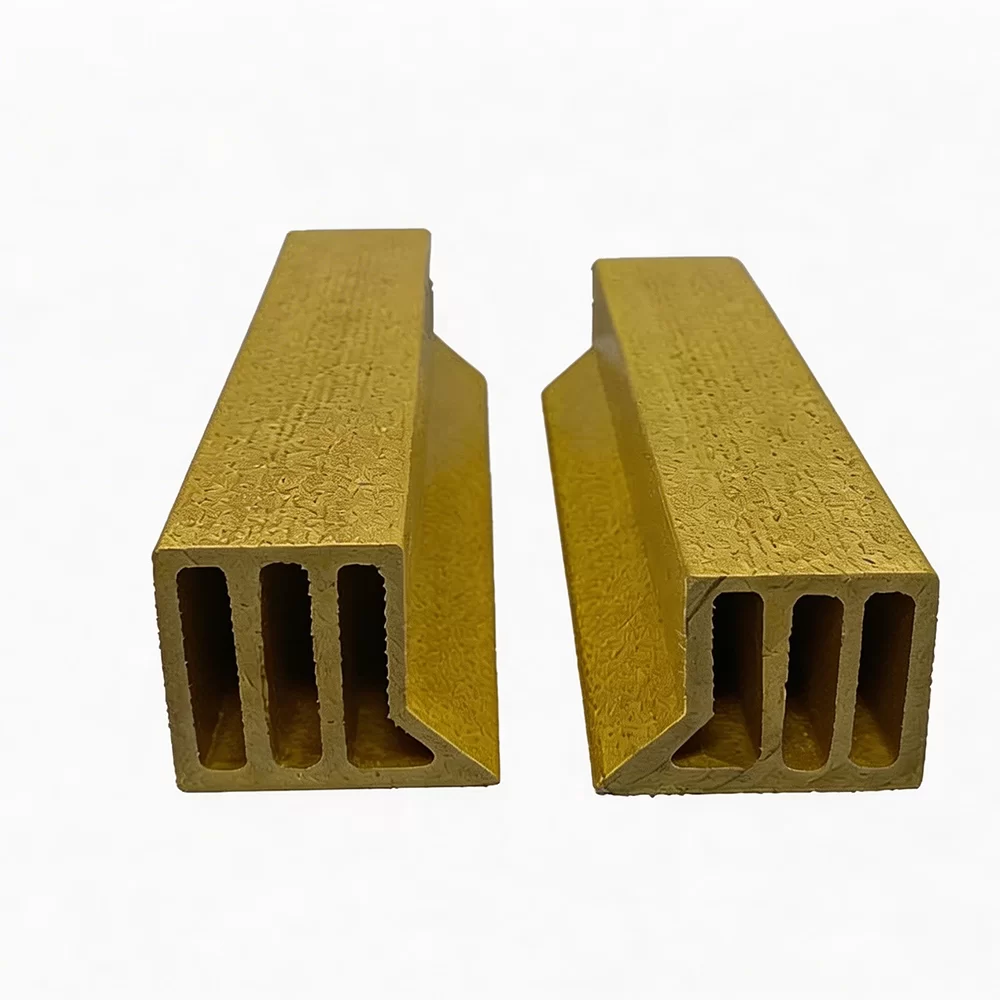


Integrating design and production to deliver durable FRP components for industrial and municipal applications.
Evaluating the shift toward non-metallic mineral products in South American coastal and urban development.
Uruguay's unique geography, characterized by extensive coastlines and humid climates, creates a high-corrosion environment. Traditional steel reinforcement often fails prematurely in these conditions, driving a regional need for materials that offer inherent chemical stability and moisture resistance.
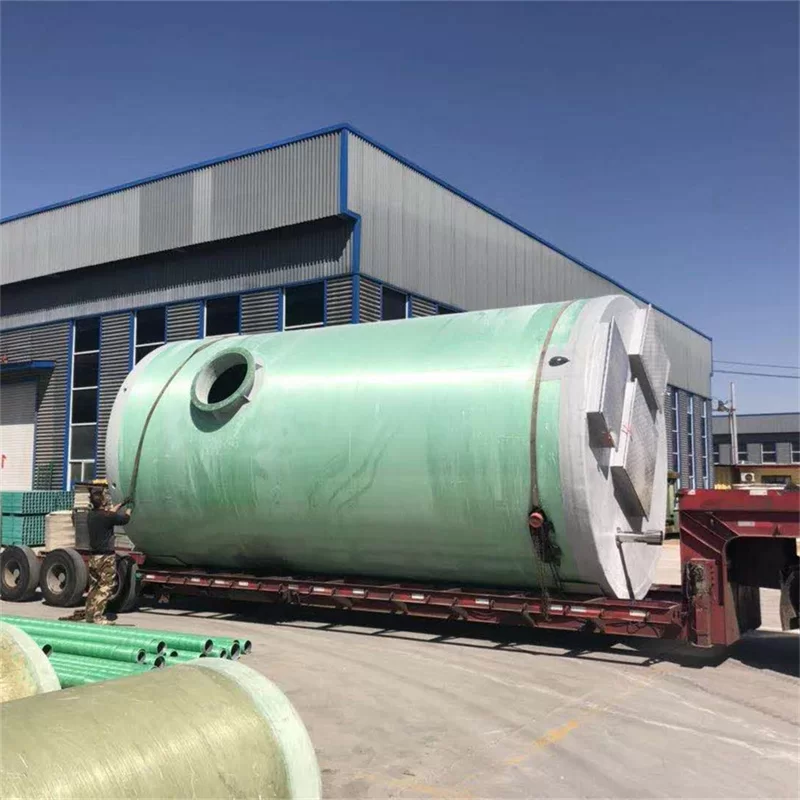
Local procurement trends show an increasing preference for pre-engineered systems. The demand for fiberglass septic tank solutions is rising as rural and suburban areas upgrade their sanitation infrastructure to meet modern environmental standards without the maintenance burden of concrete.
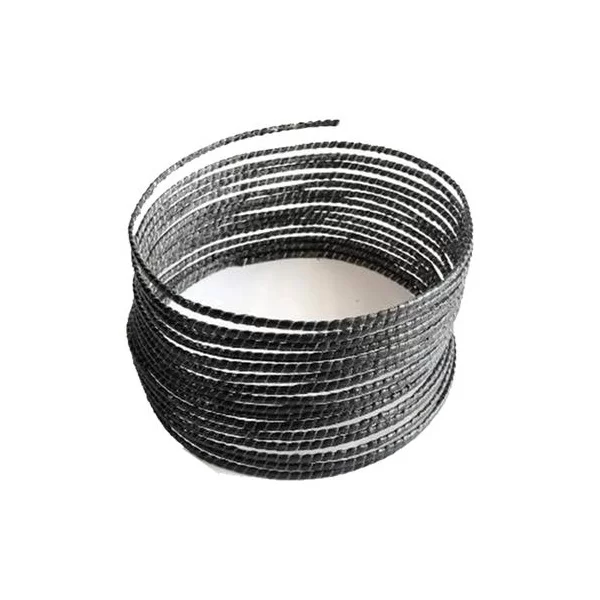
Implementation focuses on reducing long-term lifecycle costs. By adopting GFRP and carbon fiber components, Uruguayan project managers can minimize structural degradation in wastewater plants and coastal barriers, ensuring longer operational lifespans for public works.
Tracing the transition from basic fiberglass shells to high-strength structural reinforcements.
Anticipating the technological and operational shifts in the non-metallic mineral sector.
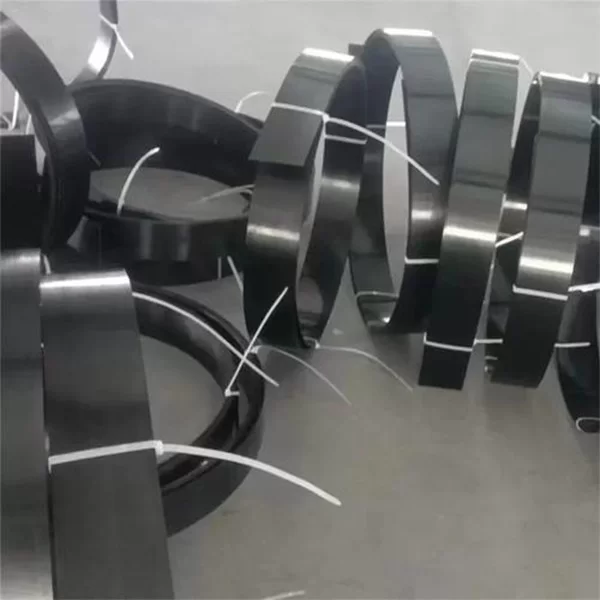
Combining GFRP with carbon fiber reinforcement to achieve higher stiffness-to-weight ratios in structural beams.
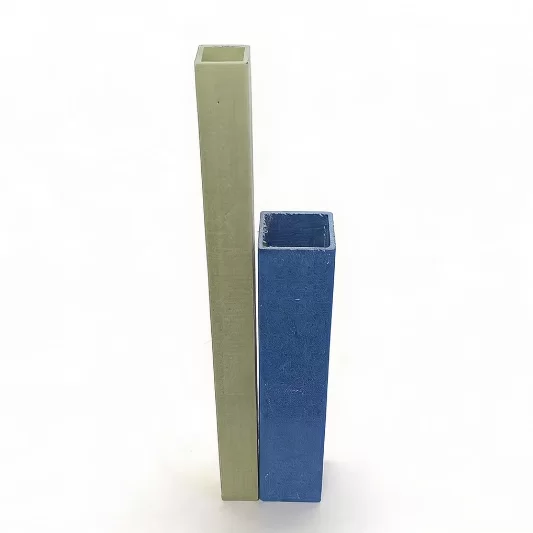
Direct-from-manufacturer sourcing models reducing lead times for specialized pultruded profiles in South America.
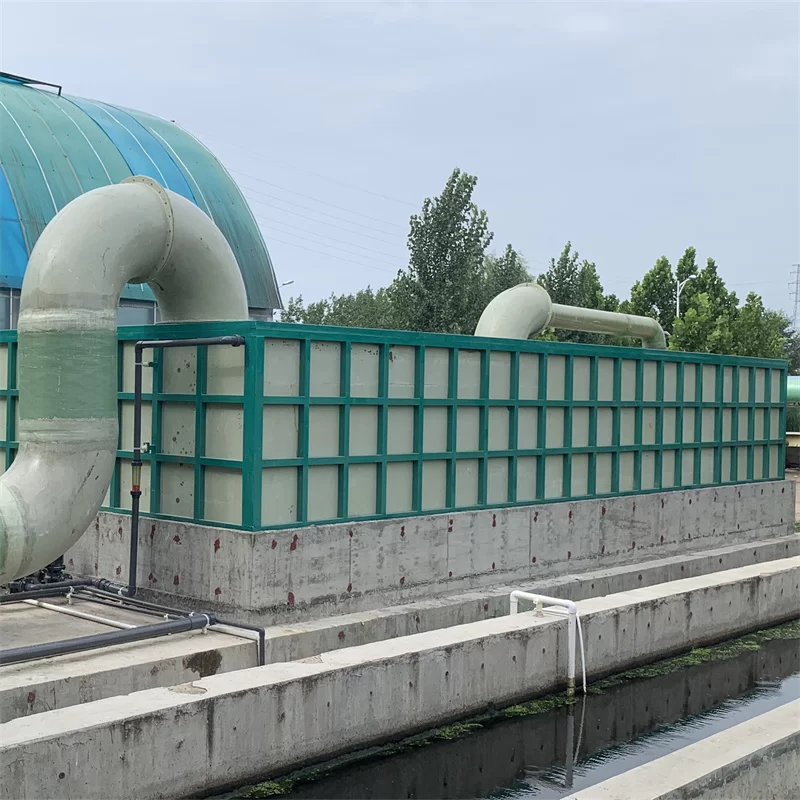
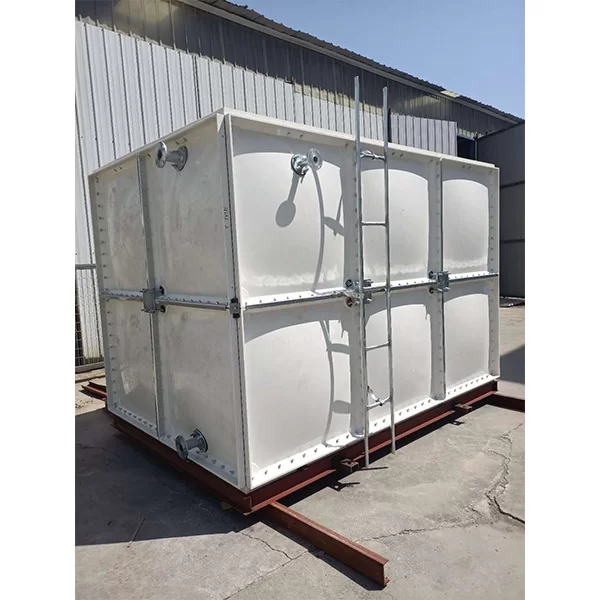
Stricter wastewater regulations driving the adoption of chemical-resistant FRP deodorization and storage tanks.
Integrating sensors into FRP cable trays and pipes for predictive maintenance in industrial plants.
Over the next few years, we expect a transition toward integrated composite ecosystems where the structural framework, piping, and containment systems are all derived from FRP to ensure total chemical compatibility.
The commercial impact will be seen in the reduction of operational downtime for municipal utilities, as corrosion-resistant materials eliminate the need for frequent structural patching and replacement.
Practical implementation of composite products across diverse sectors.
Utilizing GFRP rebar in seaside concrete structures to prevent chloride-induced corrosion, extending the life of piers and sea walls.
Deployment of fiberglass septic tank systems in rural farming zones to prevent groundwater contamination.
Installation of FRP filament-wound pipes for the transport of corrosive chemicals in manufacturing facilities, replacing heavy steel.
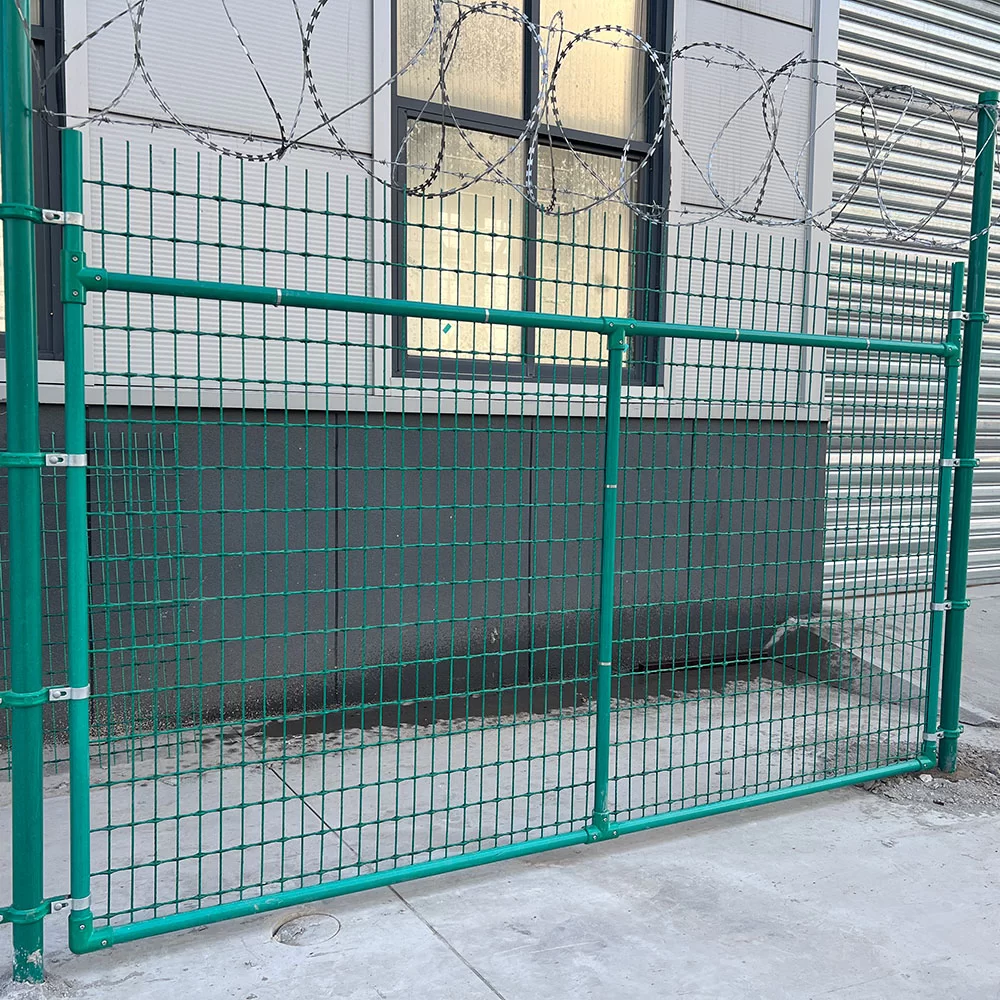
Application of fiberglass guardrail mesh for lightweight, high-impact resistance roadside protection.
Using FRP cable trays and ventilation ducts in municipal subway or tunnel projects to ensure longevity in humid subterranean environments.
A legacy of precision in fiberglass and reinforced polymer manufacturing.
Established as a large-scale enterprise integrating design, production, sales, and installation in the fiberglass industrial hub of Zaoqiang County.
Successfully passed ISO9001:2000 quality system certification, environmental management, and occupational health and safety certifications.
Operating advanced FW-4000 winding and BWFRP weaving machinery to serve large-scale domestic and international environmental projects.
Custom-engineered FRP components designed for extreme corrosion resistance and structural efficiency.
Technical and procurement guidance for fiberglass and GFRP products.
GFRP rebar is completely immune to chloride corrosion. Unlike steel, which rusts and causes concrete spalling in salty air, GFRP maintains structural integrity, significantly reducing maintenance costs for coastal infrastructure.
Fiberglass tanks are lightweight, leak-proof, and resistant to chemical degradation from sewage. They are faster to install and do not crack due to ground movement, making them ideal for various soil types in Uruguay.
Yes, hybrid composite systems can be engineered where carbon fiber provides high tensile strength and stiffness in critical load areas, while GFRP ensures overall cost-effectiveness and corrosion resistance.
Our production processes are certified under ISO9001:2000, ensuring consistent material quality, dimensional accuracy, and adherence to international safety and environmental management standards.
Yes, FRP mesh and profiles provide excellent energy absorption and impact resistance. They are increasingly used as alternatives to metal guardrails to reduce weight and eliminate oxidation.
As an enterprise that integrates design, production, and installation, we provide comprehensive technical specifications and support to ensure that composite systems are deployed correctly on-site.
Discuss your specific infrastructure requirements for Uruguay with our composite engineering experts to optimize your project's durability and cost.
Contact Us Now