

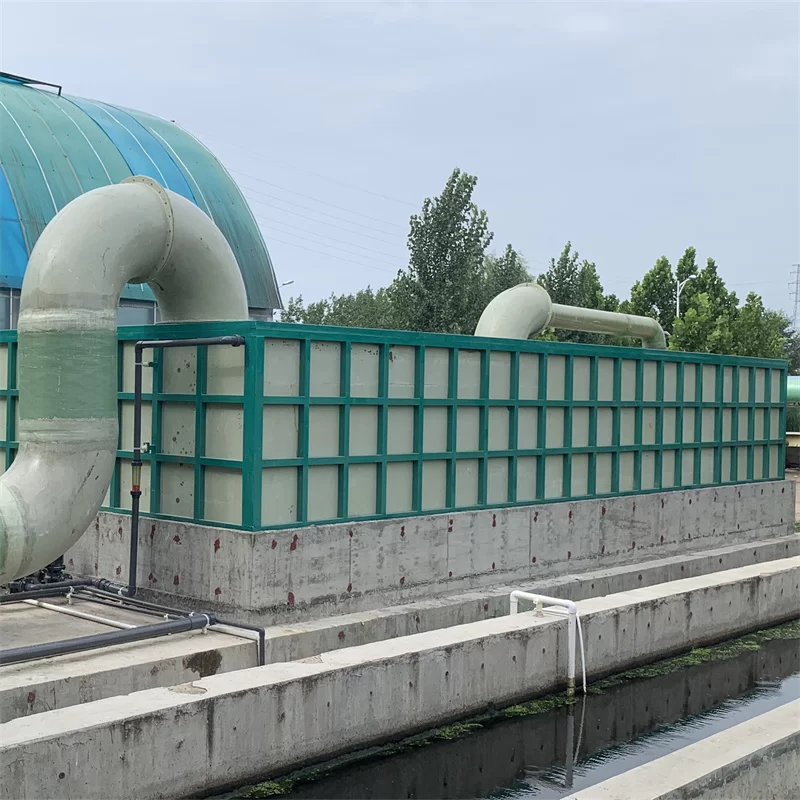
HighPerformance Fiberglass Products for New Zealands Infrastructure

High-Performance Fiberglass Products for New Zealand's Infrastructure

Providing durable, corrosion-resistant composite solutions including fiberglass rebar and septic tanks tailored for the unique environmental demands of New Zealand.

Advanced Composite Engineering Solutions for the Oceania Market

We deliver specialized fiberglass products designed to replace traditional steel and concrete in corrosive environments, serving municipal, agricultural, and industrial clients across New Zealand.

The State of Composite Material Adoption in New Zealand

Analyzing the shift toward non-metallic reinforced polymers in regional construction.

New Zealand's geography, characterized by extensive coastlines and high humidity, creates a challenging environment for traditional building materials. The prevalence of saltwater spray and acidic soils leads to rapid degradation of steel-reinforced concrete, driving a consistent demand for materials that offer inherent corrosion resistance without sacrificing structural integrity.

Current market trends show an increasing preference for fiber glass rebar in coastal bridge repairs and marine infrastructure. The technical challenge lies in finding materials that can withstand high seismic activity while remaining lightweight and chemically inert, which is where Glass Fiber Reinforced Polymer (GFRP) technology provides a critical advantage.

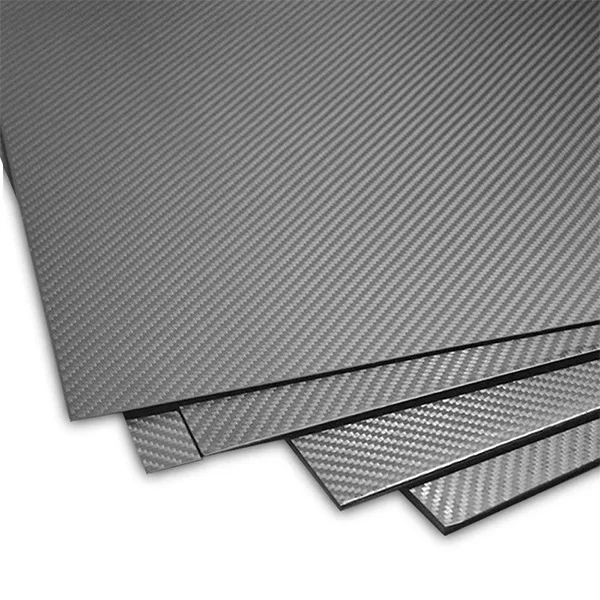
Local developers and municipal engineers are now prioritizing long-term lifecycle costs over initial procurement prices. This shift is evident in the adoption of high-strength carbon fiber reinforcement for heritage building retrofitting and the installation of durable composite tanks for rural wastewater management.
Evolution of Fiberglass Technology in Infrastructure

From basic industrial use to critical structural integration.

Industrial Development Path

Initial Adoption
Early use of composites was limited to simple piping and small-scale storage tanks, primarily used in chemical processing where corrosion was the only primary concern.

Structural Integration
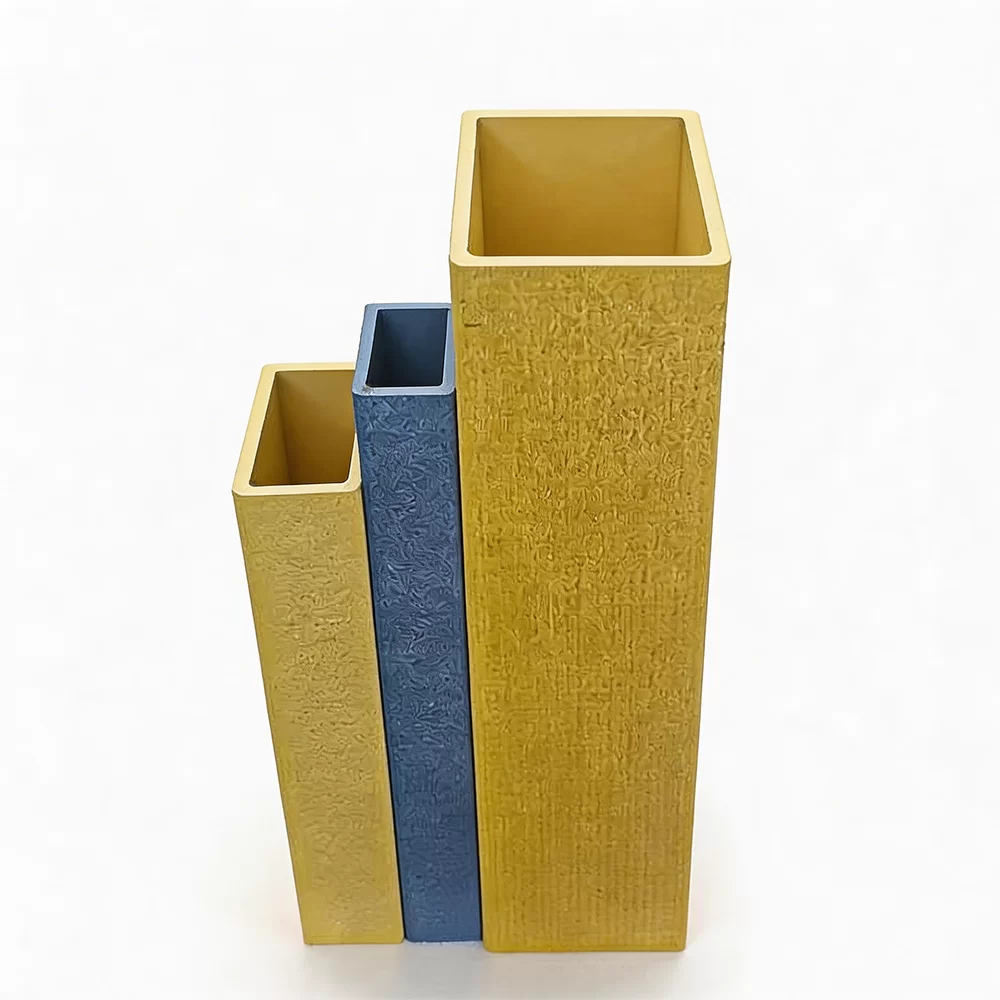
The industry evolved to include load-bearing components. The introduction of pultrusion technology allowed for the mass production of profiles and rebar, enabling composites to enter the civil engineering sector.

Modern Precision Engineering
Current applications focus on hybrid reinforcements and automated winding processes, creating highly specialized products like integrated sewage pumping stations and high-pressure process piping.

Future Strategic Directions

1. Sustainable Lifecycle Management

Focusing on the reduction of carbon footprints during the manufacturing of GFRP and improving the recyclability of composite waste in local landfills.

2. Smart Composite Integration

Integrating sensors within fiberglass guardrail mesh and rebar to monitor structural health and stress in real-time for critical bridges.

3. Enhanced Seismic Resilience

Developing higher elasticity ratios in carbon-fiber reinforced polymers to better absorb energy during New Zealand's frequent seismic events.

Global Trends Impacting the New Zealand Market

How international innovation is shaping local composite standards.

⚡
Rapid Deployment
Modular fiberglass units that reduce on-site installation time for rural utilities.
🤖
Automated Pultrusion
Increased precision in rebar diameters ensuring tighter tolerances for construction.
💳
TCO Optimization
Shift toward Total Cost of Ownership models, highlighting zero-maintenance benefits.
🌱
Eco-Composite Shift
Adopting low-emission resins to meet stringent New Zealand environmental laws.

Industry Outlook

The composite industry is moving toward a "hybridization" phase, where carbon fiber and glass fiber are combined to optimize both cost and strength. We expect a significant increase in the use of GFRP in wastewater treatment plants to eliminate the risk of hydrogen sulfide corrosion.

For New Zealand operators, the recommendation is to transition from reactive maintenance of steel structures to the proactive installation of composite systems, ensuring a 50+ year service life in coastal zones.

Composite Applications in New Zealand Environments

Real-world implementation of fiberglass technology across diverse sectors.

01

Rural Wastewater Management

Installation of fiberglass septic tank systems in remote agricultural areas. These tanks prevent soil contamination and resist groundwater pressure better than traditional concrete.

02

Coastal Infrastructure Reinforcement

Using GFRP rebar for sea wall and pier construction. The non-conductive and non-corrosive nature of the material eliminates the risk of "concrete cancer" caused by chloride penetration.

03

Industrial Chemical Storage

Deployment of filament-wound FRP storage tanks and process piping for New Zealand's dairy and food processing plants, ensuring zero leakage and high chemical resistance.

04

Road Safety and Barrier Systems

Implementation of fiberglass guardrail mesh in mountainous terrain to provide lightweight yet high-impact resistance for highway safety.

05

Structural Retrofitting

Applying carbon fiber reinforcement wraps to existing concrete columns in urban centers to increase load capacity and seismic endurance without adding significant weight.

Our Journey in Composite Excellence

Hebei Zhongtian Composite Materials Group Co., Ltd. - Leading the way in GFRP innovation since 2008.

2008: Foundation

Established as a production enterprise integrating design, sales, and installation, focusing on the emerging fiberglass industry in Zaoqiang County.

Technical Expansion

Invested in high-precision equipment including FW-4000 microcomputer winding machines and BWFRP power pipe weaving machines to enhance product accuracy.

Project Milestones

Successfully contributed to large-scale environmental protection initiatives and the South to North Water Diversion Project, proving capacity for critical infrastructure.

2016: Certification Milestone

Achieved ISO9001:2000 quality system certification, environmental management system certification, and occupational health and safety management certification.

Global Reach

Expanded production capabilities to serve international markets, providing GFRP rebar and FRP pultruded profiles to diverse global engineering projects.

Comprehensive Composite Material Portfolio

From high-strength rebar to integrated sewage stations, our product range covers every need of the modern industrial infrastructure.

Common Questions on Fiberglass Applications

Technical insights and procurement guidance for New Zealand clients.

What makes fiberglass rebar superior to steel in coastal regions?

Unlike steel, GFRP rebar is completely immune to chloride-induced corrosion. In saltwater environments typical of New Zealand's coast, it prevents the internal expansion and cracking of concrete, significantly extending the structure's lifespan.

Can fiberglass septic tanks be installed in high-water-table areas?

Yes. Due to their high strength-to-weight ratio and structural rigidity, fiberglass tanks resist deformation from external hydrostatic pressure much more effectively than traditional polyethylene or concrete tanks.

How does carbon fiber reinforcement differ from glass fiber in structural use?

Carbon fiber offers significantly higher tensile strength and stiffness (modulus) compared to glass fiber. It is typically used for high-load structural retrofitting and precision reinforcement where minimal thickness is required.

What certifications should I look for when sourcing GFRP products?

Ensure the supplier holds ISO9001 quality management certification and relevant environmental and safety certifications. Our products are manufactured under strict ISO standards to ensure consistency and safety.

Is it cost-effective to switch to composite guardrails?

While initial material costs may vary, the total cost of ownership is lower because composites require no painting, no rust treatment, and have far lower transportation costs due to their lightweight nature.

How do I request a technical consultation for a New Zealand project?

You can reach our engineering team through our official contact page to discuss specific technical requirements, load calculations, and customized product specifications for your site.

Discuss Your Composite Engineering Project

Looking for durable, high-performance fiberglass solutions in New Zealand? Our technical team is ready to provide expert consultation and customized quotes for your infrastructure needs.

Request a Technical Quote

If you are interested in our products, you can choose to leave your information here, and we will be in touch with you shortly.