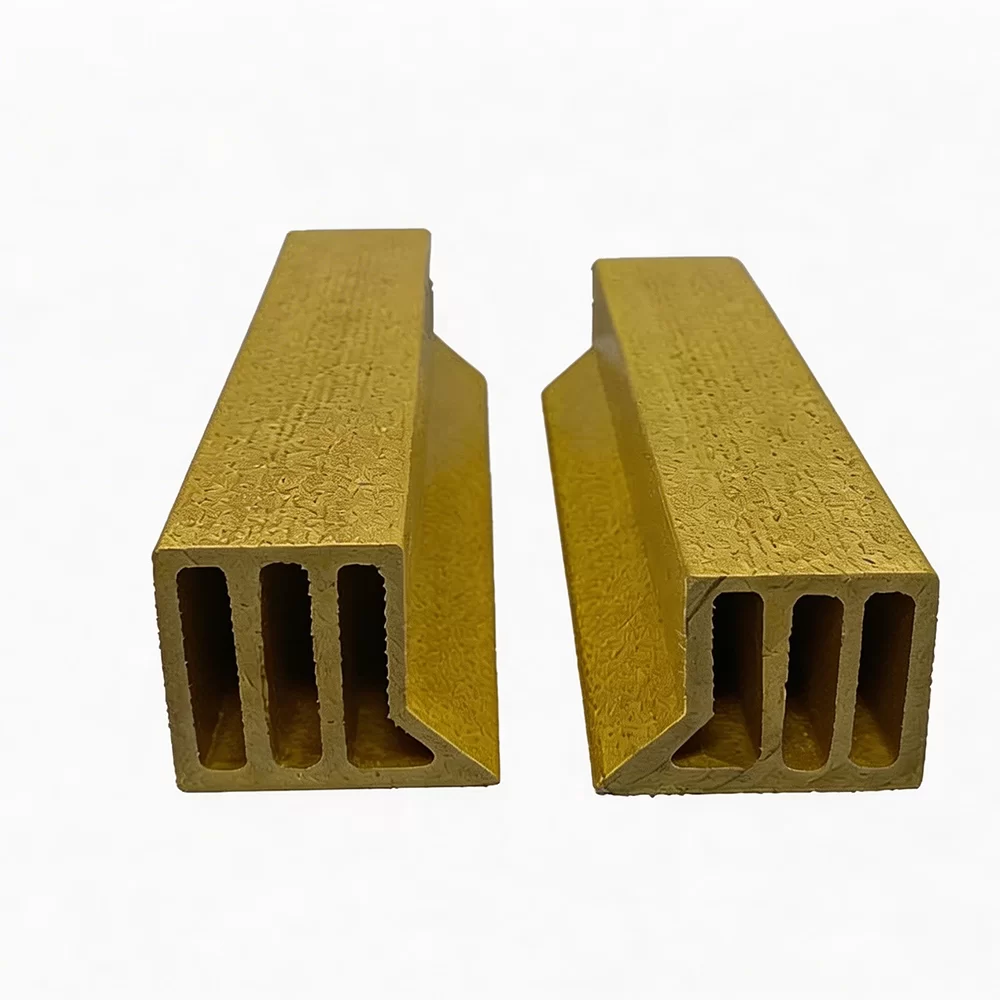
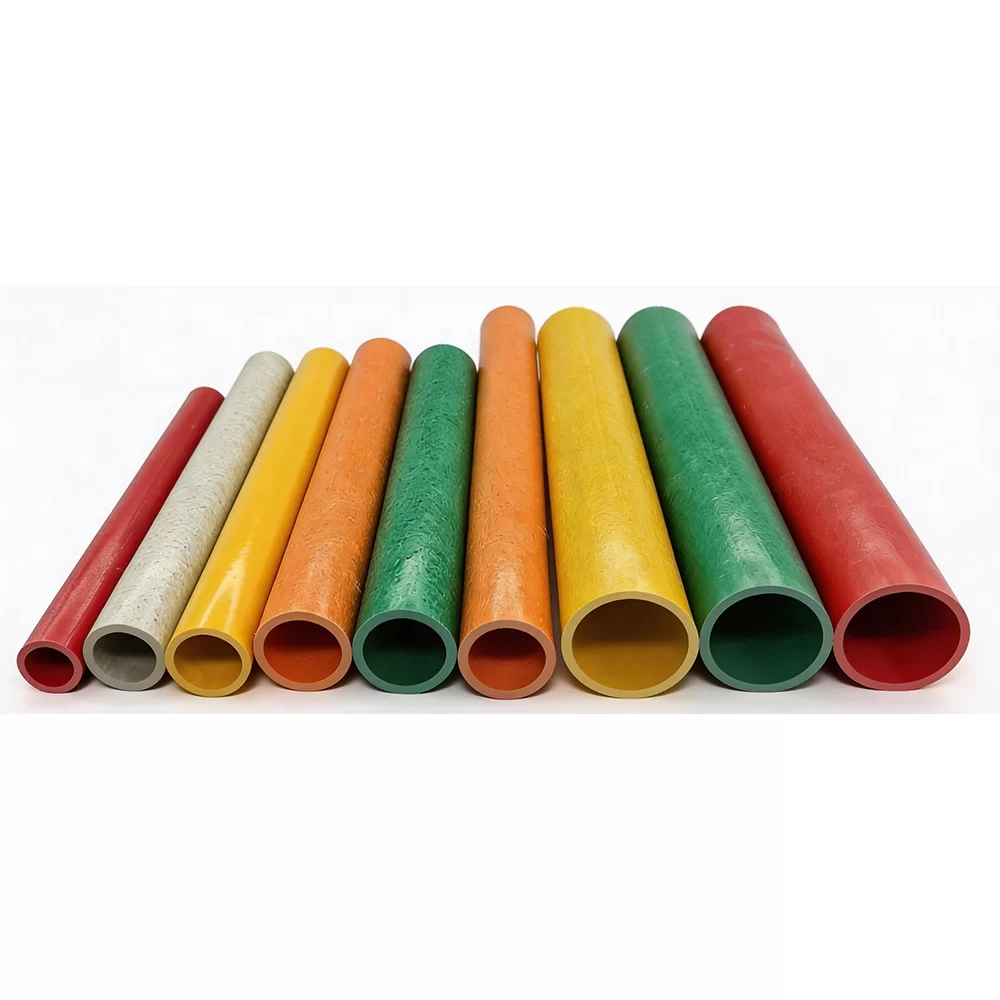
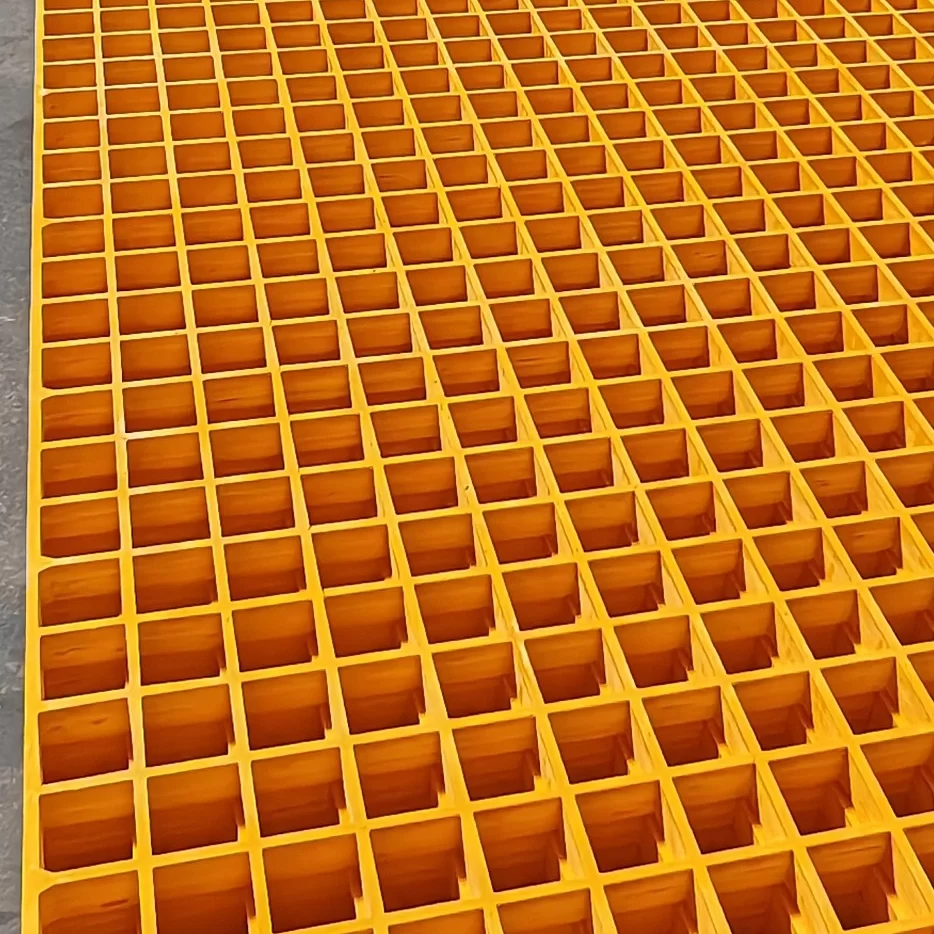
Source premium pultruded FRP I beams from a leading China factory and trusted suppliers. Our fiberglass I beams offer exceptional corrosion resistance and high strength-to-weight ratios for industrial infrastructure.
Our high-performance Fiberglass I Beams are precision-engineered structural profiles manufactured via an advanced pultrusion process. By integrating continuous glass fiber reinforcements within a high-grade thermosetting resin matrix—including polyester, vinyl ester, or epoxy—we deliver an I-shaped profile characterized by an exceptional strength-to-weight ratio and superior mechanical stability, specifically designed for the most demanding industrial environments.
Serving as a modern, cost-effective alternative to traditional steel and aluminum, these FRP I beams are inherently non-corrosive and non-conductive. They are meticulously optimized for aggressive settings such as chemical processing plants, marine infrastructure, and wastewater treatment facilities, where long-term structural integrity and minimal maintenance are critical operational priorities.
| Reinforcement Material | Continuous Glass Fiber Rovings & Mats | Manufacturing Process | High-Precision Pultrusion |
|---|---|---|---|
| Resin Options | Polyester, Vinyl Ester, Epoxy | Structural Profile | I-Beam / I-Section |
| Core Properties | High Tensile & Flexural Strength | Environmental Resistance | Corrosion, UV, and Moisture Proof |
| Electrical Property | Non-Conductive / Insulating | Thermal Property | Low Thermal Conductivity |
| Customization | Flange Width, Web Thickness, Color | Service Life | 25 - 50+ Years |
Unlike steel, FRP I beams will not rust or deteriorate when exposed to saltwater, acids, or industrial fumes.
Eliminates the need for periodic repainting, galvanizing, or protective coatings throughout its lifecycle.
Offers comparable structural strength to metal but at a fraction of the weight, reducing installation costs.
Non-conductive and non-magnetic properties make it the safest choice for electrical substations.
Resistant to warping, swelling, or cracking under extreme temperature fluctuations and humidity.
Can be easily cut, drilled, and assembled using standard tools, accelerating construction schedules.

Tailored flange widths and web thicknesses to meet specific engineering load requirements.
Choose between Polyester, Vinyl Ester, or Epoxy based on the chemical aggression of your site.
Integrated UV inhibitors to prevent degradation and color fading in outdoor coastal exposures.
Available in fire-retardant grades to comply with strict safety and building code regulations.
Precision cutting to custom lengths to minimize on-site waste and reduce installation time.
Professional structural calculations to ensure beams meet applicable international design standards.
| Comparison Factor | Traditional Steel Beam | Fiberglass I Beam |
|---|---|---|
| Initial Installation | Moderate Cost / Heavy Gear | Low Gear / Fast Setup |
| Corrosion Resistance | Low (Requires Coating) | Excellent (Inherent) |
| Maintenance Cycle | Frequent Repainting | Virtually Zero |
| Lifespan in Acid/Salt | Short (5-10 Years) | Long (25-50 Years) |
| Total Cost of Ownership | High (due to Maintenance) | Low (High ROI) |
While steel has a higher absolute modulus of elasticity, FRP I beams offer a superior strength-to-weight ratio. They provide sufficient structural rigidity for most industrial platforms and walkways while being significantly lighter and immune to rust.
For high-corrosion environments, Vinyl Ester resin is recommended due to its superior chemical resistance. For general structural use, Polyester is cost-effective, while Epoxy is best for high-performance mechanical demands.
Yes, they are ideal for marine environments. When manufactured with UV inhibitors, they resist salt spray and sun exposure without the risk of corrosion that destroys metal structures.
No, Fiberglass I Beams are non-conductive and non-magnetic, making them an essential safety material for electrical substations, transformer platforms, and power generation facilities.
They can be fabricated using standard woodworking or metalworking tools. They can be easily cut with saws and drilled for fasteners, and their light weight often eliminates the need for heavy cranes.
Depending on the environment and load, a properly designed fiberglass structural beam can last between 25 to 50 years, significantly outperforming treated steel in aggressive industrial conditions.

Nov. 05, 2026
Factors Influencing FRP Underground Water Storage Tanks Price

Nov. 02, 2026
High Performance FRP Systems and Where to buy fiberglass grating

Nov. 02, 2026
What buyers should know about Trough Type Fiberglass Cable Trays

Oct. 29, 2026
Factors Affecting FRP Water Tank Price and Long Term Value

Oct. 29, 2026

Oct. 28, 2026
Industrial FRP Grating Manufacturer and Composite Solutions
Looking for Reliable Frp Solutions?