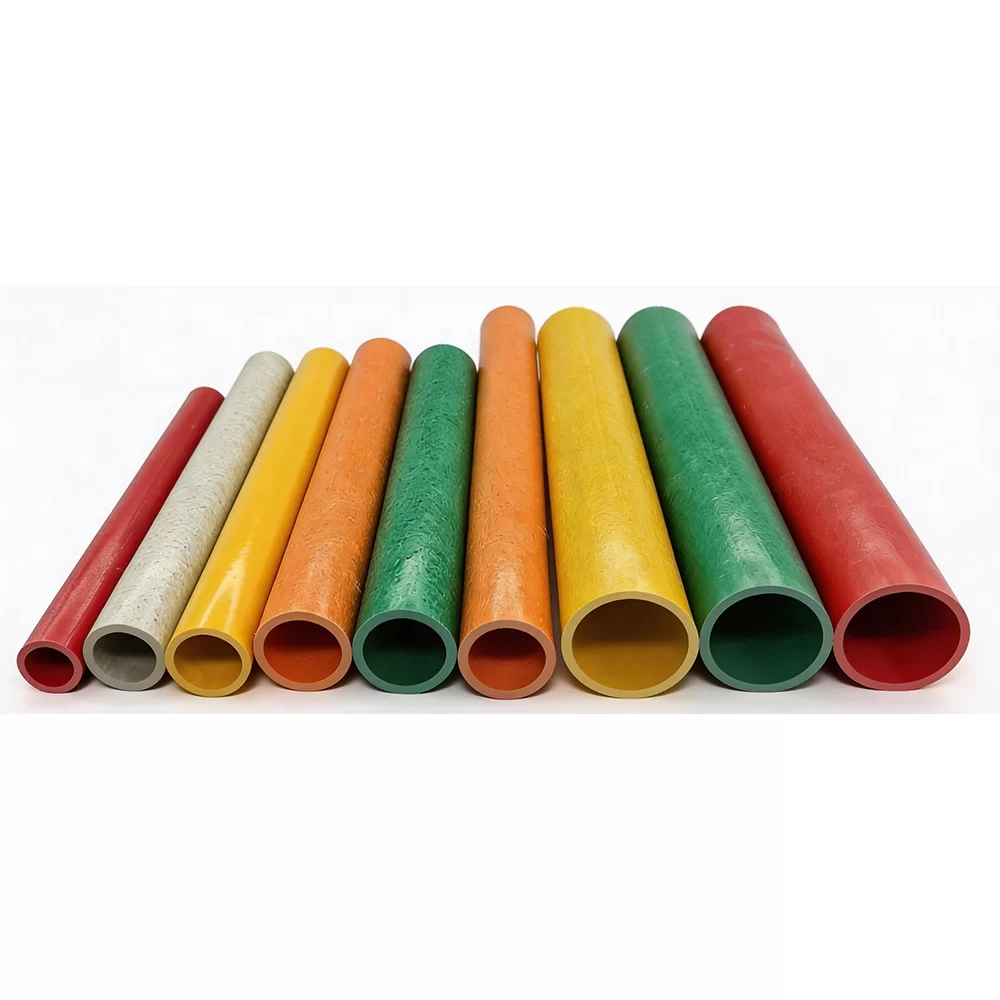
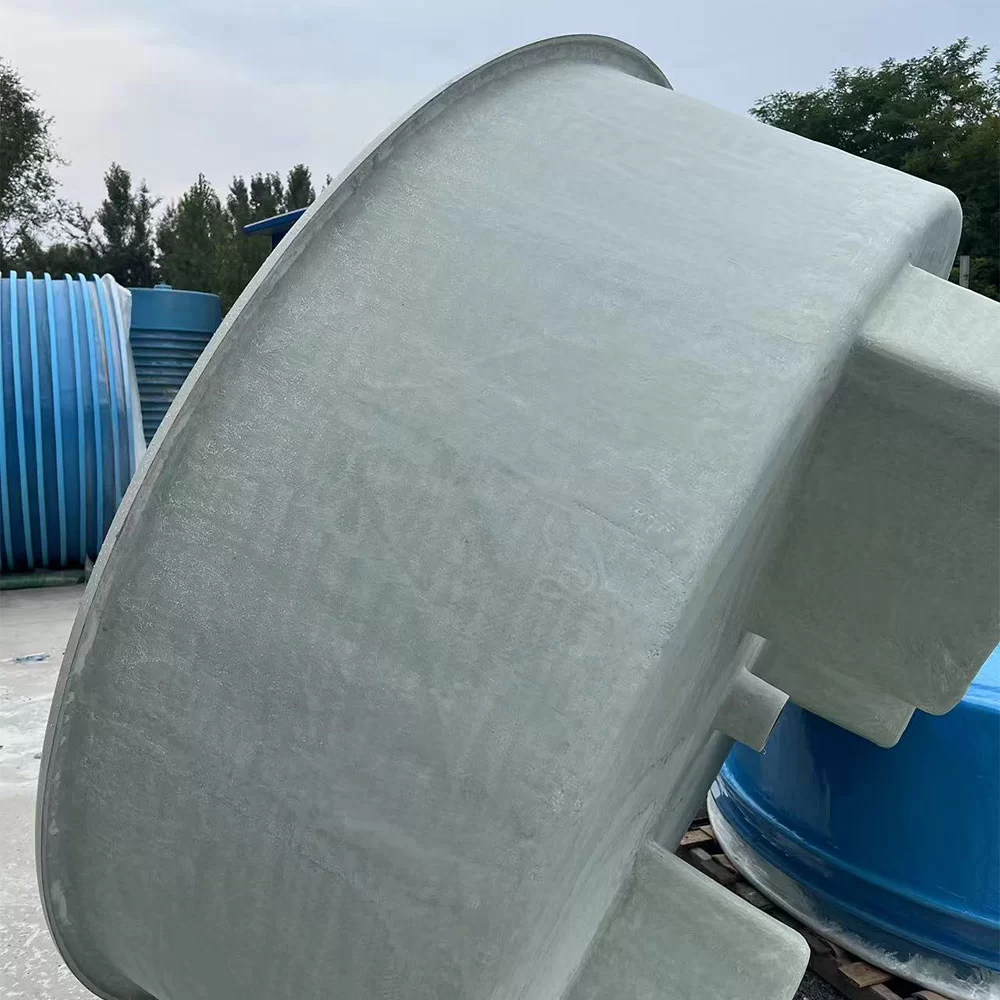
Wastewater management facilities operate in some of the most chemically aggressive environments on earth, facing constant exposure to hydrogen sulfide, ammonia, and various corrosive chemical vapors. For plant operators, the choice of enclosure materials is not merely a matter of initial gfrp bars price or budget, but a critical decision regarding structural longevity and safety. FRP sewage tank covers provide a high-performance alternative to traditional carbon steel or concrete, which often succumb to rapid oxidation and structural decay in high-humidity, acidic settings. By leveraging advanced composite engineering, these covers ensure total odor containment and environmental protection for decades without the need for frequent recoating or structural reinforcement.

The mechanical integrity of FRP sewage tank covers is derived from a sophisticated combination of high-strength fiberglass reinforcement and specialized corrosion-resistant resins. Depending on the specific chemical profile of the effluent, these covers are typically manufactured using vinyl ester or isophthalic polyester resins. This chemical bonding creates a non-porous barrier that is virtually impervious to the most common catalysts of degradation found in municipal and industrial sewage systems.
Unlike metallic alternatives, these composite systems are immune to rust and oxidation. They specifically target the mitigation of damage caused by:

One of the primary advantages of fiberglass composite covers is their exceptional strength-to-weight ratio. By reducing the dead load on the tank walls, these covers minimize the need for heavy auxiliary support structures, which in turn streamlines the installation process and lowers overall project risk. Whether for a new construction or a retrofit of an aging plant, the modular nature of FRP allows for rapid deployment and precise fitting.
Engineering teams can customize the structural configuration to match the exact geometry of the treatment tank. Available designs include:
Effective odor containment is a regulatory necessity for wastewater plants located near residential or commercial areas. FRP sewage tank covers act as a primary seal, preventing the escape of foul-smelling and potentially toxic gases into the atmosphere. When integrated with dedicated ventilation ducts and biofiltration systems, these covers ensure that facilities comply with stringent environmental air quality standards.
Beyond environmental compliance, the use of composites significantly enhances workplace safety. By containing flammable methane and toxic hydrogen sulfide within the tank, the risk of accidental exposure to plant operators is drastically reduced. Furthermore, the ability to specify anti-slip surfaces and reinforced walkable panels means that maintenance crews can navigate the top of the tanks with confidence, reducing the likelihood of slips and falls in wet environments.
| Feature | FRP Composite | Carbon Steel | Reinforced Concrete | Aluminum |
|---|---|---|---|---|
| Corrosion Resistance | Excellent | Low (Requires Coating) | Medium | Medium |
| Weight-to-Strength | Very High | Medium | Low | High |
| Maintenance Need | Minimal | High (Repainting) | Medium (Cracking) | Medium |
| Installation Speed | Fast (Modular) | Slow (Heavy) | Very Slow (Curing) | Fast |
| Service Life | 20-30+ Years | 10-15 Years | 15-20 Years | 15-20 Years |
When evaluating the total cost of ownership, procurement managers must look beyond the initial purchase price. While traditional materials may seem cheaper upfront, the life-cycle costs of FRP are significantly lower. The elimination of corrosion-related repairs, the reduction in heavy lifting equipment during installation, and the extended service life of over 20 years create a compelling financial case for composite materials.
To ensure the highest ROI, buyers should evaluate the following technical specifications during the procurement process:
The industry is moving toward more integrated, "smart" enclosure systems. We are seeing a shift toward covers that not only contain odors but also incorporate sensors for real-time gas monitoring and automated ventilation triggers. This transition reduces the need for manual inspections and allows plant managers to respond immediately to chemical spikes or pressure changes within the tank.
Furthermore, the push toward sustainable infrastructure is driving the adoption of composites that offer lower carbon footprints during manufacture and transportation due to their lightweight nature. As municipal budgets tighten, the demand for "install-and-forget" solutions increases, positioning FRP as the standard for sustainable, low-maintenance wastewater infrastructure worldwide.
FRP covers typically offer a service life of 20 to 30 years or more, whereas steel covers often require extensive maintenance or replacement every 10 to 15 years due to corrosion in wastewater environments.
Yes, FRP covers are ideal for retrofit projects. Their lightweight, modular design allows them to be installed on existing structures without requiring massive structural reinforcements to the tank walls.
Vinyl ester resins are generally recommended for high-sulfide and highly acidic environments due to their superior chemical resistance compared to standard polyester resins.
They require minimal maintenance. Routine visual inspections are typically sufficient, as the materials do not rust, peel, or require the protective coatings necessary for metal covers.
Yes, when manufactured with UV-resistant gel coats, FRP covers can withstand prolonged exposure to sunlight without degrading or losing structural strength.
The covers provide a physical seal over the tank. When combined with properly sealed joints and integrated ventilation nozzles leading to biofilters, they effectively trap and treat foul gases.
Selecting the right enclosure system is a balance of technical requirement and long-term financial planning. For facilities facing extreme corrosion, FRP remains the most dependable solution for ensuring operational safety and environmental compliance.