Municipal infrastructure forms the backbone of modern cities. From underground drainage networks and sewage pumping stations to water storage systems and utility corridors, public infrastructure must operate reliably under continuous environmental exposure and heavy usage. Unlike private industrial facilities, municipal systems serve entire communities and must deliver consistent performance with minimal interruption.
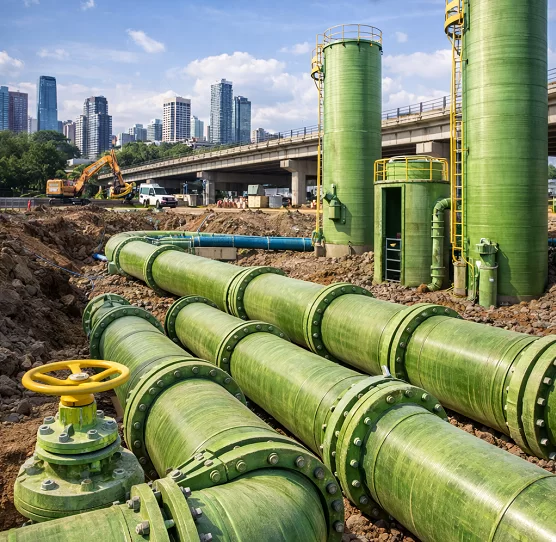
In this context, FRP systems for municipal infrastructure projects provide a durable and forward-looking solution. Fiberglass reinforced plastic combines high-strength glass fibers with corrosion-resistant resin systems, creating composite structures capable of withstanding harsh underground conditions, moisture, chemical exposure, and long-term mechanical stress. As cities expand and infrastructure ages, municipalities are increasingly turning to composite materials to improve reliability and reduce lifecycle costs.
Corrosion Resistance in FRP Systems for Municipal Infrastructure Projects
One of the most persistent challenges in municipal infrastructure is corrosion. Underground environments are rarely stable; moisture levels fluctuate, soils contain corrosive compounds, and wastewater generates aggressive gases. Over time, these factors degrade metallic structures and weaken concrete components.
FRP systems for municipal infrastructure projects address corrosion at the material level. Unlike steel, fiberglass does not rust. Unlike concrete, it does not chemically degrade when exposed to acidic or saline environments. Properly selected resin systems allow composite structures to resist long-term exposure to wastewater, stormwater, and chemically active soils. This resistance significantly extends service life and reduces the need for costly rehabilitation projects.
Hydraulic Efficiency in Municipal Water and Drainage Networks
Efficient fluid transport is essential to municipal infrastructure. Water supply lines, stormwater systems, and sewage networks must maintain consistent flow capacity to prevent overflow, flooding, or service interruption.
FRP piping systems feature smooth internal surfaces that resist scaling and corrosion buildup. Over time, metallic pipes may develop rough interiors that increase friction and reduce hydraulic efficiency. Fiberglass composites maintain stable internal diameters, supporting predictable flow characteristics. This consistency enhances system reliability and contributes to long-term operational performance within municipal water and drainage networks.
Adaptability for Integrated Municipal Systems
Modern municipal projects rarely involve isolated components. Infrastructure systems are interconnected, integrating pumping stations, tanks, pipes, inspection chambers, and odor control units. Design flexibility is essential to ensure seamless integration within complex urban layouts.
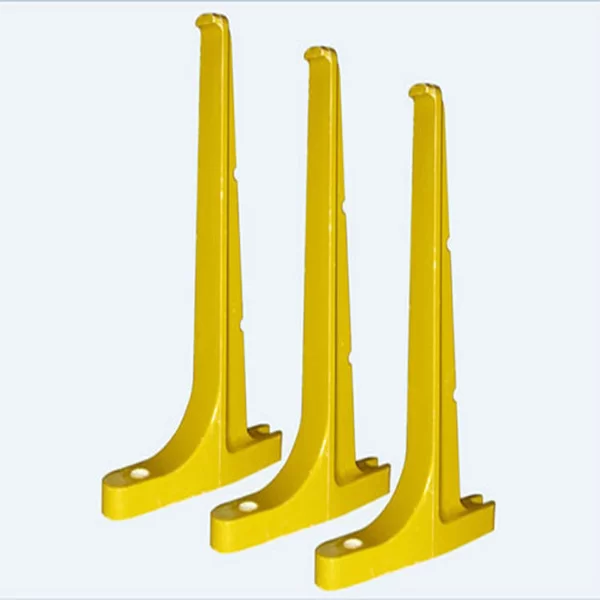
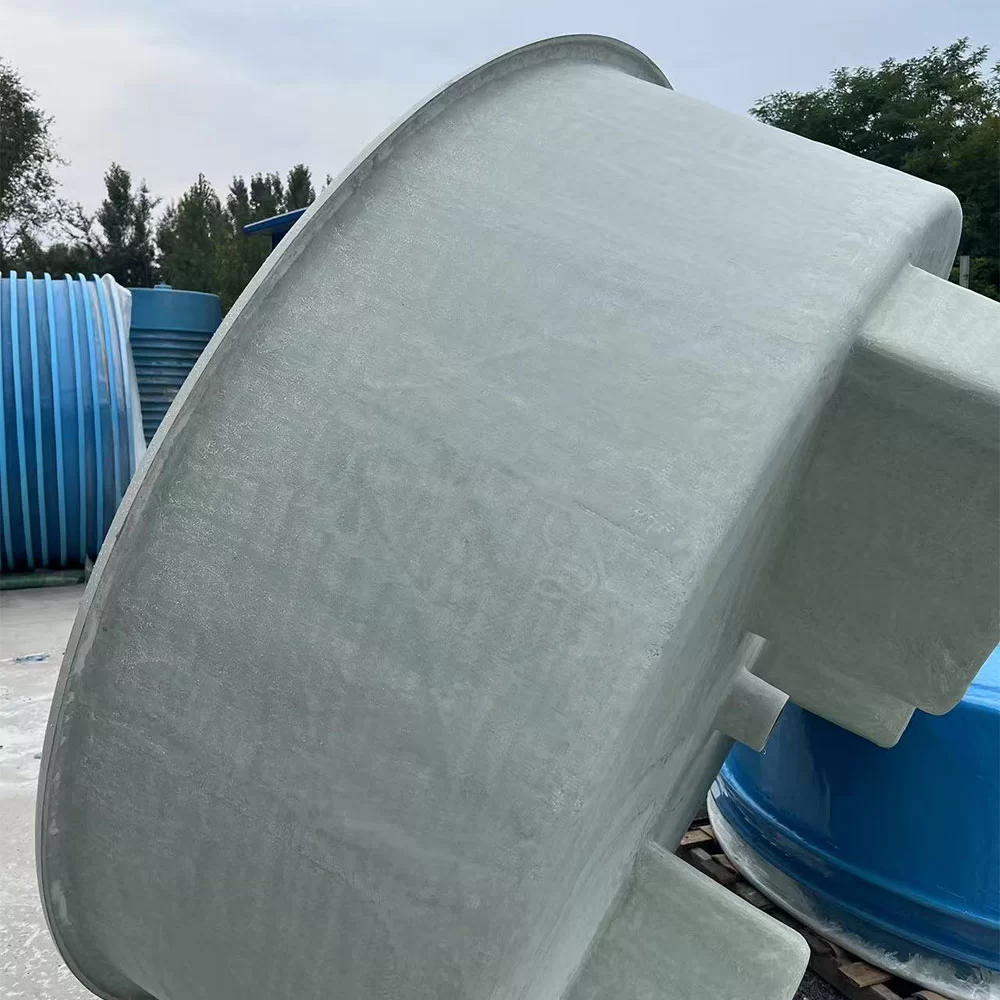
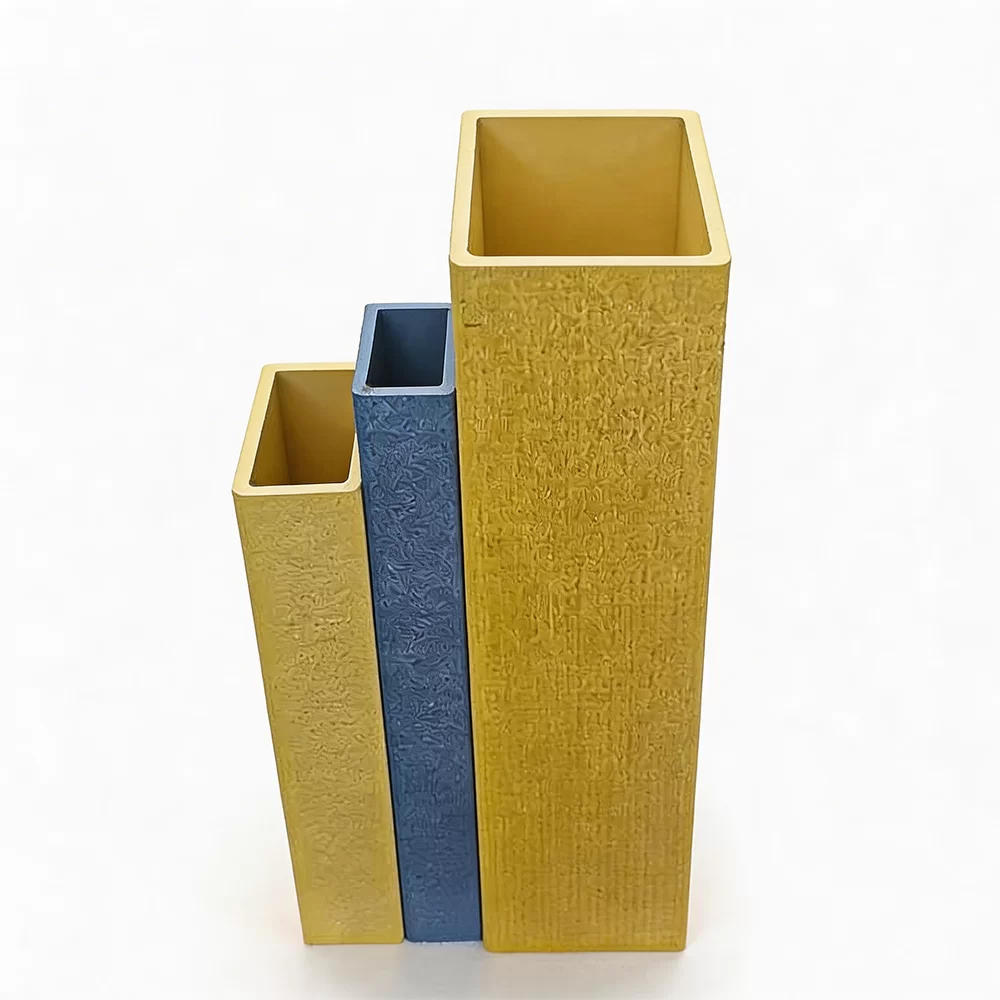
FRP systems can be custom-engineered to meet specific dimensional and functional requirements. Advanced manufacturing techniques enable precise fabrication of tanks, covers, structural profiles, and piping components tailored to project specifications. This adaptability reduces on-site modifications and allows engineers to optimize system layouts. In urban redevelopment projects where space constraints are significant, the flexibility of composite materials provides a clear advantage.
Installation Efficiency in Public Works Projects
Municipal construction projects must balance technical requirements with public impact. Road closures, excavation, and heavy lifting operations can disrupt daily life and generate additional costs.
The lightweight nature of FRP systems simplifies transportation and installation. Prefabricated composite structures can be positioned and assembled with greater efficiency compared to heavier traditional materials. This reduces construction timelines and minimizes disruption to surrounding communities. For municipalities seeking to upgrade aging infrastructure without prolonged inconvenience to residents, FRP systems offer practical benefits.
Long-Term Economic Benefits for Municipal Authorities
Public infrastructure investment must consider long-term budget constraints. While initial material costs are important, total lifecycle performance ultimately determines value. Frequent maintenance, rehabilitation, and replacement projects place financial strain on municipal budgets.
FRP systems for municipal infrastructure projects deliver economic advantages through durability and reduced maintenance demands. Corrosion resistance eliminates many recurring repair cycles associated with metal or concrete components. Structural reliability decreases the likelihood of unexpected failures requiring emergency intervention. Over extended service periods, these factors contribute to predictable budgeting and improved asset management for public authorities.
Environmental Sustainability and Infrastructure Resilience
Sustainability has become central to municipal planning. Infrastructure must not only function efficiently but also support environmental protection and long-term resilience. Materials selected for public works projects influence energy consumption, resource use, and ecological impact.
Fiberglass composites contribute to sustainable infrastructure through longevity and reduced maintenance requirements. Longer service life decreases material replacement frequency and lowers overall resource consumption. The reduced weight of FRP components minimizes transportation energy during installation. Additionally, corrosion-resistant systems reduce the risk of leakage that could contaminate surrounding soil or groundwater. These characteristics align with modern sustainability goals and environmental responsibility standards.
Enhancing Community Reliability Through Advanced Materials
Municipal infrastructure directly affects public health, safety, and quality of life. Water distribution systems must deliver clean water without interruption. Sewage networks must operate efficiently to prevent overflow. Stormwater systems must protect communities from flooding.
FRP systems support these objectives by offering stable and dependable performance under demanding conditions. Their resistance to environmental stress, chemical exposure, and structural fatigue ensures consistent operation. As cities modernize and expand, composite materials provide municipalities with a reliable foundation for infrastructure resilience.
The Future of FRP Systems in Urban Development
Urban infrastructure continues to evolve in response to population growth, regulatory standards, and environmental challenges. Smart city initiatives, underground expansion, and climate adaptation strategies all demand materials capable of long-term performance.
FRP systems for municipal infrastructure projects are positioned to play a central role in this transformation. Advances in composite engineering continue to enhance mechanical strength, fire performance, and chemical durability. Digital design integration allows precise customization for complex urban systems. As municipalities seek durable, cost-effective, and sustainable solutions, fiberglass reinforced plastic offers a material platform aligned with future infrastructure demands.
Apr. 27, 2026
Benefits of Durable Concrete Fiberglass Rebar for Infrastructure
Apr. 24, 2026
High Strength and Corrosion Resistant glass fibre reinforcement bars

Apr. 23, 2026
Reliable frp walkway manufacturer for Industrial Flooring Solutions
Apr. 22, 2026
Sustainable Construction with High Strength gfrp rebars Guide

Apr. 17, 2026
Advantages and Applications of High Strength Glass Rebar
Apr. 16, 2026
The Ultimate Guide to GFRP Rebars for Modern Construction
Looking for Reliable Frp Solutions?