Advanced Fiberglass Solutions for Malaysia’s Infrastructure

Advanced Fiberglass Solutions for Malaysia’s Infrastructure

Delivering durable and cost-effective fiberglass products for diverse applications across Malaysia.

Advanced Fiberglass Solutions for Malaysia’s Infrastructure

Providing cutting-edge fiberglass solutions to meet the growing demands of Malaysia's construction, environmental, and industrial sectors.

Current State of Fiberglass Products in Malaysia

Analyzing the market dynamics and adoption rates of fiberglass materials in the Malaysian context.

Malaysia's strategic location and robust economic growth have fueled demand for durable and corrosion-resistant materials in infrastructure development. Fiberglass products are increasingly recognized for their superior properties compared to traditional materials like steel and concrete, especially in humid and coastal environments. The country’s commitment to sustainable development further encourages the adoption of lightweight and long-lasting alternatives.

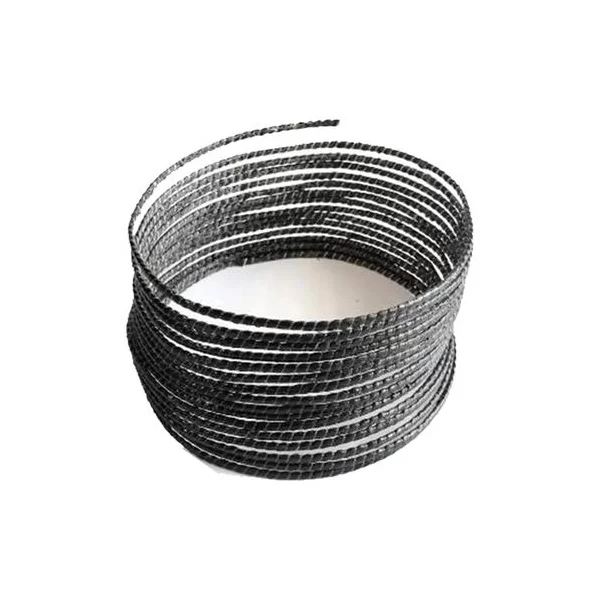
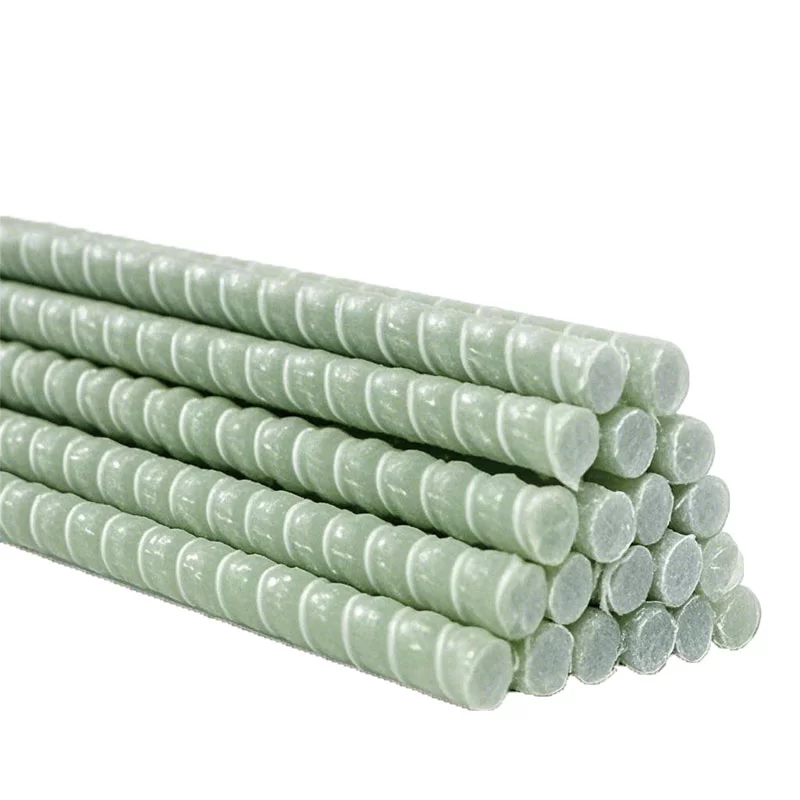
The construction sector is a major driver, utilizing fiberglass septic tanks for improved sanitation, and fiber glass rebar for reinforced concrete structures. Industries like water treatment and chemical processing are also witnessing increased utilization due to fiberglass's resistance to corrosion. However, the market faces challenges related to awareness, cost competitiveness, and skilled labor availability.

Government initiatives promoting infrastructure upgrades and environmental protection are expected to further boost demand. Key regions like Kuala Lumpur, Johor, and Penang are witnessing significant construction activity, creating opportunities for fiberglass manufacturers. The increasing focus on rural sanitation also drives demand for effective and affordable septic solutions.
Evolution of Fiberglass Technology in Malaysia

Tracing the development of fiberglass manufacturing and application in the Malaysian market.

Market Development History

The initial adoption of fiberglass in Malaysia dates back to the 1980s, primarily for boat building and automotive parts. Early products were limited in application due to high costs and lack of local manufacturing expertise. The 1990s saw increased imports of fiberglass products from countries like China and Taiwan, alongside the establishment of small-scale local manufacturers.

The 2000s marked a turning point with advancements in fiberglass technology and the emergence of more sophisticated manufacturing processes. Carbon fiber reinforcement started gaining traction in specialized applications like aerospace and high-performance sports equipment. The demand for durable and sustainable construction materials began to rise.

The last decade has witnessed significant growth in the production and application of fiberglass composites, driven by increasing infrastructure investments and environmental concerns. Focus has shifted to producing higher-quality products catering to specific industrial needs and government regulations.

Future Development Trends

Enhanced Resin Systems

Development of bio-based and high-performance resin systems to improve sustainability and product performance. Google Trends indicate a growing interest in "eco-friendly composites" within the region.

Automated Manufacturing

Adoption of automated manufacturing processes like filament winding and pultrusion to enhance efficiency, reduce costs, and improve product quality. Search volumes for "automated composite manufacturing" are steadily rising.

Smart Composites

Integration of sensors and data analytics into fiberglass structures to enable real-time monitoring and predictive maintenance. This trend aligns with the growing adoption of IoT and Industry 4.0 technologies.

Industry Trends and Future Outlook for Fiberglass in Malaysia

Exploring emerging trends and forecasting the future trajectory of the fiberglass industry in Malaysia.

Growing Demand for Sustainable Solutions
Increasing preference for eco-friendly materials and reduced carbon footprint driving adoption of fiberglass composites.
Infrastructure Development Boom
Ongoing infrastructure projects and urbanization driving demand for durable construction materials.
Rising Adoption in Water & Wastewater
Increasing use of fiberglass in water treatment plants, sewage systems, and septic tanks due to its corrosion resistance.
Growth in Protective Structures
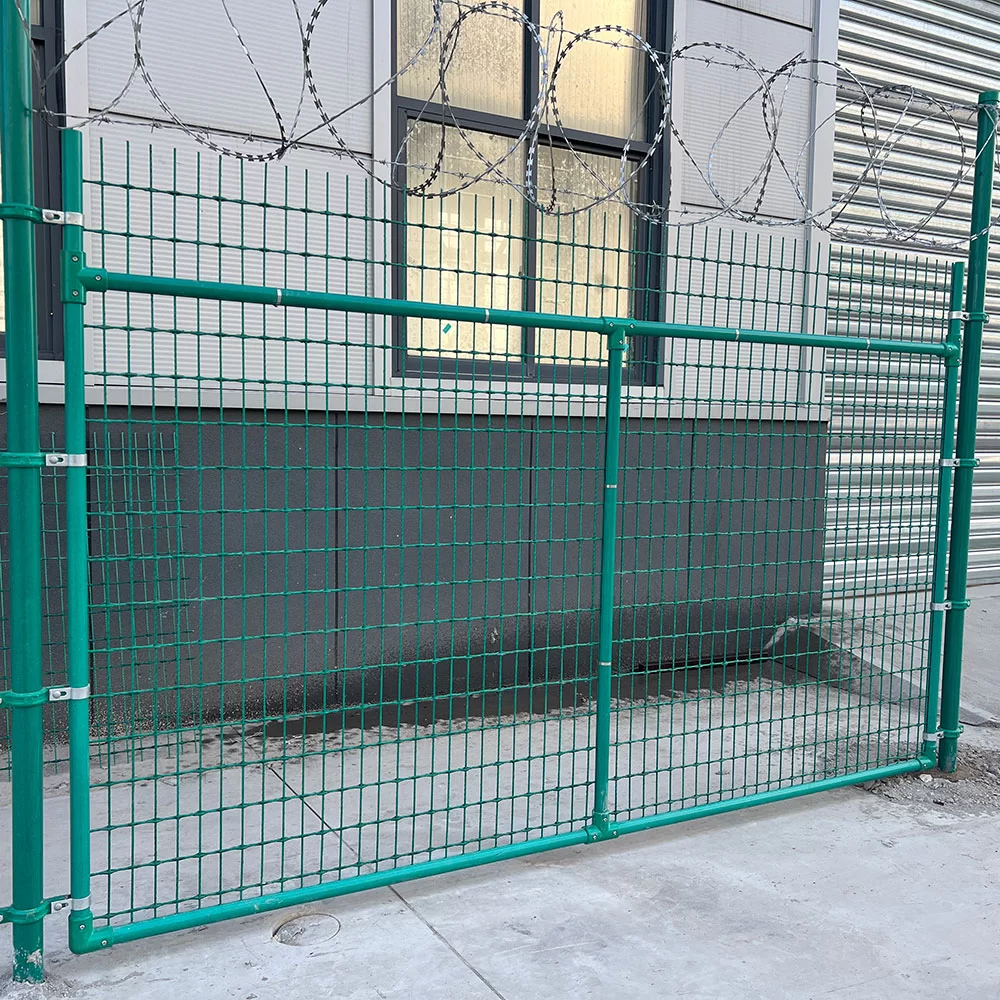
Increasing use of fiberglass guardrail mesh and safety barriers for road infrastructure and industrial facilities.

Industry Outlook

The Malaysian fiberglass market is projected to experience sustained growth over the next 5-7 years, driven by infrastructural development, environmental regulations, and increasing awareness of the benefits of composite materials. Investments in research and development, coupled with skilled workforce development, will be crucial for unlocking the full potential of this industry.

The focus will likely shift towards developing high-performance, sustainable, and cost-effective fiberglass solutions catering to the unique needs of the Malaysian market. Collaboration between manufacturers, research institutions, and government agencies will be key to fostering innovation and driving industry growth.

Localized Applications of Fiberglass in Malaysia

Exploring specific applications of fiberglass products tailored to the Malaysian environment and infrastructure.

1. Coastal Protection Structures

Fiberglass composites are ideal for constructing breakwaters, seawalls, and jetties in Malaysia's coastal regions. Their corrosion resistance and durability withstand the harsh marine environment, minimizing maintenance costs and extending service life.

2. Rural Sanitation Solutions

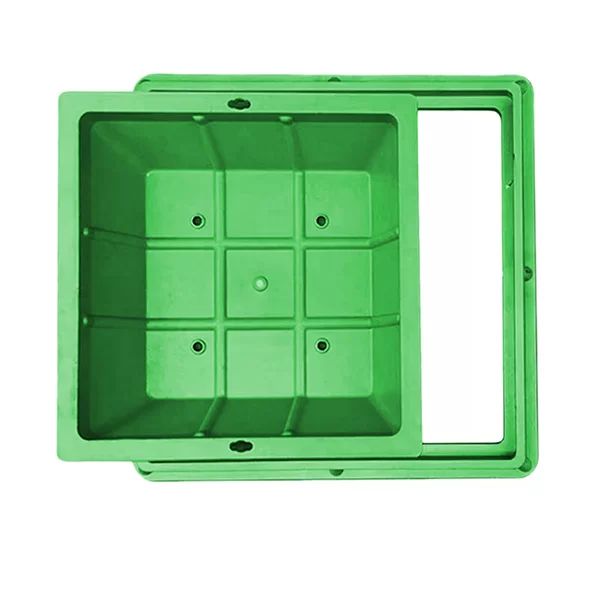
Fiberglass septic tanks provide a cost-effective and environmentally friendly solution for wastewater treatment in rural communities, addressing sanitation challenges and protecting public health.

3. Infrastructure Reinforcement

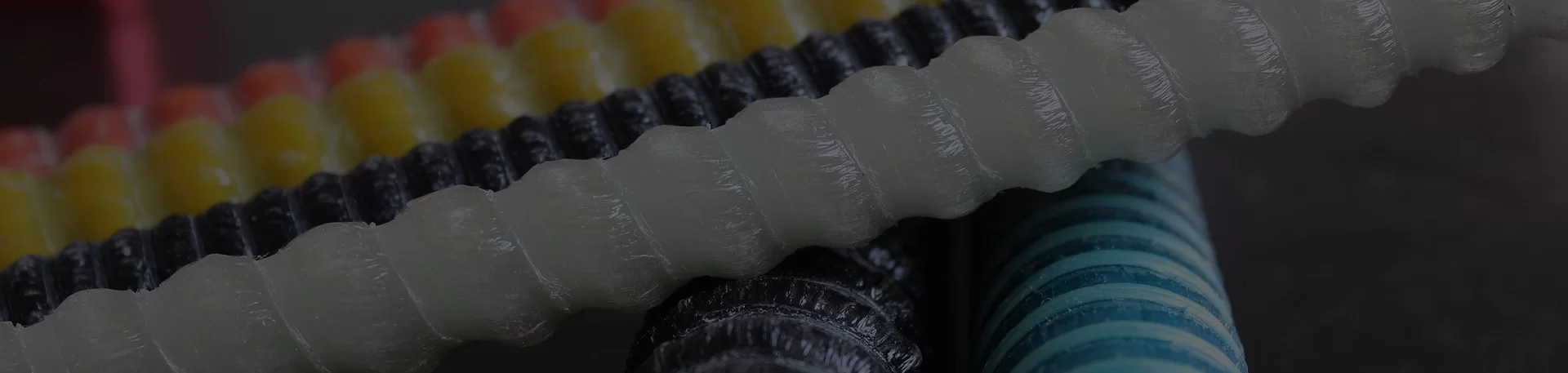
Fiber glass rebar is used to reinforce concrete structures like bridges, tunnels, and highway overpasses, enhancing durability and reducing maintenance requirements.

4. Road Safety Barriers

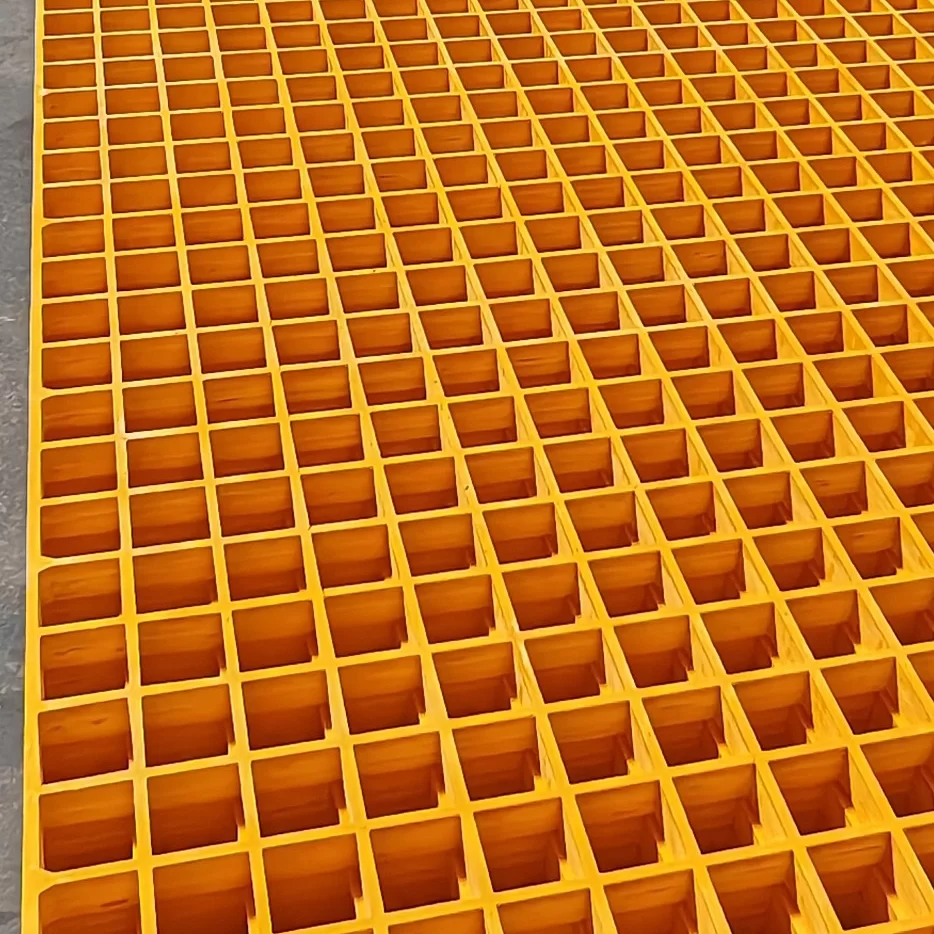
Fiberglass guardrail mesh are deployed along highways and roads to enhance safety and minimize the severity of accidents.

5. Palm Oil Industry Applications

Fiberglass components are increasingly used in palm oil processing plants due to their resistance to corrosive chemicals and high temperatures.

Brand Story

The global development history of Hebei Zhongtian Composite Material Group Co., Ltd.

Foundation & Commitment to Quality

Founded in 2005, Hebei Zhongtian Composite Material Group Co., Ltd. began with a vision to provide superior composite materials to meet evolving industrial needs.

Technological Advancement

We invested heavily in R&D, adopting advanced manufacturing processes and collaborating with leading research institutions to develop cutting-edge fiberglass solutions.

Global Expansion

Over the years, we expanded our global reach, serving clients across Asia, Europe, and North America, becoming a trusted partner in diverse industries.

Sustainable Practices

Committed to environmental responsibility, we prioritize sustainable manufacturing processes and develop eco-friendly composite materials.

Empowering Infrastructure

Our mission is to empower infrastructure development by providing durable, reliable, and cost-effective fiberglass solutions that enhance safety and sustainability.

Complete Product Portfolio for the Local Region

Discover our extensive range of fiberglass products designed to meet the unique needs of the Malaysian market.

Frequently Asked Questions - Malaysia

Addressing common queries about fiberglass products and applications in the Malaysian market.

What are the key benefits of using fiberglass septic tanks compared to traditional concrete tanks in Malaysia?

Fiberglass septic tanks are significantly lighter, easier to install, and more resistant to corrosion and leakage than concrete tanks, making them ideal for Malaysia's humid climate and varying soil conditions. They also have a longer lifespan and require less maintenance.

How does fiberglass rebar perform in Malaysian concrete structures exposed to saltwater?

Fiberglass rebar is completely resistant to corrosion from saltwater, unlike steel rebar which is prone to rust and degradation in coastal environments. This makes it an excellent choice for marine structures, bridges, and infrastructure in Malaysia's coastal areas.

What is the lifespan of a fiberglass guardrail mesh system in a high-traffic Malaysian highway?

Fiberglass guardrail mesh systems are designed to withstand harsh weather conditions and high-impact collisions. They typically have a lifespan of 20-30 years with minimal maintenance, significantly longer than traditional steel systems.

Is carbon fiber reinforcement more expensive than fiberglass reinforcement, and is it worth the investment in Malaysia?

Carbon fiber reinforcement is generally more expensive than fiberglass. However, its superior strength-to-weight ratio and stiffness make it worthwhile for specialized applications requiring high performance, such as aerospace components or high-stress structural repairs.

Are fiberglass products environmentally friendly, and what certifications do your products hold?

Fiberglass composites offer several environmental benefits, including reduced weight, increased durability, and lower maintenance requirements. We are committed to sustainable manufacturing practices and our products meet relevant industry standards and certifications.

What types of warranties do you offer on your fiberglass products sold in Malaysia?

We offer comprehensive warranties on our fiberglass products, covering material defects and performance issues. Warranty terms vary depending on the specific product and application. Please contact us for detailed warranty information.

Get in Touch with Us

For all your fiberglass needs in Malaysia, our expert team is ready to assist. Contact us today to learn more about our products and services.

Contact Us Now

If you are interested in our products, you can choose to leave your information here, and we will be in touch with you shortly.