Advanced Fiberglass Solutions for Peruvian Infrastructure

Advanced Fiberglass Solutions for Peruvian Infrastructure

Delivering high-performance fiberglass products to meet the evolving needs of the Peruvian market.

Advanced Fiberglass Solutions for Peruvian Infrastructure

Providing innovative fiberglass reinforced plastic (FRP) solutions for a wide range of applications in Peru.

Current State of the Fiberglass Industry in Peru

An overview of the FRP market in Peru, its challenges, and opportunities.

Peru's infrastructure development, particularly in mining, sanitation, and coastal regions, is driving demand for durable and corrosion-resistant materials. Traditional materials like steel and concrete face challenges due to Peru’s varied terrain and seismic activity. fiberglass products offer a compelling alternative, providing strength, lightweight properties, and longevity.

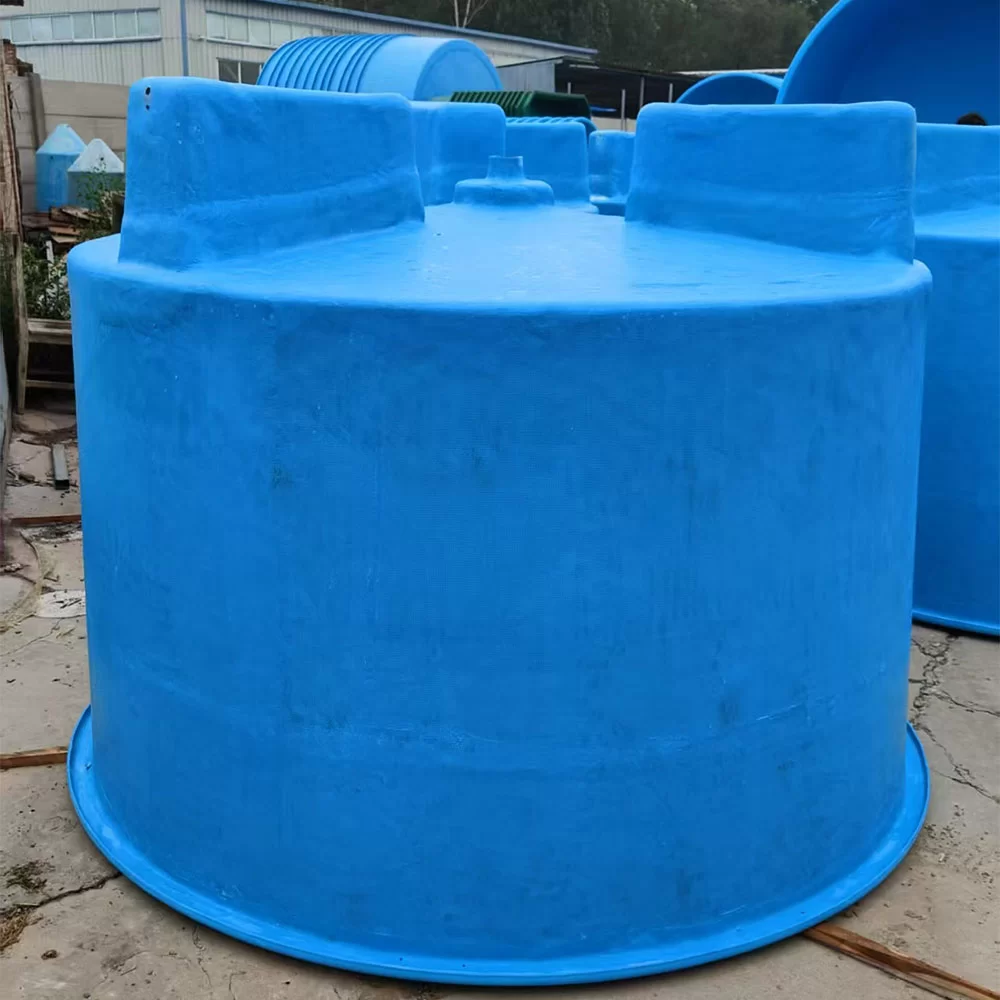
The Peruvian climate, encompassing coastal deserts, Andean highlands, and Amazon rainforest, requires materials that can withstand diverse conditions. fiberglass septic tank solutions are increasingly adopted in areas lacking centralized sewage systems, offering a sustainable and efficient wastewater management option. Local manufacturing capacity is growing, but reliance on imports still exists for specialized FRP components.

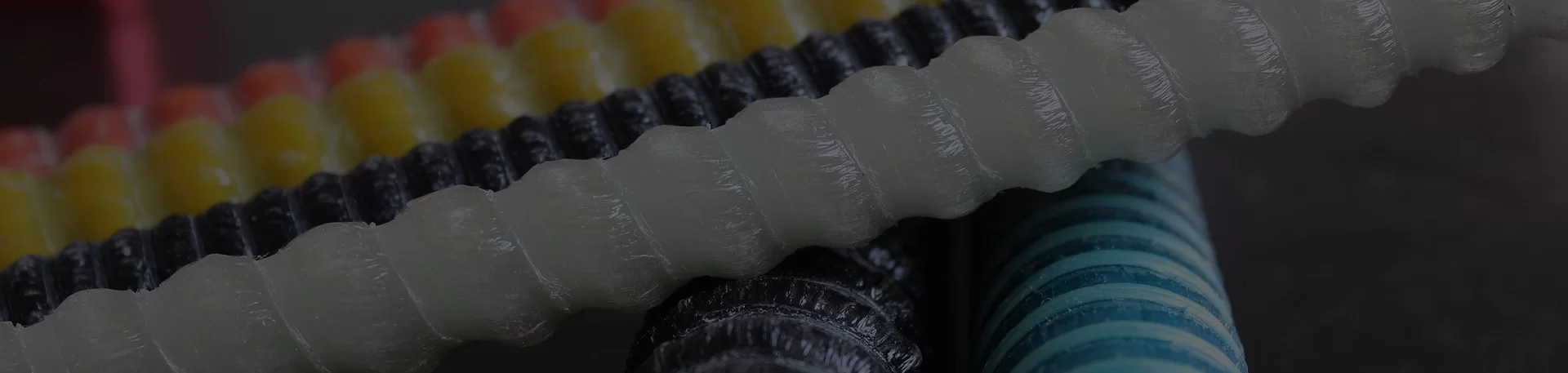
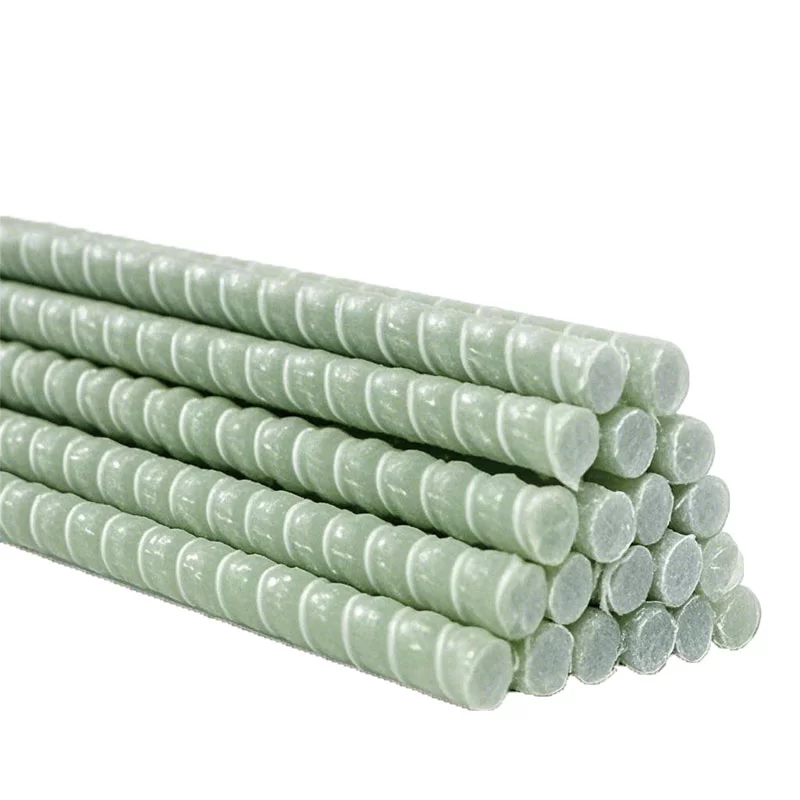
Economic factors, including government investment in infrastructure projects and increased private sector participation, influence the growth of the FRP market. The need for cost-effective solutions and the increasing awareness of the benefits of fiber glass rebar are contributing to market expansion.
Evolution of Fiberglass Technology in Peru

Tracing the development of FRP applications in Peru, from early adoption to modern advancements.

Market Development History

Initially, fiberglass applications in Peru were limited to small-scale projects, primarily in boat building and automotive parts during the 1980s and 90s. The technology was largely imported, and local expertise was limited.

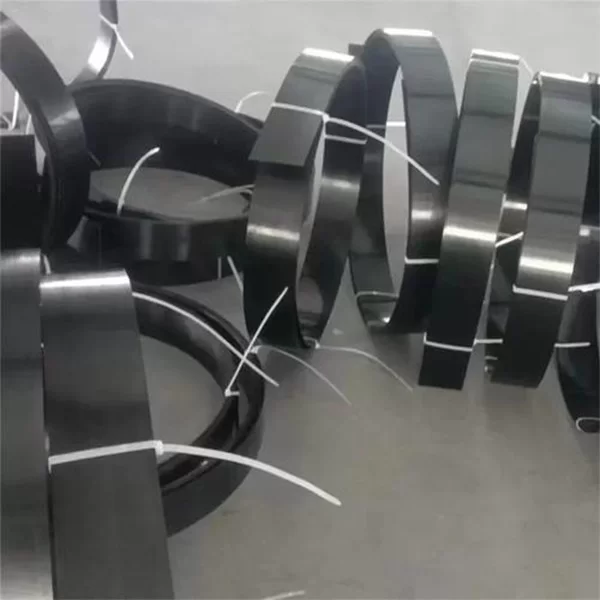
The early 2000s witnessed increased adoption of FRP in civil engineering, driven by the need for corrosion-resistant materials in coastal infrastructure and mining operations. carbon fiber reinforcement began to be utilized in specific high-performance applications.

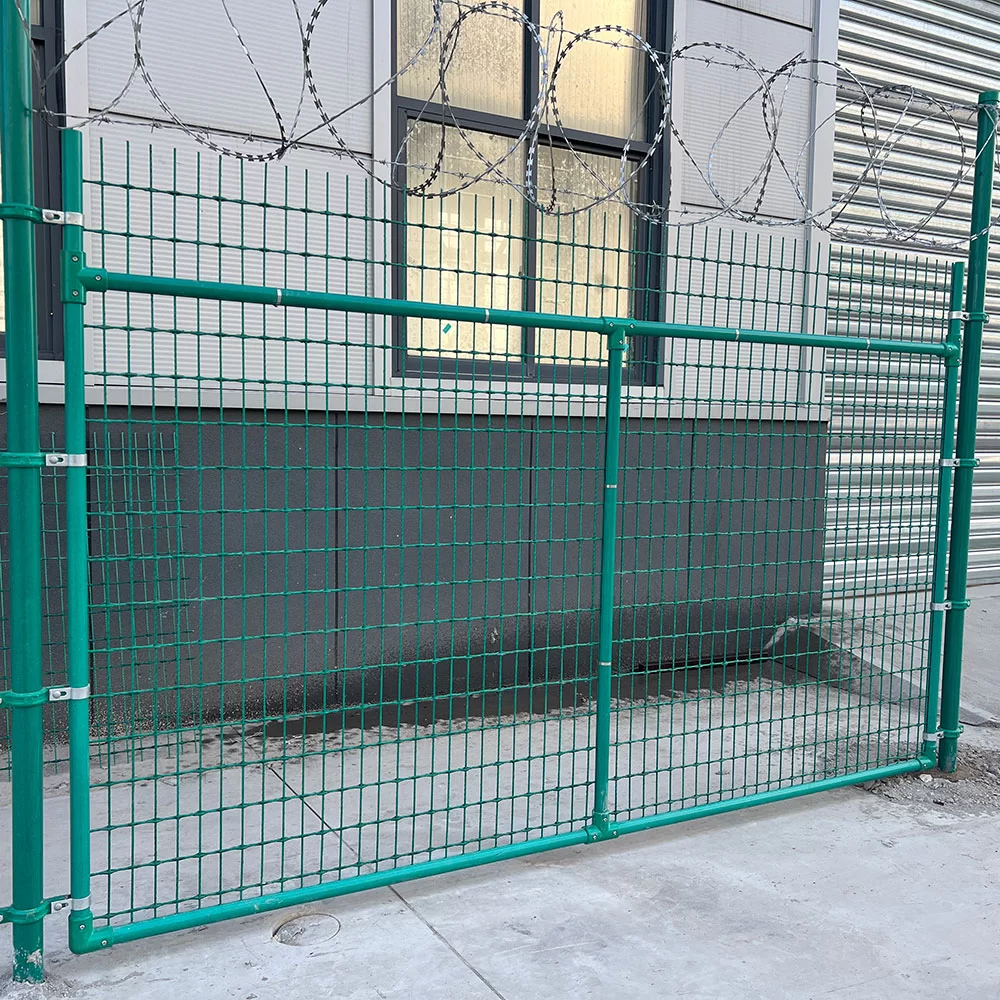
Over the last decade, advancements in resin technology and manufacturing processes have led to the development of more sophisticated FRP products tailored to Peruvian requirements. This includes increased focus on locally produced fiberglass guardrail mesh and components.

Future Development Trends

Increased Use of Hybrid Composites

Combining fiberglass with other materials, such as carbon fiber and natural fibers, to achieve enhanced performance characteristics. This is expected to grow based on Google Trends data indicating rising search queries for "hybrid composites Peru".

Automation and Smart Manufacturing

Implementing automated manufacturing processes and incorporating sensors into FRP products for real-time monitoring and performance analysis. Search interest in "smart infrastructure Peru" is showing an upward trend.

Sustainable FRP Solutions

Developing FRP products using bio-based resins and recycled materials, addressing environmental concerns and promoting circular economy principles. Growing online searches for “sustainable construction Peru” support this trend.

Industry Trends and Future Outlook

Analyzing emerging trends and forecasting the future of the fiberglass industry in Peru.

Growing Demand in Mining Sector
Peru’s robust mining industry will continue to drive demand for corrosion-resistant FRP piping, tanks, and structural components.
Expansion in Water & Sanitation
Increasing investment in water treatment plants and sewage systems will fuel demand for fiberglass septic tank and FRP piping.
Coastal Infrastructure Projects
The construction of ports, marine structures, and coastal defenses will drive demand for FRP materials resistant to saltwater corrosion.
Increased Focus on Lightweight Materials
The need for lightweight, high-strength materials in transportation and construction will promote the adoption of fiberglass composites.

Industry Outlook

The Peruvian FRP market is poised for continued growth, driven by the factors mentioned above. The government's focus on infrastructure development and the increasing demand for sustainable materials will create significant opportunities for FRP manufacturers and suppliers. Collaboration between local and international companies will be crucial for driving innovation and expanding market reach.

Over the next 3-5 years, expect to see a greater emphasis on localized production, advanced composite materials, and smart manufacturing technologies. Peru has the potential to become a regional hub for FRP innovation and manufacturing, serving the broader South American market.

Local Application Scenarios

Real-world examples of how fiberglass products are being used in Peru.

1. Corrosion-Resistant Piping in Mining Operations

Fiberglass reinforced plastic (FRP) piping is extensively used in copper and gold mines in Peru to transport corrosive process fluids, replacing traditional steel piping and reducing maintenance costs.

2. FRP Reinforcement of Coastal Structures

Fiberglass rebar is employed to reinforce concrete structures along the Peruvian coastline, providing superior corrosion resistance and extending the lifespan of piers, seawalls, and breakwaters.

3. Lightweight Fiberglass Roofing for Schools and Hospitals

Lightweight fiberglass roofing panels are used in the construction of schools and hospitals, offering improved thermal insulation, reduced structural load, and faster installation times.

4. Fiberglass Septic Tanks for Rural Communities

fiberglass septic tank are being deployed in rural communities lacking access to centralized sewage systems, providing a hygienic and sustainable wastewater treatment solution.

5. FRP Guardrails for Highway Safety

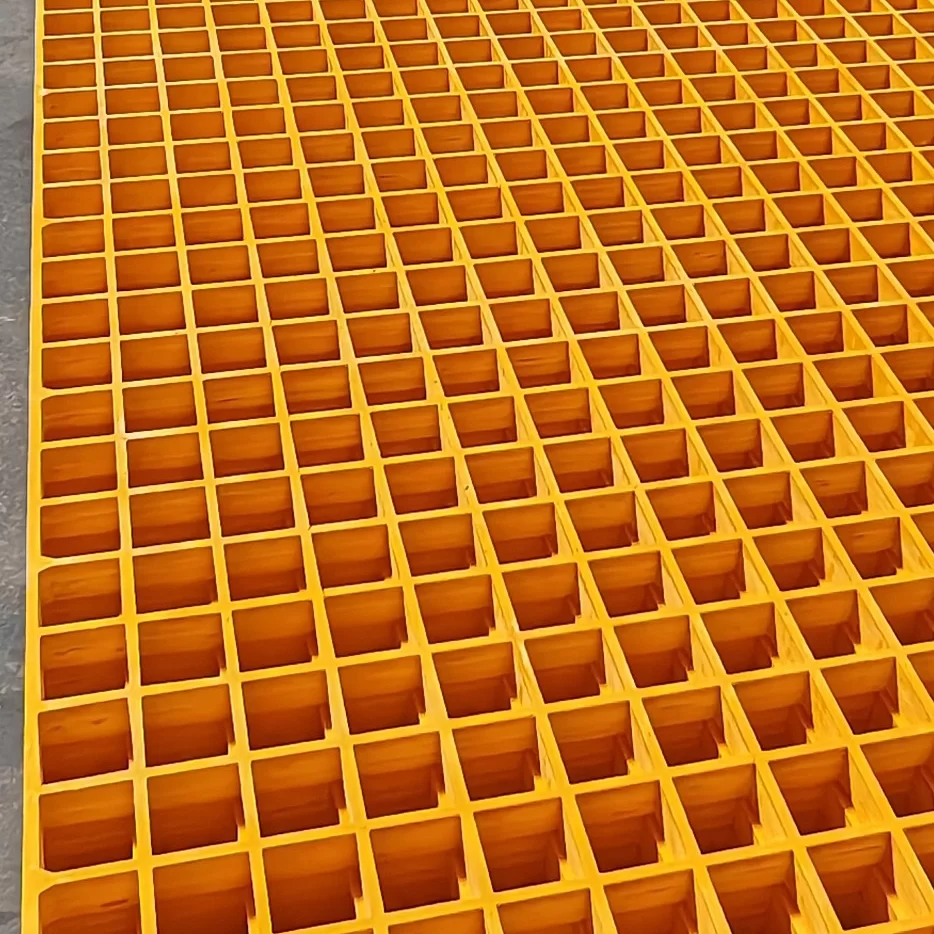
fiberglass guardrail mesh is used to enhance road safety and minimize the impact during collision.

Brand Story

Hebei Zhongtian Composite Material Group Co., Ltd.'s global development journey

Pioneering Composite Solutions

Founded in 2005, Hebei Zhongtian has been at the forefront of fiberglass composite innovation, dedicated to providing high-quality products and exceptional customer service.

Expanding Global Reach

Over the years, we've expanded our reach to serve clients in over 50 countries, building a reputation for reliability and technical expertise.

Commitment to Sustainability

We are committed to sustainable manufacturing practices, utilizing eco-friendly materials and minimizing our environmental impact.

Tailored Solutions for Peru

We are dedicated to providing customized solutions to meet the unique needs of the Peruvian market, delivering superior performance and long-term value.

Driving Innovation Forward

Our team of engineers and scientists continuously explore new materials and technologies to push the boundaries of composite engineering.

Complete Product Range for the Peruvian Market

Explore our comprehensive selection of fiberglass products tailored to the needs of Peruvian industries.

Frequently Asked Questions (Peru)

Addressing common inquiries about fiberglass products in the Peruvian market.

What are the key benefits of using fiberglass rebar in Peruvian construction projects?

Fiberglass rebar offers superior corrosion resistance compared to steel, making it ideal for coastal structures and environments with high salt exposure. It is also lightweight, non-conductive, and has a longer lifespan.

How does the performance of fiberglass septic tank compare to traditional concrete septic tanks in Peru?

Fiberglass septic tanks are lighter, more durable, and leak-proof compared to concrete tanks. They are also easier to install and require less maintenance.

What is the lifespan of fiberglass guardrail mesh installed along Peruvian highways?

Fiberglass guardrail mesh typically has a lifespan of 20-30 years, significantly longer than traditional steel guardrails, with minimal maintenance required.

Is carbon fiber reinforcement suitable for seismic retrofitting of existing buildings in Peru?

Yes, carbon fiber reinforcement is an effective solution for seismic retrofitting, providing increased strength and ductility to existing concrete structures.

What types of resins are used in the manufacturing of your fiberglass products, and are they environmentally friendly?

We primarily use polyester, vinyl ester, and epoxy resins. We are actively researching and incorporating bio-based resins to reduce our environmental footprint.

Do you offer customized fiberglass solutions tailored to specific project requirements in Peru?

Yes, we provide customized design and manufacturing services to meet the unique needs of our clients in Peru, working closely with engineers and project managers.

Get in Touch with Us

We are here to assist you with your fiberglass composite needs in South America - Peru. Contact us today to discuss your project.

Contact Us Now

If you are interested in our products, you can choose to leave your information here, and we will be in touch with you shortly.