

Composite Infrastructure Solutions for Bolivia

Composite Infrastructure Solutions for Bolivia

Enhancing Bolivia's industrial durability with advanced corrosion-resistant fiberglass products designed for challenging geographical terrains.

Request Technical Details

High-Performance Composite Materials

Industrial-grade FRP solutions tailored for Bolivian infrastructure and manufacturing needs.

Analyzing the Demand for FRP in Bolivia's Industry

Integrating composite technology into the Andean region's structural framework.

Bolivia's unique geography, characterized by high-altitude Andean plateaus and humid lowland basins, places extreme stress on traditional building materials. The prevalence of corrosive mineral deposits and fluctuating climates accelerates the degradation of steel and concrete. Consequently, the adoption of fiberglass products has become a strategic priority for local engineers seeking to extend the lifecycle of critical infrastructure in mining and municipal sectors.

In urban centers and rural municipalities, the need for efficient waste management is growing. Traditional concrete tanks often fail due to soil movement or chemical erosion. Implementing a fiberglass septic tank offers a lightweight, leak-proof, and corrosion-resistant alternative that simplifies installation in remote Bolivian terrains, ensuring long-term environmental protection and public health stability.

From an industrial perspective, the shift toward advanced materials is driven by the need for reduced maintenance costs. Whether in road safety or structural reinforcement, the integration of composite polymers allows for greater flexibility and strength. By replacing heavy metals with lightweight composites, local enterprises can optimize logistics and reduce the total cost of ownership for large-scale civil engineering projects across the region.

Evolution of Composite Applications

From basic FRP usage to high-strength engineered reinforcement.

Development Path

2000-2010

Early Adoption Phase. Initial introduction of basic FRP gratings and tanks in industrial settings, primarily focusing on simple corrosion resistance for chemical storage.

2011-2018

Diversification Stage. Expansion into civil engineering with the introduction of fiber glass rebar to combat saltwater and acidic soil erosion in infrastructure.

2019-Present

High-Tech Integration. Shift toward specialty composites and carbon fiber reinforcement for high-load industrial applications and seismic strengthening.

Market Trends

  • Sustainable Material Transition

    Moving away from carbon-heavy steel toward recyclable and long-life polymer composites to reduce the environmental footprint of construction.

  • Prefabricated Modularization

    Increasing use of factory-molded FRP components to reduce onsite installation time and errors in remote Bolivian project sites.

  • Hybrid Reinforcement Systems

    Combining GFRP and Carbon Fiber to achieve optimal strength-to-weight ratios for specialized mining equipment and bridges.

Future Outlook for Bolivia's Composite Sector

Advancing structural integrity through material science.

Material Longevity
Focusing on UV-resistant resins to withstand high-altitude radiation in the Altiplano region.
Cost Efficiency
Reducing long-term maintenance expenditure by eliminating rust-related repairs in municipal water systems.
Installation Speed
Leveraging lightweight components to accelerate project delivery in difficult-to-access regions.
Environmental Safety
Utilizing non-leaching composite tanks to protect Bolivia's groundwater and soil quality.

Looking ahead, the next five years will likely see a surge in the application of high-modulus composites. From an industry perspective, the focus is shifting toward materials that can handle extreme thermal cycling and high alkalinity, which are common in mining operations. We expect a transition from standard FRP to tailored composite alloys that provide superior structural support for heavy machinery.

The regional supply chain in Bolivia is evolving toward a more integrated model. By partnering with global manufacturers who provide integrated design and installation, local firms can implement advanced systems like fiberglass guardrail mesh for highway safety, ensuring that the infrastructure keeps pace with national urban expansion and logistics growth.

Commercial Applications in Bolivia

Real-world deployment of FRP technology across diverse sectors.

01
Mining Infrastructure

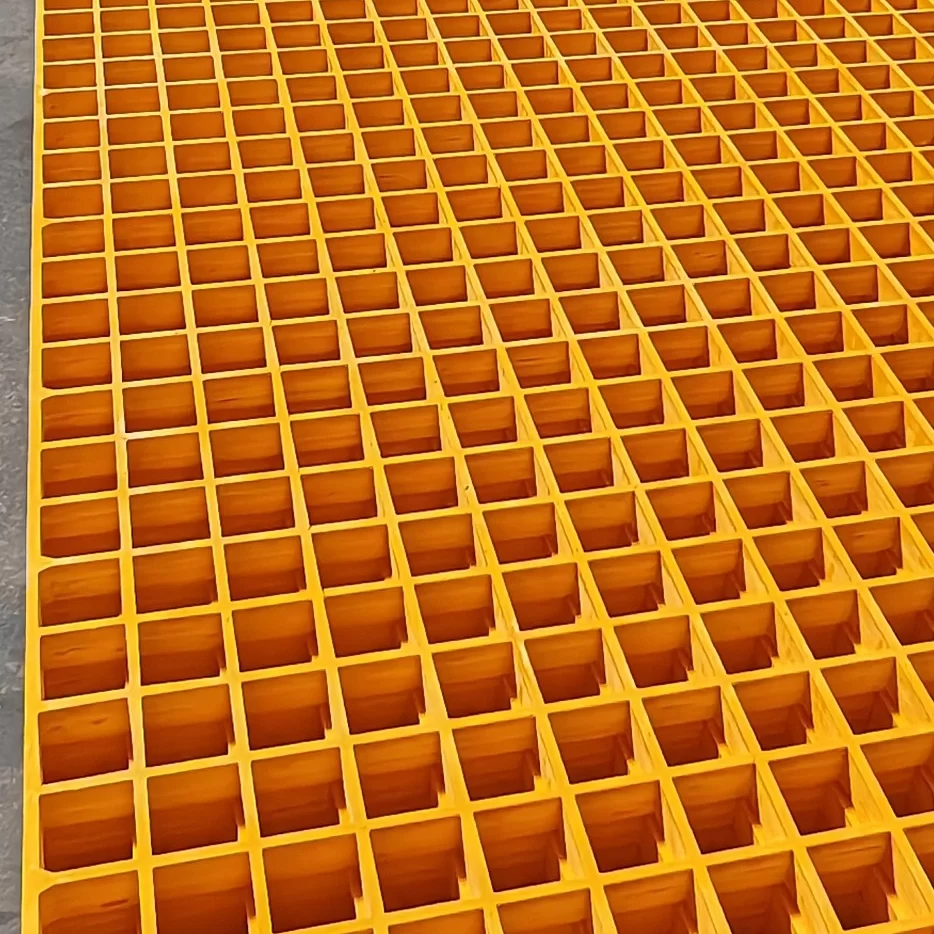
Deployed in local industrial parks to create corrosion-resistant walkways and piping systems that withstand acidic runoff and mineral dust.

02
Municipal Water Management

Installation of composite storage tanks in regional logistics centers to provide durable, leak-proof water reserves for surrounding communities.

03
Highway Safety Systems

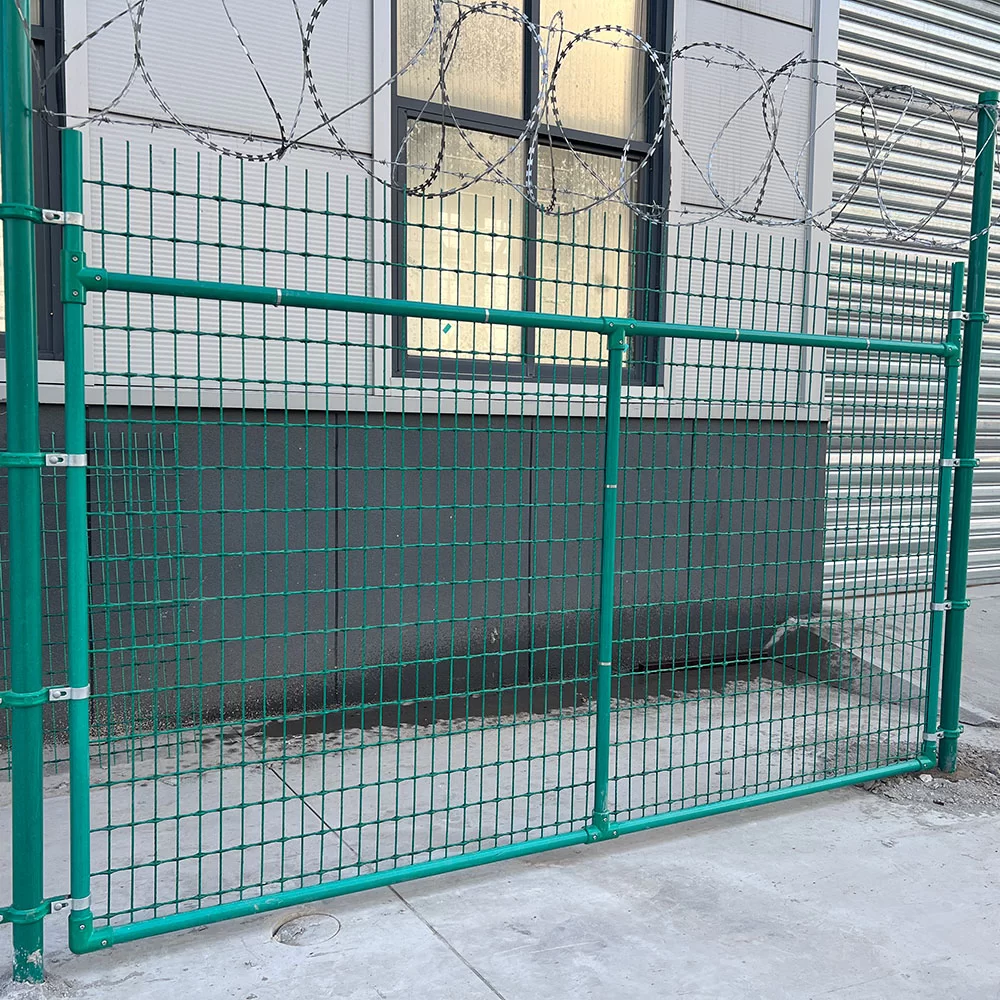
Utilizing high-strength polymer mesh for road barriers along mountainous highways to prevent erosion and enhance driver safety.

04
Agricultural Drainage

Implementing GFRP piping in local farming zones to manage irrigation without the risk of rust or soil contamination.

05
Urban Wastewater Treatment

Using integrated sewage pumping stations in city commercial areas to modernize waste disposal and reduce odor pollution.

Hebei Zhongtian Composite Materials Group Co., Ltd.

A legacy of precision engineering and composite innovation since 2008.

2008
Company Foundation

Established as a large-scale production enterprise integrating design, production, sales, and installation in Zaoqiang County.

2008-2015
Capacity Expansion

Acquired advanced FW-4000 microcomputer winding machines and BWFRP power pipe weaving equipment to enhance production precision.

2016
Quality Certification

Successfully passed ISO9001:2000 quality system, environmental management, and occupational health and safety certifications.

Composite Solutions FAQ

Technical answers for Bolivian project managers and procurement officers.

How does fiber glass rebar perform compared to steel in Bolivian mining environments?

Unlike steel, GFRP rebar is completely immune to electrochemical corrosion, making it ideal for mining sites where acidic soils and moisture are prevalent. It offers a high strength-to-weight ratio, reducing transportation costs to remote sites while eliminating the need for expensive epoxy coatings.

What are the installation advantages of a fiberglass septic tank in rural areas?

FRP septic tanks are significantly lighter than concrete, allowing for faster delivery and installation via smaller machinery. Their seamless structure prevents leakage into the groundwater, which is critical for environmental protection in Bolivia's sensitive ecological zones.

When should we choose carbon fiber reinforcement over standard fiberglass?

Carbon fiber should be utilized when extreme stiffness and higher tensile strength are required for structural load-bearing. It is typically recommended for seismic retrofitting of buildings or strengthening critical industrial supports where minimal thickness and maximum rigidity are necessary.

Is the fiberglass guardrail mesh suitable for high-altitude UV exposure?

Yes, provided the composite is manufactured with UV-stabilized resins. Our products are designed to resist degradation from intense solar radiation common in the Altiplano, ensuring the material remains flexible and strong without becoming brittle over time.

What certifications ensure the quality of these composite products for international projects?

Our manufacturing processes are governed by ISO9001:2000 quality system certifications, as well as certified environmental and occupational health and safety management systems, ensuring that every product meets stringent global industrial standards.

Can FRP piping be integrated into existing metallic water networks in Bolivia?

Yes, FRP pipes can be integrated using specialized adapter fittings. This hybrid approach allows municipalities to replace the most corrosive sections of their network with composite materials without requiring a complete system overhaul.

Optimize Your Project in Bolivia

Consult with our engineers to implement durable, corrosion-resistant composite solutions tailored for the specific environmental challenges of Bolivia.

Get a Technical Quote

If you are interested in our products, you can choose to leave your information here, and we will be in touch with you shortly.